
Reviewed · METEORA MONASTERIES TOURS
2-days rail trip from Athens to Meteora
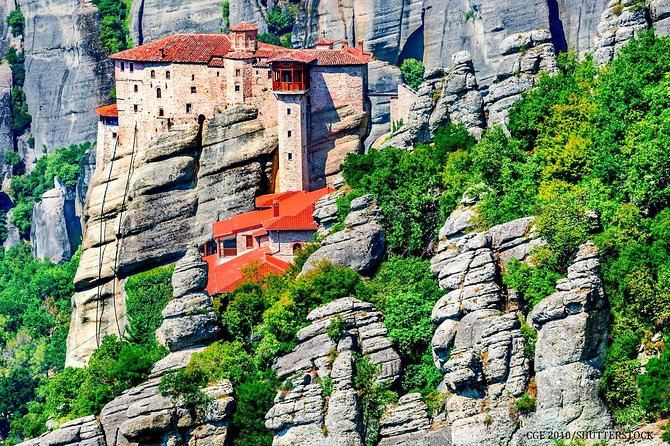
Meteora feels unreal when you arrive by rail. This 2-day trip takes you from Athens to Kalambaka by train, then into the stone-world of Meteora with guided monastery visits, including a sunset circuit. You also get real breathing room in town, not just stop-and-go photo breaks.
I love the way this tour handles the logistics for you. With round-trip train tickets, a three-star hotel with breakfast, and air-conditioned rides between sights, you get to focus on what matters: the views, the monasteries, and the stories behind them.
One thing to consider is the physical side. Expect walking and steps at the monasteries, and entrance fees for each site are not included, so you’ll want a bit of cash ready.
In This Review
- Key things that make this tour work in real life
- Athens to Meteora by train, and why that matters
- Price and what your $233.66 actually buys
- Day 1 in Meteora: train arrival, hotel time, then the sunset circuit
- Day 1 in Kalambaka: the Byzantine Church of the Dormition stop
- Day 2: from early hermits to monks perched above the plains
- What you’ll see at the monasteries, and how to handle the stairs
- Hotel in Kalambaka: the part that turns a tour into a trip
- Guides and group size: why it feels personal
- Timing, heat, and what to pack for real Meteora weather
- Should you book this Meteora Rocks rail tour?
Key things that make this tour work in real life
- Train first, driving never: You skip a long day of road travel and arrive in Meteora town with energy left.
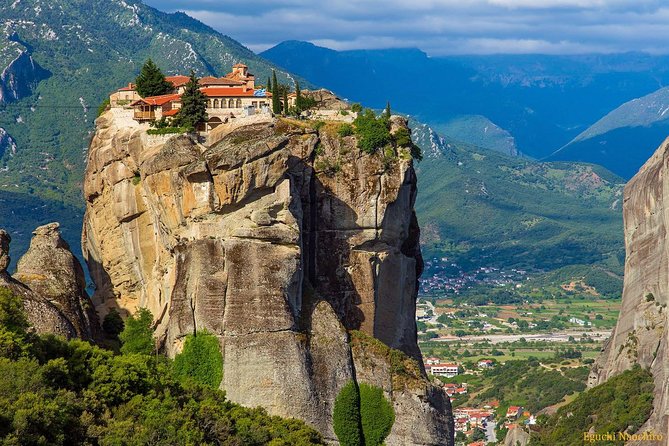
- Sunset monastery time: You see the cliffs and monasteries in softer light, which makes photos and atmosphere better.
- Small groups, real guide attention: Maximum 16 travelers means questions get answered and pacing stays human.
- Hotel in Kalambaka, not the middle of nowhere: You can wander shops and cafés after your guided portion.
- Two cultural layers, not one: You get the Meteora rocks and also a Byzantine church in Kalambaka.
- Local guides are a standout: Reviewers repeatedly name guides like Panos, Antonis, Xrisa, Vasilis, Chris, and Christos, and praise their stories and flexible help.
Athens to Meteora by train, and why that matters
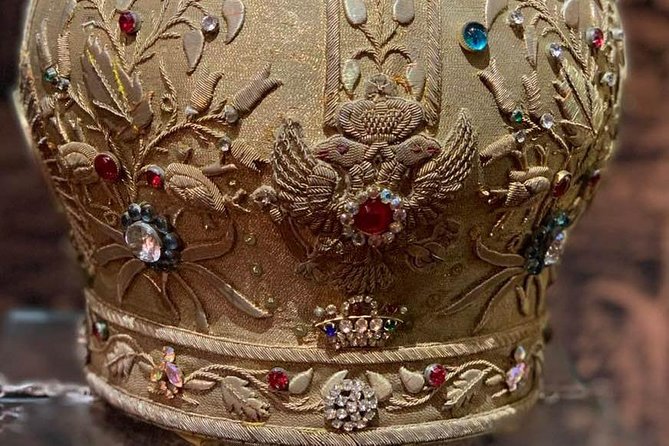
Meteora is famous for a reason, but what surprised me most is how much easier it feels when you don’t cram the trip into one exhausting transport day. This route starts with a morning train from Athens, and it lands you in Meteora country around midday. That timing matters, because you’re not arriving bleary-eyed and rushing straight into steep stairs.
You’ll travel by round-trip train between Athens and Kalambaka, then continue by air-conditioned vehicle for tours and transfers. In practice, that mix is ideal. The train gives you comfort and scenery without concentration-level navigation, while the van keeps you moving between the cliff viewpoints and Kalambaka.
Also, doing Meteora as a two-day plan helps you experience the area in different light. One day is designed around sunset viewing. The other is focused on monastery history and the way monks lived on those vertical rock towers.
More monasteries balanced on stone pillars:
Price and what your $233.66 actually buys
At about $233.66 per person, you’re paying for more than a sightseeing day. Your cost is mainly covering the heavy lifting: train tickets, hotel, breakfasts, local transport, and guided tours across two days.
Here’s what’s included that you’ll feel value from:
- A three-star hotel in Kalambaka with breakfast
- Round-trip train tickets (e-tickets sent by email)
- Air-conditioned transfers and bottled water
- Local English-speaking tour leader and guided monastery visits
- You get a small-group format, with a maximum of 16 travelers
What’s not included is also important to know up front. You’ll pay monastery entrance fees separately, plus a small Byzantine church fee. Hotel tax (3 euros per room) is also paid at the reception on your own.
So, is it good value? For many people, yes, because Meteora has a lot of pieces that are easy to mess up on your own. With this tour, you’re not hunting for the right pickup spot, figuring out the order of monasteries, or trying to coordinate your timing between train arrivals, sunset, and a second-day visit.
Day 1 in Meteora: train arrival, hotel time, then the sunset circuit
Day 1 starts with an early meeting and the morning train from Athens. You board at Stathmos Larissis, and the route brings you into Kalambaka around 12:05. That schedule is built so you’re not stuck in transit all afternoon. Instead, you get a hotel handoff and a chunk of free time.
Once you arrive, you’ll be picked up and driven to your hotel. You then have about three hours of free time. This is your chance to get your bearings in Kalambaka, grab lunch on your own, and check out things like local museums. If you enjoy a slower pace, this is the part where you can actually feel the town, not just the rocks.
Then the tour switches into Meteora mode. You’ll head out for a sunset experience that includes multiple monastery locations. The plan is designed to show you the broader monastery complex across the cliffs, including a hermitage and a Byzantine church component during the sunset segment. You’ll be back at your hotel afterward.
Why sunset is the highlight here
Meteora at sunset isn’t just pretty. It’s practical. Evening light makes the rock walls and monasteries easier to read from a distance, and it often feels calmer than the busiest daytime flow. Even if you’ve seen photos before, this is the first time the place clicks as a real living landscape.
And yes, the group stays small. Reviews repeatedly praise guides who brought the area to life with stories and pacing that stayed comfortable for the group size.
Day 1 in Kalambaka: the Byzantine Church of the Dormition stop
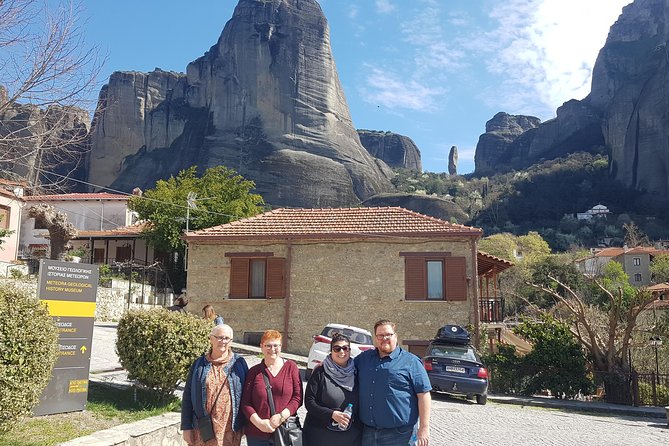
You also visit the Byzantine Church of the Dormition of the Mother of God in Kalambaka. The short visit targets the older heart of town, which is useful because it balances the dramatic cliff setting with a more grounded historic layer.
This church is described as being erected between the 10th and 11th century on top of early Christian ruins. It combines architectural influences, including a basilica mixed type layout. The stop is about 30 minutes, so it’s not meant to replace a deep museum day. It’s a focused cultural pause that helps you understand why this region mattered long before monks climbed the rocks.
Practical note: entrance fees are not included for this church. Plan on the small additional cost so you do not have to scramble at the last minute.
Day 2: from early hermits to monks perched above the plains
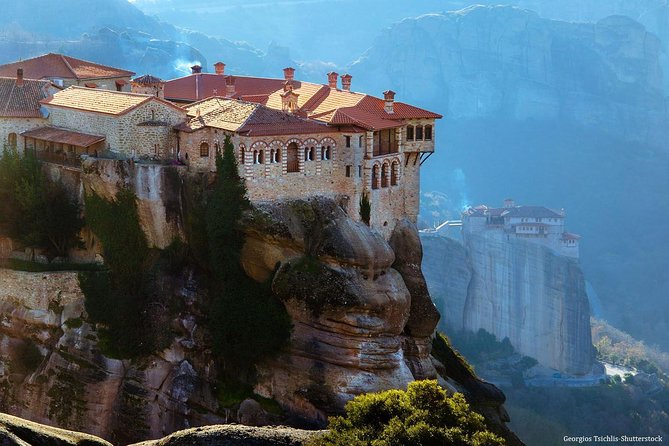
Day 2 begins with a pickup from your accommodation. From there, the emphasis shifts to how people first lived in this area, and why monasteries ended up on such steep, hard-to-reach rock formations.
The tour follows the story arc: early hermits living in caves, then later medieval monastic life as monks built on the giant rocks. That theme is the real value of day two. You’re not just ticking off sites. You’re learning the logic of the setting, why the cliffs offered protection, and how risk and isolation shaped the monasteries’ endurance.
On day two, the schedule also includes time for Kalambaka again after the guided segment. Then you catch the train back to Athens. The plan lists a departure from Kalambaka at 17:05, and you should expect an evening arrival back in Athens.
A useful detail for planning
The tour includes an option for your second-day tour choice. Some people end up with a morning format, others with an afternoon format depending on selection. If you’re choosing, think about your energy and your walking comfort. Meteora involves stairs and uneven surfaces, even when the guide keeps you moving smartly.
More Meteora landfalls to plot
- From Athens: Delphi and Meteora 2-Day Guided Tour
★ 4.5 · 825 reviews - 2-Day Tour to Delphi & Meteora with Guide and Tickets From Athens
★ 4.0 · 692 reviews - From Athens: Delphi and Meteora 2-Day Tour with Hotel
★ 4.4 · 392 reviews - Athens: 2 Days in Meteora with 2 Guided Tours and Hotel Stay
★ 4.7 · 376 reviews
What you’ll see at the monasteries, and how to handle the stairs
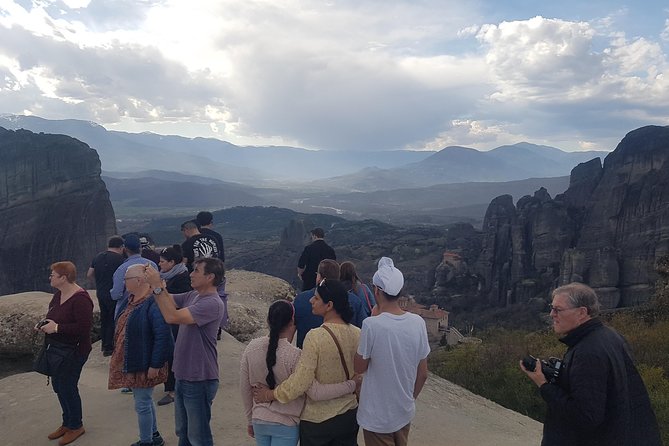
Let’s be honest: Meteora monasteries are not a stroll. Even when the itinerary is well managed, you still need to be comfortable with steps and climbing inside and around the sites.
In the tour plan, you’ll be visiting the monasteries and hermitages, and the sunset portion is designed to give you broad viewpoints too. Reviews highlight that walking is part of the experience. One review even suggests bringing knees into the conversation, especially if you have stairs sensitivity.
My best advice for your comfort:
- Wear shoes you can trust on stone steps.
- Bring a water bottle if you tend to get thirsty quickly. Bottled water is included, but having your own rhythm helps.
- Dress in layers. Weather can shift, and you’ll be outside for viewpoints and monastery transitions.
Also remember: there is an extra fee for monastery entrances. The provided details list about 5 euros per monastery. Plan that into your budget so it feels like a known step, not a surprise.
Hotel in Kalambaka: the part that turns a tour into a trip
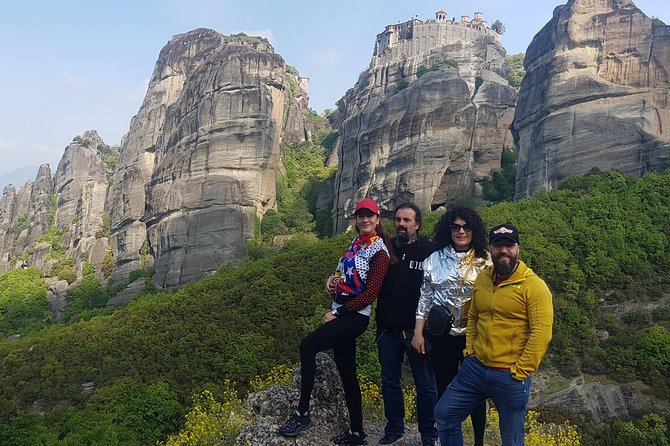
One reason this experience gets such strong feedback is the overnight stay in Kalambaka. You’re not just passing through. You can actually use the evening after the sunset tour to wander and eat where you feel like it.
The hotel is included as three-star, with breakfast. Reviews often describe the town as charming and easy to navigate on foot after the guided hours. That matters if you want to try local dishes without rushing back to a bus.
A small but real benefit: staying overnight also changes your monastery timing. You have a chance to visit some sites before the biggest waves of day visitors. That can make photos feel more relaxed and the experience more personal, especially if you enjoy viewpoint time without feeling pushed.
Guides and group size: why it feels personal
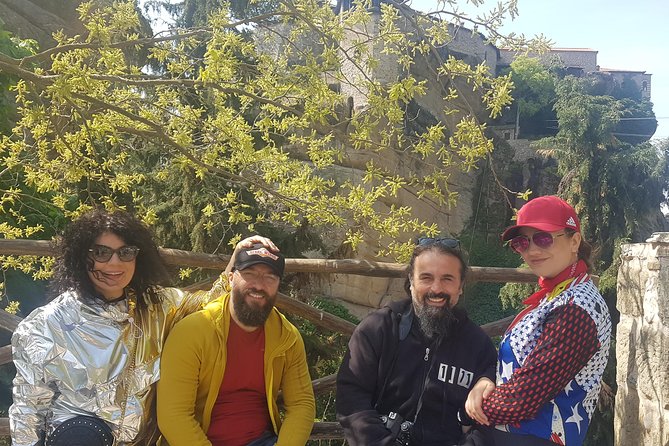
This tour is capped at 16 travelers, and that is a big deal in Meteora. When a group is smaller, guides can adjust pacing, answer questions, and keep you from feeling like a luggage line moving through stairs.
The standout theme in the reviews is the quality of the local guiding. Names show up again and again, including Panos, Antonis, Xrisa, Vasilis, Chris, and Christos. The praise isn’t just for facts. It’s for the way guides connect the cliff monasteries to daily life, local culture, and the reasons behind the monks’ choices.
If you care about context, this is where the tour pays off. Meteora can look like pure spectacle at first. With the right guide, it starts to feel like human story in stone.
There can be minor practical hiccups with trains on big travel days. One review mentions a train strike and says the company handled it with options and even helped secure return bus tickets. That’s the kind of detail that gives peace of mind when you’re traveling with a schedule.
Timing, heat, and what to pack for real Meteora weather
Even in good weather, Meteora is exposed. You’ll be outdoors for viewpoints and transitions, and you’ll be moving between elevations.
One review called out August heat and said transport felt hot at times. Another mentioned the importance of good shoes and packing for variable weather. So I’d pack like you’re going to spend time outside, not like you’re going to a museum.
Bring:
- Comfortable walking shoes with good grip
- A light jacket or layer for cooler evenings
- Sunscreen and a hat
- A small day bag for water and your entrance fees
Also, remember the monastery rules. Pets are not allowed inside the monasteries. If you’re traveling with a pet, you’ll need an alternative plan.
Should you book this Meteora Rocks rail tour?
Book it if you want Meteora to feel organized, scenic, and guided, with train comfort plus a real overnight stay in Kalambaka. This is a strong option when you’d rather not wrestle with transport timing on your own, and when you want both cliff monasteries and a Byzantine church stop in the same overall rhythm.
Consider another plan if:
- You have trouble with stairs and steep routes, and you’re hoping for mostly flat walking.
- You want everything fully included, down to every entrance fee and every licensed site guide inside monasteries.
- You hate paying extra on the spot. This tour requires several add-on fees for monastery and church entrances.
If you fall in the first group, you’ll likely love the combination of sunset views, small-group pacing, and local guiding. Meteora is special enough that the biggest win is not just seeing it, but understanding why it grew there and how people lived on those rocks.
New pins on the Meteora chart
- 2 Day Private Tour Of Delphi, Thermopylae & Meteora From Athens★ 5.0 · 30 reviews
- Delphi and Meteora, 2-Days Private Tour★ 5.0 · 30 reviews
- Breath-taking Monasteries Morning E-Bike Tour★ 5.0 · 31 reviews
- 4-hours Monasteries Tour★ 5.0 · 33 reviews
- Athens: 2-Day Trip to Meteora with Guided Tours and Hotel★ 4.5 · 33 reviews
- From Kalambaka or Kastraki: Midday Meteora Tour★ 4.8 · 34 reviews
Meteora Monasteries Tours, compared.
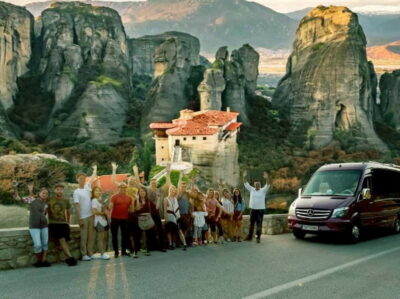
Meteora Monasteries Day Trip with Caves and Lunch
Read our review →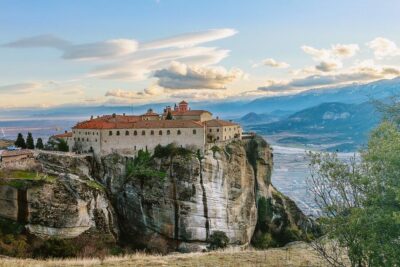
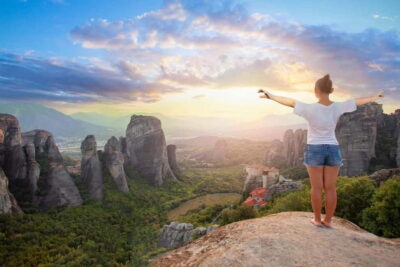
Athens to Meteora: Monasteries, Caves & Seaside Stopovers
Read our review →
Full-Day Meteora Tour with Local Guide & Greek Lunch
Read our review →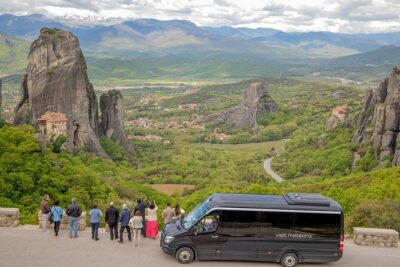
Meteora Monasteries, Caves & Coastal Stopovers with Lunch
Read our review →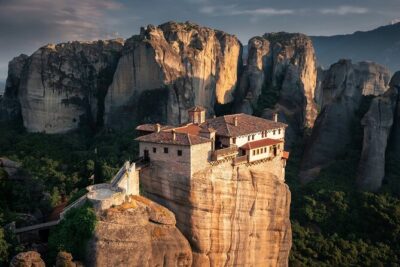
Meteora Monasteries & Caves DayTrip from Athens with Greek Lunch
Read our review →
4-Day Classical Greece Tour: Epidaurus, Mycenae, Olympia, Delphi, Meteora
Read our review →Browse the lists this tour appears in