
Reviewed · FOOD & DRINK
Chania Food Stories Half-Day Tour inc. tastings & drinks
Food and history in Chania, in four hours. You’ll start at Dimotiki Agora, sample Cretan staples like olives and honey, then finish with mezedes and local drinks while your guide threads the city’s Ottoman and Jewish past into everyday street life.
I especially like how this feels like a real start to your trip, not a checklist. You get plenty of tastings across multiple family-run places, plus a guide who can explain what you’re eating and why it matters to Cretans.
One thing to watch: if you have food allergies, double-check they’re recorded correctly. One guest reported that their allergies were not passed on in advance, and it made some tastings hard to adjust on the spot.
In This Review
- Key things to know before you go
- A market-first food walk that explains why Cretans eat this way
- Dimotiki Agora: 1913 tastings and Greek coffee with sweets
- Old Town backstreets, Ottoman and Jewish quarter stories
- Local craftsmen, handmade trades, and that knife-maker stop
- Venetian Harbor mezedes and the raki moment
- Splantzia: wine, tapas, and a quieter side of Chania
- What you actually get: tastings, drinks, and a real meal feel
- Price and value: why $117.31 can make sense in Chania
- Group size, timing, and how to pace yourself
- Pickup, meet-up, and what to do before you arrive
- Who should book this tour, and who might prefer another plan
- Should you book Chania Food Stories Half-Day Tour?
- FAQ
- How long is the Chania Food Stories Half-Day Tour?
- What time does the tour start?
- Where is the meeting point?
- Is pickup available?
- What food and drinks are included?
- Is the tour suitable for vegetarians?
- What if the weather is bad?
Key things to know before you go
- Market-first pacing: You begin at Dimotiki Agora, a laid-back food hub right between old and new Chania.
- Cretan tastings that go beyond snacks: You’ll try Greek coffee with sweets, olives and olive oil, and local mezedes with raki.
- History folded into real streets: Venetian and Ottoman monuments, plus the old Jewish quarter, show up as you walk.
- Craft stops can be part of the mix: You’ll meet local makers, including a traditional Cretan knife workshop.
- Small group, with occasional larger loads: The max is listed as 6, but at least one trip ran with 9.
- Splantzia adds a neighborhood feel: It’s a quieter area by the eastern Old Venetian Harbour where you sample more tapas and wine.
A market-first food walk that explains why Cretans eat this way

This tour works because it anchors you in the places food actually comes from. You’re not just tasting random bites. You’re walking through Chania’s food culture, then learning the human stories behind it, from Ottoman-era neighborhoods to the city’s Venetian harbor presence.
I like that the experience is built around family-owned shops and local trades. The tour format nudges you to notice details you’d otherwise speed past, like the way Chania’s Old Town is layered by centuries of different communities.
For you, the big payoff is practical knowledge. After four hours, you’ll know what to order, where to look for the real stuff, and how to ask questions in a way that earns a friendly response in local shops.
More Food Tours in Crete
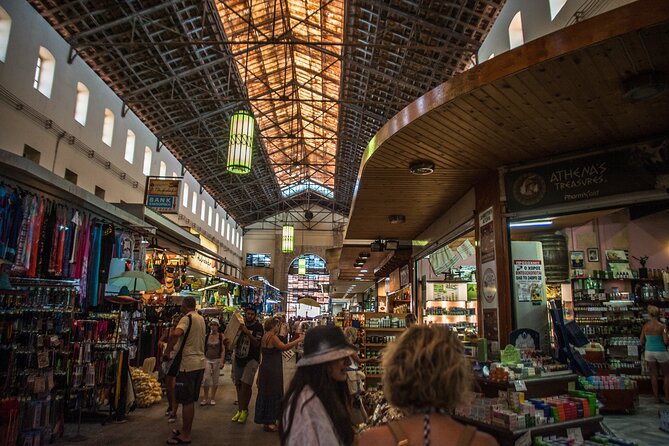
Dimotiki Agora: 1913 tastings and Greek coffee with sweets
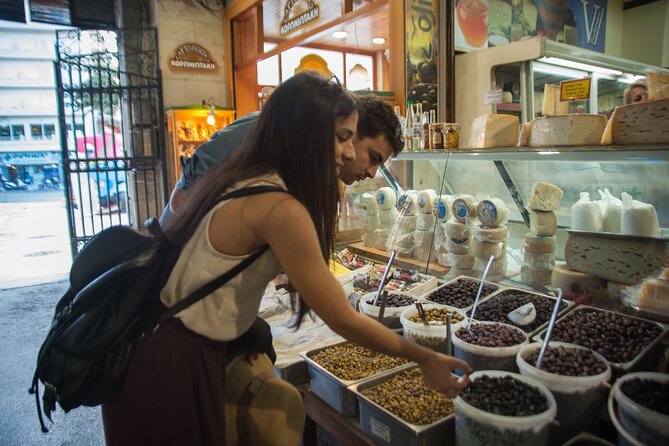
You begin at Dimotiki Agora, the Municipal Market of Chania. It sits right at the boundary between old and new town, and it has a strong sense of daily rhythm. The market was established in 1913, the year Crete unified with Greece, which gives your first stop an extra layer beyond “food shopping.”
Expect a gentle start: you’ll stroll through market aisles and sample local products from more than 70 family-owned businesses. The tastings are the point here. You’ll try flavors that define Crete’s everyday table, including olives, honey, and olive oil.
Then comes the classic Greek coffee moment with local sweets. It’s a small stop, but it matters because it sets the tone for the rest of the walk. You’re fueled, you’re curious, and your guide can connect the taste to the traditions behind it.
If you get motion sickness or heat fatigue easily, this market opening is helpful because it’s not a long hard push right away. You ease in, then build momentum.
Old Town backstreets, Ottoman and Jewish quarter stories
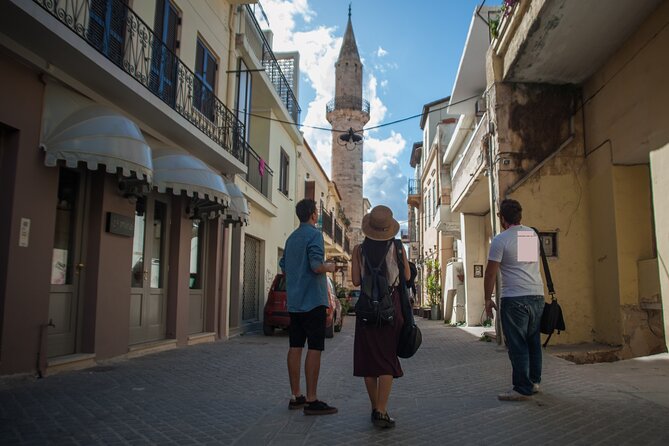
After the market, the tour shifts into walking mode through the Old Town. This is where Chania’s “crossroad” identity shows up. You’ll pass Venetian and Ottoman monuments, slip through narrow lanes, and learn how different eras shaped the city’s layout and daily life.
I like the way the guide uses stories to make the geography stick. Instead of naming streets for the sake of it, you connect what you see with people and roles: sailors, merchants, and artists, plus the way kings and lovers show up in local myths.
The tour also includes time around the old Jewish and Ottoman neighborhoods. That portion is valuable because it helps you understand Chania as a layered city, not one uniform snapshot. You’ll walk with context in your head, so the architecture and street corners feel like clues, not decoration.
One more practical note: old streets can mean uneven pavement. Nothing extreme is implied, but wear comfortable shoes. You’ll be glad you did once the walking adds up.
Local craftsmen, handmade trades, and that knife-maker stop
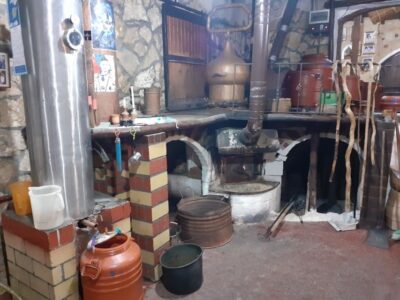
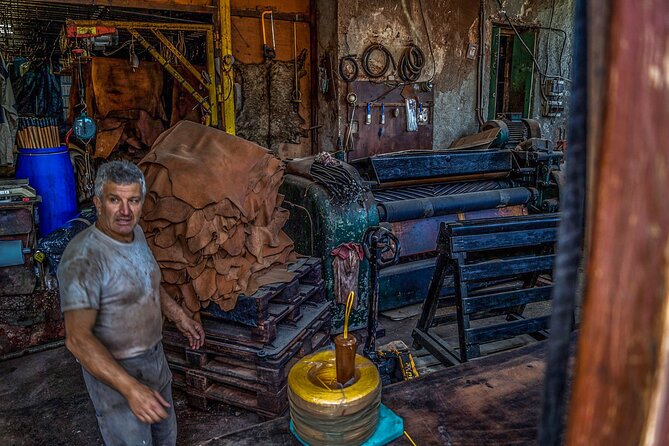
One of the best parts of this kind of food tour is when it shows you the supply chain. Here, that happens through local craftsmen producing handmade products. Your guide may stop you to watch a maker at work, then explain how the tradition continues.
There’s also a visit to one of the last remaining workshops tied to traditional handmade Cretan knives. The tour includes the stories behind the tradition, told by the knife maker. Even if you’re not shopping for a souvenir blade, this is the moment that helps you understand why food culture is linked to craft culture.
I’ve found that trade stops make tastings more satisfying. Once you know how a community makes something by hand, you’re more likely to notice the human effort behind what you’re eating, whether it’s the way olive oil is handled or how cheeses are aged.
If you’re traveling with kids or you just want something visually engaging between tastings, craft stops are a smart breather.
Venetian Harbor mezedes and the raki moment
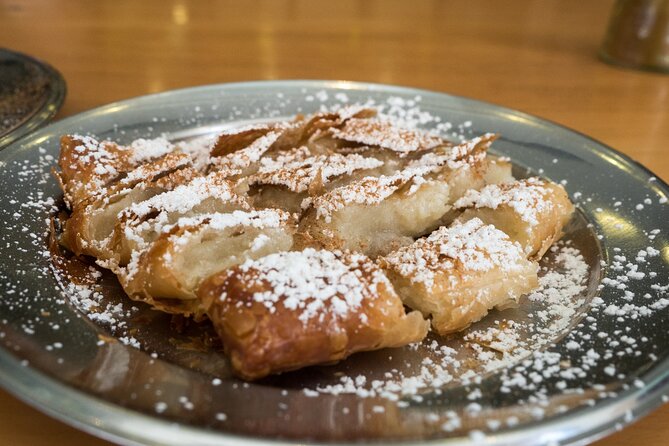
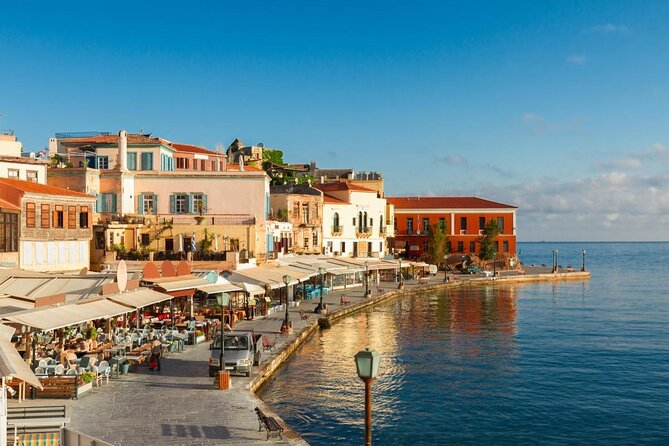
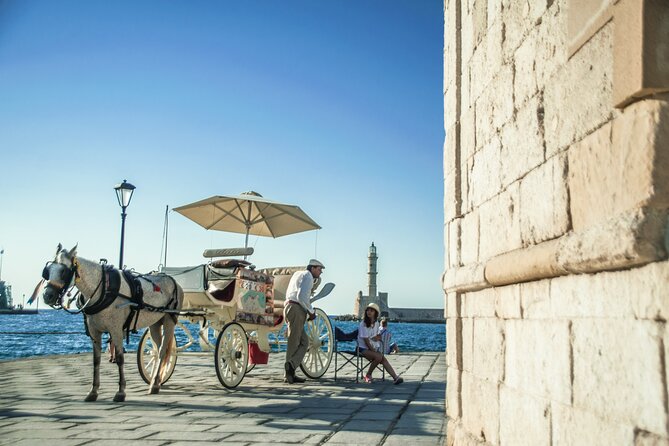
Eventually, you reach the Old Venetian Harbour area. This part of the walk pays off because you go from tight lanes to open promenade space. Expect a relaxed stop, where you sit down and refuel properly.
You’ll enjoy Cretan mezedes, local tapas-style bites. Along with the food, the tour includes alcoholic beverages, including raki. This is one of those “now you get it” moments. After earlier tastings like coffee sweets and olive-based flavors, mezedes feel like a full course, not a random nibble.
A couple of the best guide-led experiences described in the field are about the quality of the final sit-down, including a quiet courtyard feeling. If your guide sets you up in a comfortable place to talk and taste, the whole tour clicks into place.
If you’re the type who likes to make a plan for dinner, use this stop as your tasting reference. The mezedes are basically a tasting map for what you can order later on your own.
More of Greece at the taverna table:
- Crete: Sunset or Morning Quad with Local Products Tasting
★ 4.9 · 1,135 reviews - Crete: Quad Safari, Olive Mill with Tasting & Ghost Village
★ 4.9 · 1,004 reviews - From Chania: Olive Oil, Wine, Cheese & Honey Tasting Tour
★ 4.6 · 490 reviews - From Chania: Wine and Olive Oil Tasting Tour with Snacks
★ 4.8 · 354 reviews
Splantzia: wine, tapas, and a quieter side of Chania
The last food-focused stop is Splantzia, a neighborhood located south of the eastern part of the Old Venetian Harbour. It’s described as known mostly to locals and well-informed travelers, and the vibe here is the goal.
You’ll sample local tapas and wine. Think of this as the tour’s final “taste crescendo,” after you’ve already seen the main sights and anchored your day in market and Old Town flavors.
Why this neighborhood stop is worth caring about: it gives you a sense of Chania that doesn’t revolve solely around the most crowded harbor viewpoints. When you later wander on your own, you’ll have a mental picture of where locals go for food and conversation.
Practical tip: if you’re sensitive to strong alcohol, take small sips. The tour includes alcoholic beverages, but it’s still a walking day afterward, so pace yourself.
What you actually get: tastings, drinks, and a real meal feel
Here’s what’s included, and why it adds up to real value.
You’ll taste:
- Traditional Greek coffee with local sweets
- Local products such as olives, honey, and olive oil
- Local mezedes and raki
- Additional lunch and snacks
- Coffee and tea
- Alcoholic beverages (including raki, and wine later)
You also get the benefit of eating in small portions across multiple places. That’s often more useful than one big meal, because you sample a range of flavors and then learn which ones you want to return to during the rest of your trip.
One reason this tour tends to feel “worth it” to people is that the food count surprises them. It’s easy to assume it’s just snacks. But the structure includes a lunch finish and enough variety that you don’t feel underfed.
There’s also a community angle that matters. You meet local greengrocers, cheesemongers, butchers, and fishmongers, and you visit family-owned businesses selling Cretan-only products. That means your money supports the people behind the ingredients, not just a generic tourist menu.
Vegetarians are welcome. If you’re vegan, the tour notes that they’ll handle needs unless you suffer from multiple combined food allergies, or unless you are vegan. If you’re in either of those categories, communicate clearly before you go.
Price and value: why $117.31 can make sense in Chania
At $117.31 per person for roughly four hours, you’re paying for three things at once: guided walking, guided tastings, and food that covers a meaningful part of your meal plan.
If you tried to recreate this yourself, you’d likely end up spending time and money just figuring out where to go and what’s worth ordering. This tour compresses that trial-and-error. You show up at a market, you taste multiple local products, and you end with mezedes plus drinks.
You’re also buying expertise. Guides such as Ioannis Stavridis, Manos, Adonis, Elena, and Yiannis come up in different experiences, and the shared theme is storytelling plus practical recommendations. Even if you’re not a history buff, you’ll benefit from knowing what you’re eating and why it’s local.
Is it expensive compared to a casual stroll with snacks? Yes. But it’s usually cheaper than piecing together multiple paid stops plus a proper lunch, and it saves you time during the part of your trip when you most want orientation.
Group size, timing, and how to pace yourself
The tour is about four hours and starts at 9:30 am. That early start helps because you’re more likely to beat the worst heat. One guest specifically called out that it was very hot and that water helped, which is exactly the kind of day Chania can deliver in summer.
The max group size is listed as 6 travelers, which is great for conversation and food questions. At the same time, one experience described a group of 9, mostly from a cruise. That tells you that on some days the tour can run larger than the ideal. If you hate crowds, choose a weekday if you can, or book early in the morning.
Walking is described as easy paced in the overall experience. Still, you’ll be on foot through Old Town streets. Wear comfortable shoes and plan to take your time at tastings, not just rush to “collect samples.”
Pickup, meet-up, and what to do before you arrive
Meeting point is Kydon, The Heart City Hotel, at Platia Sof. Venizelou and Staratigoy Tzanakaki 2 in Chania. The tour starts at 9:30 am and ends back at the meeting point.
Pickup is offered for the private group option. Pickup time is adjustable based on your request, and your guide holds a sign with your name. For the small group option, hotel pick-up is excluded, so you’ll likely need to arrive at the meeting point on your own.
Two practical moves:
- If you have allergies, confirm them during booking and again the day before, so the guide can plan substitutions.
- Bring a refillable water bottle if you’re visiting in hotter months. You’ll likely appreciate it.
And yes, service animals are allowed. That’s useful to know if you travel with support animals.
Who should book this tour, and who might prefer another plan
This tour is a strong fit for:
- Food-first travelers who want local shops, not just big-name spots
- First-time Chania visitors who want quick orientation through the Old Town
- People who like history that shows up as real street context, not lectures
- Vegetarians, since they’re welcomed on all tours
It might be less ideal if:
- You have very complex food allergies, especially multiple combined allergies, since accommodations can be harder when needs are complicated
- You dislike alcohol tastings and want a completely alcohol-free itinerary (the tour includes alcoholic beverages)
- You want a purely sightseeing tour without food stops, since tastings and lunch are central
If you love talking with guides and comparing flavors, you’ll likely leave with practical “order this, skip that” instincts.
Should you book Chania Food Stories Half-Day Tour?
If you’re choosing between a casual self-guided day and a structured food walk, I’d book this when you want both Chania orientation and a serious sampling of Cretan flavors in one half-day window.
You should book it if:
- You want to start your trip with market tastings plus a sit-down mezedes meal
- You care about how Chania’s Ottoman and Jewish neighborhoods shaped the city you’re walking through
- You like small-group attention and guide-driven recommendations
Skip it or switch plans if:
- You have tricky allergy needs and you can’t confirm your accommodations clearly
- You strongly prefer non-alcoholic-only tastings
- You’re traveling in a way where walking through Old Town streets is tough for you
For most people, this is a good value bet because it gives you time-saved planning and a meal-worth of variety, all wrapped in a genuinely local-feeling route.
FAQ
How long is the Chania Food Stories Half-Day Tour?
It runs for about 4 hours.
What time does the tour start?
The start time is 9:30 am.
Where is the meeting point?
You meet at Kydon, The Heart City Hotel, in Chania (Platia Sof. Venizelou area, with the address listed as Staratigoy Tzanakaki 2).
Is pickup available?
Pickup is offered for the private group option. For small group tours, hotel pick-up is excluded. If pickup is arranged, your guide will meet you holding a sign with your name.
What food and drinks are included?
Included tastings cover traditional Greek coffee with sweets, local products like olives, honey, and olive oil, plus local mezedes. The tour also includes lunch, snacks, coffee, tea, and alcoholic beverages (including raki and wine).
Is the tour suitable for vegetarians?
Yes. Vegetarians are welcome on all tours.
What if the weather is bad?
The experience requires good weather. If it’s canceled due to poor weather, you’ll be offered a different date or a full refund.
More Food in Crete
New pins on the Crete chart
- Guided Tour to Knossos Palace & Heraklion★ 4.0 · 83 reviews
- Richtis Waterfall, History, Azoria, OliveTasting, NorthCoast★ 5.0 · 83 reviews
- Spectacular Dinner-Show★ 5.0 · 84 reviews
- Quad Safari Off-Road Evening Tour★ 5.0 · 84 reviews
- From KAVROS/GEORGIOUPOLIS : Elafonisi Island Pink Sand Beach★ 4.2 · 84 reviews
- Small-Group Honey & Extra Virgin Olive Oil Tasting Tour in Crete★ 5.0 · 85 reviews
Food & Drink, compared.

Top Sights Day Trip, Wine Tasting, & Oia Sunset
Read our review →
Small Group Greek Traditional Food Tour in Athens 20+ Tastings
Read our review →
Santorini Wine Stories: Sunset Tour with Tasting & Dinner
Read our review →
Sunset or Morning Quad with Local Products Tasting
Read our review →Browse the lists this tour appears in