Reviewed · THINGS TO DO IN CRETE
Chania: Imbros Gorge and Libyan Sea Day Tour
Imbros Gorge and a Libyan Sea swim is a great combo. This Chania day tour pairs a guided hike through Crete’s second-longest gorge with time to hang out by the water, plus stops that make the rock walls feel like more than just scenery. I love the expert guide for turning the hike into something you understand, and I love the practical way the day ends with a real cooldown in the sea. The one thing to consider is that the drive time can run long depending on your pickup spot and how the bus routing lines up.
You’ll be picked up from many Chania-area neighborhoods, then bused toward the eastern White Mountains. Once you reach the gorge area, the walking is relatively manageable, but it still asks for good footwear and a steady pace through rocky, sandy stretches.
If you want a day that feels active but not exhausting, this is a solid value choice at about $36 per person. Just be ready for a long day, and plan your swim and snacks smartly because some parts of the day are not built around a long lunch sit-down.
In This Review
- Key things to know before you go
- Walking Imbros Gorge from Chania, then cooling off by the Libyan Sea
- The bus ride in practice: long day, lots of Chania pickup points
- Entering the Imbros Gorge: what the 3-hour hike feels like
- The gorge highlights: Stenada, Mesofarango, and Xepitira Arch
- How much guidance you get once you start walking
- Exiting at Komitades: the shift from hike mode to sea-time mode
- Chora Sfakion free time: use it for food and a breather
- The Libyan Sea swim stop: bring swimwear and think about sand
- What about lunch and drinks?
- Price and value: why $36 can make sense, and where costs add up
- Who this tour suits best, and who should skip it
- Tips that make the day smoother (and more fun)
- Guide and atmosphere: English narration, Athina-style storytelling
- The biggest drawbacks to plan around
- Should you book the Chania Imbros Gorge and Libyan Sea day tour?
Key things to know before you go
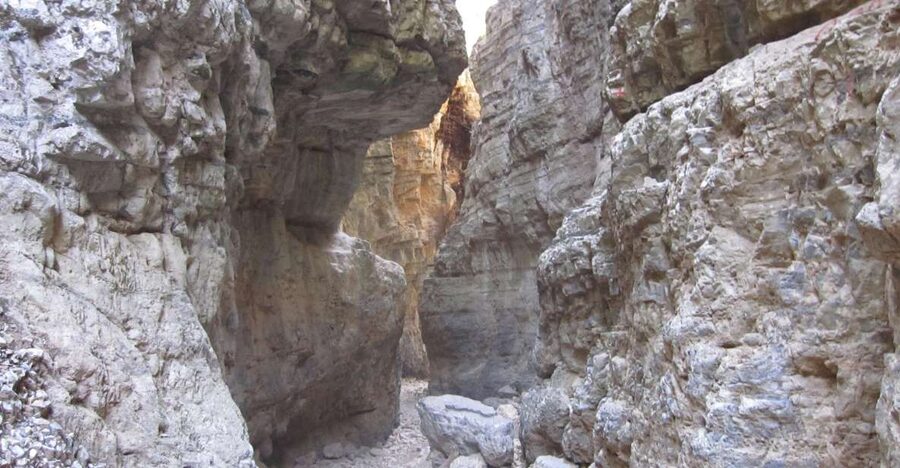
- Imbros Gorge, with expert commentary: You hike about 3 hours and learn what you’re looking at as the gorge narrows.
- Photo-worthy stops inside the gorge: You’ll see places like the Stenada, Mesofarango, and Xepitira Arch on the descent.
- Komitades to Chora Sfakion switch-up: After exiting at Komitades, you’ll transfer and get free time by the sea in Chora Sfakion.
- Libyan Sea swim time: You get a south-coast stop for a swim, and the water can feel wonderfully warm in the right season.
- What you bring matters: Good shoes are non-negotiable, and swimwear helps even if the gorge is the main event.
- Time is shared, not unlimited: Depending on the pace and any group timing, your beach time can feel tight.
Walking Imbros Gorge from Chania, then cooling off by the Libyan Sea
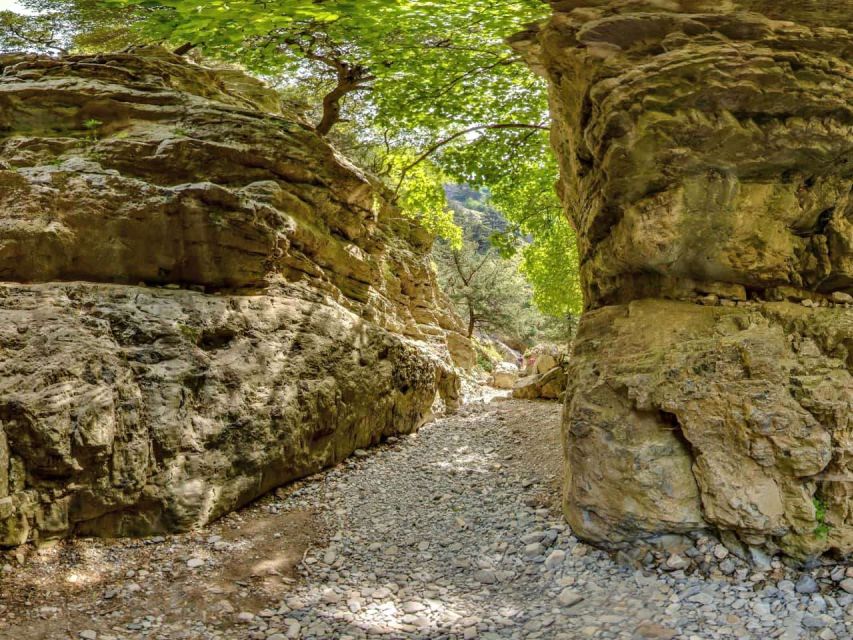
This tour is the kind of day I like in Crete: you get the dramatic part first, then you cash out with an easy-feeling finish. Imbros Gorge is known for narrow passages and big, strange rock shapes. It’s also long enough to feel like a real hike, but the experience is organized so you are not grinding for hours with zero structure.
What makes it work for most people is the mix of “guided meaning” and “your own breathing room.” The guide helps you connect the dots as you move through the gorge. Then, once you exit and reach the south coast, you shift into a slower mode: café seating, a sea view, and a swim break.
The schedule is built around three phases: the gorge hike, free time around Chora Sfakion, and a beach stop for the Libyan Sea. That matters because the gorge is the hard sell part of the day, and you want the cool-down to feel earned, not rushed.
More Things to Do in Crete
The bus ride in practice: long day, lots of Chania pickup points
The tour runs about 8 hours on paper, but the real variable is your pickup and drop-off location. The pickup list is wide, covering much of the Chania area (Perivolia, Halepa, Chania center, Nea Chora, Agioi Apostoloi, Daratso, Galatas, Stalos, Agia Marina, Platanias, and more). Pickup starts up to 90 minutes before the tour start time, depending on where you’re staying.
Here’s the practical advice: if you are near the edge of the pickup zones, you might be earlier to depart and later to return. In at least a few cases, people reported closer to a 10-hour day on the road when they were among the first picked up and last dropped off.
Good news: the bus ride is part of the deal, and some people specifically noted that the coach felt comfortable and cool. Still, bring patience, water, and the mindset that you are trading city convenience for a countryside gorge day.
Entering the Imbros Gorge: what the 3-hour hike feels like
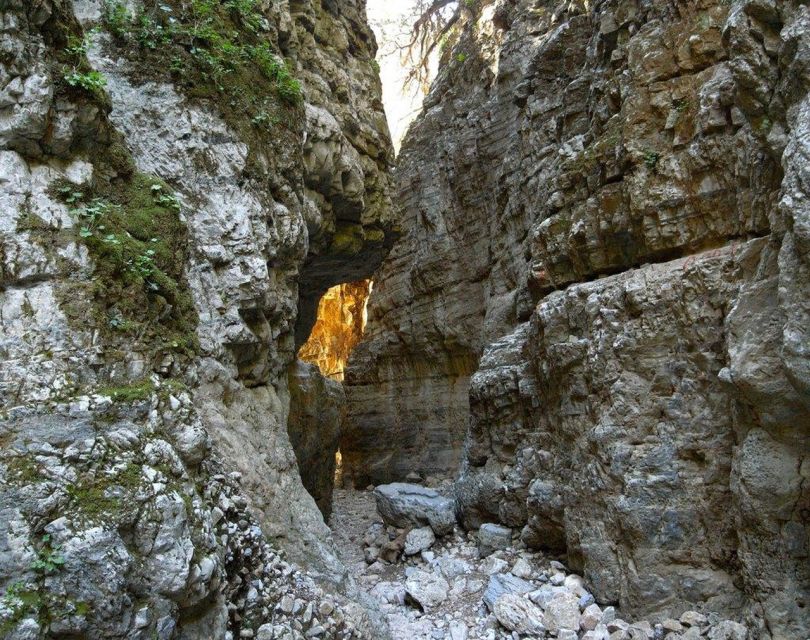
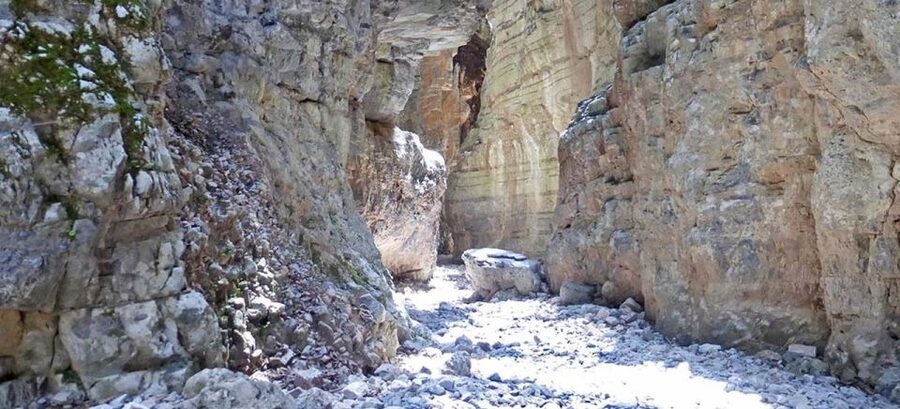
Imbros Gorge is often described as Crete’s second-longest gorge. On this tour, you walk for around 3 hours through narrow passages and rocky formations. The pace is described as easy, but that word can fool people. Easy is about effort level, not about footing.
The gorge walk is rocky and sandy in sections. You’ll want shoes you trust on uneven ground. One helpful review-style tip I would follow: don’t count on sneakers being “fine” if they’re soft or slippery. A hiking shoe with grip makes a huge difference once the ground turns sandy and the trail gets uneven. By the end, it’s normal for knees and ankles to feel it, especially if you’re not used to descending.
What I like about the way this walk is structured is that you are not just left to “go explore.” You get an expert guide for the hike, and you are taught about the area while you move. That means you can pay attention to the details instead of only watching your feet.
The gorge highlights: Stenada, Mesofarango, and Xepitira Arch
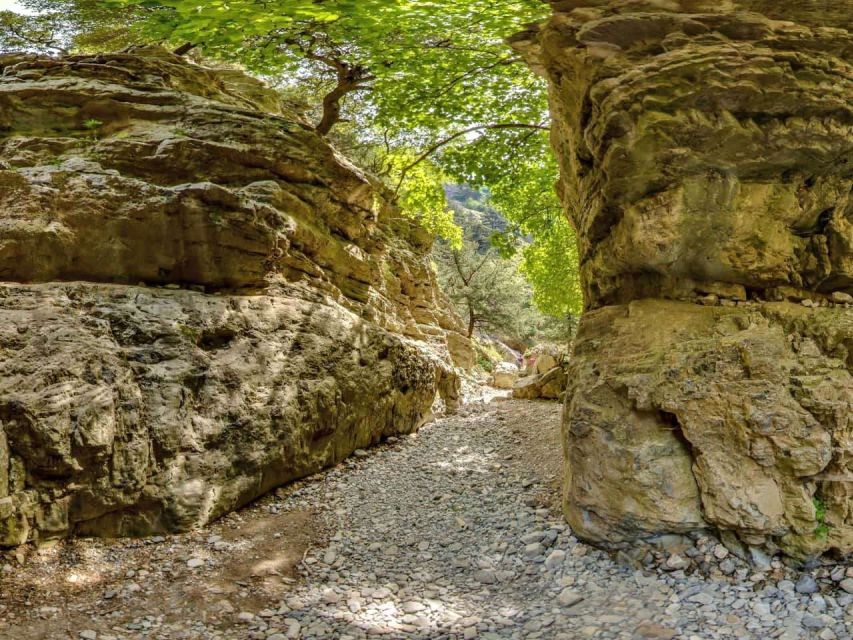
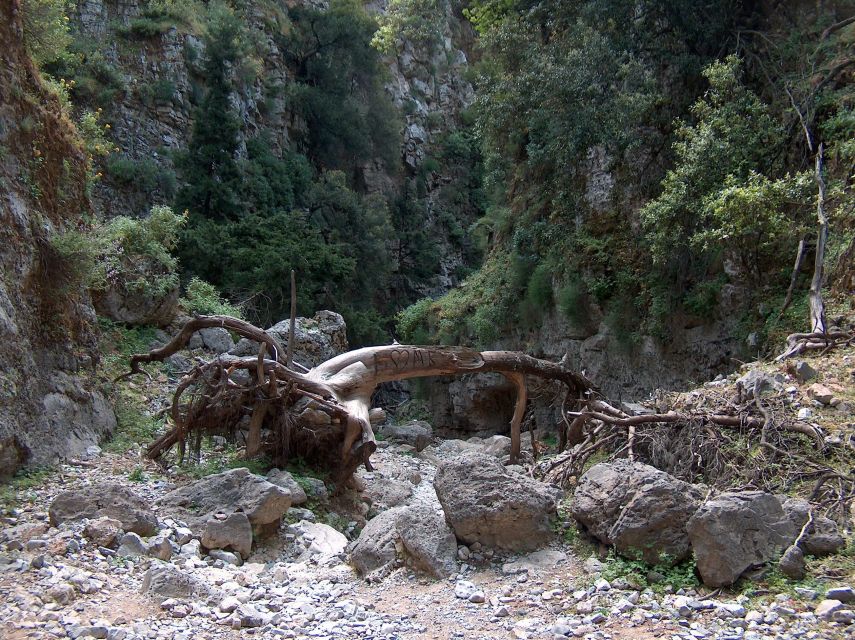
As you descend, you pass several named points that make the gorge feel more specific and less like one long canyon. You’ll see the Stenada, Mesofarango, and Xepitira Arch. Even if you’re not a geology nerd, these names help you remember the route and understand that the gorge has distinct sections.
Think of these stops as “photo targets with meaning.” They’re the kind of places where you naturally pause, look up at the walls, and realize the rock shapes are not random. One of the best parts of a guided gorge walk is this moment where you start noticing how water and time carved the space.
Also, Imbros is less about crowds and more about the experience of moving through the rock. If your idea of a good day is views plus quiet time, this fits.
How much guidance you get once you start walking
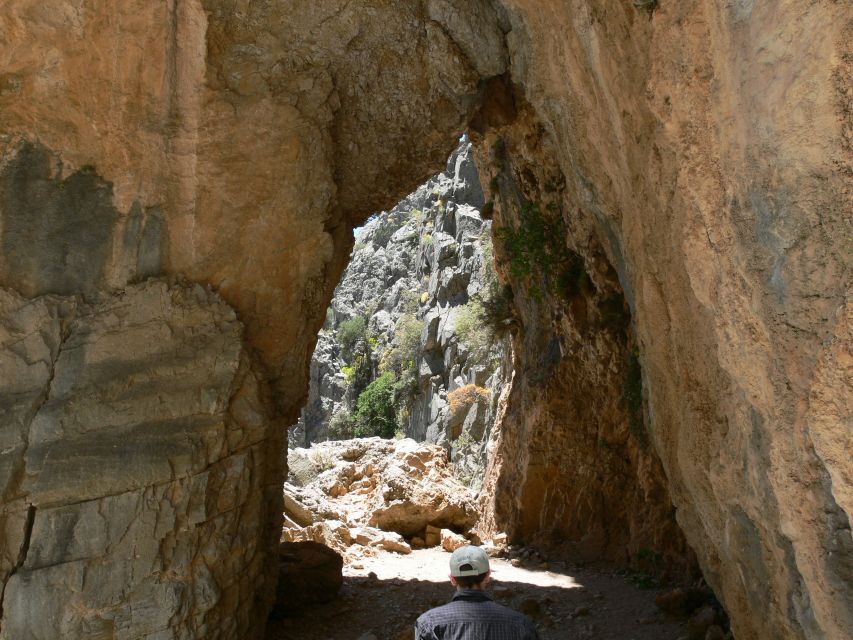
You will have a live, English-speaking guide. The guide is there to explain what you’re seeing and to help you navigate the gorge. At the same time, the walking itself is not a “stop every 20 seconds” show. Expect stretches where you keep moving with the group while you take in the gorge at your own pace.
That balance is good for you if you like to breathe and focus on your footing, but it also means you should manage your pace. If you are a slower walker, build a buffer. One participant described having time that felt close if you go slowly, so don’t assume you’ll have endless room to rest, snack, and linger.
One cove over in Crete:
- Agios Nikolaos: Boat Trip to Spinalonga with Swim Stop
★ 4.4 · 3,031 reviews - Heraklion: Dia Island Sailboat Cruise with Swimming and Meal
★ 4.8 · 2,579 reviews - Crete: Knossos Palace Entry Ticket with Optional Audio Guide
★ 3.9 · 2,251 reviews - Heraklion Area: CRETAquarium Admission Ticket
★ 4.4 · 2,055 reviews
Exiting at Komitades: the shift from hike mode to sea-time mode
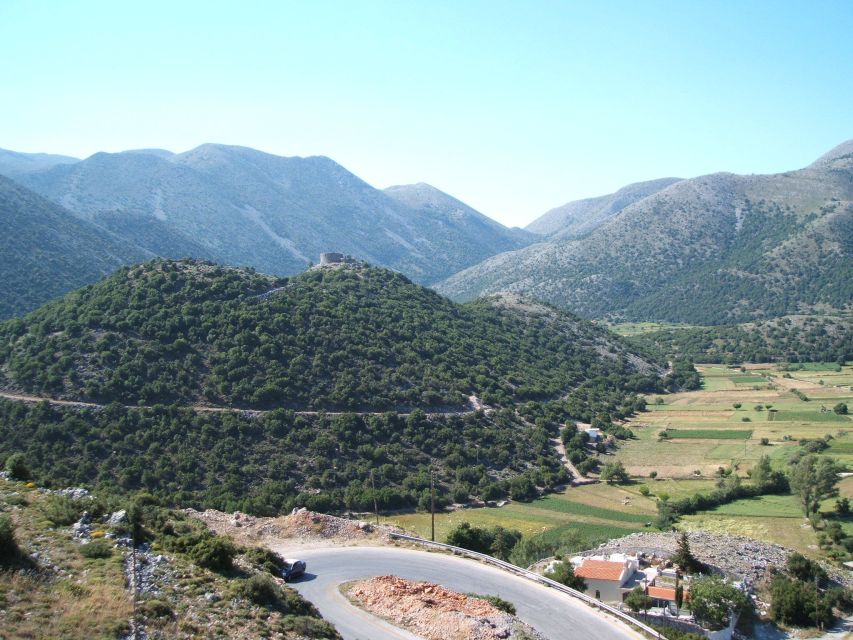
When you reach the end of the gorge, you exit at Komitades village. At that point, a bus waits to move you to Chora Sfakion for free time.
This transfer is important because it changes the vibe quickly. Instead of rock walls, you get village atmosphere, tavern seating, and sea views. It’s the kind of break that helps your body recover from the descent, and it also gives you flexibility. You can pick a café, eat a snack, or just sit and watch boats.
The drawback? Time is shared with the next stop. Some people found that if the pacing inside the gorge runs slow, beach time afterwards can feel limited. So if swimming is the priority, you might treat the Chora Sfakion break as “eat and reset” rather than “linger for hours.”
Chora Sfakion free time: use it for food and a breather
Chora Sfakion is where you can slow down and regroup. You’ll have free time at taverns or cafés overlooking the sea. This is also a good moment to top up your energy. The tour does not list traditional lunch as included, so plan on eating either at taverns during free time or at the south-coast stop.
What’s worth knowing: some participants described Chora Sfakion itself as small. That can be fine. It often means less wandering, more sitting. If you want a big-town experience, this isn’t that kind of stop. If you want a relaxed seaside break, you’ll likely enjoy it.
The Libyan Sea swim stop: bring swimwear and think about sand
After Chora Sfakion, you continue by bus to the south coast for a swim in the Libyan Sea. This is one of the reasons the tour feels satisfying. The gorge asks for effort. The sea gives it back to you.
Here’s the practical part: bring swimwear. One person pointed out that it wasn’t clear you could bring bathing clothes, and the solution is easy. You can plan to have swimwear in your day bag for the beach stop, and the gorge itself does not have to be your swimwear carrying journey.
Also, sand temperature can be brutal. Even if you don’t get blistered, your feet will notice. A useful tip from earlier participants: wear beach shoes if you have them, or at least pack sandals you can trust for hot sand.
One more detail to keep your expectations grounded: not every beach stop is a pristine postcard. At least one review said the beach was small and a bit dirty, but it was still enough time to eat and relax. So think of the swim as a real cooldown, not a luxury beach day.
What about lunch and drinks?
The tour data indicates that food and drinks are not included, and it also lists traditional lunch as not included. In real life, that usually means you’ll buy your meal during the time you have in villages and at the beach stop.
Some people reported getting lunch at a tavern and felt it was tasty and good value. That’s exactly how I would approach this day. You are paying for transport, guided gorge time, and the structured stops. You then use local taverns and cafés for your actual meals.
If you want a smoother day, eat small and often. The gorge is not the place for rushing a sandwich with sweaty hands. Bring water (the tour suggests it), and plan to eat when you’re stationary.
Price and value: why $36 can make sense, and where costs add up
At about $36 per person, this tour can be good value if you count what’s included: hotel pickup and drop-off across many Chania neighborhoods, a bus ticket, guided tour time through the gorge, fuel surcharge, and landing and facility fees. That removes a lot of planning stress.
But you should also budget for the extras:
- Gorge entrance fee is listed as €5 (not included).
- Food and drinks are not included.
- The traditional lunch is not included.
If you compare this to doing the trip on your own, you’re basically paying for the logistics, not just the hiking. And in Crete, logistics can be the difference between enjoying a day and spending your time on transfers and figuring out schedules.
So my honest take: it’s a fair price for a guided gorge day plus a sea swim stop, as long as you’re ready for the extra on-site costs and you don’t require a fully included lunch.
Who this tour suits best, and who should skip it
This tour is described as suitable for children because the walk is relatively easy. Still, the footing is rocky and sandy, so kids need good footwear and a willingness to stay focused on safe steps.
It’s a good fit for you if:
- You want to see a gorge without making it a grueling all-day expedition.
- You like guided context while hiking, not only “go and find your own way.”
- You enjoy finishing the day with a swim and a relaxed village break.
It may not be a good fit if you:
- Have back problems, heart problems, or other mobility limitations.
- Are pregnant.
- Use a wheelchair.
That’s not about “toughing it out.” It’s about the nature of gorge walking and the way the day is structured around stairs, uneven paths, and time on foot.
Tips that make the day smoother (and more fun)
A good day in the Imbros Gorge is mostly about prep. Here’s what I would do with the info you have:
- Wear proper shoes with grip. Plan for rocky, sandy sections and a long descent.
- Bring swimwear even if it feels like an afterthought. The day includes a Libyan Sea swim stop.
- Pack sunscreen and a hat, because the hike and beach time can both catch sun.
- Bring water. The tour tells you to, and you’ll appreciate it once you start descending.
- Confirm your exact pickup point and time when you book. Some people reported confusion and had to run to catch the bus, so double-check the email notice.
If your goal is photos, also remember that you’ll be stopping at named points like the Stenada and Xepitira Arch. A small camera setup beats a big bag on uneven ground.
Guide and atmosphere: English narration, Athina-style storytelling
One name popped up clearly from earlier participants: Athina. She’s described as friendly and very informative, and that matters because a gorge hike becomes more memorable when you understand what you’re seeing.
Beyond that, the atmosphere feels like a well-paced day trip. The bus moves you between zones, the gorge gives you the big natural feature, and the sea stop gives you relief. It’s not a museum day. It’s active and practical, with enough time to breathe.
The biggest drawbacks to plan around
Let’s be straight about the possible downsides:
- Timing can be tight for slower walkers. If you need extra breaks, your beach or swimming window might shrink.
- The beach isn’t guaranteed to be perfect. Some people described it as small and not spotless, which can affect how much you enjoy laying out.
- Return logistics can shift. One participant described an issue with how another group was prioritized on the return, which caused extra waiting. That’s not a reason to avoid the tour, but it is a reason to keep your evening plans flexible.
- You might not get clear swimwear guidance unless you think ahead. So plan as if you will want to swim.
These are manageable issues. You just need the right expectations.
Should you book the Chania Imbros Gorge and Libyan Sea day tour?
I think you should book it if you want an active Crete day that doesn’t require renting a car or mastering complicated routes. The Imbros Gorge walk is the main event, and the combination with Chora Sfakion and a Libyan Sea swim makes the whole day feel balanced.
Skip it (or choose a different style of tour) if you:
- Struggle with uneven walking or have health concerns that make prolonged hiking risky.
- Hate long bus days and want a “spend most of the time at the destination” experience.
- Expect an all-in, meal-included, luxury beach finish.
If you are comfortable with a hike on rocky ground, you pack swimwear and sunscreen, and you keep your evening flexible for possible schedule drift, this tour is a strong way to experience Crete’s gorges and sea in one long, rewarding day.
New pins on the Crete chart
- Heraklion: Ecobike Tour with Food tasting★ 5.0 · 30 reviews
- HIDDEN GEMS – RICHTIS GORGE for nature lovers!★ 4.5 · 30 reviews
- Spinalonga & Agios Nikolaos with BBQ★ 4.5 · 30 reviews
- Heraklion Food Stories Walking Tour with 8 local-favorite stops★ 4.5 · 30 reviews
- Heraklion: Catamaran Cruise to Dia with Sunset, Meal & Bar★ 5.0 · 30 reviews
- Crete: Elafonisi – 4 hours in the beach★ 4.5 · 30 reviews
Things to Do in Crete, compared.
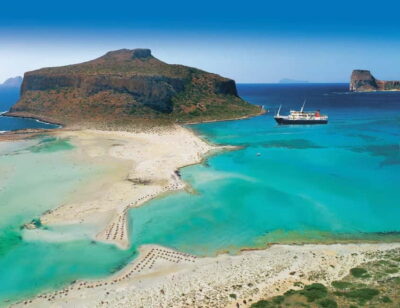
From Kissamos Port: Boat Cruise to Balos Lagoon & Gramvousa
Read our review →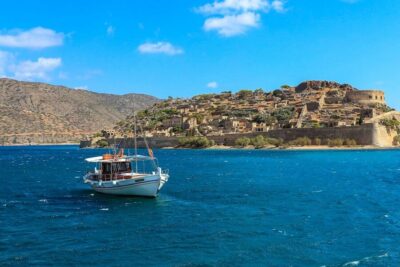
Day Trip to Agios Nikolaos and Spinalonga Island
Read our review →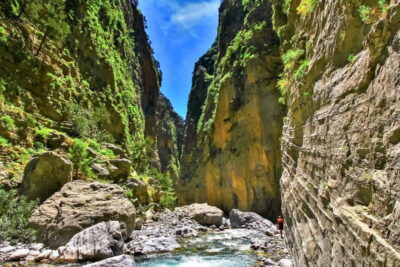
Full-Day Samaria Gorge Trek Excursion & Guide
Read our review →

Dia Island Sailboat Cruise with Swimming and Meal
Read our review →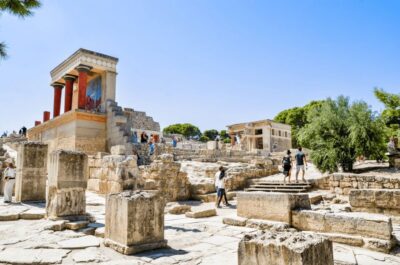
Knossos Palace Entry Ticket with Optional Audio Guide
Read our review →