
Reviewed · OLIVE FARM TOURS
Chania Sourdough Bread Class – Olive Oil Tasting
Sourdough, olive grove, and lunch, in one half-day. This Chania class turns sourdough bread making into a full Crete food story, starting with a warm welcome and ending with your loaf paired with herb-flavored extra-virgin olive oil. I like how hands-on the lesson is, then how quickly it turns into sightseeing and tasting.
Next, you get a real olive oil tasting moment, not just a sip and a shrug. Between the olive grove stop, the herb mixing talk, and the long sit-down meal, you learn how the ingredients connect, tomato and cucumber in the salad, olives and seeds inside your bread, and wine at the table.
One thing to consider: it is an outdoors-heavy experience, so plan around good weather, and factor in that pickup costs extra depending on where you are staying.
In This Review
- Key Things to Know Before You Go
- Where Chania Cooking Class Starts (Nerokouros) and How the Evening Flows
- Welcome Refreshments and the Bread Plan You Can Actually Follow
- Mixing Your Loaf, Adding Fill-Ins, and Waiting for the Dough to Rest
- Olive Grove Walk and Harvesting Basics, Plus Herb Oil Secrets
- From Farm Veggies to Cretan Salad, Fava, and Side Dishes
- The Brick Oven Moment, Then Eating at the Family Table
- Olive Oil Tasting Like a Pro, Without Pretending You Are One
- Price and Value: What $108.13 Buys in Real Food Time
- Who This Sourdough and Olive Oil Class Suits Best
- Practical Tips So You Get the Most From the Day
- Should You Book This Chania Sourdough Bread and Olive Oil Class?
Key Things to Know Before You Go
- Hands-on sourdough shaping where you mix, customize, rest, and bake your own loaf
- Olive grove visit plus harvesting basics tied directly to what you taste afterward
- Herb-infused extra-virgin olive oil mixing and tasting, with real flavor comparisons
- Farm-to-table style meal flow including Cretan salad and other seasonal sides
- Small group size up to 16 with semi-private transport (9-seat van and an EV)
- Built for food lovers who enjoy wine and dessert including Greek yoghurt with spoon sweet
Where Chania Cooking Class Starts (Nerokouros) and How the Evening Flows
The class meets at Chania Cooking Class in the Nerokouros area. If you are staying nearby, that is convenient. If not, the transfer is available with an extra fee based on your location, and transport is semi-private, meaning you may ride with other people who are booked for the same activity.
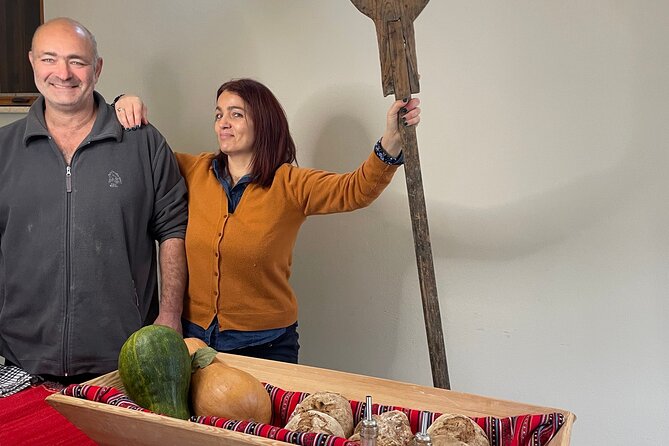
Once you arrive, you are greeted with a homemade refreshment or a Greek coffee from the hostess. While you are drinking and snacking on cookies, you get the first taste of the lesson plan, including what the sourdough process will cover and what the group will do next. It sets the tone fast, warm and practical, not stiff or scripted.
With about 4 hours on the clock, you are not signing up for an all-day marathon. This matters, because you will still get a full lunch and multiple tasting moments without rushing between unrelated stops.
More olive groves at pressing time:
Welcome Refreshments and the Bread Plan You Can Actually Follow
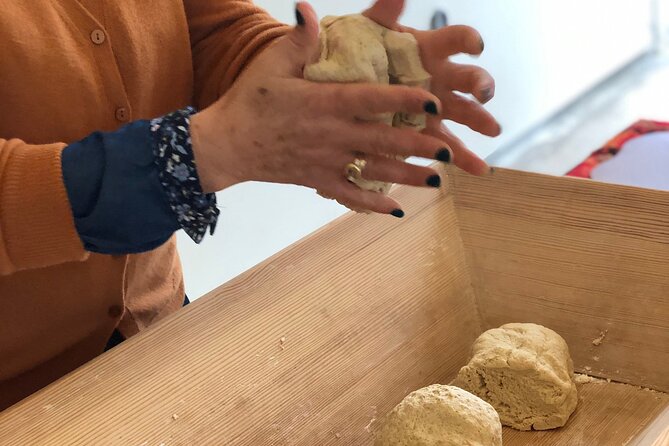
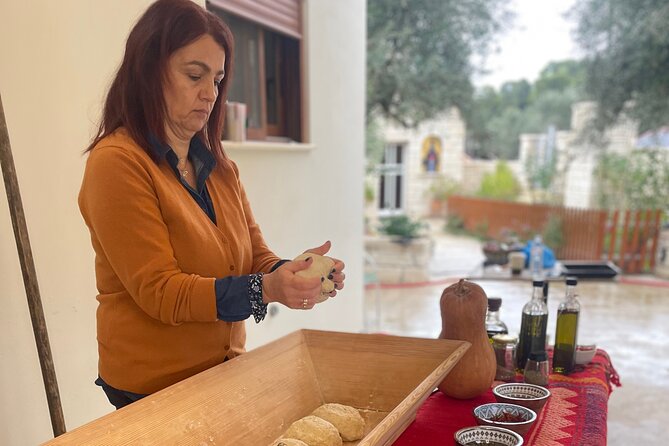
I like that the bread-making part is structured. You start by learning about the sourdough bread making procedure, then you move into the hands-on work right after.
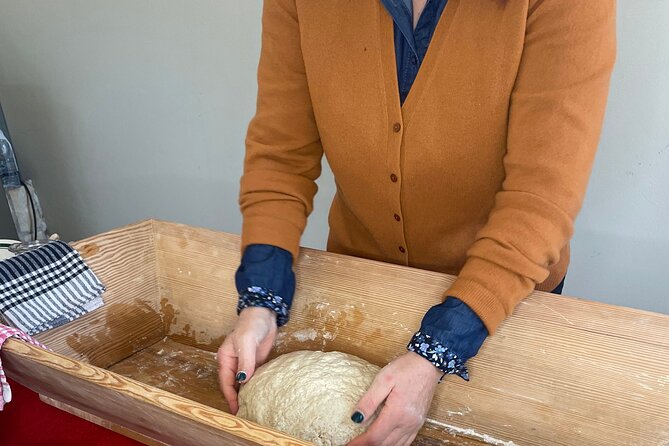
First comes the prep stage, where you mix the ingredients to prepare the dough. That is the backbone of the session. If you have only ever bought sourdough, this is where you see that it is equal parts patience and technique.
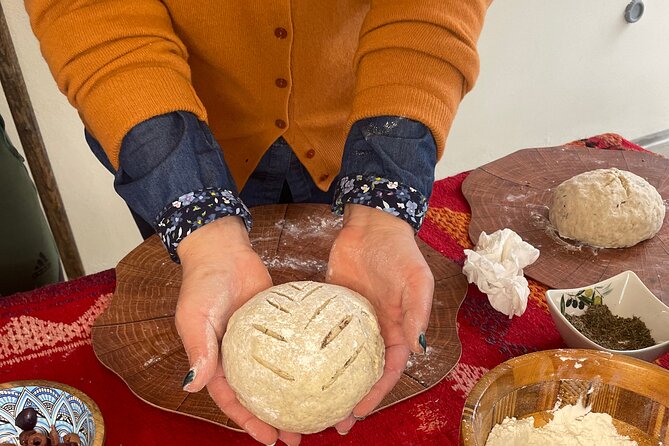
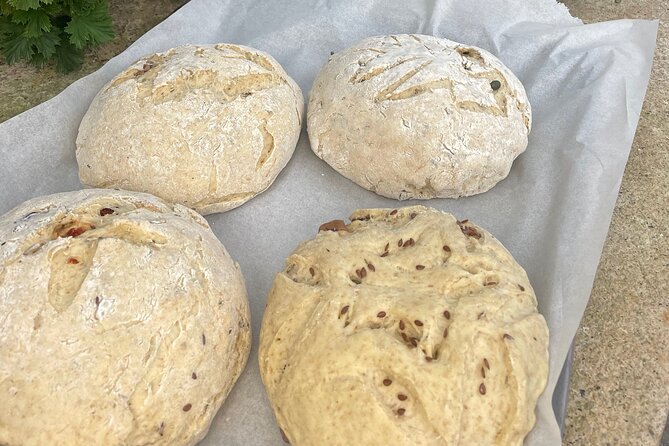
Then comes the fun part. Each person prepares their own loaf and can add extras inside the dough. Options include things like olives, sun-dried tomato, and seeds, so your bread turns into a personal project instead of a one-size-fits-all roll.
If you are the type who loves cooking but hates vague instructions, this setup is a good match. You are guided through the process, but you still make choices. That makes the results feel more yours when it comes out of the oven.
Mixing Your Loaf, Adding Fill-Ins, and Waiting for the Dough to Rest
Sourdough is all about what you do, then what you wait for. After the loafs are prepared, the dough needs time to rest. The class uses that waiting period smartly by sending you out for the olive grove and olive oil learning portion, instead of leaving you idle.
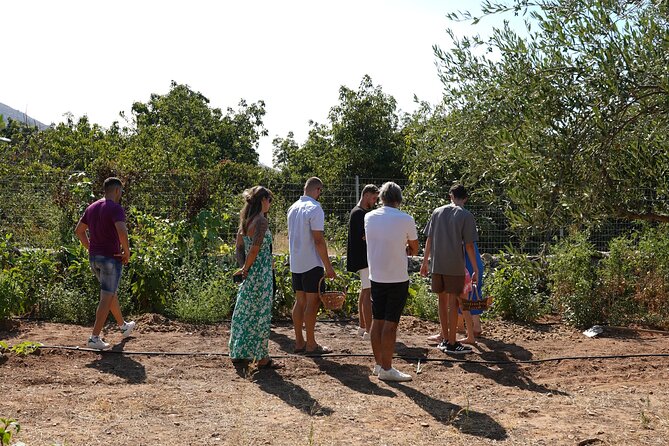
While your dough rests, you head to the olive grove. This is not a random detour. The point is to help you connect the flavors you will taste later with the real-life farm work behind them.
Back at the bread step, you will see how the added ingredients behave in the bake. Olives and herbs tend to bring salty, earthy notes, while sun-dried tomato adds a deeper sweetness. Seeds can add texture, but they also influence how the loaf feels on the inside, not just how it looks.
This is one of the best parts for food nerds. You get immediate feedback, because the oven time happens soon after you make your loaf, and the tasting is built into the meal.
Olive Grove Walk and Harvesting Basics, Plus Herb Oil Secrets
The olive grove visit is where this class earns its name. You do more than look at trees. You learn about the olive oil harvesting process and the secrets of mixing olive oil with herbs.
The guide-led pace matters here. You are not stuck listening for the whole stop. You walk around and hear how the trees are kept healthy and producing, which makes the grove feel like a living system instead of a photo backdrop.
You also learn how herb-flavored oil is made and why it tastes the way it does. The key idea you take home is simple: good oil and good herbs need the right pairing. Even if you never recreate the recipe at home, you understand the logic behind it, and that makes your tasting more meaningful.
This section also gives context for why the meal later works so well. Cretan salad tastes bright and clean partly because olive oil gives it that slow, rounded depth. Your bread works because olive oil gives the loaf a savory soundtrack.
From Farm Veggies to Cretan Salad, Fava, and Side Dishes
After the bread is baked and your timing lines up, the class moves into the lunch portion with a farm and food focus. There is a farm stop where you can harvest your veggies and help set up the Cretan salad.
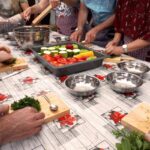
You also prepare Cretan salad in the classic style described for the meal: tomato, cucumber, pepper, olives, rusks, capers, and soft goat cheese. That list is a clue to what you are doing at lunch, building layers of flavor instead of eating a single note salad.
You will also get Greek fava as a starter. Fava is one of those dishes that sounds simple until you taste it right. It is creamy, earthy, and usually finished with olive oil, which ties right back into the tasting theme you did earlier.
Depending on the day’s menu rhythm, you can also expect extra side dishes and seasonal appetizers alongside these core dishes. The message is consistent: you eat what the region produces and what the season allows.
More of Greece at the taverna table:
- Crete: Sunset or Morning Quad with Local Products Tasting
★ 4.9 · 1,135 reviews - Chania: Old Town Highlights Guided Tour with Street Food
★ 4.9 · 407 reviews - From Chania: Wine and Olive Oil Tasting Tour with Snacks
★ 4.8 · 354 reviews - Walking “Food tasting tour” in the town of Chania
★ 5.0 · 297 reviews
The Brick Oven Moment, Then Eating at the Family Table
Once your loafs go into the oven, the smell becomes its own countdown clock. When the bread is ready, it feels like a payoff you earn, because you made the choices earlier, then watched the waiting time translate into other learning.
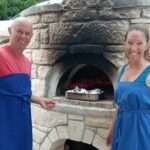
The bread is baked in an outdoor setting with an oven that the family uses for cooking and dining. In the same space style, the meal is served in a way that encourages sitting together and chatting while you eat. That matters in a class like this, because tasting is easier when you slow down.
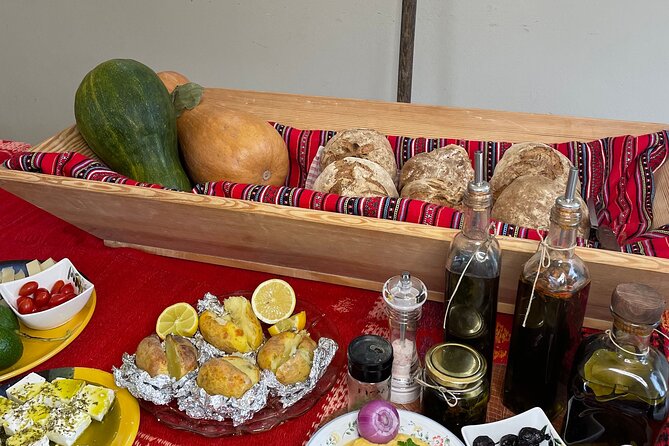
At the table, you combine your loaf with herb-flavored extra-virgin olive oil. You get to pair bread and oil like you would at home, but with the guidance and multiple flavors provided for you. That is how you learn without needing to take nonstop notes.
On the main plate, you get jacket potatoes roasted in the ash and pork meat. The potatoes bring a smoky, cozy flavor, while the pork gives you the savory anchor for the meal. It is a comfortable lineup that fits the sourdough and olive oil theme without forcing everything to be just one flavor style.
Then you also get light side extras such as seasonal appetizers and more dishes that rotate with what is available and prepared for the day.
Olive Oil Tasting Like a Pro, Without Pretending You Are One
A lot of olive oil tastings feel like a quiz. This one is more about tasting through the story you just heard. After the grove visit and the herb mixing talk, you know what to pay attention to: how the oil tastes when it is paired with herbs, how flavors change when they meet bread, and how the oil supports salad ingredients.
You are also offered multiple olive oil creations during the tasting portion. That gives you quick comparisons, which is the real way to build taste memory. You do not need fancy jargon to notice differences in bitterness, fruitiness, and herb character.
Add the wine, and the whole thing becomes a proper Crete meal. You are included with local wine, plus soda and alcoholic beverages. If you do not drink much, you can treat it like a social meal and focus on the food and oil.
And yes, you should leave room for dessert. Greek yoghurt with spoon sweet is served at the end, and it is a nice cool finish after the salty, savory lunch.
Price and Value: What $108.13 Buys in Real Food Time
At about $108.13 per person for roughly 4 hours, you are paying for more than “a cooking class.” You are paying for instruction, ingredients, fermentation and baking time, a meal built around what you made, plus olive oil teaching and tastings.
This is included:
- Lunch (with the Cretan salad, Greek fava, and the rest of the meal)
- Wine and other alcoholic beverages
- Soda
- The bread-making experience itself, from dough mixing to baked loaves
If you have to buy food separately in Chania, and then find an olive oil tasting elsewhere, the costs stack fast. Here, those parts are bundled with one consistent theme and one family-run format.
The only extra cost you might need to plan for is pickup, since transfers cost extra depending on your location. Public transportation is listed as not included, and there is a public transport price noted, so if you are not being picked up, budget time to get to the meeting point near Nerokouros.
Who This Sourdough and Olive Oil Class Suits Best
This class fits you if you want:
- A hands-on food activity where you actually take something home to eat
- Olive oil learning tied to farm work, not just a tasting flight
- A meal that is more than a snack, with wine and multiple courses
- A small-group setting, capped at 16 travelers, with semi-private transport
It also works well if you travel with a mixed group, including someone who loves cooking and someone who just wants to eat well. Bread making is active, but the olive grove and meal sit-down keep it relaxing and social.
If you dislike outdoors walking or you are traveling during weather that might be unsettled, keep that in mind. The experience requires good weather, and the schedule includes farm and grove time.
Practical Tips So You Get the Most From the Day
I suggest dressing for farm and oven time. You will be in a rural setting, and the bread and food schedule moves. Comfortable shoes help, especially for the olive grove walk.
Go in hungry. Lunch is not an afterthought here. You will also have cookies at the start and dessert at the end, so you want a real appetite ready for the Cretan salad, Greek fava, ash-roasted potatoes, and pork.
Pick your loaf add-ins early in your head. It is easier to choose when you know what flavors you like. If you love salty depth, olives make sense. If you like tangy-sweet intensity, sun-dried tomato is a strong move. Seeds are great when you want texture.
Finally, take your time during the tasting. The best results come from pairing, bread plus oil, instead of trying to judge each oil in isolation.
Should You Book This Chania Sourdough Bread and Olive Oil Class?
Book it if you want a true food-focused Crete experience with real participation, a family-style table, and olive oil tasting that connects to the farm. The value is strong because lunch, wine, and the core learning are all part of the same package.
Skip it only if you cannot handle outdoor farm time, or if you are looking for a purely sightseeing tour with minimal cooking. This is food first, learning through taste second, with a sourdough payoff at the center of it all.
More Workshops in Crete


New pins on the Crete chart
- Heraklion: Ecobike Tour with Food tasting★ 5.0 · 30 reviews
- HIDDEN GEMS – RICHTIS GORGE for nature lovers!★ 4.5 · 30 reviews
- Spinalonga & Agios Nikolaos with BBQ★ 4.5 · 30 reviews
- Heraklion Food Stories Walking Tour with 8 local-favorite stops★ 4.5 · 30 reviews
- Heraklion: Catamaran Cruise to Dia with Sunset, Meal & Bar★ 5.0 · 30 reviews
- Crete: Elafonisi – 4 hours in the beach★ 4.5 · 30 reviews
Olive Farm Tours, compared.
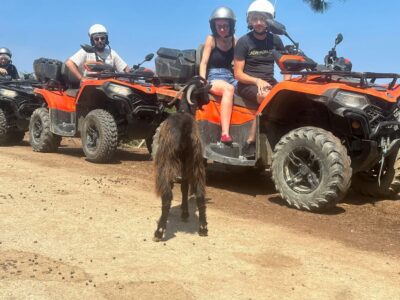
Quad Safari, Olive Mill with Tasting & Ghost Village
Read our review →
Zeus Cave -Old Traditional Villages-Olive Oil Factory
Read our review →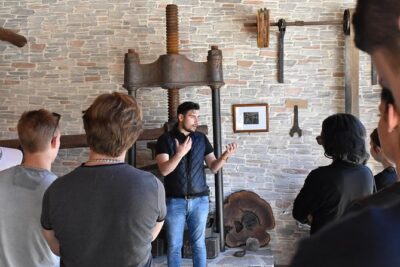
The Governor’s Olive Mill Tour with Olive Oil Tasting
Read our review →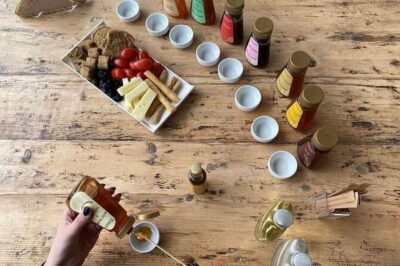
Road-trip to Lasithi, Zeus Cave & Olive Mill Farm
Read our review →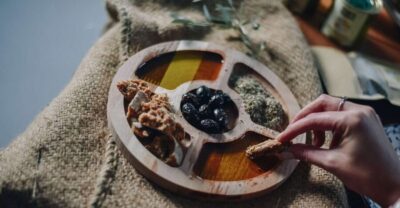
Olive Farm Tour with Tasting of Local Delicacies
Read our review →
Lassithi, Zeus Cave, Olive Mill Farm & Knossos Combo Tour
Read our review →
Zeus Cave, Lassithi Plateau, Olive Oil Factory, Kritza, Pottery
Read our review →Browse the lists this tour appears in