
Reviewed · DELPHI & ARACHOVA TOURS
Delphi Guided Walking Tour and Admission Ticket
Delphi still feels mythical, even in daylight. This guided walking tour takes you into the Temple of Apollo zone and the surrounding sanctuary layout, then leaves you free to explore the Delphi Museum and the ancient stadium at your own pace. Delphi was the religious heart of the ancient Greek world, tied to the Oracle, the Sanctuary of Apollo, and the famous Pythian Games, all backed by dramatic views on the slopes of Mount Parnassus.
I especially like the way the guide helps the ruins click into place fast, so you are not just wandering stones. You also get a practical split of time: guided context for the core site, then solo time for museum browsing and a slower look at the stadium. One possible drawback is that the guided part does not include a guide for the stadium or the Delphi Museum, so you will be reading the displays and moving at your own rhythm after the tour ends.
In This Review
- Key highlights at a glance
- Delphi’s “navel of the earth” feeling, without the guesswork
- The 1.5-hour flow: guided ruins first, museum and stadium after
- Entering Delphi’s sanctuary route: where the guide matters most
- Temple of Apollo and the sacred story you can see
- Treasuries and the theater: power, performance, and place
- After the guide: ancient stadium and Delphi Museum, on your own time
- Ancient stadium: look for the athletic rhythm
- Delphi Museum: use your guide context to read smarter
- Price and value: is $223 per group worth it?
- What to ask your guide so you get the most
- Practical tips for a smoother Delphi day
- Who should book this Delphi walking tour
- Should you book this Delphi Guided Walking Tour?
- FAQ
- How long is the guided portion?
- What does the tour include?
- Does the guide cover the ancient stadium and Delphi Museum?
- Do I need hotel transfers or transportation from Athens?
- Can I skip the ticket line?
- Where do I meet the guide?
- What languages are available?
Key highlights at a glance
- Licensed guide for the main archaeological area with a clear, story-driven walkthrough
- Temple of Apollo, treasuries, and ancient theater are all part of the route
- Oracle and Pythian Games context to understand what you are looking at
- Admission to the archaeological site and the museum included, plus skip-the-line entry
- Stadium and museum time on your own after the guided ruins portion
- Multiple guide languages including English, French, Greek, Italian, and Japanese
Delphi’s “navel of the earth” feeling, without the guesswork
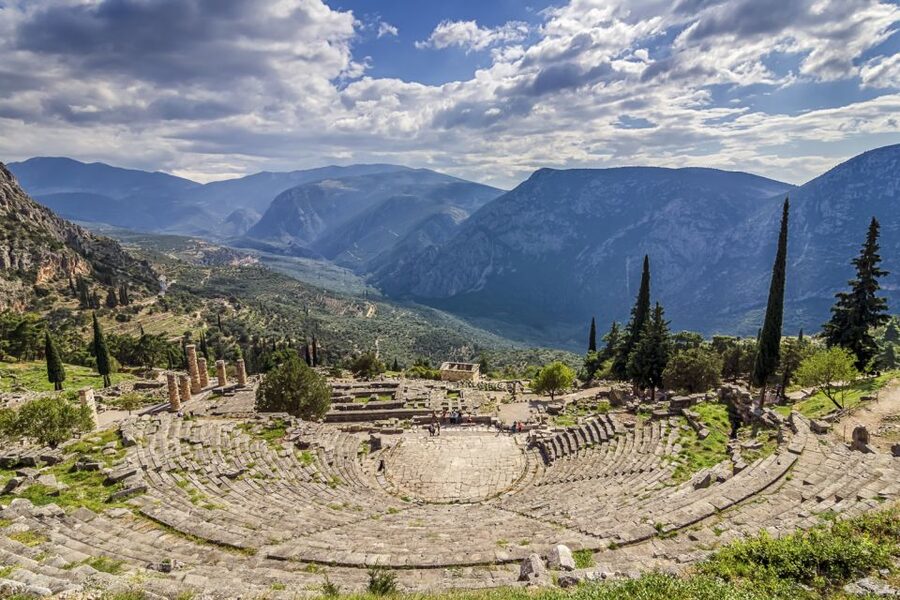
Delphi is one of those places where the setting matters. You are not just looking at ruins, you are looking at how ancient people chose a landscape. The sanctuary sits on the southern foothills of Mount Parnassus, so even before you start walking, the valley and hills give you an immediate sense of why Delphi became such a magnet for pilgrims, leaders, and storytellers.
What makes this tour practical is the guide portion. You do not need to know Greek mythology to enjoy Delphi, but you do need a map for the meaning. A good guide turns scattered walls, tiers, and monuments into a sequence: this is how the sanctuary worked, why people traveled here, and how the Oracle shaped decisions. Many guides on this route, including names like Sotiris and Georgia, are noted for crisp explanations and real responsiveness to questions, which is exactly what you want when you are standing in the middle of a big site.
The rest of the experience is intentionally self-paced. After the guided ruins portion, you control the tempo for the ancient stadium and the Delphi Museum. That works well because Delphi is not just about speed. It is about noticing. If you like stopping to read inscriptions, comparing viewpoints, or taking a second lap through the exhibits, this structure gives you room.
More consultations at Delphi:
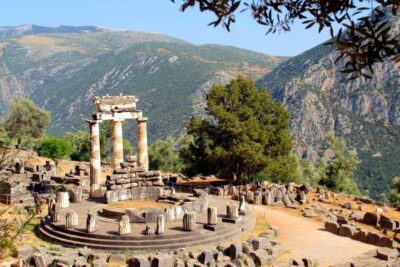
The 1.5-hour flow: guided ruins first, museum and stadium after
Expect a 1.5-hour experience with a licensed guide for the archaeological site. The tour focuses on the core ruins and sanctuary areas. Then you move on your own to two additional parts of Delphi: the ancient stadium and the Delphi Museum.
Here is how that split typically feels on the ground:
- First, you get guided navigation through the sanctuary ruins, including the Temple of Apollo area and nearby highlights like the treasuries and the theater.
- Then you head to the ancient stadium and the museum on your own. Your ticket includes admission to both.
This split is a smart choice for value. You pay for expert interpretation where the site can be confusing, and you keep flexibility where you can wander and linger without feeling rushed. It also helps you avoid a common pitfall: if you had a guide for every inch, you might spend less time actually looking.
One thing to flag: if you want an expert to walk you through the museum displays step-by-step, this format may feel incomplete. The guided portion does not cover the stadium or Delphi Museum, and that has been a point of disappointment for at least one person in the provided feedback. If you are the type who loves museum narration, plan to spend enough time reading the museum labels and using whatever context the guide gives you before you go in.
Entering Delphi’s sanctuary route: where the guide matters most
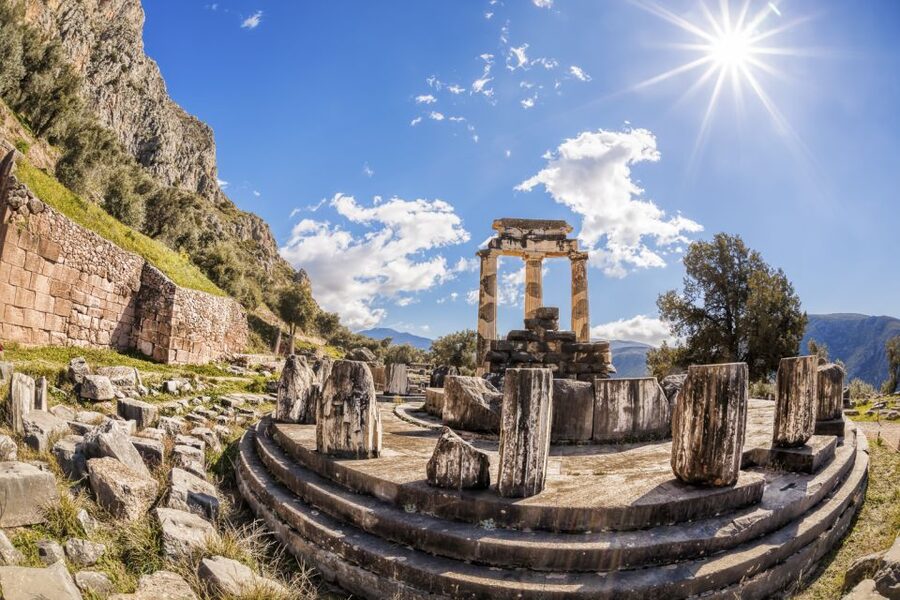
Delphi is big enough that a self-guided visit can feel like you are guessing. The guided portion is designed to reduce that friction. You start in the archaeological area and move through the sanctuary spaces that relate to worship at Apollo and the long story of Delphi as a pilgrimage center.
This is where the guides tend to earn their keep. People mention guides like Sotiris for answering questions well, and Georgia for making the sanctuary feel like it had momentum. Another frequently praised theme is pacing. Several guides are described as concise, clear, and patient, which matters at a site where the temptation is to talk too much or cover everything at once.
As you walk, look for how the site is laid out. Delphi was not a single building you toured like a museum. It was a complex with religious meaning and social signaling. The guide helps you interpret how monuments and spaces fit together, so you can tell the difference between what is primarily ceremonial, what is athletic or civic, and what is architectural theater.
Temple of Apollo and the sacred story you can see
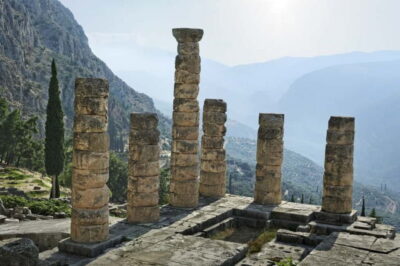
The Temple of Apollo ruins are the centerpiece for a reason. Even without rebuilding your imagination to full size, the location and scale communicate importance. This is the place tied directly to Delphi’s religious identity and the famous Oracle tradition.
On this tour, the guide’s job is not just to name buildings. It is to help you connect the physical layout to the ancient purpose. Why did people come? What did they hope to receive? How did the sanctuary communicate authority? The best guides, like Giorgia and Eleni, are praised for helping people build that mental picture while you are actually standing there.
When you are there, slow down for three things:
- Position and sightlines: where you are standing affects how the ruins make sense.
- Symbols and layout clues: Delphi’s monuments are a language, even when much is worn away.
- Context for the Oracle and Apollo: you want the story threaded through the space.
If you are visiting for the first time, this is one of the easiest parts to appreciate with help. If you already know Delphi’s mythology, the guide can still add value by organizing the story so it matches what you see.
Treasuries and the theater: power, performance, and place
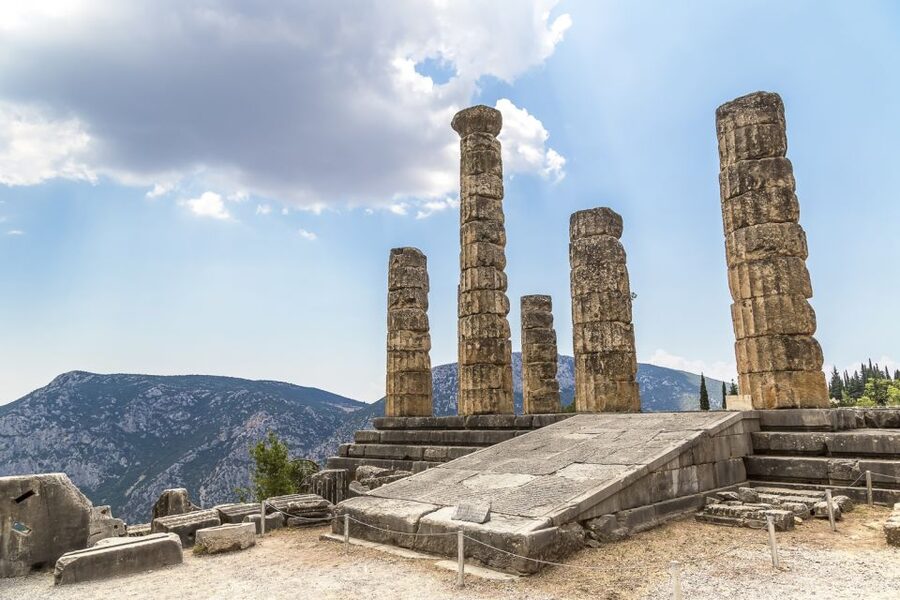
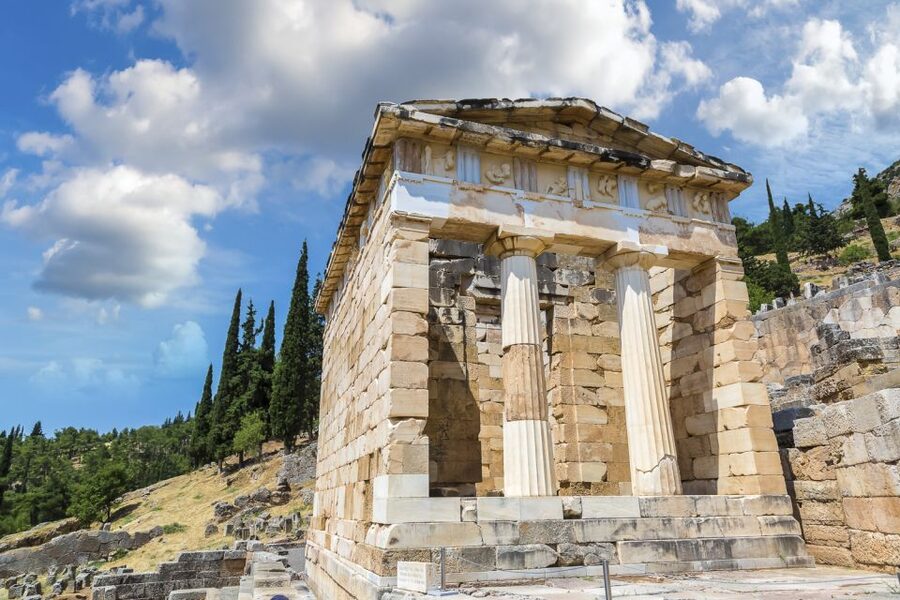
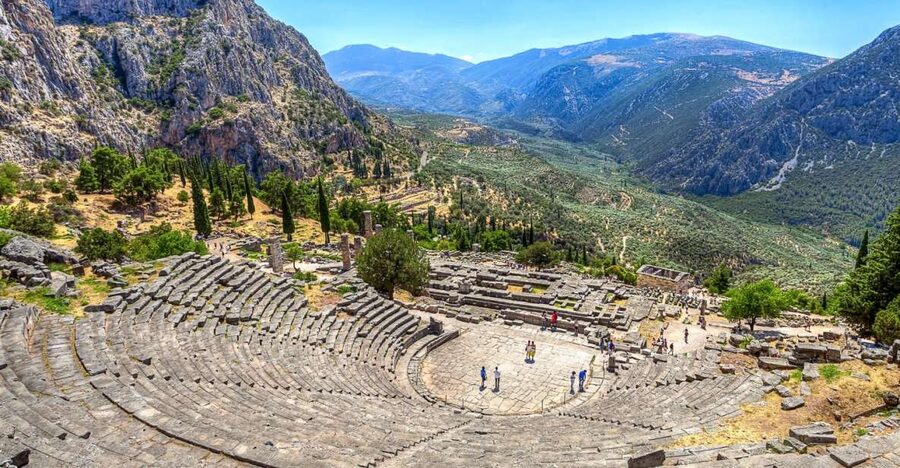
Two of the most interesting ruins included on this tour are the treasuries and the ancient theater. Even if you are not into classical architecture, these spaces show you how Delphi functioned as both sacred site and public stage.
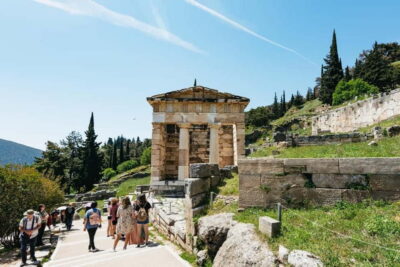
The treasuries are where political and religious status overlap. They reflect the fact that Delphi was not only about prayer. It was also about representation, offerings, and influence from across the Greek world. The guide helps you understand what these structures signal, not just what they are made of.
The theater adds another layer. Think about who would have gathered, and why. This is where Delphi’s ceremonial life and its public storytelling meet. It is also one of those places where the guide’s explanation helps you stop treating it like random seating. You start to see it as part of how Delphi communicated meaning to visitors.
If you want your experience to feel vivid, this is a great time to ask questions. People have specifically praised guides for being ready with answers and for explaining history without dumping information on you.
After the guide: ancient stadium and Delphi Museum, on your own time
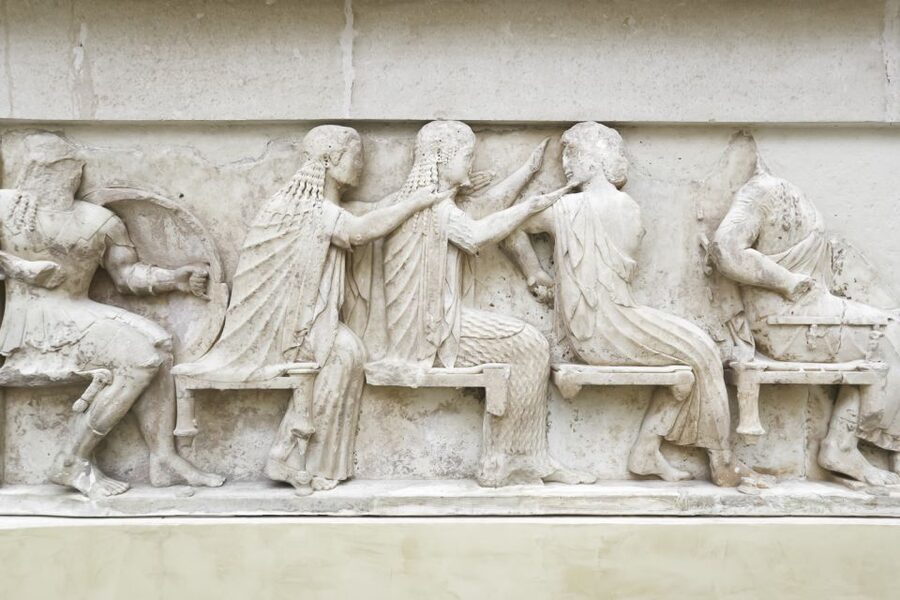
Once the guided walking portion ends, you switch into self-guided mode for the ancient stadium and the Delphi Museum. The ticket includes admission to the archaeological site and museum, and you will have already skipped the ticket line as part of the experience.
This section is ideal if you like controlling your pace. Delphi can be hot, and walking between stops adds up. One piece of feedback emphasized coming prepared for the heat and wearing comfortable shoes. That is good advice here. You are moving from ruins to open areas, so your comfort choices matter.
Ancient stadium: look for the athletic rhythm
The stadium is the “other side” of Delphi. When you are done with Apollo-focused ruins, the stadium shifts your perspective toward the Pythian Games. If Delphi is the spiritual magnet, the games are the social engine.
Spend time simply orienting yourself. Let your eyes adjust, then compare what you expected from descriptions of Greek athletics with what you can actually see on the ground. Even without a guide, you will get more from the stadium if you already absorbed the Oracle and Apollo context from the first part of the tour.
Delphi Museum: use your guide context to read smarter
The Delphi Museum can feel intimidating if you walk in with zero background. The tour format helps because you have just gotten the story of the sanctuary and its major role in ancient life. That context improves how you interpret what you see inside.
People have praised guides for creating a worthwhile museum experience, even for those who normally do not love museums. The key is that the guide gives you the what and why before you browse the collections.
Here is how to make your museum time count:
- Scan the main themes first, then go back to anything that caught your attention.
- Read labels with a goal, not passively. Ask yourself which part of Delphi life you are looking at, sanctuary or games.
- Do not try to do everything. Choose what fits your interests.
Price and value: is $223 per group worth it?
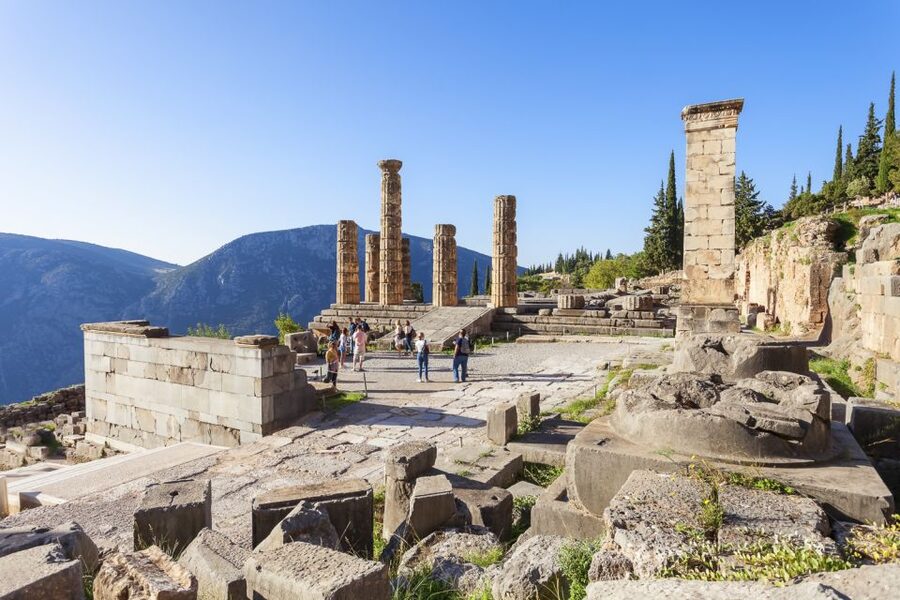
At $223 per group (up to 1), this is not a budget attraction. But it can still be a strong value when you look at what is included.
You are paying for:
- A licensed guide for the 1.5-hour ruins portion
- Admission to the archaeological site
- Admission to the Delphi Museum
- Skip-the-ticket-line entry
- Multiple possible guide languages (English, French, Greek, Italian, Japanese)
And you are not paying for:
- Hotel transfers or transportation from Athens
- A guided tour of the Sanctuary of Apollo or of the Delphi Museum
- Guided coverage of the ancient stadium and museum after the ruins walkthrough
So the question is really this: do you want expert interpretation where it is most confusing? If yes, you are buying clarity. If you are the type who already knows Delphi deeply and you mostly want wandering freedom, you might feel that you are paying extra for something you would otherwise do alone.
From the way guides are described in the feedback you provided, the quality piece is a major part of the value. Names like Sotiris, Georgia, Giorgia, and Irini show up in the kind of praise that matters: answering questions, being patient, and making the site feel alive without overwhelming you. That is worth real money at a place where the ruins can otherwise feel like disconnected fragments.
What to ask your guide so you get the most
You cannot control everything at a major ancient site, but you can control how much you take home. Your guided time is where you should spend your curiosity.
Here are questions that match what the tour covers and what people appreciate about the guides:
- Where would an ancient visitor have expected to start, and what would have surprised them most?
- How do the treasuries reflect who was visiting and why?
- What role did the Oracle play in the wider meaning of Delphi, not just the myths?
- What does the theater tell us about public life at the sanctuary?
Guides like Theo and Eleni are noted for engagement and clear explanations, so you will likely get solid answers rather than generic facts. Even if your guide is concise, asking targeted questions can turn that concise style into something very satisfying.
Practical tips for a smoother Delphi day
Delphi rewards preparation because the site involves walking outdoors and moving between parts of the complex.
- Wear comfortable shoes. Parts of the route involve uneven ground and long sight-seeing stretches.
- Plan for heat, especially in warmer months. Keep water handy and take your breaks where you can.
- Bring a simple plan for after the guided portion. Since the stadium and museum are on your own, you will enjoy them more if you decide how long you want to spend rather than drifting endlessly.
Also, pay attention to communication. The meeting point can vary depending on what you book, and your guide contacts you by email with the details after you choose the time of day. Check your spam folder, because email routing problems can create last-minute stress.
Who should book this Delphi walking tour
This is a great fit if:
- You want expert context for the core Delphi ruins, especially if it is your first visit
- You like a structured route but still want freedom afterward
- You prefer smaller pacing compared with trying to listen in very large groups
- You enjoy museum time, but you want the background first
It may be less ideal if:
- You want a fully guided, narrated visit through the Delphi Museum and stadium
- You hate walking and need step-by-step guidance at every stop
- You already know Delphi extremely well and plan to focus only on self-guided exploration
If you are visiting as a couple or solo and you want your time to feel efficient, a private group option can be especially appealing. Several guide notes highlight how private format can improve your ability to ask questions and hear explanations clearly.
Should you book this Delphi Guided Walking Tour?
If your priority is understanding Delphi quickly and confidently, I think this tour makes a lot of sense. The best part is the guided ruins portion, where the guide helps you connect Apollo, the Oracle tradition, and the sanctuary layout to what you can actually see. After that, you get the flexibility to pace yourself at the stadium and Delphi Museum.
Book it if you want value through organization: guide interpretation plus included admission, with skip-the-line entry. You are paying for the “how to read the site” piece, not just time on cobblestones.
Skip it or adjust your expectations if you were hoping for a guided explanation inside the Delphi Museum or for the stadium portion to be narrated. This experience gives you guided context first, then hands you the site for independent exploration.
FAQ
How long is the guided portion?
The experience lasts 1.5 hours.
What does the tour include?
You get a licensed guide and admission to the archaeological site plus admission to the Delphi Museum.
Does the guide cover the ancient stadium and Delphi Museum?
No. The guided tour does not include the ancient stadium or the Delphi Museum. You explore those parts on your own after the ruins portion.
Do I need hotel transfers or transportation from Athens?
No. The tour does not include hotel transfers or transportation from Athens.
Can I skip the ticket line?
Yes, the experience includes skip-the-ticket-line entry.
Where do I meet the guide?
The meeting point may vary depending on the option booked. The guide contacts you by email with the details after you specify the time of day you want to schedule.
What languages are available?
The licensed guide may be available in English, French, Greek, Italian, or Japanese. Private group options are also available.
Stepped Lanes, Kastro Quarters




New pins on the Delphi chart
- Delphi: Archaeological Site & Museum Ticket with Audio Tour★ 4.4 · 275 reviews
- Delphi: Archaeological Site & Museum Ticket with Audio Tours★ 4.3 · 721 reviews
Delphi & Arachova Tours, compared.
Mythology of Delphi, Museum and Arachova Guided Tour
Read our review →
Small-Group Delphi, Museum & Arachova Day Trip
Read our review →
Delphi English Day Trip from Athens with Official Guide
Read our review →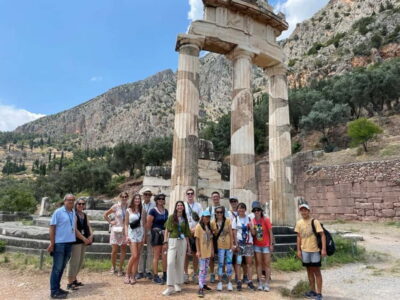
Delphi Oracle & Museum Tour with a Licensed Guide
Read our review →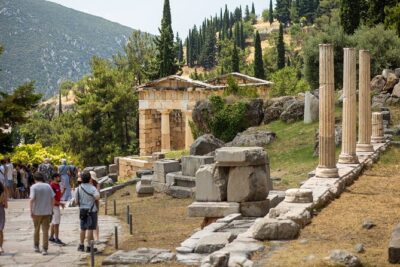
Historical Delphi One Day Tour with Arachova Stop & Expert Guide
Read our review →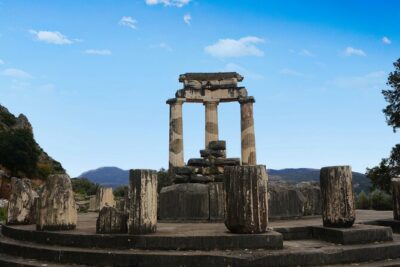
Premium Delphi Day Trip with an Expert Guide, Museum & Lunch
Read our review →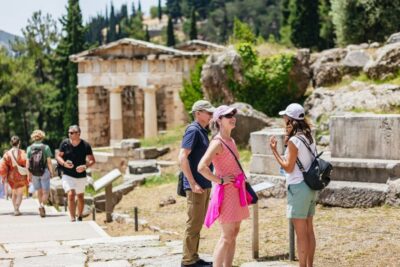
Browse the lists this tour appears in