
Reviewed · SCUBA DIVING
Discover Scuba Diving Adventure in Mykonos
Mykonos has a rare on-the-beach way to learn scuba. You get PADI Discover Scuba style instruction in a controlled setup, then move into the water with real coaching and a clear game plan.
I especially like the small-group teaching, with a maximum of four people per instructor, and that you start with thorough safety and skills practice rather than just swimming around.
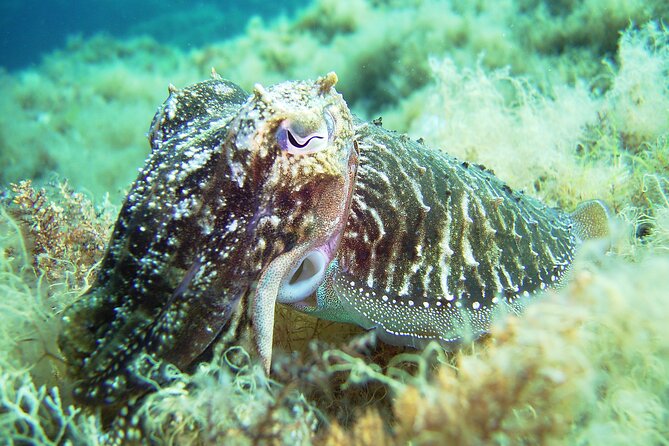
One possible drawback: the marine life can be more about close-to-shore fish and rocky reef textures than coral, so manage expectations if you’re hunting for a showpiece reef.
In This Review
- Key takeaways before you go
- First stop at Paradise Beach: where the experience actually starts
- What the instruction feels like: small groups, clear safety steps, and real coaching
- Getting kitted up: equipment use that actually helps you
- Stop 1: Paradise Beach, the easy on-ramp
- Stop 2: the scuba center near the water, where the pieces connect
- Your underwater time: what to expect on the reef
- Optional extra boat underwater time: what it means and when you’ll get it
- Price and value at $238.94 per person: what you’re paying for
- Who this program is great for, and who should reconsider
- Timing, weather, and getting the most out of the 2.5 hours
- My practical tips for your smoothest first session
- So, should you book this Mykonos scuba starter experience?
- FAQ
- How long is the Discover Scuba-style experience in Mykonos?
- Where does the experience start?
- What’s included in the price?
- Do I need prior scuba experience or certification?
- What are the age and health requirements?
- What happens if weather is bad?
Key takeaways before you go
- Max four people per instructor means you get hands-on attention instead of being a number in a crowd
- Thorough pre-water training (including required video and skills briefing) helps first-timers feel calm
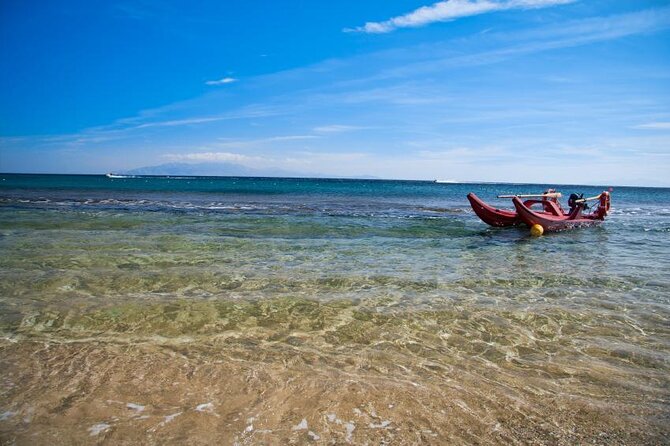
- Paradise Beach location makes the experience feel easy, with gear walk-in and quick access to the water
- Health questionnaire required and some conditions can prevent you from going in the water
- Optional extra boat underwater time is available only after you complete the main program
- Rocky Mediterranean reef means close, personal wildlife, not coral reef scenery
First stop at Paradise Beach: where the experience actually starts
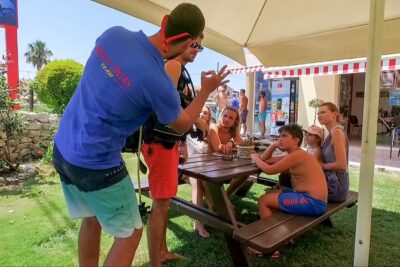
Your session begins at Paradise Beach, at the Paradise Beach Resort area. The big win here is how straightforward it feels: you’re not dealing with a long transfer before you get instruction and gear sorted. If you want hotel pickup or port pickup, it’s available for a surcharge, but the meeting point is still Paradise Beach.
Paradise Beach is also a good psychological trick. When you’re nervous about water, being close to land matters. You can watch others in gear, understand what the equipment does, and ask questions before anyone goes down to the reef area.
The program runs about 2 hours 30 minutes total, so you’re not committing to a full day. It’s long enough to learn the basics and get meaningful underwater time, but short enough that you can still enjoy Mykonos the rest of the day.
More Greek wrecks and walls below:
What the instruction feels like: small groups, clear safety steps, and real coaching
This isn’t a certification course. It’s an introductory program that teaches you the steps you’ll need toward PADI scuba certification, plus the safety habits that keep first-timers steady.
Here’s what I like most about how it’s structured: you get a substantial safety and skills component before you ever fully go into the water. The briefing includes a safety video, then instructor explanations of what you’ll do, what to watch for, and how to handle common first-time moments. You’ll also be briefed with pictures about the local marine life you can expect on the home reef.
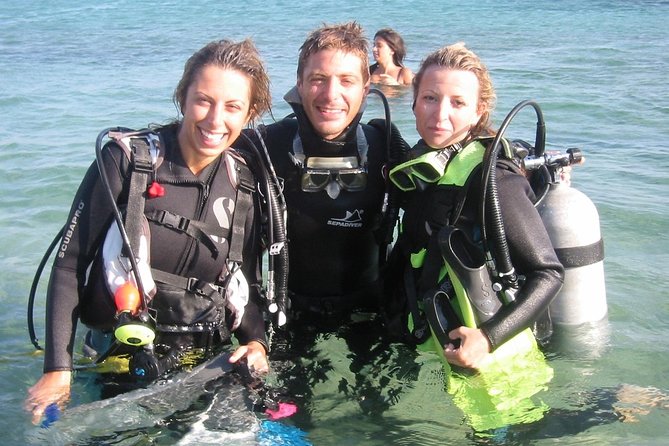
Groups are kept tight. The maximum is four people per booking per instructor, and if there are more people overall, they’re separated into groups so no one gets lost. That matters because scuba is part technique, part confidence. When an instructor can actually watch your body position, breathing rhythm, and hand signals, you learn faster and feel safer.
You might notice from past participant stories that patience is a consistent theme. Names that come up in feedback include Juan, Annie, and Edouard, and the common thread is instructors who slow things down when needed. If you tend to get excited or anxious, that coaching style can make a big difference in how the water time feels.
Getting kitted up: equipment use that actually helps you
You’ll get scuba equipment included, which is usually where first-timers get overwhelmed. Instead of showing up and guessing, you get guided fitting and instruction on how to use the gear properly.
Then comes an important detail: you’ll do a controlled on-site familiarization. After the briefing and kitting, you’ll walk a short distance toward the water, put fins on, and practice what you need to practice before you settle onto the reef area.
One practical consideration from the experience design: this is not a boat-only method. You’re starting from the beach area with the instructor guiding you into the water and out to the reef. For some people, that’s exactly what makes it comfortable. For others, the walk with heavy gear can be the first reality check.
Tip for your comfort: rinse off quickly and keep sand out of your fins if you can. Sand stuck in fins is a small annoyance that can feel huge once you’re underwater and focused on breathing.
Stop 1: Paradise Beach, the easy on-ramp
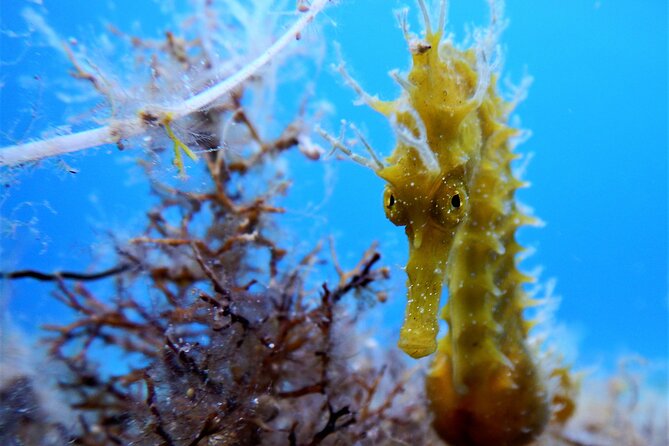
Stop 1 is Paradise Beach, and it’s where the whole experience becomes tangible. This is where you confirm gear fit, receive the safety flow for the underwater session, and get the first instructions that connect land skills to water behavior.
Because you’re at Paradise Beach, your body also gets an easier transition from heat and sun into the water. If you’re the kind of person who needs time to settle, this beach start usually feels less stressful than getting dropped into the middle of open water right away.
The other upside is timing. You can choose between a few different departure times. That helps you align with your Mykonos day plan, whether you want a morning start to beat crowds or an afternoon slot so you can eat and relax first.
Stop 2: the scuba center near the water, where the pieces connect
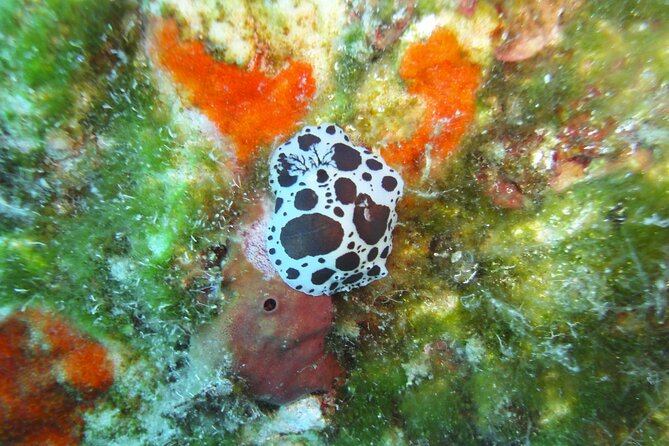
Stop 2 is the Mykonos scuba center near the beach area. This is where the program comes together with the instructor team, gear management, and the course steps that lead up to the underwater session.
A big value here is how the center setting supports a repeatable process. You’re not improvising. You follow a method, do the required briefing components, then enter the water for the planned sequence.
If you’re taking the experience as a stepping stone toward certification, this stop matters because it’s where you learn the habits instructors look for in later training. You’re practicing how to think underwater, not just how to float.
More Things to Do in Mykonos
- Mykonos: Super Paradise Beach with Sunbed at Thalas Mykonos
★ 4.6 · 1,524 reviews - Tour and Wine Tasting in Mykonian Land
★ 5.0 · 1,357 reviews - Mykonos Town: Archaeological Site of Delos Guided Day Trip
★ 4.6 · 1,296 reviews - Mykonos: Farm, Ano Mera Village, and Beaches Guided Tour
★ 4.4 · 1,283 reviews
Your underwater time: what to expect on the reef
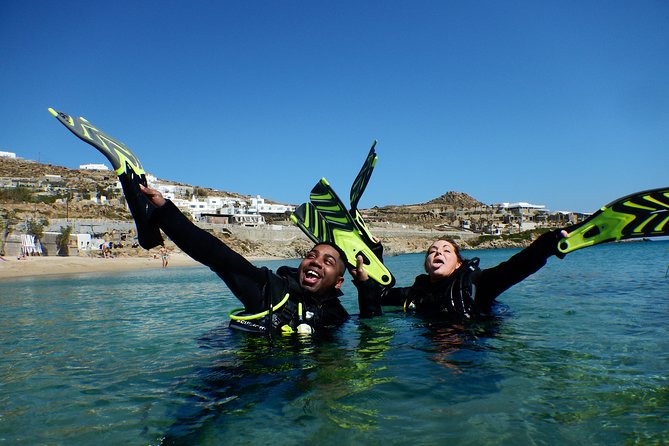
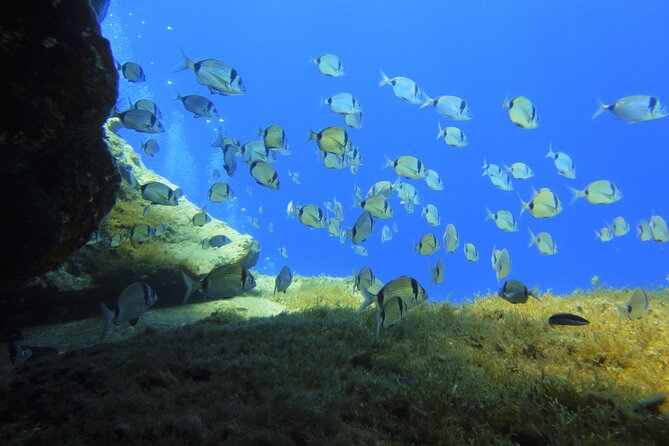
The home reef is close to shore and known for marine life that’s accessible at Mediterranean standards. That’s a good thing for first-timers. When you’re learning buoyancy and breathing, you don’t want to travel far just to see something interesting.
At the same time, I think it’s smart to plan your mindset around the reef type. This is not the coral reef style you might be picturing from tropical places. There are no coral reefs in the Mediterranean and the Aegean. Here you get a rocky reef, with wildlife that lives on and around that structure.
Based on the program design, the underwater portion can last about 45 to 60 minutes, with an air-based limit (you’ll turn back when air reaches roughly 50 bars in your cylinder). This makes the experience feel controlled, not rushed. You should get enough time to calm down and look around before it’s over.
Some past feedback points out that the underwater experience can feel focused on technique rather than a constant parade of animals. That’s not a failure of the program. It’s part of what makes an introductory session safer and more realistic.
Optional extra boat underwater time: what it means and when you’ll get it
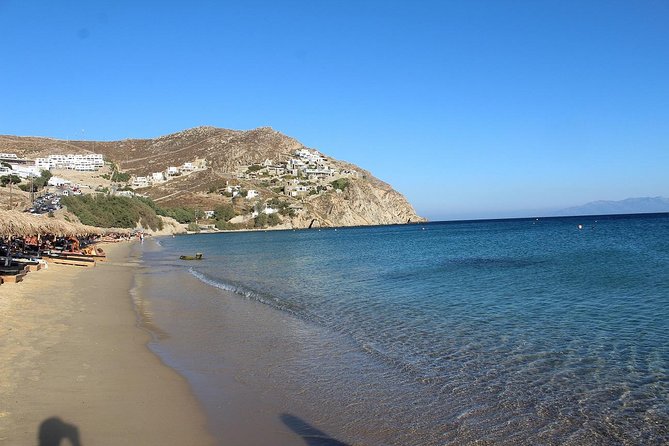
After you successfully complete the main underwater portion, you have the option to do an additional underwater session from a boat. This is included only as an option at extra cost, so it’s not automatic.
For many first-timers, the boat option is appealing because it can change how the route feels and gives you a different perspective of the local area. But it’s also conditional. If you don’t pass the main program steps, you won’t add the extra boat segment.
My advice: treat the main session as the priority. If you’re relaxed and comfortable, you’ll naturally be in better shape to say yes to the extra time.
Price and value at $238.94 per person: what you’re paying for
At $238.94 per person, this is not a cheap “try it once” activity. So I judge value by what’s included and how controlled the learning process is.
Here’s what you do get: a qualified instructor, scuba equipment, and the PADI Discover Scuba style experience. You also get a small-group setup with a maximum of four people per instructor, plus the safety briefing and skills steps built into the program.
That combination is the real value. If an experience simply hands you a mask and tells you to follow, you might save money but lose a lot of learning and comfort. Here, the structure aims to prevent that first-time overwhelm.
You still need to budget for add-ons. Professional photography is available for purchase, and food and drinks aren’t included. If you want pickup or drop-off by hotel or port, there’s a surcharge.
Also consider timing. If you book around 21 days in advance on average, you’re more likely to get the departure time you want. That makes the day plan smoother, especially if you’re juggling beaches, ferry schedules, or dinner reservations.
Who this program is great for, and who should reconsider
This is best for people who want the thrill of scuba air underwater without committing to a full certification course right away. You’ll learn what it takes to operate safely and comfortably, so it’s a useful decision-making step.
It’s also suitable for families, as long as everyone meets the age requirement. You must be at least 10 years old, and children must be accompanied by an adult.
You’ll need to be in reasonable physical health, and you will complete a health questionnaire before diving. Some conditions, such as asthma or heart problems, may prevent you from going underwater, so it’s smart to discuss it with your doctor if you have any concerns.
One more practical fit question: do you handle new gear and unfamiliar sensations well? The program is designed for first-timers, but you’ll still feel the weight of equipment, the routine of finning, and the mental focus required for calm breathing. If you freeze when something feels technical, choose a calmer time of day and tell your instructor right away.
Timing, weather, and getting the most out of the 2.5 hours
The experience runs for about 2 hours 30 minutes. You’ll want to treat that as a focused block, not a casual side quest. Eat beforehand, hydrate, and avoid scheduling it immediately after a long day in the sun.
Weather matters. The program is subject to favorable conditions. If it’s canceled due to poor weather, you’ll be offered an alternative date or a full refund.
One more thing that’s easy to overlook: diving within 48 hours of flying is not recommended. If you have an international flight or even a short jump to another island, plan your underwater session earlier in your trip, not right near departure day.
My practical tips for your smoothest first session
If you want your first underwater time to feel calm and rewarding, here are the moves that help most:
- Show up on time. The briefing and kitting take longer than you think when it’s your first gear fitting
- Say something immediately if you feel anxious. Instructors who coach you through fear often make the experience click
- Listen for the safety flow and the air-management cues. The session length is tied to air, so it’s not random
- Bring a plan for comfort afterward. You’ll likely want a rinse, a change of clothes, and something to eat
- Mentally prepare for a rocky reef. You’re not on a tropical coral show, so focus on close wildlife and textures
If you’re choosing departure times, pick one that matches your energy. A cooler morning slot can make your body feel better before you get kitted up.
So, should you book this Mykonos scuba starter experience?
Book it if you want a structured, safety-first introduction with small groups, included equipment, and an instructor who stays hands-on. It’s also a strong choice if you’re curious whether scuba certification is for you, because you’ll learn the steps that later training builds on.
Consider passing or trying a different format if you’re expecting coral reef visuals and constant spectacle. This program is designed for learning and safe technique in a rocky Mediterranean home reef setting. It’s still rewarding, but it’s not pretending to be the Caribbean.
Finally, if you’ve got any health concerns or are planning flights soon, plan around the health questionnaire and the 48-hour flying recommendation. With that in mind, this is a high-confidence way to experience the underwater world in Mykonos without guessing your way through the basics.
FAQ
How long is the Discover Scuba-style experience in Mykonos?
It runs about 2 hours 30 minutes (approx.).
Where does the experience start?
The meeting point is Paradise Beach, at the Paradise Beach Resort area in Mykonos, and the activity ends back at the same meeting point.
What’s included in the price?
You get a qualified diving instructor, use of scuba equipment, and the PADI Discover Scuba experience.
Do I need prior scuba experience or certification?
No prior experience is necessary. It is not a scuba certification course, but you will learn the steps involved in becoming a PADI certified scuba participant.
What are the age and health requirements?
You must be at least 10 years old, and children must be accompanied by an adult. You must complete a health questionnaire before diving, and some medical conditions may prevent you from participating, so consult your doctor if needed.
What happens if weather is bad?
If the experience is canceled due to poor weather, you’ll be offered an alternative date or a full refund.
New pins on the Mykonos chart
- Best private local tour guided in Mykonos – 4 hours!★ 5.0 · 31 reviews
- Mykonos Small-Group Cooking Class with Sunset Option★ 5.0 · 31 reviews
- Best Mykonos Olive Oil Tasting – Learn from a world-famous Expert★ 5.0 · 31 reviews
- Mykonos Private Jeep Tour and Cultural Escape★ 5.0 · 31 reviews
- 3 hour private cruise: DELOS – RHENIA★ 5.0 · 31 reviews
- Mykonos: Photo Shoot with a Private Vacation Photographer★ 4.8 · 32 reviews
Scuba Diving, compared.
Scuba Diving Experience in Caldera for Beginners
Read our review →
Beginner Scuba Diving Lesson with PADI Instructor
Read our review →
Try a DIVE, discover scuba diving in Mykonos
Read our review →
Browse the lists this tour appears in