
Reviewed · CITY TOURS
Epidavros sea kayak at the Ancient sunken city tour, small ancient theater
Snorkeling ancient ruins feels unreal. This is one of those rare half-day outings where sea kayaking leads you straight to the Sunken City, then you hop into water-level views of ancient remains, followed by a visit to the Little Theatre of Epidaurus and a final meal rooted in local farming.
Two things I really like: the mix of sea time plus archaeology, and that you finish with an actual regional meal instead of a quick snack. One possible drawback is that first-time paddlers may find the kayaks a bit tricky at first, so go in ready to learn.
The guides can make the difference. Names like Yiannis, John, and Robert show up in praise for being patient, giving history in an easy flow, and helping people feel comfortable in the water and on the boat. If you’re brand-new to snorkeling, you may also want to ask for a quick check on the mask and what to do if water gets in your snorkel.
In This Review
- Key highlights you will feel right away
- Kayaking From Epidaurus: Getting on the water at Yialasi Beach
- Argolida’s Lost Atlantis: Snorkeling the Sunken City just off shore
- The walk that sets up the Little Theatre of Epidaurus at Nisi
- Inside the Little Theatre: what you are seeing, and why it matters
- The Little Theatre today: the Greek Festival vibe, restored seating, and atmosphere
- Athina EcoFarm after the theatre: local organic food that feels earned
- Price and timing: is $96.75 good value for this exact mix?
- What to expect from the pacing, fitness level, and real-world comfort
- Who this trip is perfect for, and who might prefer something else
- Should you book this Epidaurus sea kayak tour with Tribal Kayak?
- FAQ
- What time does the sea kayak tour start?
- Where does pickup happen?
- How many people are in the group?
- Is the tour in English?
- What happens at the Sunken City during the snorkeling part?
- What meal is included during the tour?
- What if the weather is bad?
- Are service animals allowed?
Key highlights you will feel right away
- Sea kayaking from Epidaurus with a route that keeps you close to historic spots
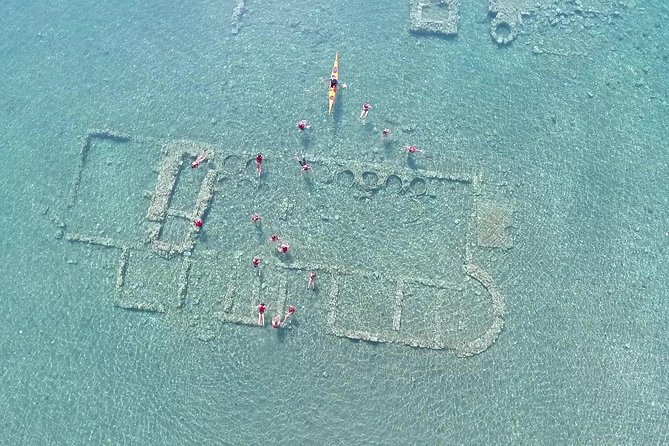
- Sunken City snorkeling in very shallow water (about 2 meters), great for photos and lingering
- The Little Theatre of Epidaurus at Nisi, with a guided walk that adds local context
- Athina EcoFarm meal using local organic products after the sightseeing
- Small group size (max 10), which makes coaching and pacing feel personal
- A guide-led day that blends fun, folklore, and food, not just facts
Kayaking From Epidaurus: Getting on the water at Yialasi Beach
You start in Epidaurus, typically with a 10:00 am start, and pickup can be arranged from the small port of Epidavros if you’re staying nearby. From there, you head toward Yialasi Beach, a short stroll from the center of Epidaurus area, and the day’s tone becomes clear fast: this is active, but not rushed.
The paddle portion is set up for variety. You’re not just rowing from point A to point B, you’re moving at a pace that lets you take in the shoreline and the wider views as you head west. In clear weather, it’s also a nice moment to see the impressive Volcano of Methana in the distance while you’re still on land-level footing, before the day turns into underwater exploring.
Because the group is capped at 10 travelers, you get more “time per person” than you do on bigger boats. That matters if you’re still figuring out how to position your body in a kayak or if you want your questions answered before you’re already out on the water.
More Corinth landfalls to plot
Argolida’s Lost Atlantis: Snorkeling the Sunken City just off shore
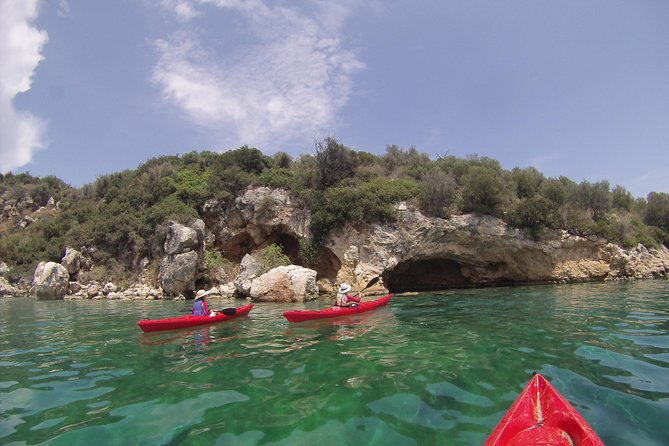
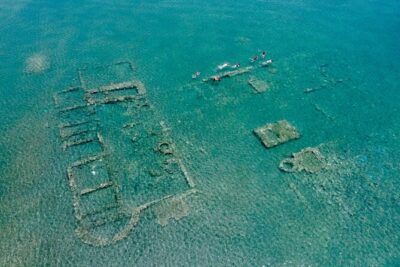
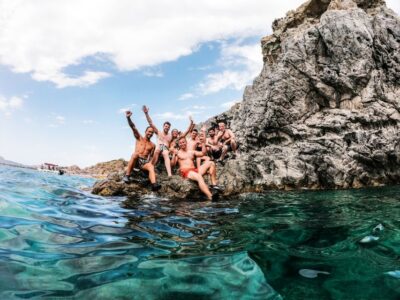
The star of the day is the Sunken City, often described as Argolida’s Lost Atlantis. You paddle toward it with a real sense of arrival, because the history isn’t hidden in a museum. It’s sitting meters below the surface, close enough that you feel like you’re floating above time.
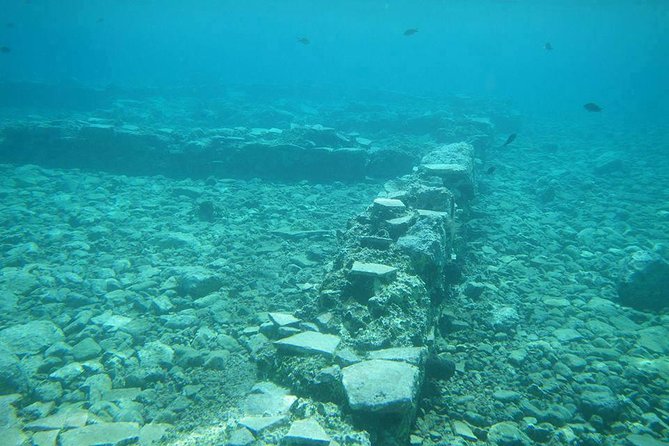
This city was built around 500 BC, and you can see remnants that include walls, foundations, amphorae, and paved sections. The best part is how close it is to shore and how shallow the underwater world is in most areas, about 2 meters. That shallow depth is a game changer. It makes snorkeling simpler, it gives you time to look around, and it makes it easier to take photos without the stress that comes with deeper water.
Once you reach the seabed, you’re given masks to swim and snorkel among the ruins. You’ll be watching ancient structures plus everyday sea life, including colorful fish. Some people also hope for turtle sightings, and on at least some outings turtles have been part of the story, so it’s worth keeping your eyes open and not treating it like a guarantee.
There’s also a spiritual or folklore layer to how the experience is framed. You may hear about the healing aura connected to Epidaurus, and whether you take that literally or just enjoy the local way of speaking about place, it adds a human touch. You’re not just ticking boxes. You’re in a spot that locals have long associated with atmosphere, recovery, and meaning.
What to watch for: snorkeling is usually the easiest moment to go wrong if you don’t get comfortable quickly. If you’ve never snorkeled before, ask your guide for a quick mask fit check and what to do if water gets into your snorkel. One guest noted they would have appreciated more instruction, and that’s the kind of small thing that can turn a good swim into a great one.
The walk that sets up the Little Theatre of Epidaurus at Nisi
When it’s time to move on from the water, you don’t jump straight into ruins you’ve never heard of. You get a short walk to the Little Theatre of Epidaurus, located in the area called Nisi near the port of Palea Epidaurus. This is a breather after the sea time, but it’s also where the guide’s storytelling really matters.
A well-paced walk helps you shift focus from “look at the water” to “look at the land.” You may learn about the local trees, soil, and what the area grows, and that ties the theatre back to how people lived here. Some guides go even further with details about fruits and produce along the way, which makes the surroundings feel practical instead of purely scenic.
The Little Theatre itself has a grounded, real-world feel. It was discovered in the early 1970s under field of olive trees, and restoration continues. It’s not one of those sites where everything looks frozen in time. You’re seeing a working archaeological story, still being pieced together.
Inside the Little Theatre: what you are seeing, and why it matters
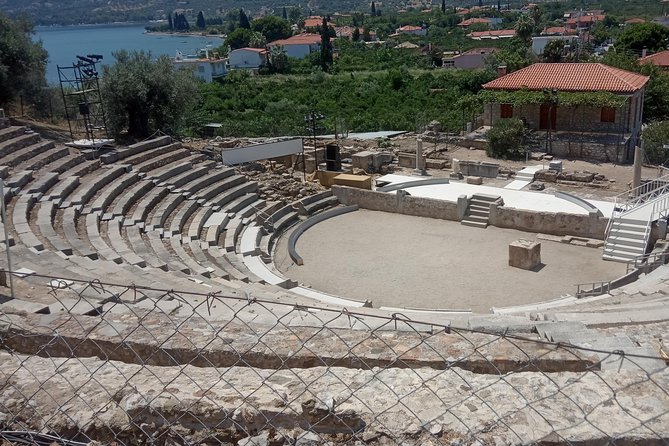
The theatre construction started in the 4th century BC for a smaller city-state, which is exactly why it feels different from the famous bigger theatres. It had 9 tiers and 18 rows of seats and could host about 2,000 spectators originally. Some seats include inscriptions that point to dedication to Dionysus, which you can use as a lens while you explore the space.
In Roman times, the theatre was reworked. The orchestra became semi-circular, and the seating layout was reordered. That’s a detail worth noticing because it explains why the theatre doesn’t look like a single clean moment in time. It looks like layers, people changing their minds, and the site evolving with power and culture.
There’s also a historian connection that makes the theatre feel extra personal. The historian Pausanias visited the area in the middle of the 2nd century BC and did not mention it, so people believe the theatre may only have been in use for about seven centuries after construction. That kind of gap in the record can be frustrating for scholars, but for visitors it gives your visit extra texture, like you’re standing in a place that has been partly remembered, partly lost, and partly recovered.
The Little Theatre today: the Greek Festival vibe, restored seating, and atmosphere
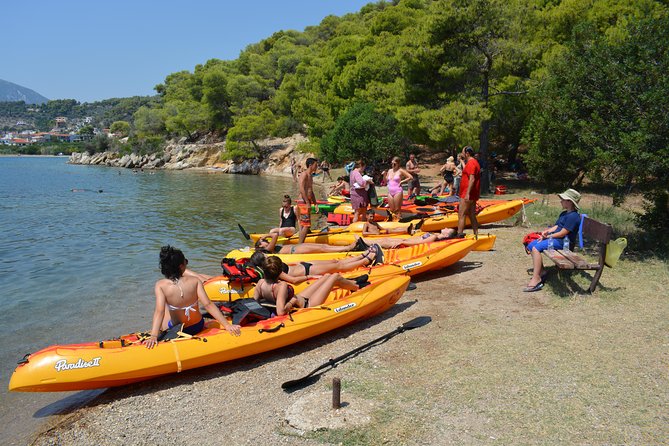
What you see now is a theatre still evolving. Restoration work is ongoing, and the seating available today is estimated for about 800 spectators, with more seats still being restored. That means your visit is not just about viewing ancient stone. It’s about witnessing an active recovery project.
During summer, the Little Theatre hosts the annual Greek Festival with music, dance, and theatre performances. Performances are typically in modern Greek or ancient Greek, so depending on what month you visit, the site may feel extra alive through programming. Even when you’re not catching an event, you can still imagine it as a community stage rather than just an archaeological exhibit.
This theatre also gives you a more human scale than the bigger Epidaurus sites. The day already includes the big visual wow of the Sunken City underwater, so the theatre works as a calmer counterpart, something you can slow down for. You stand, look, listen, and let the guide connect architecture with ancient celebration and religious life.
Athina EcoFarm after the theatre: local organic food that feels earned
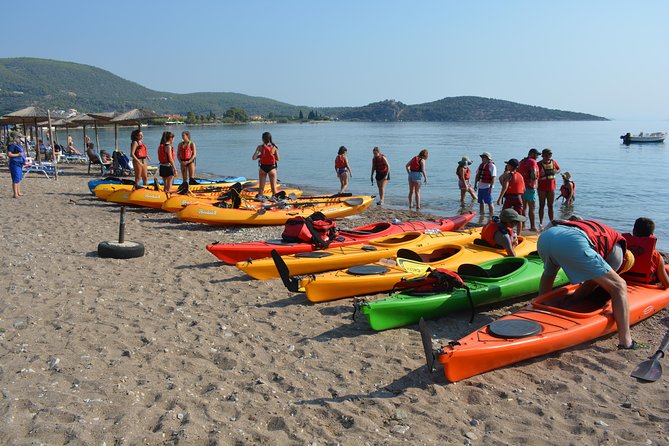
After the theatre, you continue on to Athina EcoFarm for rest and a meal made from local organic products cultivated in the area using ancient methods. This is the kind of stop I like because it shifts the day from seeing history to tasting it. It’s not a buffet laid out to move people through.
You’re also likely to get short learning moments around ancient Greek heritage in cooking, cultivating, and harvesting. The key is that it doesn’t feel like a lecture. It’s more like an invitation to appreciate why ingredients taste the way they do when the focus is local, seasonal, and long-established methods.
And yes, the location and timing matter. You’ve been in the water and walking around, so food at this point feels practical, not performative. You’ll often hear praise for the homemade-style quality of the lunch, and that tracks with what this farm stop aims to deliver.
Price and timing: is $96.75 good value for this exact mix?
At $96.75 per person for about 4 hours, this is a mid-range price that only really makes sense if you want the combination. You’re paying for multiple components in one package: a guided kayak outing, snorkeling with masks, a theatre visit with interpretation, and an included meal.
If you only want the theatre, you could do it cheaper by focusing on land. If you only want sea kayaking, you might find single-activity tours that cost less. But this itinerary stacks value by letting you do both in one day with a guide who ties them together.
The small group size is part of what makes the price feel fair. A max of 10 travelers means less waiting, better coaching, and more flexibility if conditions change. It also helps with the snorkeling experience, because your guide can manage the pacing and keep people from feeling rushed when they’re getting their bearings.
So here’s my practical take: this price is worth it if you’re the type who wants variety and you’re comfortable being active for half a day. If you want a slow, sit-and-stare museum day, this might feel like too much motion packed together.
What to expect from the pacing, fitness level, and real-world comfort
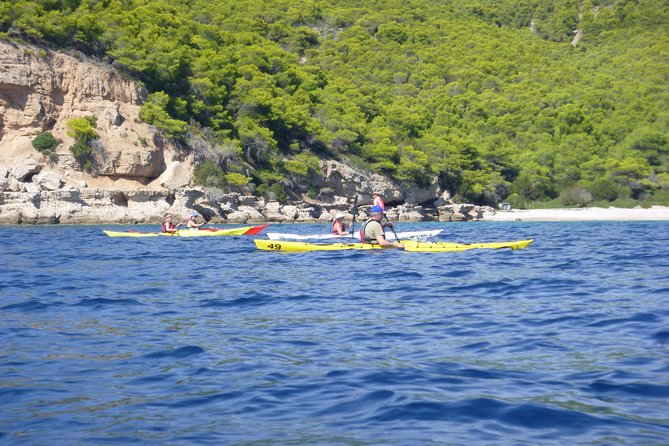
Most people can participate, and the guiding style seems designed for mixed comfort levels. You’ll be up on the water in a sea kayak and you’ll have a swim/snorkel segment. That’s not a “no effort” tour, but it also isn’t presented as extreme.
The snorkeling part is the most skill-dependent. Because the water is shallow near the ruins, it’s usually easier to manage than deep-ocean snorkeling. Still, being able to stay calm with a snorkel and mask helps. If you’re worried, ask the guide to show you how they want you to move in the water before you commit.
The kayaking itself can feel like a learning curve at first. One note that came up is that some kayaks can be a little difficult to maneuver. The fix is simple: go slowly at the start, let the guide get your posture right, and avoid over-correcting your stroke. With calm hands and small adjustments, it usually clicks.
Who this trip is perfect for, and who might prefer something else
This is a strong match for you if you love any of these:
- You want sea kayaking with real sightseeing, not just scenery.
- You like snorkeling where you can see something meaningful right below you.
- You enjoy guided explanations that connect ruins, plants, and local farming.
- You want a half-day that includes both history and food.
It may be less ideal if:
- You are uncomfortable in the water or would prefer staying fully dry.
- You only want one type of experience, like strictly theatre or strictly kayaking.
- You get easily frustrated with new gear and want a tour that teaches everything from scratch without any need for adaptation.
Also, weather matters here. The experience requires good weather, and if conditions are poor, the plan can be changed or refunded. That’s not a dealbreaker, it just means you should treat your date choice seriously.
Should you book this Epidaurus sea kayak tour with Tribal Kayak?
I’d book it if you want the best kind of Greek day trip: active, scenic, and genuinely different from the standard ruins shuffle. The Sunken City snorkeling adds a rare wow factor because you’re looking at ancient remains in shallow water, not just seeing a distant monument. Then the Little Theatre gives you a second “wow” on land with a story that feels specific to this site, not a generic theatre overview.
I also like that you get food at the end that connects to local farming and ingredients. That makes the whole day feel complete, like the tour didn’t stop at the last photo.
One final tip for your decision: because the group size is small, book early if your dates are fixed. The outing is typically reserved well in advance, so waiting can shrink your options.
FAQ
What time does the sea kayak tour start?
The tour starts at 10:00 am.
Where does pickup happen?
Pickup is offered from the small port of Epidavros.
How many people are in the group?
The group is limited to a maximum of 10 travelers.
Is the tour in English?
Yes, the experience is offered in English.
What happens at the Sunken City during the snorkeling part?
You paddle to the Sunken City area, then you are given masks to swim and snorkel among ancient ruins near the seabed, which is described as very shallow (about 2 meters deep).
What meal is included during the tour?
You stop at Athina EcoFarm for a scenic meal made with local organic products, cultivated in the area using ancient methods.
What if the weather is bad?
The tour requires good weather. If it is canceled due to poor weather, you will be offered a different date or a full refund.
Are service animals allowed?
Yes, service animals are allowed on this experience.
New pins on the Corinth chart
- From Athens: Half-Day Biblical Corinth Tour★ 4.8 · 83 reviews
- Sea Kayak Epidavros – Ancient Sunken City Tour★ 5.0 · 213 reviews
City Tours, compared.

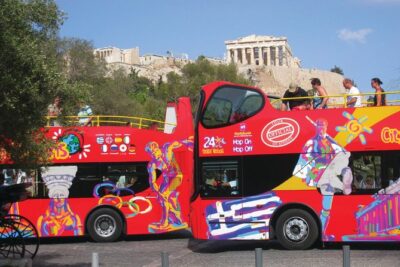
City Sightseeing Athens, Piraeus & Beach Riviera Hop-On Hop-Off Bus Tours
Read our review →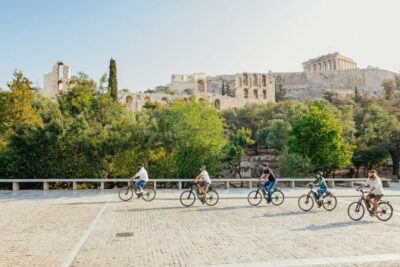
City Electric Bike Tour with Acropolis Visit Option
Read our review →
Acropolis, Parthenon & Athens Old City Heritage Walking Tour
Read our review →
City Pass with Acropolis, Museums, HoHo & Transport
Read our review →
Browse the lists this tour appears in