
Reviewed · HISTORICAL TOURS
From Chania: Crete World War II History Tour
Crete World War II feels close and personal. This small-group tour strings together Maleme, Tavronitis Bridge, the Battle of Crete sites, and both German and Allied cemeteries so you can see how the May 1941 invasion unfolded. I love the site-by-site storytelling and the chance to pay respects in war graves that are still carefully kept. One drawback to factor in is that the day can run a bit long, with limited scheduled breaks, so you’ll want to plan ahead.
You’ll ride in an air-conditioned minivan with pickup and drop-off around Chania, and the guide mix is often praised for clear maps and old photos that make the campaign make sense. I also like that you don’t stay in one museum room all day. You move through real places, including small displays, monuments, and even secret shelters, then end at the cemeteries where the tone becomes quietly solemn.
In This Review
- Key moments you’ll remember
- From Chania to the front line, in one long 6-hour loop
- Maleme and Tavronitis Bridge: seeing the invasion route, not just reading about it
- Galatas and the Battle of Crete story arc, from 1940 to May 1941
- Secret shelters, monuments, and small museums where the war feels human
- Partisans, resistance, and the Allied morale angle you can feel in the story
- German and Allied cemeteries: where the tour becomes truly quiet
- The private WWII collector stop, and why it can be more powerful than it sounds
- Price and value for $111, with what’s included that actually saves you hassle
- Who should book this Chania WWII tour, and what kind of day you’re buying
- Should you book? The short answer
- FAQ
- How long is the Crete World War II History Tour from Chania?
- Does the tour pick up only in Chania?
- What languages are available during the tour?
- What’s included in the price?
- What should I bring?
- Are pets allowed on the tour?
Key moments you’ll remember
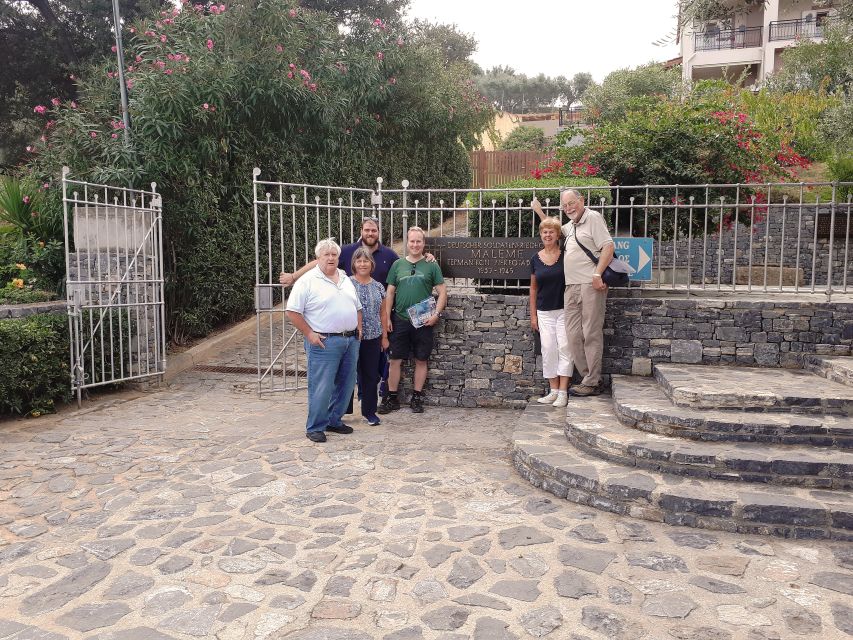
- Maleme airfield views that put the first landings into perspective
- Tavronitis Bridge as a key piece of the coastal story
- Galatas battle area explained as part of the bigger timeline
- Secret shelters and small museums that add the civilian angle
- German and Allied cemeteries that make the cost of war impossible to forget
From Chania to the front line, in one long 6-hour loop
This tour is built for people who want a focused World War II day without the stress of driving. You meet up somewhere in the Chania region, hop into an air-conditioned minivan, and spend the next several hours on the route where the Battle of Crete is rooted in the terrain itself. The official duration is listed as 6 hours, but at least one guide-led day has run closer to a 6.5-hour experience depending on timing and the pace between stops.
That matters because the logistics affect comfort. You get a snack and a bottle of water per person, and the vehicle is set up for comfort. Still, you’re moving between locations, and the tour packs in multiple stops, so don’t expect a relaxed, slow sightseeing day. Wear comfortable shoes and bring a little patience for heat, especially in summer.
I also like that the format is designed as a small group tour. That tends to make it easier for the guide to pace questions and explain the story in a way that clicks, rather than talking into a megaphone with no back-and-forth. A couple of guides named in past outings include Yanis and Babis, and the common thread is that you’re shown how to read the battlefield, not just what happened.
More Chania landfalls to plot
Maleme and Tavronitis Bridge: seeing the invasion route, not just reading about it
The day often starts around Maleme, one of the most important place names in the Battle of Crete. You’ll visit the pretty village area tied to the German paratrooper landings, and you may even see the Maleme airfield from above. Standing in the right spot changes everything. Suddenly, you can understand why control of certain air and ground points mattered so much for the rest of the invasion.
This is where a guide’s maps and old photos make a real difference. You’re not just being handed dates. You’re taught how the geography shaped decisions. You learn how the battle’s early pressure connected to what followed along the coast and inland.
Then you go on to Tavronitis Bridge, another stop that earns its place on the itinerary. Bridges and crossing points sound minor until you understand the chaos of fast-moving troops, supply lines, and attempts to move people and materials under fire. With the guide pointing out what to look for, Tavronitis Bridge becomes more than a structure. It turns into a moving part of the battle story.
Practical tip: when you’re at Maleme and Tavronitis, slow down for a moment. Look at what you can see and what you can’t, then listen to how the guide connects it to movement and timing. The payoff is that the battle starts to feel like a sequence you can follow.
Galatas and the Battle of Crete story arc, from 1940 to May 1941
What I like most about this tour is that it doesn’t treat the Battle of Crete as a random episode. It sets up the background that leads to Hitler’s Operation Mercury, then zooms into what happened on Crete.
Before May 1941, you’ll hear about the Greek-Italian War of 1940 and the conditions that shaped the region. That context helps you understand why Crete became a target and how the wider southeast Europe picture fit together. If you only know Crete as a WWII backdrop, this part gives you the chain of events that makes the invasion feel logical.
Then the focus turns to the battle period itself, including the battle of Galatas and other major battle fronts. One commonly referenced explanation centers on Hill 107, where the guide breaks down how fighting unfolded and why certain positions mattered. Again, this isn’t just a history lecture. It’s guided interpretation of terrain, with the guide using maps and supporting documents so the narrative stays chronological and understandable.
Balanced note: the tour’s value comes from packing many meaningful sites into one day, but that also means you won’t linger as long at each spot as you might on a slower, self-guided trip. If your ideal day is long museum time, you may find the rhythm fast. If your ideal day is a clear battle timeline tied to actual places, this format tends to land well.
Secret shelters, monuments, and small museums where the war feels human
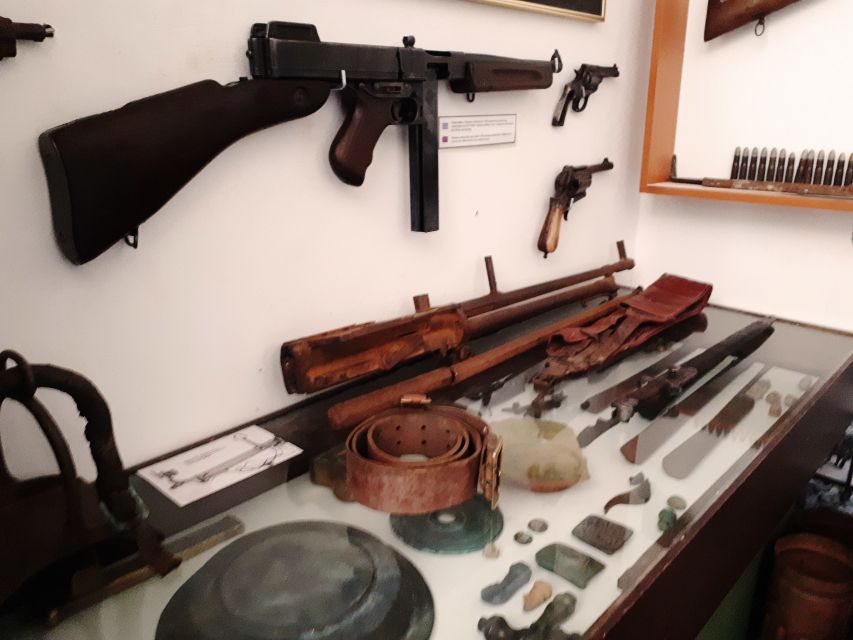
A big reason this tour earns such strong ratings is that it doesn’t only point at fighting sites. You’ll also visit places connected to the occupation reality, including secret shelters, monuments, and smaller museum-style stops. These are the moments where war stops being only strategy and starts being daily survival.
When guides talk about shelters and hidden spaces, you can picture ordinary people making hard choices. You learn how the islanders adapted, concealed, and resisted even while under pressure. It’s one thing to read about occupation. It’s another to stand near physical reminders and have the guide connect the dots to how people lived.
You might see smaller displays where specific remnants are placed in context. That can feel more personal than a large, generic museum. One advantage of the smaller stops is that the guide can slow down at key points and point out details you’d otherwise miss. The tour also includes entrance fees, so you’re not bouncing between ticket lines and waiting around.
If you’re the type who likes photos, maps, and documents, you’ll probably enjoy how some guides use supporting materials to keep the story anchored in what you can see in front of you. It’s not about memorizing. It’s about understanding cause and effect.
Partisans, resistance, and the Allied morale angle you can feel in the story
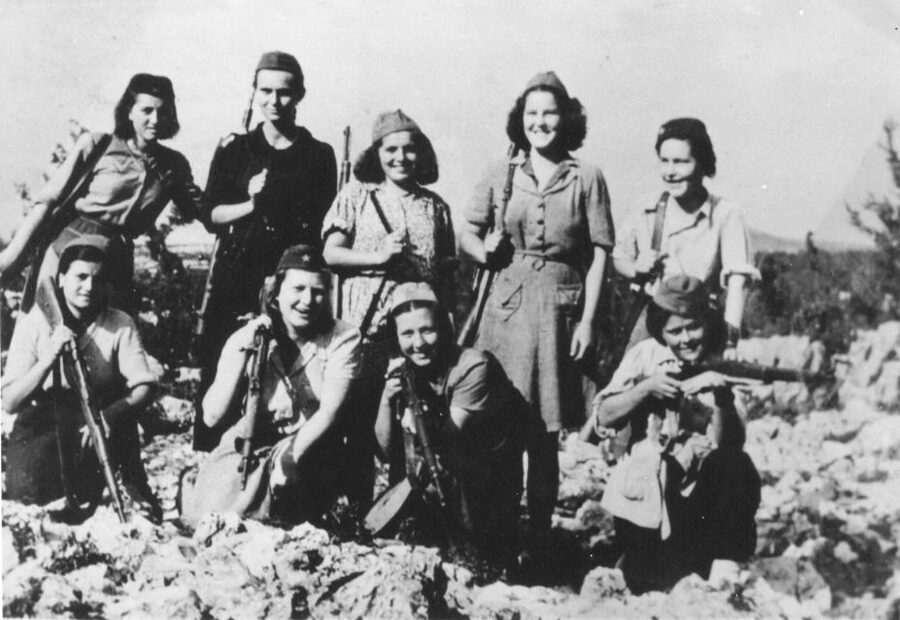
Resistance is a central theme here. You’ll hear about the role partisans played, including how their actions supported the British, Australian, and New Zealand forces. This angle matters because it shifts the story away from only one-sided military movement and toward the network of local resistance that affected outcomes.
Another part of the tour’s appeal is that it links Crete’s resistance to a wider Allied morale effect. The idea is that the battle and the resistance to the invasion didn’t just change Crete. It helped lift Allied morale around the world, and the guide explains why that mattered in the broader WWII mindset.
In a good tour day, this isn’t delivered as a slogan. It’s taught as a chain of actions and reactions. You’ll connect it to where people moved, hid, and operated, which is why those shelter and monument stops are more than extras.
On some departures, you may also get an emotional, personal touch. One account includes an unexpected meeting with a member of the public who shared a family story from that time. If that happens on your day, it can make the history feel less like a chapter and more like a living memory that someone still carries.
More Things to Do in Crete
- From Kissamos Port: Boat Cruise to Balos Lagoon & Gramvousa
★ 4.2 · 6,755 reviews - From Chania: Full-Day Samaria Gorge Trek Excursion & Guide
★ 4.6 · 3,191 reviews - Cretan Safari – 4×4 Adventure to Preveli Beach with Lunch
★ 5.0 · 780 reviews - Elafonissi Beach Day Trip from Chania -Stop in Elos Village
★ 4.5 · 744 reviews
German and Allied cemeteries: where the tour becomes truly quiet
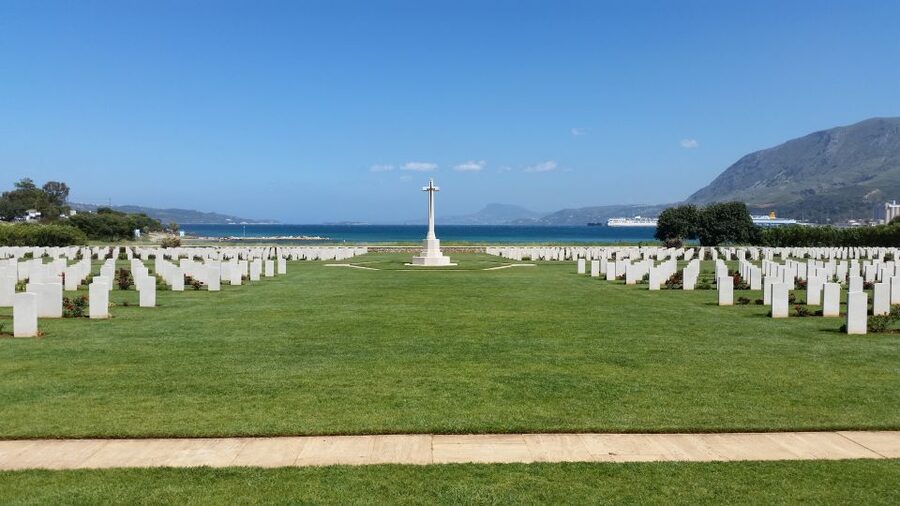
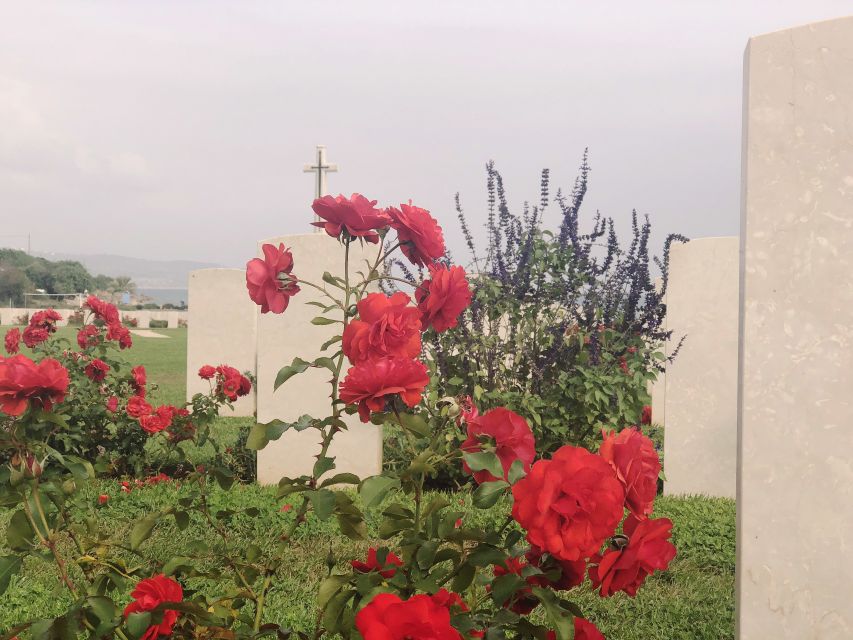
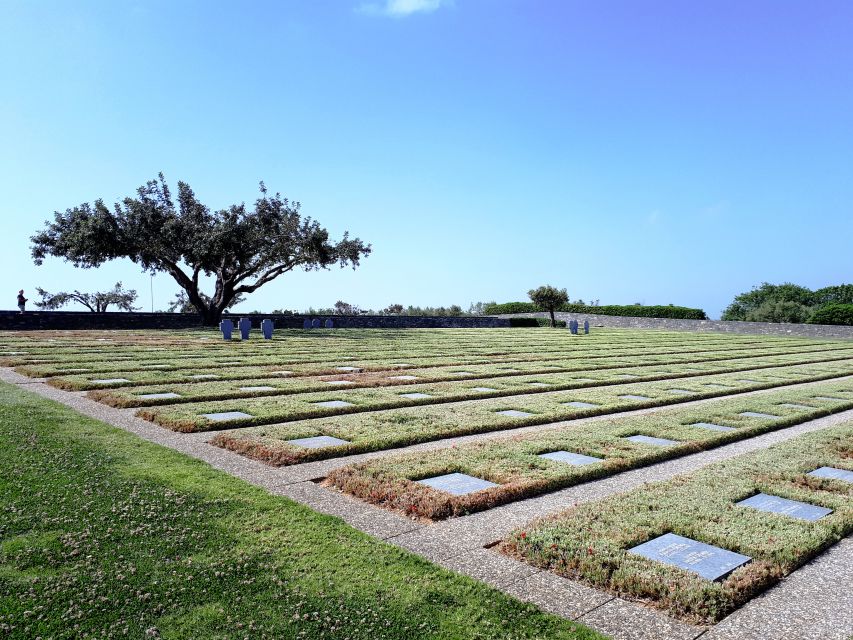
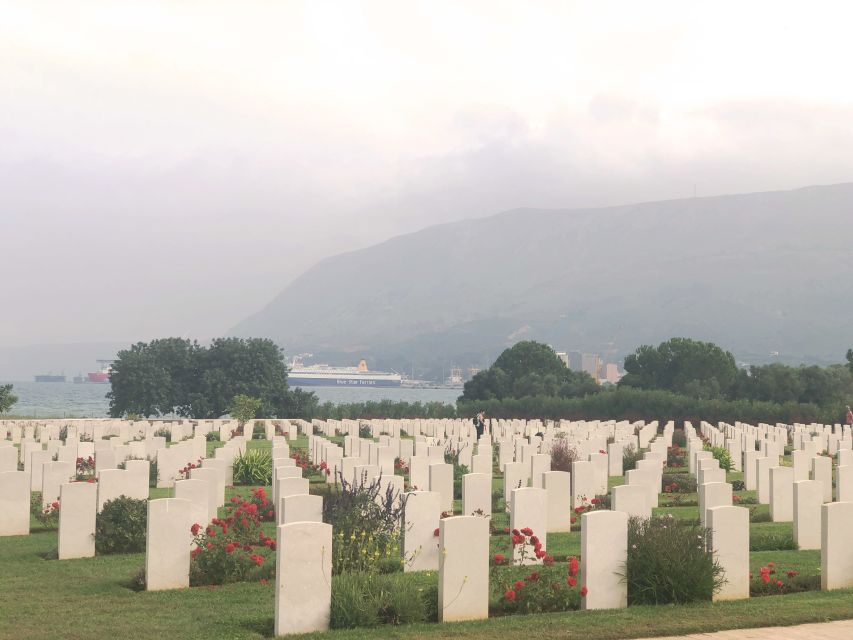
Most WW2 sites are moving, but the cemeteries are on another level. This tour includes visits to war cemeteries for both German and Allied forces, and that “both sides” approach changes the tone in a good way. It becomes less about scoring points and more about recognizing loss.
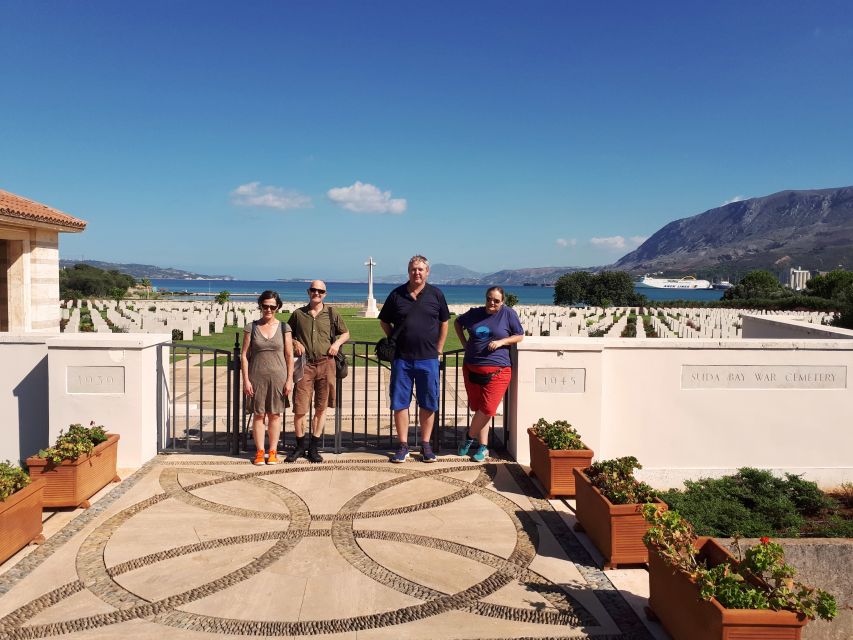
The Commonwealth cemetery experience has been described as beautifully preserved, with the care and upkeep standing out. Then you move on to the German graves, where some guides handle the words with particular sensitivity. That balance matters. The guide doesn’t treat one set of graves as less important. The emphasis is on respect.
Some days also include the Commonwealth burial grounds around the Souda Bay area. One personal account noted that the time at Souda Bay felt tight for what they needed emotionally. You should know this risk exists: because the day includes multiple sites, cemetery time may be shorter than you’d like if you’re there to mourn or reflect at length.
Practical advice: if you know you’ll want longer time, bring a quiet mindset and decide in advance what you want to do. Spend the first minutes looking for names and symbols, then choose one steady moment to read and absorb. If you get less time than you hoped, at least you’ll leave with a plan for how you used the time you had.
The private WWII collector stop, and why it can be more powerful than it sounds
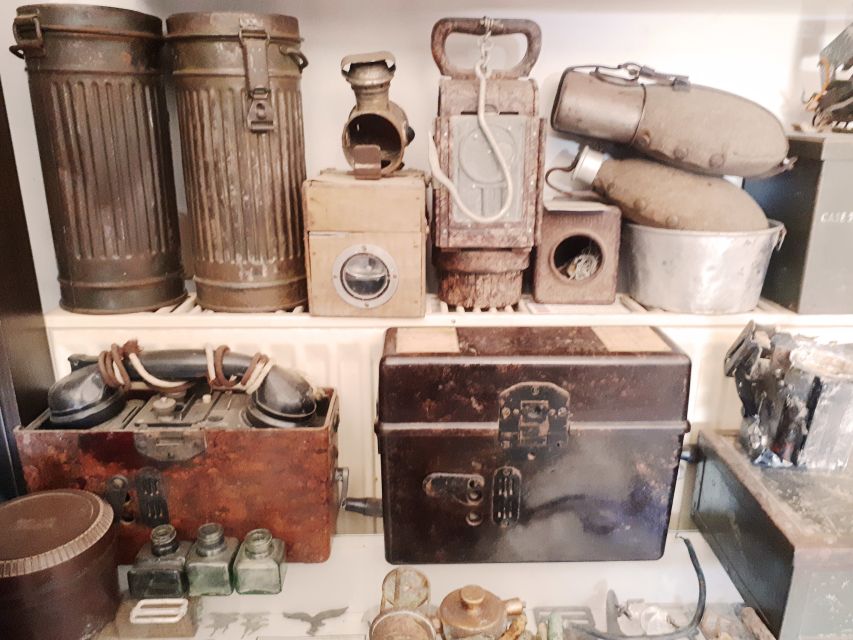
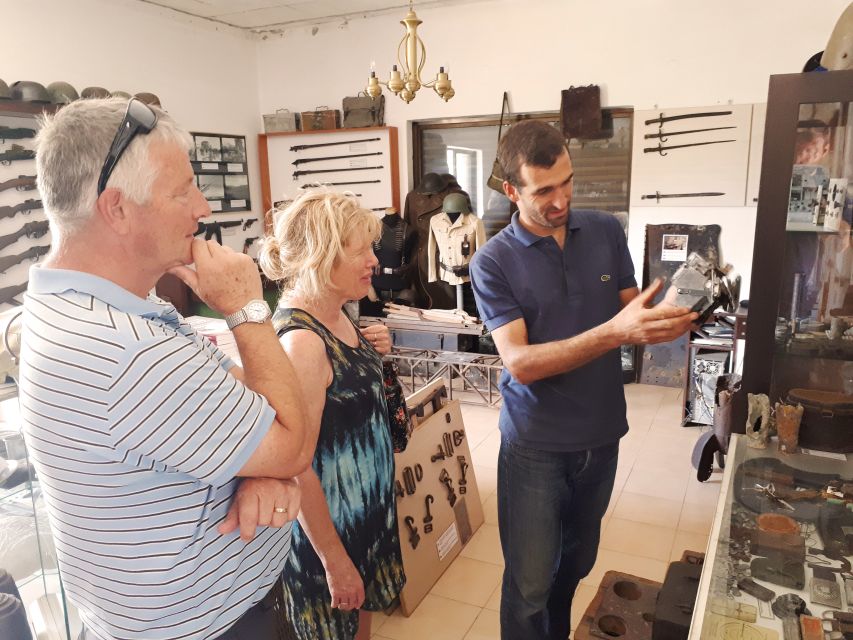
One recurring add-on in this tour experience is a visit to a private collector’s home with WWII items. This isn’t listed in the simple highlight set, but it appears in multiple accounts, and it can be a standout part of the day.
Why it works: you’re not seeing objects behind glass in a huge museum with minimal explanation. Instead, you can often get hands-on interaction or close-up viewing, and the collector can explain where items were found. That location detail is what makes the artifacts feel connected to Crete rather than becoming generic souvenirs.
There’s also a human element. The collector’s personal motivation comes through, and the explanations can turn a pile of objects into clues about specific moments and local experiences. If you like WW2 history, you may find this stop more memorable than another generic display.
Balanced note: some accounts mention the collector’s explanations ran long on certain days. If you’re someone who gets tired from extended indoor listening, you’ll still find value, but consider pacing your expectations and letting the guide know if you’d like a bit more movement or questions rather than long speeches.
Price and value for $111, with what’s included that actually saves you hassle
At $111 per person for a roughly 6-hour guided day, this tour competes well if you value two things: someone else doing the routing, and someone else translating the terrain into a story. The biggest value comes from what’s bundled.
You get:
- pickup and drop-off from the Chania region
- transportation in an air-conditioned minivan
- an English-speaking driver/guide plus a local guide
- entrance fees and local taxes
- a snack and bottle of water
- a small-group format
When you add up all those pieces, it stops being just a “tour price” and becomes a “day made easy” price. The entrance fees and taxes are not an afterthought. They prevent wasted time and add up when you’re trying to do this independently.
The main tradeoff is time. This is not a slow, choose-your-own-adventure day. It’s a guided route with a lot packed in. If you need lots of restroom stops, extra time at cemeteries, or you’d rather spend more hours in a single museum, you might prefer a lighter itinerary.
Who should book this Chania WWII tour, and what kind of day you’re buying
This tour is a great fit if:
- you want a clear overview of the Battle of Crete tied to specific places like Maleme, Tavronitis Bridge, and Galatas
- you care about the occupation and resistance side, including partisans and how it supported Commonwealth forces
- you want to visit both German and Allied cemeteries with a guide who keeps the tone respectful
- you’re visiting Crete for personal reasons tied to WWII, because the cemetery part can be deeply meaningful
It may be less ideal if:
- you hate structured days and prefer to wander without a plan
- you want long museum time and lots of sitting
- you’re sensitive to long days with limited scheduled breaks, since multiple accounts point out comfort breaks may not be frequent
My practical checklist: wear good shoes, bring water even though you’re provided a bottle, and if you need extra restroom stops, tell your guide early in the day. It can make the whole experience feel easier.
Should you book? The short answer
Yes, you should book this tour if you want one focused day that connects Crete’s WWII story to the actual sites, including the solemn German and Allied cemeteries. The guides in past departures, such as Yanis and Babis, are repeatedly praised for turning the campaign into a clear sequence using maps and supporting materials.
Skip it if you need a slower pace, or if a single long itinerary with limited breaks sounds like stress. And if you’re planning around heat or personal accessibility needs, ask questions up front so you can match the tour rhythm to your body and your expectations.
FAQ
How long is the Crete World War II History Tour from Chania?
The tour duration is listed as 6 hours.
Does the tour pick up only in Chania?
Yes. This tour only departs from the Chania region.
What languages are available during the tour?
The tour includes an English-speaking driver/guide, and the experience is offered in English and Greek.
What’s included in the price?
Pickup and drop-off from specific locations in the Chania region, air-conditioned transportation by minivan, an English-speaking driver/guide and a local guide, entrance fees, local taxes, a small group tour, and a snack plus a bottle of water per person.
What should I bring?
You should bring comfortable shoes.
Are pets allowed on the tour?
No, pets are not allowed.
New pins on the Chania chart
- Crete: Elafonisi – 4 hours in the beach★ 4.5 · 30 reviews
- Day Trip to Elafonisi Island From Chania with English Guide★ 3.5 · 31 reviews
- Chania Walking Food And Wine Night Tour★ 4.5 · 31 reviews
- Elafonisi Beach Private Tour (price per group of 6)★ 5.0 · 32 reviews
- Gastronomy tour and wine tasting in traditional villages★ 5.0 · 32 reviews
- Samaria Gorge Hike★ 5.0 · 32 reviews
Historical Tours, compared.
Historical Delphi One Day Tour with Arachova Stop & Expert Guide
Read our review →
Historic Athens: Small Group Electric Bike Tour
Read our review →
Acropolis, Parthenon & Athens Old City Heritage Walking Tour
Read our review →
Naxos Half Day History and Culture Guided Tour
Read our review →
Half-Day Guided History and Culture Sightseeing Tour
Read our review →
Small-Group Food and Cultural Tour in Corfu
Read our review →
Nydri: Sailing Through History. Daily Cruise with Beach BBQ
Read our review →Browse the lists this tour appears in