
Reviewed · WINE TOURS
Greek Cooking Class with a Local Chef, Wine, & Meal in Drios
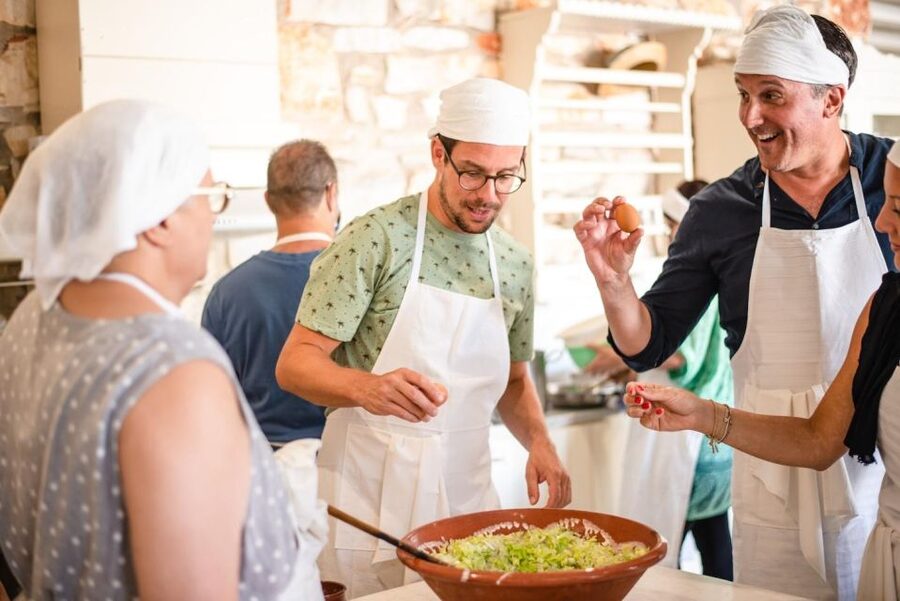
Food, wine, and dancing in one night. In the village of Drios on Paros, you cook from a local family recipe legacy with chef Maria Anousaki, then eat what you made with wine.
I love the hands-on rhythm, where you help prep a full six-dish meal as a group. I also like how the evening pairs cooking with wine and souma, then adds a Greek dance lesson before dinner.
One practical drawback to plan for is getting yourself to Drios. Transportation to the meeting point is not included, and the included drinks mean this is best for adults who are comfortable with alcohol.
In This Review
- Key reasons this Paros cooking class is so effective
- Why Drios is the right setting for Greek cooking lessons
- Meeting Maria Anousaki at Anezina Village in Drios (what the 3.5 hours feel like)
- Welcome aperitif: Greek wine, souma, and the meal story
- Rolling up your sleeves: cooking the 6-course menu like a local
- Appetizer, salad, then the main event
- Meat main dish: learning technique, not just taste
- Fish main dish: timing matters more than you think
- Vegetarian main dish: proving Greek cooking has range
- Dessert: the final lesson in closure
- The dance break: learning Greek steps while the kitchen keeps working
- Dinner at your table: paired with wine and built from your work
- Recipes to take home: how you actually use them
- Price and value: what $136 really buys you in Paros
- Who should book this cooking night in Drios
- Practical tips before you go (so it runs smoothly)
- Should you book this Paros Greek cooking class?
- FAQ
- What is included in the Greek Cooking Class with wine, souma, and meal in Drios?
- How long is the experience?
- Where do I meet the group in Drios?
- Are dietary needs accommodated?
- What drinks are included?
- Is transportation to the meeting point included?
Key reasons this Paros cooking class is so effective
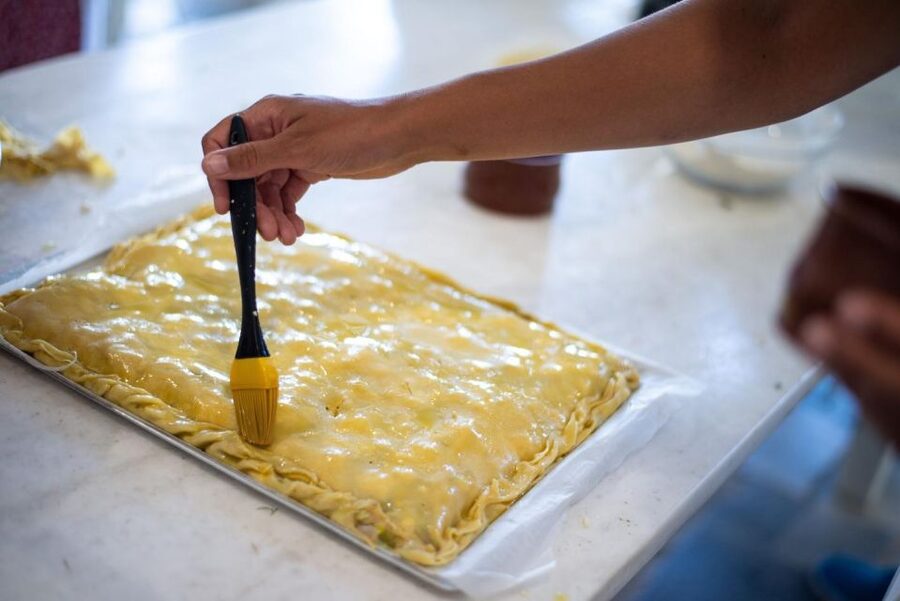
- Grandmother-based recipes taught step-by-step by a local chef from Anezina Village
- A true 6-dish, group-collaboration menu: appetizer, salad, meat main, fish main, vegetarian main, dessert
- Wine and souma included, starting with an aperitif and continuing with your meal
- A short Greek dance lesson that keeps the energy up while food cooks
- You get recipes to take home, so the skills do not stop at dinner
- Dietary adjustments are possible, including vegetarian, vegan, or gluten free menu changes
Why Drios is the right setting for Greek cooking lessons
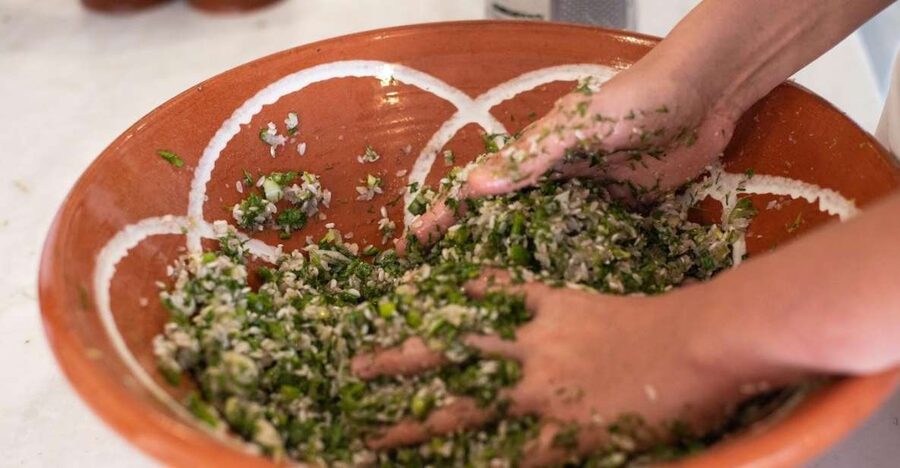
Paros has a way of making everyday life feel worth slowing down for. Drios is the kind of small village where you are not stuck in a tourist bubble, and the class feels tied to local routines rather than staged for photos.
The key thing here is that the setting matches the concept: a home-style meal approach. You are not just watching someone cook. You are helping make a whole Greek table, course by course, and then eating together.
That matters because Greek cooking is not one big secret trick. It is timing, taste checks, and technique you can repeat.
Meeting Maria Anousaki at Anezina Village in Drios (what the 3.5 hours feel like)
Your experience runs about 3.5 hours, so it is long enough to learn real skills without feeling like a full-day commitment. The pacing is designed to keep you moving, from a welcome drink to chopping and mixing to sitting down for a plated meal made from your work.
You meet in Drios at the place marked Anezina Village on the main road. Once you reach Anezina Hotel & Village, you check in with the staff.
What I like about this format is how it reduces dead time. You get a drink first, then you get into the cooking right away, and you do the dance lesson before the meal so the whole afternoon never goes stale.
You should also know the class runs with English and Greek instruction. If you are comfortable with either, you will follow the steps easily, and the team can adapt for dietary needs.
Welcome aperitif: Greek wine, souma, and the meal story
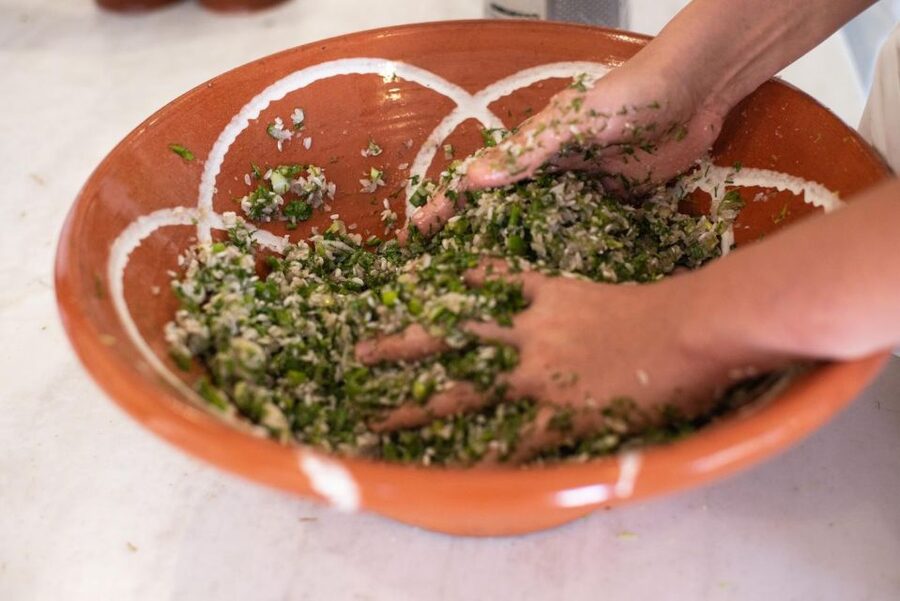
The experience begins with an aperitif that includes Greek wine and souma. Souma is a traditional spirit made from the remnants of winemaking, so it fits the theme perfectly. It also gives you a taste of local fermentation culture, not just generic wine service.
Along the way, you learn context about what you are about to make and why it fits Greek tables. The goal is not to turn this into a lecture. It is to give you a reason for the ingredients and methods so your cooking makes sense.
This early start helps in two ways. First, it sets a social tone right away for meeting other people. Second, it makes the class feel like an evening out, not a kitchen chore.
Rolling up your sleeves: cooking the 6-course menu like a local
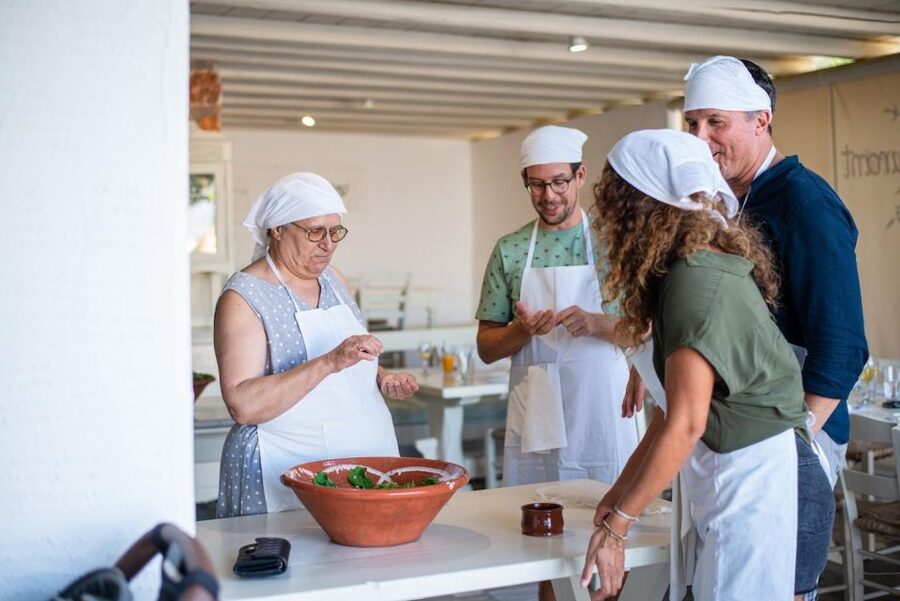
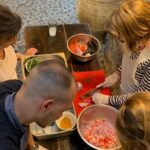
This is a hands-on class built around six dishes, with step-by-step support and all equipment and ingredients provided. The lineup is structured to cover a broad Greek meal, so you leave with a set of recipes that makes sense as a real dinner party menu.
Here is how the cooking portion is set up:
Appetizer, salad, then the main event
You start with an appetizer and then move into a fresh salad. This part is useful if you want to learn Greek flavor balance, especially the way acidity, herbs, and olive oil come together.
After that, the class moves into the three main dishes: meat, fish, and a vegetarian option. That trio is not just for variety. It is also a practical way to learn how Greek cooks adapt techniques depending on the protein.
Meat main dish: learning technique, not just taste
With the meat course, the focus is usually on seasoning and cooking method. You are working with fresh local ingredients and guided through what to do, not guessing your way through.
This is where you pick up the kind of skill that pays off later. You learn how to taste as you go, and you learn how to avoid common issues like under-seasoning or overcooking.
Fish main dish: timing matters more than you think
Fish can be trickier than meat because timing and heat control matter. In a class like this, the best value is that you get coaching while the dish is actually in progress.
If you take notes on what worked, you can carry those instincts home. And because the lesson is interactive, you get support when something does not look right.
Vegetarian main dish: proving Greek cooking has range
The vegetarian course is important for the overall feel of the night. Greek food is often associated with meat, but the vegetarian dish shows how legume, greens, and vegetable-focused meals can still feel full and satisfying.
Also, the class is set up so it can accommodate vegetarian and vegan needs through menu changes. That means the vegetarian learning outcome is not treated as an afterthought.
Dessert: the final lesson in closure
Dessert caps the experience and gives your kitchen learning a satisfying ending. If you pay attention to method and ingredient ratios, you can take the dessert recipe home and recreate it for friends quickly, even if the main courses feel a little more advanced.
The dance break: learning Greek steps while the kitchen keeps working
Before you sit down to eat, you get a Greek dance lesson with guidance from the team. This is not “watch from the sidelines.” The idea is to get you moving as food finishes cooking.
Why it works: it breaks up the kitchen concentration. Your body resets, your group energy rises, and the whole evening turns into a shared memory instead of a series of tasks.
In past sessions, the dance has been described as Syrtaki-style group dancing, and even learning short steps keeps things fun for people who are not used to dancing.
It is also a clever pacing tool. Dinner is not rushed, because your attention shifts from chopping to stepping to laughter, then back to the table.
Dinner at your table: paired with wine and built from your work
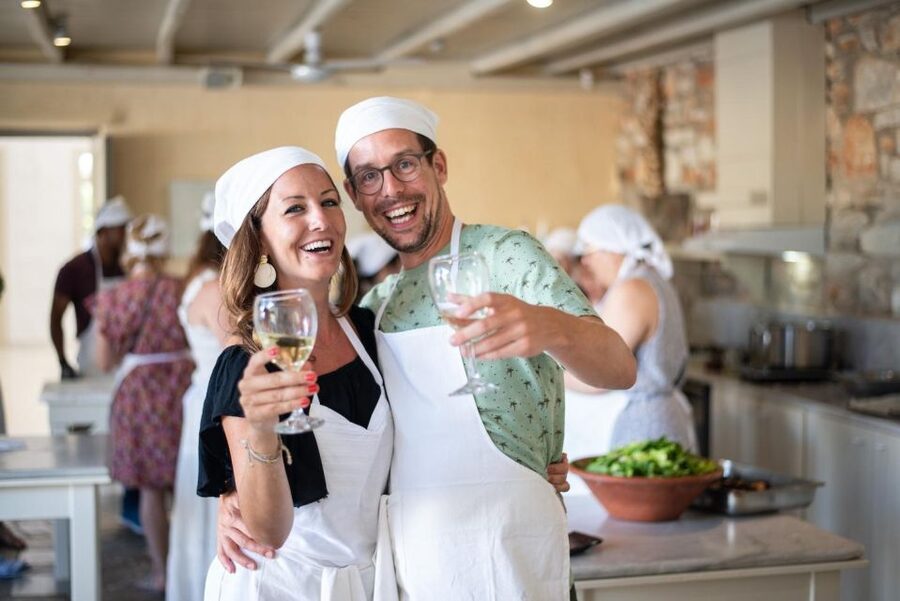
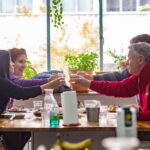
Once the dishes are ready, you sit down for the meal. The food you eat is the food you helped make, which changes the experience in a big way.
You are not judging a menu photo. You are tasting your own choices, your own seasoning, and your own timing. That makes feedback feel immediate, and it helps the recipes become more than written instructions.
Your meal is paired with more local wine. That pairing matters because Greek cuisine often leans on olive oil, herbs, and bright flavors. Wine pairing is part of the overall “this is how a Greek table works” education, not just an added perk.
Recipes to take home: how you actually use them
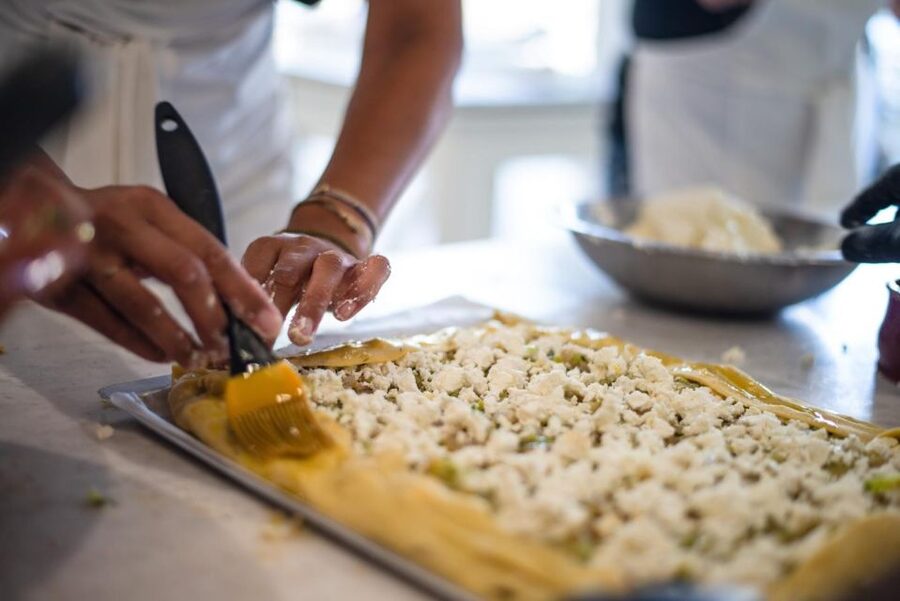
One reason this class earns repeat-booking energy is the takeaway. You receive recipes to take home, and the materials are designed to be usable, not just souvenirs.
Based on how the experience is run, you are likely to get more recipes than the exact number of dishes you cook that day. That gives you a backup plan if one course takes more practice to recreate.
Practical advice: when you get the recipes, recreate one dish first and keep it simple. The appetizer or salad is a good place to start because it tends to rely on technique plus seasoning, not complicated timing. After that, go for a main dish once you have the flavor logic down.
Price and value: what $136 really buys you in Paros
At $136 per person, this is not a “cheap activity.” But it is also not priced like a pure tasting tour.
Here is what you are paying for, in concrete terms:
- A local chef leading the class
- Cooking instruction for a full six-dish meal
- All ingredients and equipment during the session
- Wine and souma included, including an aperitif
- The meal itself, made from what you cooked
- Recipes to recreate the food at home
The value comes from combining learning, eating, and drinks into one event. Many food tours give you a few bites and a story. This gives you a full dinner and the ability to reproduce it later.
If you also consider that you are getting a social group setting plus a cultural activity (the dance lesson), the price starts to make more sense. You are paying for an experience that feels like being welcomed into someone’s kitchen, not a staged demonstration.
Who should book this cooking night in Drios
This class fits best if you want one of the more memorable “hands-on” nights on Paros.
- Food lovers who enjoy learning technique, not just eating
- Couples and friends who want a shared activity that ends with dinner
- Solo travelers who want a structured way to meet other people in a friendly setting
- Families looking for an activity that includes cooking, food, and group fun
It is also a strong option if you care about inclusivity. The menu can be changed for dietary needs like vegetarian, vegan, or gluten free.
Practical tips before you go (so it runs smoothly)
A few things help you get the most out of the evening:
- Plan your transport to Drios yourself. Transportation to the meeting point is not included.
- Come ready to participate. You will cook and you may dance, so comfortable shoes help.
- If you have dietary needs, tell them ahead of time. Menu changes are possible, but the earlier you communicate, the easier it is for them to plan.
- If you prefer less alcohol, eat first and pace your drinks. Wine and souma are included.
- Bring a small notebook or phone notes. You will likely want to capture your tweaks and timing observations once you taste the finished dishes.
Should you book this Paros Greek cooking class?
I think you should book this class if you want a fun, well-paced evening that mixes real cooking with Greek hospitality. The best part is the payoff: you do the work, you learn the steps, then you sit down to eat a full meal made from your own hands.
Skip it only if you want a silent, passively educational class, or if you do not want alcohol involved since wine and souma are part of the experience. Otherwise, this is one of those activities that turns a destination into something you can recreate at home.
If you are on Paros and you want the night that feels most like a local meal, in a village setting, this is a strong choice.
FAQ
What is included in the Greek Cooking Class with wine, souma, and meal in Drios?
The class includes a local chef, cooking instruction for an appetizer, salad, three main dishes (meat, fish, and vegetarian), and dessert, plus a welcome drink and more wine with the meal. You also get recipes to take home.
How long is the experience?
It lasts about 3.5 hours.
Where do I meet the group in Drios?
Meet at Anezina Village in Drios. Look for the Anezina Village sign on the main road, then check in at Anezina Hotel & Village.
Are dietary needs accommodated?
Yes. The menu can be changed for allergies or dietary needs such as vegetarian, vegan, or gluten free.
What drinks are included?
You’ll have an included aperitif with Greek wine and souma, and the meal is paired with included Greek wine.
Is transportation to the meeting point included?
No. Transportation to the meeting point is not included, so you’ll want to plan how you get to Drios yourself.
Vines on Volcanic Soil
Greek Kitchens, Taught by Hand
Wine Tours, compared.
Top Sights Day Trip, Wine Tasting, & Oia Sunset
Read our review →
Santorini Wine Adventure with 12 Wine Tastings, Tapas and Sunset
Read our review →
Santorini Wine Stories: Sunset Tour with Tasting & Dinner
Read our review →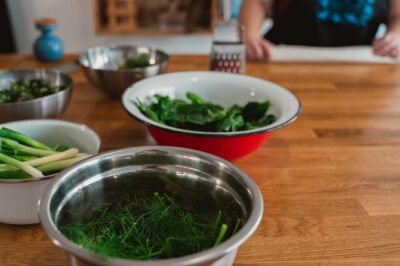
Classic Cooking Class with Market Visit and Wine
Read our review →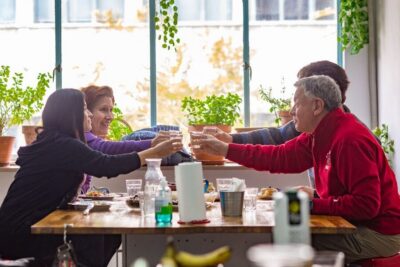
Food Market Visit and Cooking Class with Wine
Read our review →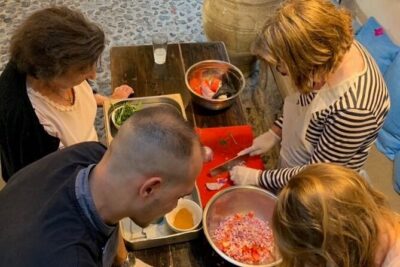
Greek Cuisine Cooking Class in Santorini with Recipes and Wine
Read our review →
Small-Group Sunset Wine Tour with Santo Winery
Read our review →Browse the lists this tour appears in