
Reviewed · METEORA MONASTERIES TOURS
Kalabaka: Meteora Small-Group Hiking Tour w/ Monastery Visit
Meteora looks unreal, up close on foot. This small-group hike takes you into the rocks for close-up trails and big panoramic views of the Eastern Orthodox monasteries. The tradeoff is real: you need solid shoes and you will handle uneven steps, including a tougher descent.
From Kalabaka, you’re whisked to Kastraki Square, then walk through hermitages, monastery ruins, and viewpoint stops before visiting Great Meteoron or Varlaam. You finish with a descent toward St. George the Madilas, where local tradition includes rope offerings.
In This Review
- Key Highlights
- Kalabaka to Kastraki Square, Then Straight Into Meteora
- Hiking Meteora’s Sandstone Hills for Real Views
- Dupiani Hermitage, Ypapanti, and the St. Dimitrios Ruins
- Great Meteoron or Varlaam: The Moment You’ll Remember
- Varlaam Descent to St. George the Madilas, Rope Offerings Included
- Small-Group Energy, Real Guide Stories, and Better Sightlines
- What to Wear and Bring So the Hike Feels Good
- Price and Value: Where the €5 Fees Fit In
- Timing, Transfers, and How to Build Your Kalabaka Day
- Who Should Book This Meteora Hike (and Who Should Skip It)
- Should You Book This Tour?
- FAQ
- How long is the Meteora hiking tour?
- Where does pickup happen?
- What do I need to pay for monastery entry?
- Is the guide included inside the monasteries?
- Is the tour in English?
- What should I bring for the hike?
- Are sandals allowed?
- What if I need to cancel?
Key Highlights
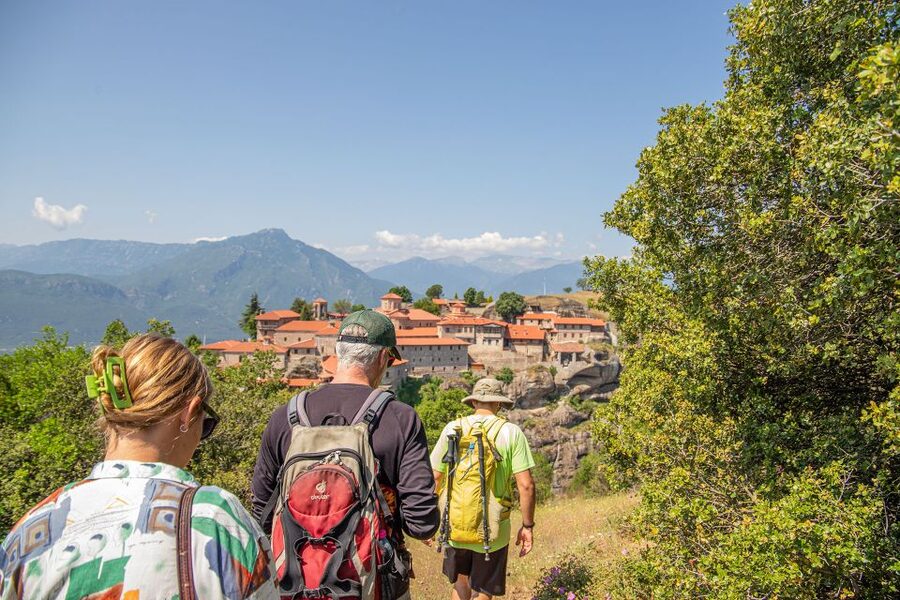
- Rock-hugging hiking routes that show Meteora’s shapes the way driving never can
- Monastery panoramas timed for great sightlines during the hike
- Dupiani Hermitage to Ypapanti and St. Dimitrios ruins for history you can see, not just read
- Great Meteoron or Varlaam visit with time to explore the grounds and monastery interior on your own
- St. George the Madilas rope-offering tradition for a memorable local finale
- English-speaking mountain guide plus a map and water to keep you comfortable
Kalabaka to Kastraki Square, Then Straight Into Meteora
This is a half-day format done the practical way. You start in Kalabaka, then ride the short coach transfer to the trail area at Kastraki Square. That quick hop matters because it gets you moving while the morning air is fresh, without wasting time with a long bus ride right off the bat.
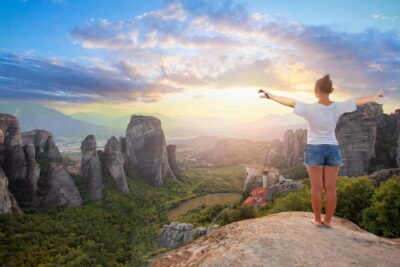
Once you step into the Meteora area, the tour shifts from sightseeing to walking. That change is the whole point. Meteora’s towers of sandstone look dramatic from roads, but on foot you notice the details that make the place feel alive, like how the rock patterns twist, where the trail hugs the slope, and how the monasteries sit like punctuation marks on the cliffs.
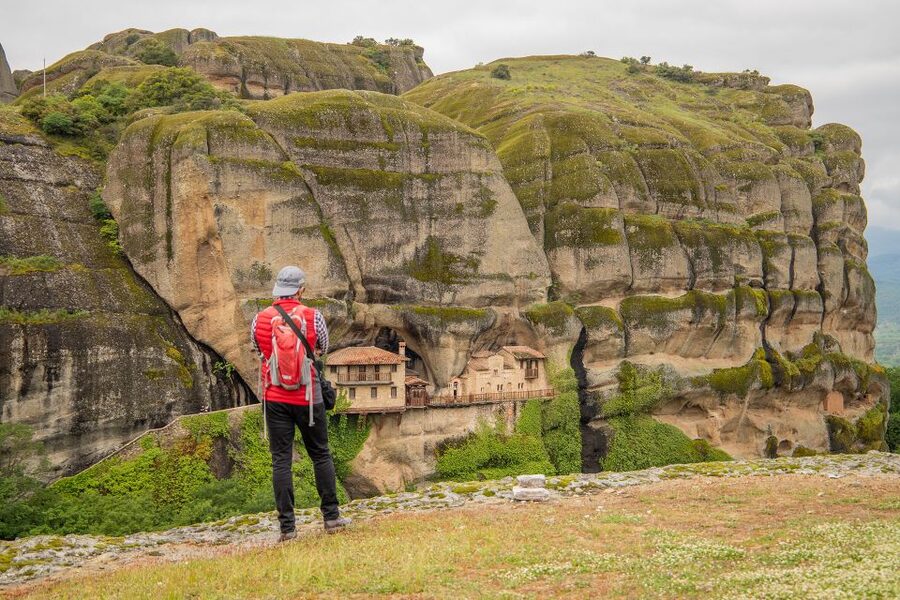
More monasteries balanced on stone pillars:
Hiking Meteora’s Sandstone Hills for Real Views
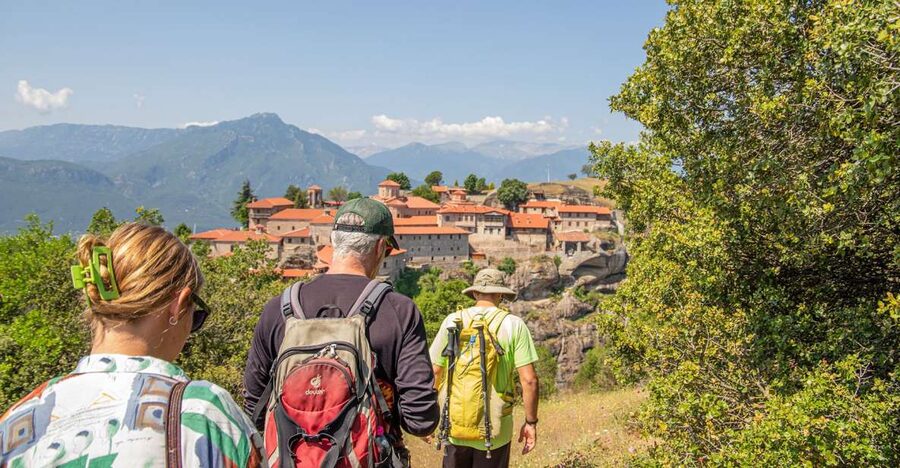
The best Meteora experience is walking. And on this tour, you do exactly that. The route is built around getting you close to the sandstone pillars and hills, then guiding you to the viewpoints that best frame the monasteries.
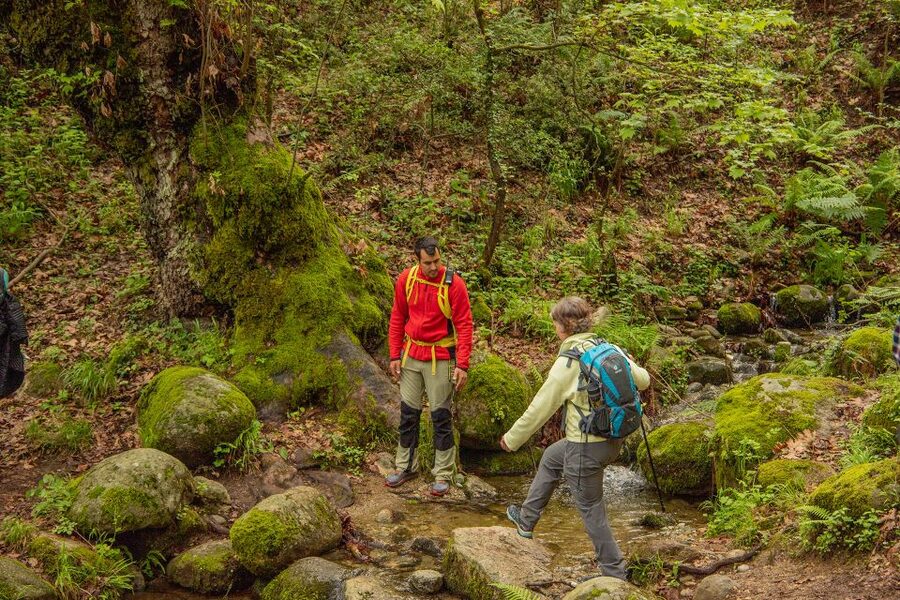
Expect a mix of paths: some stretches feel gentle enough to settle into, then you’ll hit short climbs or rocky sections where your footing matters. Reviews repeatedly mention that the hike can be manageable for beginners, but not effortless. Even when the pace is friendly, you are still walking on uneven ground.
One smart advantage of having a guide is pacing. Several guide names show up often, including Christos, Evan, Chris, and Dimitris/Dimitri, and the consistent theme is adjusting speed and stopping when needed. That is what turns a hike from a grind into a moving story, so you actually see what you are hiking through.
Dupiani Hermitage, Ypapanti, and the St. Dimitrios Ruins
Your walk begins near Dupiani Hermitage and soon you are passing right under the scale of Meteora’s cliffside world. One of the most interesting early segments is the approach that goes along the north side of Dupiani’s rock, where you pass below the ruined Pantokratoros Monastery.
Then the trail leads you to Ypapanti Monastery and onward to the ruins of St. Dimitrios, a monastery destroyed by the Ottomans in 1808 during a local uprising. This is the kind of history that sticks because you are looking at physical remains in context, not just a dated description.
What I like about this section is that it turns the hike into a guided timeline you can walk through. You are moving upward through different layers of the site, lower monasteries and hermitages, then eventually toward the big names. It also helps you understand why Meteora became a magnet for religious life: isolation, visibility, and defensible cliff positions all work together here.
Great Meteoron or Varlaam: The Moment You’ll Remember
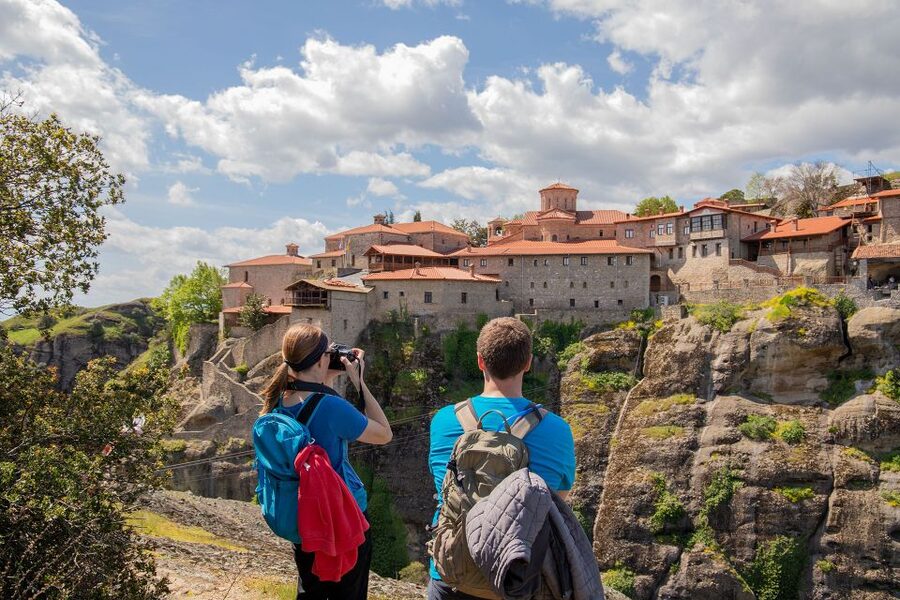
Midway through the morning, you reach the area where the famous monasteries sit high above the valley. The tour then includes a visit to either Great Meteoron or Varlaam, two of the six Eastern Orthodox monasteries in Meteora’s area and both part of a UNESCO World Heritage Site.
Here’s the key practical detail: monastery entry fees are not included, and you should budget €5 per person per monastery. The tour also notes that the guide inside the monasteries is not included, so you’ll get orientation and what to look for, then you explore at your own pace once you’re in.
This split is usually a good thing. You get the benefit of someone steering you to the best angles and explaining what you’ll see, without feeling rushed inside. A self-guided visit is also easier for photos because you can pause without worrying that the group is waiting for you.
On the way, there are photo stops that help you frame the monastery views from the trail. It’s not just about getting to one point. It’s about seeing how the monastery locations relate to the rock formations around them.
Varlaam Descent to St. George the Madilas, Rope Offerings Included
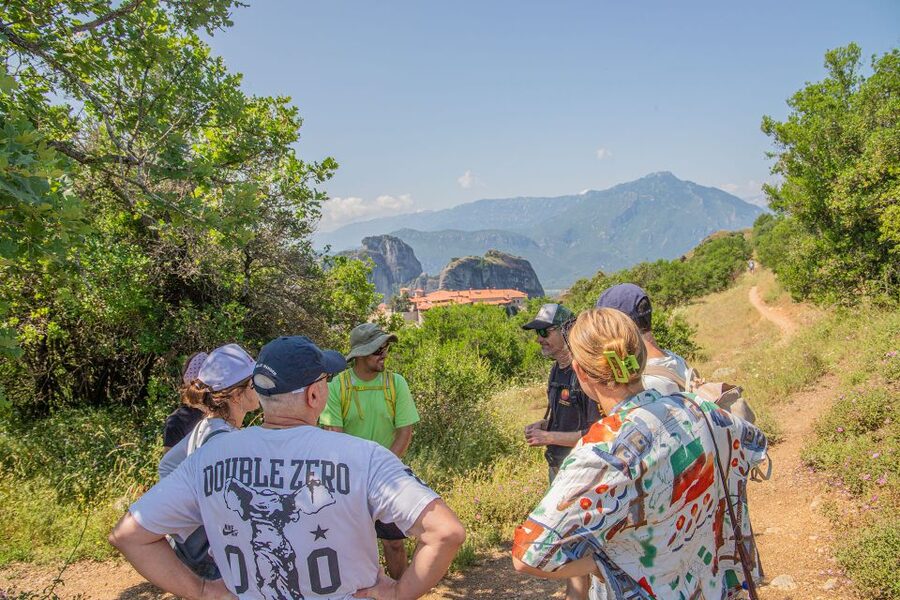
After your Great Meteoron or Varlaam time, the tour continues with more walking and viewpoint moments. Then you finish with a memorable descent toward St. George the Madilas.
This is one of the most distinctive cultural stops on the walk. The site is linked to a local practice where children climb with only a rope to dedicate offerings to St. George. Even if you’re seeing the tradition from the ground, the idea makes you look at the cliff differently. You stop thinking of Meteora as scenery, and start seeing it as a lived landscape where faith and local customs intersect.
The descent is also where good shoes earn their keep. Some guests describe the 30-minute descent as the harder part when footwear isn’t up to the job. If you choose one piece of preparation seriously, make it this.
More Greek ridgelines to walk:
- Meteora Small Group Hiking tour with Transfer and Monastery Visit
★ 5.0 · 484 reviews - From Chania: Full-Day Samaria Gorge Trek Excursion & Guide
★ 4.6 · 3,191 reviews - From Rethymno: Samaria Gorge Full-Day Trek, Pickup & Guide
★ 4.5 · 1,610 reviews - From Chania/Rethymno: Samariá Gorge Guided Hike with Pickup
★ 4.5 · 1,010 reviews
Small-Group Energy, Real Guide Stories, and Better Sightlines
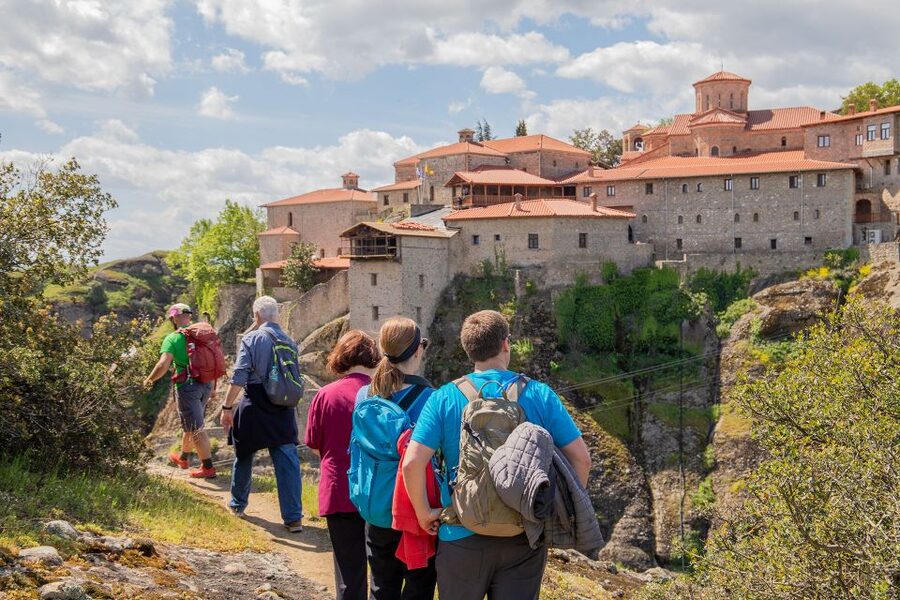
The tour is designed as a small-group hiking experience, and that matters. You move as a unit, but you’re not stuck waiting for a huge crowd. That can mean more attention from your mountain guide and more flexibility on route pacing.
The guide experience is often the difference between simply seeing Meteora and understanding it while you walk. The names that come up include Evan, Christos, and Dimitris/Dimitri, and multiple guests mention guides pointing out what to watch for, from history cues to local wildlife.
You might even spot small creatures during the walk. One guest described seeing turtles and a lizard, pointed out along the route. It’s not something you can count on, but the bigger point is that guides are tuned into the nature around you, not just the monasteries.
What to Wear and Bring So the Hike Feels Good
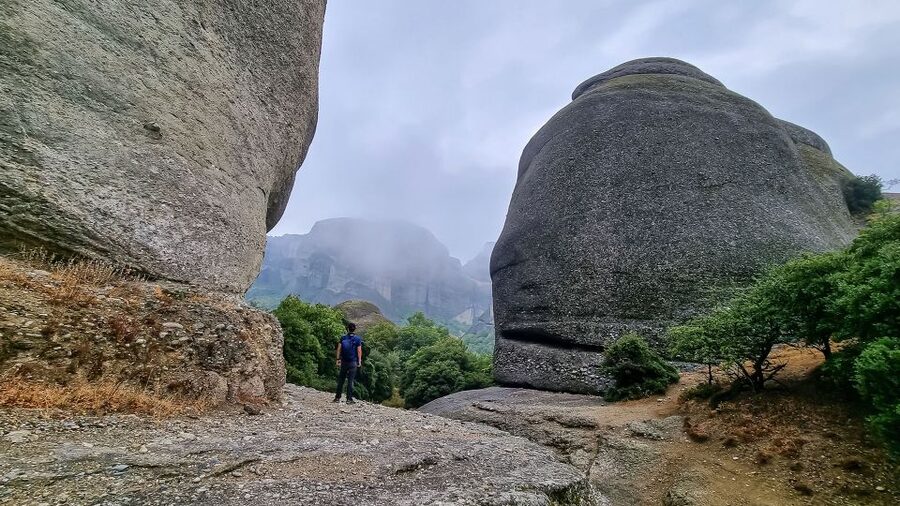
This is a shoes-first tour. You cannot wear sandals or flip-flops, and the tour explicitly asks for comfortable shoes with grip. If you’ve got hiking boots, great. If you prefer sneakers, make sure they have non-slip soles.
The tour also suggests bringing a hat and snacks. That might sound obvious until you’re on a rocky slope under a Greek sun. Even when the route includes some shaded stretches, you are still hiking for hours, and breaks are easier when you’ve got a snack ready.
One more practical note: bring cash. That’s important because you’ll likely need to pay the monastery entry fee on site.
Finally, remember clothing rules for monasteries. The tour data says sleeveless shirts are not allowed. Plan for a layer you’ll feel comfortable wearing outside the hike, too.
Price and Value: Where the €5 Fees Fit In
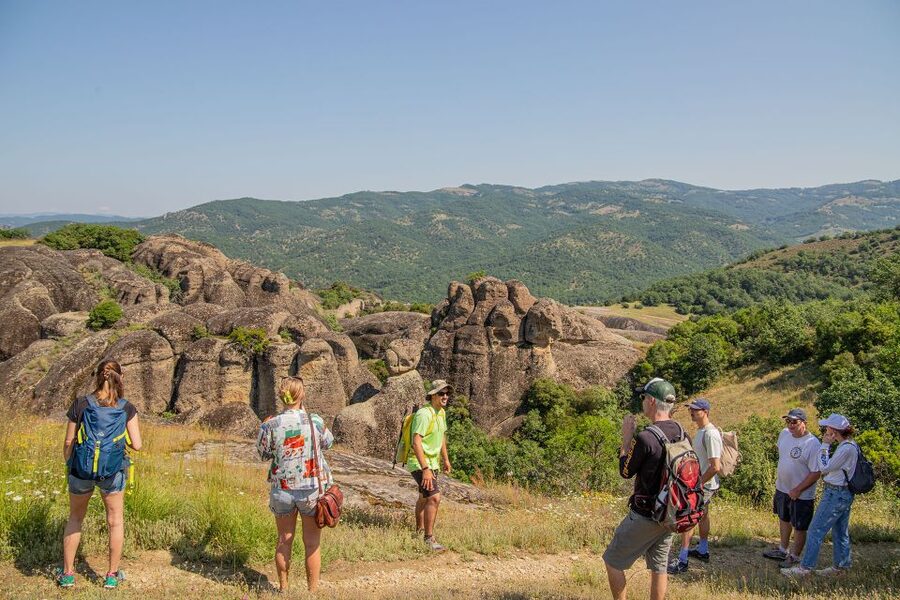
At $35 per person for a 5-hour experience, this tour can be a strong value if you want both walking and context. You get pickup and drop-off, a mountain guide, a map, and a bottle of water. You also get a route that focuses on viewpoints rather than only driving between stops.
The cost you should plan for is monastery entry. €5 per person per monastery is not included. Since the tour includes a visit to one monastery (either Great Meteoron or Varlaam), you’re budgeting for one paid interior visit.
So the real comparison is simple:
- Pay extra for the monastery entry, but get a guided hiking route that brings you up close to rock formations and multiple heritage stops.
- Skip this, and you’ll likely spend your time in the car or on short viewpoints, missing the walking-based perspective.
Timing, Transfers, and How to Build Your Kalabaka Day
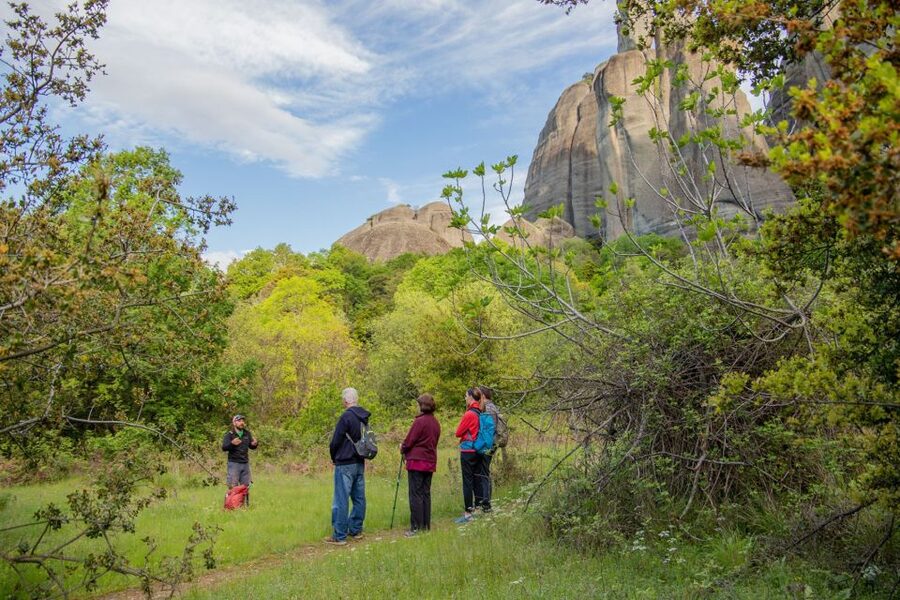
The day runs about 5 hours, starting with pickup in Kalabaka and ending back in town. The transfer to the trail area is short (around 10 minutes), and the return ride back is also quick (about 15 minutes). That means most of your time is actually spent outside.
Also look at the session timing when you book. The tour is scheduled by start times, and morning walks in Meteora are often the best balance of temperature and light for photos. If you can choose, go earlier rather than later.
Weather can shift comfort, too. One guest described a rainy day with far fewer people in the group, but the hike still ran and still felt magical. Still, rainy conditions can make rocky descents slower, so plan extra care with footwear and pace.
Who Should Book This Meteora Hike (and Who Should Skip It)
This tour is ideal if you want a guided walk through Meteora’s rock world and you like the idea of learning while you hike.
It’s not a good fit if you:
- have heart problems,
- have mobility impairments,
- have low fitness or don’t feel comfortable with uneven walking,
- or if you are visually impaired.
Kids also have a lower age limit: it’s not suitable for children under 7.
If you’re a moderate walker with decent shoes and you’re okay with some incline and rocky steps, you’ll likely find it doable. Just don’t treat it like a stroll.
Should You Book This Tour?
Book it if you want the Meteora experience in the most practical form: walking routes, monastery context, and viewpoint time in a half-day plan. The guide component, plus the focus on getting up close to the sandstone pillars, is what makes this feel different from hopping between lookouts.
Skip it if you can’t handle steep steps and uneven rocky descent, or if monastery entry fees would feel like an annoyance instead of a simple add-on. Also, if you dislike any hiking at all, Meteora by car will probably feel less stressful.
If you fit the sweet spot of a confident walker who wants meaning along with views, this is a strong way to spend a morning in Kalabaka.
FAQ
How long is the Meteora hiking tour?
It lasts about 5 hours total.
Where does pickup happen?
Pickup is included from Kalabaka, with pickup available from a long list of listed hotels and guesthouses.
What do I need to pay for monastery entry?
Monastery entry fees are not included. The fee is listed as €5 per person per monastery. The tour visits either Great Meteoron or Varlaam.
Is the guide included inside the monasteries?
No. The guide inside the monasteries is not included, though you will get help on what to look for before you go in.
Is the tour in English?
Yes, the tour guide provides live commentary in English.
What should I bring for the hike?
Bring comfortable shoes, a hat, snacks, comfortable clothes, and cash.
Are sandals allowed?
No. Sandals or flip-flops are not allowed, and suitable closed-toe footwear is required.
What if I need to cancel?
You can cancel up to 24 hours in advance for a full refund.
New pins on the Meteora chart
- From Thessaloniki: Private Day Trip to Meteora with Transfer★ 5.0 · 91 reviews
- Meteora Sunset E-Bike Tour★ 5.0 · 92 reviews
- From Athens: 3 Days in Meteora & Delphi with Tours & Hotel★ 4.6 · 97 reviews
- Meteora: Monasteries Tour, Lunch, and Athens Transfer Option★ 4.8 · 102 reviews
- Athens: Meteora Monasteries Tour with Local Guide and Greek Lunch★ 4.5 · 103 reviews
- Meteora All Monasteries Tour with Photo Stops★ 5.0 · 104 reviews
Meteora Monasteries Tours, compared.
Meteora Monasteries Day Trip with Caves and Lunch
Read our review →
Athens to Meteora: Monasteries, Caves & Seaside Stopovers
Read our review →
Full-Day Meteora Tour with Local Guide & Greek Lunch
Read our review →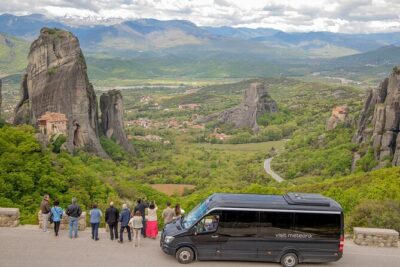
Meteora Monasteries, Caves & Coastal Stopovers with Lunch
Read our review →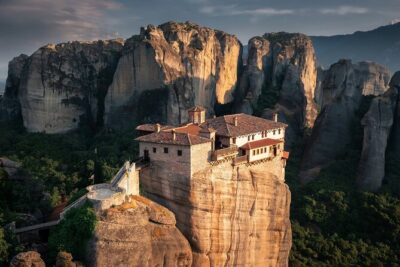
Meteora Monasteries & Caves DayTrip from Athens with Greek Lunch
Read our review →
4-Day Classical Greece Tour: Epidaurus, Mycenae, Olympia, Delphi, Meteora
Read our review →Browse the lists this tour appears in