
Reviewed · OLIVE FARM TOURS
Kalamata: The Olive Oil Routes Tour
One scent of crushed olives, and the stories start. This small-group Kalamata Olive Oil Routes tour pairs scenery at Androusa with a hands-on tasting led by certified oil specialists. You get the production side, then the flavor side, then the food side, all in about 3.5 hours.
I love how the morning moves from perennial olive groves to a working mill, not just a quick stop for photos. I also love the tasting format, where you actually learn what makes extra virgin olive oil taste the way it does, then you practice pairing it with real local favorites.
The only real drawback is timing and walking comfort. You will cover uneven paths and be outside for the olive grove parts, and there is no hotel pickup, so you’ll need to get to the meeting point by car or taxi.
In This Review
- Key highlights you’ll feel right away
- Androusa castle, olive grove walks, and why Messinia matters
- The family olive press and mill: how extra virgin is made
- Tasting with a certified taster: Koroneiki plus Greek comparisons
- Pairing olive oil with real Messinian plates (and making your own combos)
- What to expect from the group, the pace, and the guides
- Price and value: what $106 buys you here
- Practical advice before you go (so the day stays easy)
- Should you book the Kalamata Olive Oil Routes tour?
- FAQ
- Where is the meeting point for the tour?
- How long is the Kalamata Olive Oil Routes Tour?
- What tastings and food are included?
- Is hotel pickup included?
- What olive oil varieties are tasted?
- What should I bring for the tour?
Key highlights you’ll feel right away
- Androusa castle area olive walks that connect trees, myths, and Messinia’s culture
- A 120-plus-year olive mill explained by the family who still runs the process
- Blue-glass tasting with a certified taster, focused on organoleptic traits
- Varietals you can compare including Koroneiki, Manaki, Xalkidikis, and Mavroelia
- Food pairings and your own combinations using at least four different plates
- Olive-based bites like kalamata olives, olive paste, lalagia, and pasto
Androusa castle, olive grove walks, and why Messinia matters
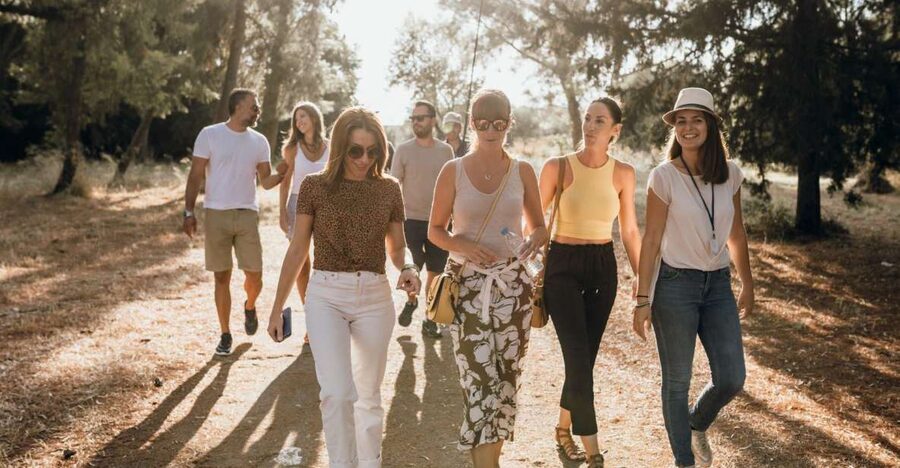
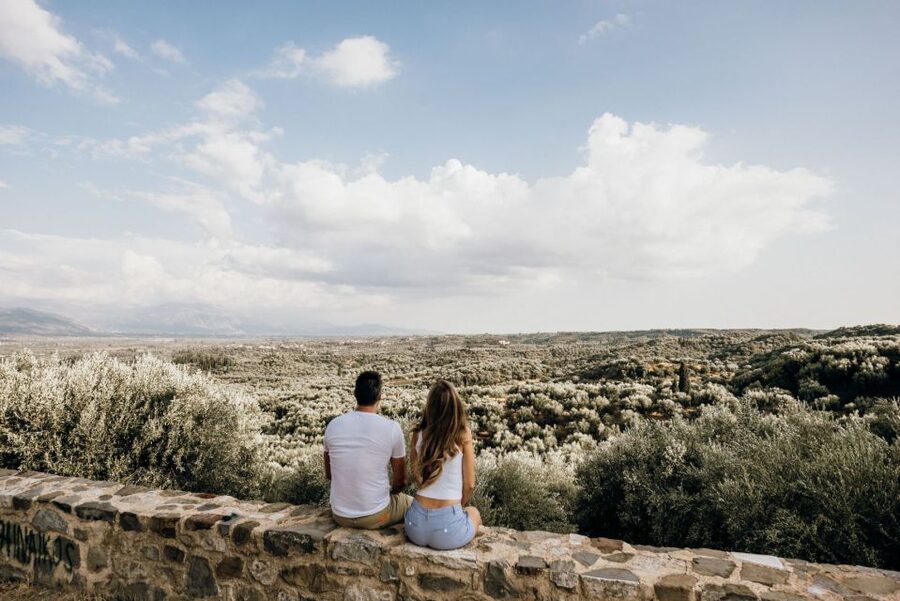
The tour starts outside the 13th-century Castle of Androusa, on the main road. It’s a practical base if you’re staying in Kalamata, since you’re about 20 minutes away by car or taxi, and Ancient Messene is roughly 10 minutes from there. You’ll begin with an overview walk through the olive groves of Messinia, with your guide turning the trees into a story you can picture.
What makes this start work is the pacing. You’re not stuck in one room hearing facts. Instead, you’re learning while you look at what the guide is talking about: the olive trees as living landmarks, and the idea that Messinia’s land is recorded through the olives themselves, right down to how branches and growth reflect long farming traditions. The guide also connects these groves to the history and mythical stories tied to the castle olive trees, so it feels like culture and agriculture are on the same timeline.
Two small practical notes. Wear comfortable shoes, because you’ll be walking outdoors. And bring sun protection since the grove portion depends on the day’s weather.
More olive groves at pressing time:
The family olive press and mill: how extra virgin is made
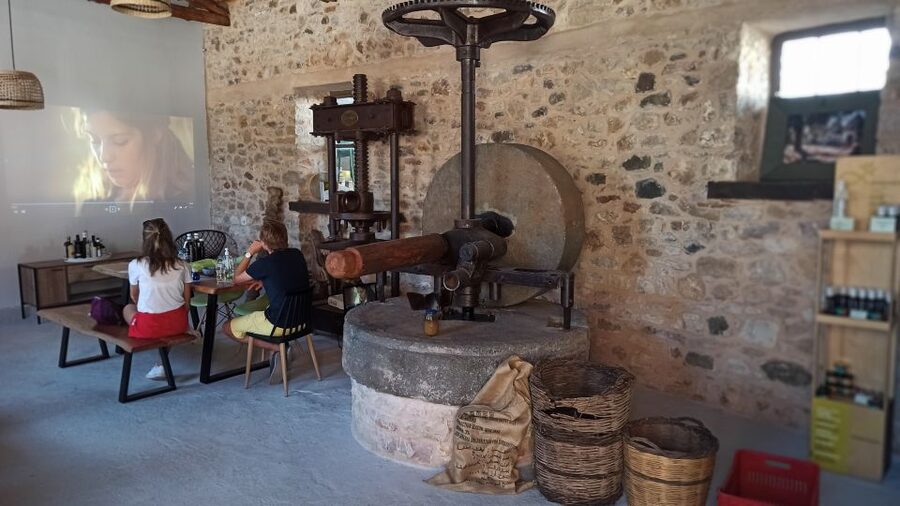
Next comes the center of gravity for anyone who cares about food quality: a visit to an olive oil press and mill in Androusa Village. This one has been operating for more than 120 years, and the explanation is led by the fifth-generation owner, so you hear the procedure with a real sense of continuity, not just a showroom explanation.
You’ll learn how olives move through extraction, and how the oil is handled after pressing, including storage and the standardization process for extra virgin olive oil. That matters because extra virgin is not just a label. Your guide helps you understand why good fruit, careful extraction, and correct handling influence what ends up in your glass.
The mill visit also makes the tasting feel more grounded. When you’ve watched (or been shown) the process behind the scenes, you start noticing tasting details differently. You’re not only searching for flavors, you’re linking them back to production choices.
Tasting with a certified taster: Koroneiki plus Greek comparisons
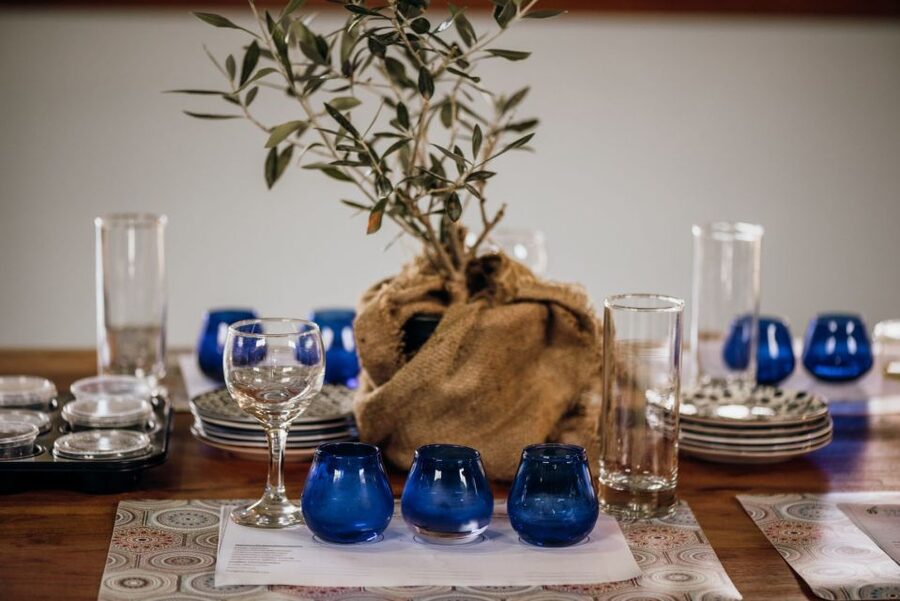
After the grove and mill, you shift into the star experience: an organized tasting session. The table is set up with blue olive oil tasting glasses, which helps keep the focus on what the oil is doing in your nose and mouth rather than just how it looks.
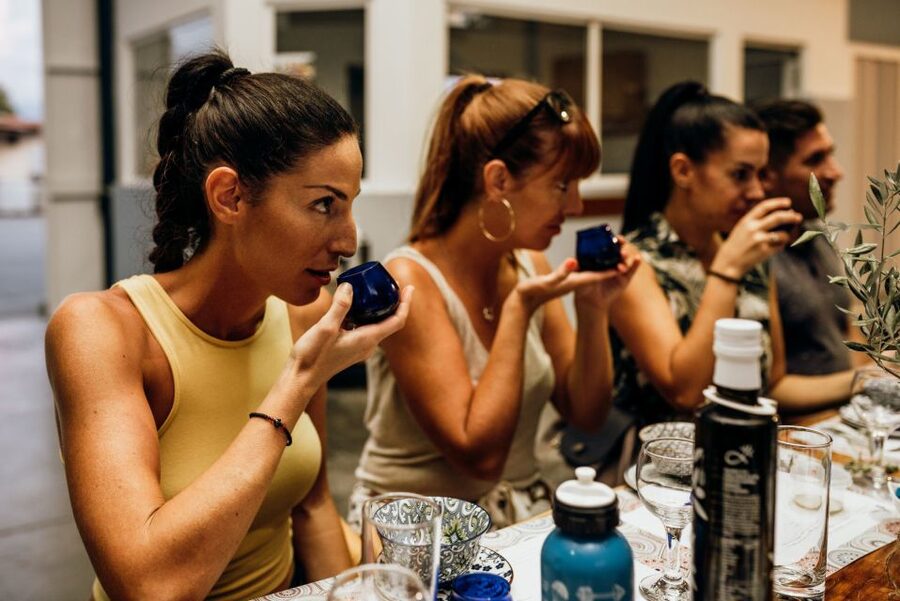
You start by tasting extra virgin olive oil of the Koroneiki variety. Then your certified taster walks you through organoleptic characteristics, meaning the sensory traits you can recognize. You’ll learn what elements define extra virgin olive oil and how to tell the difference between oils that taste similar but are not identical.
Then comes the fun part for people who like comparing things. You taste additional Greek extra virgin olive oils, including Manaki, Xalkidikis, and Mavroelia, and you evaluate flavors across varieties. This is where the experience becomes more than sampling. It becomes training. You start building your own vocabulary for fruitiness, bitterness, and pungency, and you begin to understand why Greek producers talk about variety like it’s a personality.
If you’re going during harvest season, you may get a bonus layer of context. One guest described visiting in November when harvesting activity was happening, which adds that real-world feeling of timing and freshness.
Pairing olive oil with real Messinian plates (and making your own combos)
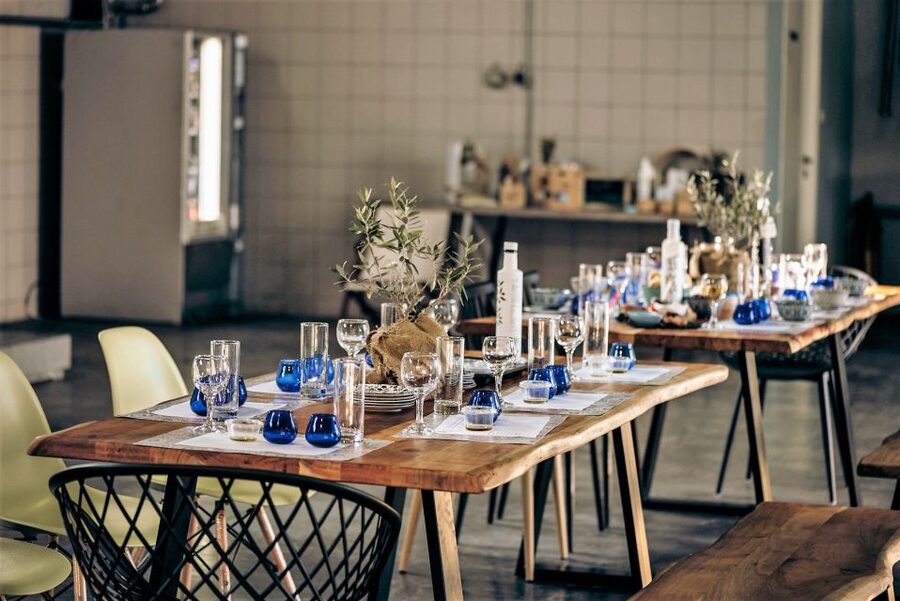
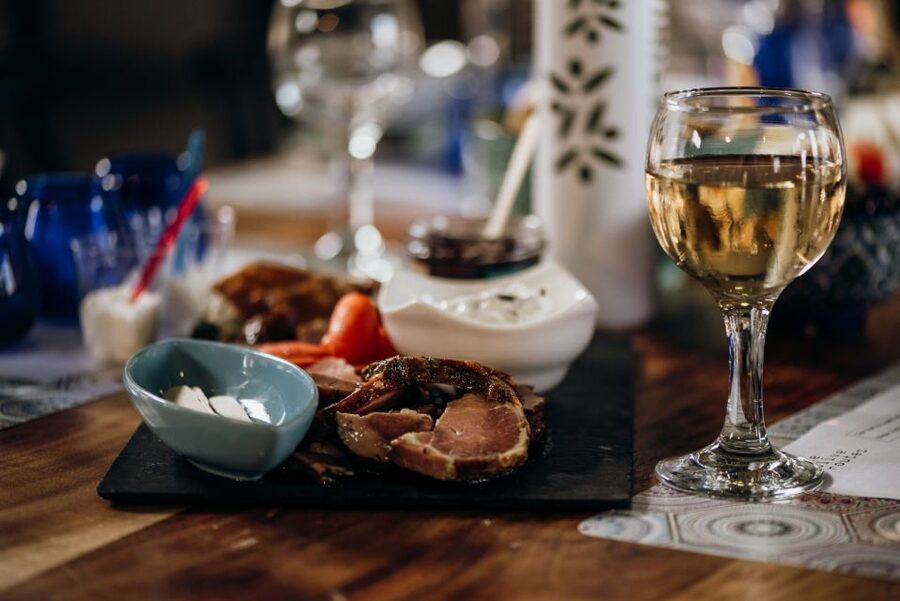
Food is not an afterthought here. The tour pairs oils with traditional recipes and small dishes, and you’re not limited to one “safe” bite. You’ll try olive oil alongside items such as tzatziki, kalamata olives, olive paste, lalagia, smoked ham (pasto), and local cheeses. The goal is to show you how olive oil behaves as a flavor partner, not only as a cooking ingredient.
The format also encourages you to think like a taster. You’ll combine olive oil with at least four different plates and make your own olive taste combinations. That’s one of the best ways to learn. When you’re choosing pairings yourself, you pay attention to how each oil changes the bite, and you notice what you naturally prefer.
I especially like the inclusion of several olive-based items. Kalamata olives and olive paste make the oils feel like they belong to the same world. Pasto (smoked ham) and local cheeses give a savory counterpoint too, so you can see how extra virgin olive oil can brighten, balance, or round out richer flavors.
One practical tip from real experience: if you have dietary needs, don’t assume it will be a generic swap. One guest reported they were catered to with a gluten-free approach. That’s encouraging, but you should still mention your needs ahead of time when you book.
What to expect from the group, the pace, and the guides
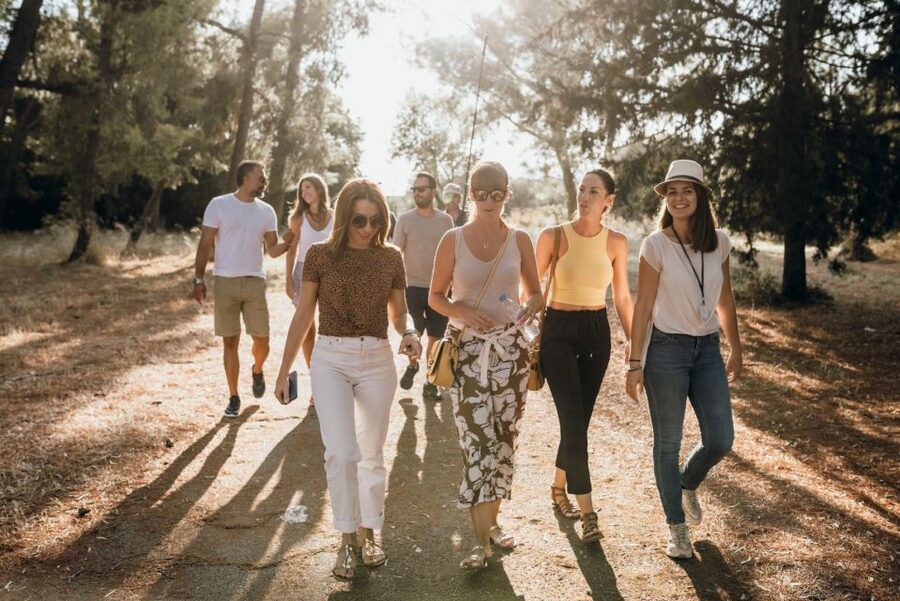
This is a small-group tour, and the vibe is interactive. Many people rave about the way the guide involves the group, with games and conversation that keep everyone engaged. Several guide names show up in past tours, including Dimitra and Demetra, and you may also meet hosts such as Athanasia. Regardless of the guide, the consistent theme is passion and clear explanations, with your questions being part of the flow rather than something answered only at the very end.
Pace-wise, 3.5 hours is long enough to feel like you’ve actually learned something, but short enough that the experience doesn’t drag. You’ll move through three distinct settings: castle meeting point and groves, then mill production, then tasting and pairings.
If you’re bringing family, this is one of the better olive experiences for mixed ages. One review mentioned it worked well for grandparents and kids, and even teens were engaged. That lines up with the active pairing and tasting structure.
Price and value: what $106 buys you here
At $106 per person for a 3.5-hour experience, the value comes from what’s included, not just from the sightseeing. You get entrance fees, olive oil tastings, and food tastings with small plates made from local olive-based goods. You also get an expert local tour leader plus a certified olive oil taster, and the package includes taxes and photos.
The hidden value is the learning style. Olive oil tastings can sometimes be awkward, like you’re supposed to guess flavors without guidance. Here, the tasting is structured, and you’re taught how to recognize the traits of extra virgin olive oil before you do the comparisons.
Also, you’re not paying for one stop. You’re paying for a chain of context: groves, production, tasting, then food pairing. That helps you leave with more than a souvenir. You leave with a better sense of how to buy and taste olive oil back home.
One cost-related consideration: there’s no hotel pickup and drop-off. So factor in the time and transport cost to reach the castle of Androusa meeting point.
Practical advice before you go (so the day stays easy)
Here’s how I’d prep if you want this to feel smooth from start to finish:
- Wear comfortable shoes because you’ll be walking in the grove area.
- Bring a sun hat and sunscreen, since you’ll be outside for a good portion of the tour.
- Plan to arrive on time at the main road outside the castle of Androusa. It’s reachable by car or taxi, and that makes last-minute rushing less likely.
- If you care about bringing home olive oil, it can be worth asking. One guest shared that shipping bottles was possible after the tour, as long as you ask the host about the options.
Should you book the Kalamata Olive Oil Routes tour?
If you want an olive oil experience that actually teaches you how to taste, this is an easy yes. The combo of groves plus a mill plus a guided tasting is the right structure for learning, and the pairing portion with multiple plates makes it practical, not just educational.
Book it especially if you enjoy food culture and want to understand why Messinia’s olives matter, not just what they taste like. It’s also a good fit for groups, since the guide style tends to keep people involved, and the tasting and pairing parts are engaging for different ages.
Skip it only if you dislike walking outdoors or you’re looking for a quick hit with zero tasting instruction. This tour is about attention: trees, process, and sensory learning, all in one half-day.
FAQ
Where is the meeting point for the tour?
You meet your guide outside the castle of Androusa, on the main road. The meeting point is reachable by car or taxi, about 20 minutes from Kalamata and around 10 minutes from Ancient Messene.
How long is the Kalamata Olive Oil Routes Tour?
The duration is 3.5 hours.
What tastings and food are included?
The tour includes olive oil tastings and food tastings with small plates featuring local olive-based goods. You’ll pair extra virgin olive oil with traditional items such as tzatziki, kalamata olives, olive paste, lalagia, pasto (smoked ham), and local cheeses.
Is hotel pickup included?
No. Hotel pickup and drop-off are not included.
What olive oil varieties are tasted?
The tasting includes extra virgin olive oil of the Koroneiki variety, plus Greek extra virgin olive oils such as Manaki, Xalkidikis, and Mavroelia.
What should I bring for the tour?
Bring comfortable shoes, a sun hat, and sunscreen.
New pins on the Kalamata chart
- Rock Climbing at Kardamili- West Mani★ 5.0 · 192 reviews
- Sea Kayaking in Navarino Bay★ 5.0 · 210 reviews
- Sea Kayak in Kardamili★ 5.0 · 438 reviews
Olive Farm Tours, compared.
Quad Safari, Olive Mill with Tasting & Ghost Village
Read our review →
Zeus Cave -Old Traditional Villages-Olive Oil Factory
Read our review →
The Governor’s Olive Mill Tour with Olive Oil Tasting
Read our review →
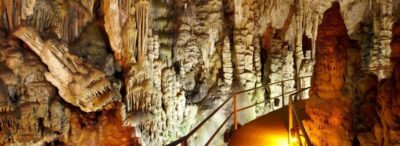
Road-trip to Lasithi, Zeus Cave & Olive Mill Farm
Read our review →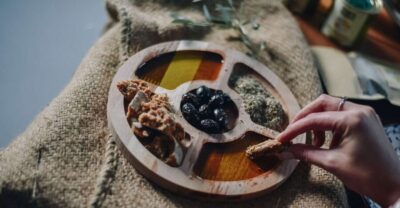
Olive Farm Tour with Tasting of Local Delicacies
Read our review →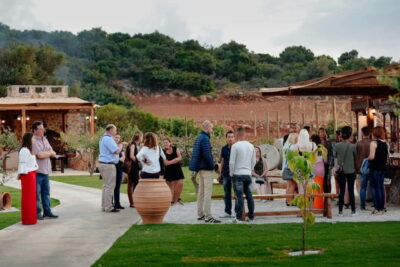
Lassithi, Zeus Cave, Olive Mill Farm & Knossos Combo Tour
Read our review →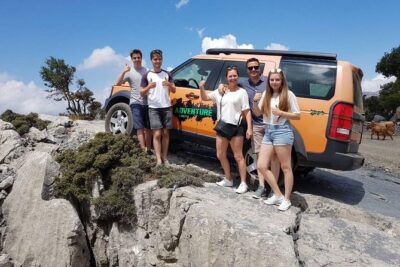
Zeus Cave, Lassithi Plateau, Olive Oil Factory, Kritza, Pottery
Read our review →Browse the lists this tour appears in