
Reviewed · CITY TOURS
Kavala: City Grand Tour by Eco Friendly Tuk Tuk
You get a whole slice of Kavala in two hours. This eco friendly tuk tuk circuit strings together Ottoman, Byzantine, and neoclassical-era stops with a multilingual audio app that keeps the story moving.
I love how the route is built for photos and orientation at the same time, from the sea front up to Kavala Fortress. I also like that the timing is realistic for hills and short visits, so you’re not stuck rushing in one area while the rest of the city stays off your radar.
One thing to consider: you’ll still do some walking, especially around the fortress, and entrance tickets for a few major sites are extra (paid in euros).
In This Review
- Quick hits before you go
- Getting oriented fast on Kavala’s steep, story-filled streets
- Old Town Panagia and the quick photo stops that set the tone
- Mehmet Ali’s Residence Museum, the mosque stop, and the lighthouse walk
- Kavala Fortress (Acropolis) and why the walk is the payoff
- Kamares aqueduct and the story behind Kavala’s water and growth
- Tobacco Museum and the Municipal Tobacco Warehouse area
- Great Club Kavala and ending at Apostle Paul’s mosaic
- Price and value for the 2-hour loop you’re actually getting
- What stood out most in the real-world experience
- Who this tour fits best, and who should choose a different plan
- Should you book the Kavala City Grand Tour by Eco Friendly Tuk Tuk?
- FAQ
- How long is the Kavala City Grand Tour?
- How much does the tour cost?
- Where do I meet for the tour?
- Is hotel pickup or drop-off included?
- What is included in the tour?
- Are entrance fees included for the stops?
- What languages are available on the audio guide app?
- Is the tour suitable for wheelchair users or people with mobility impairments?
- What should I bring?
Quick hits before you go
- Eco friendly tuk tuk route that works well for steep streets and quick photo stops
- Audio guide in your language via a mobile app, plus disposable headphones
- Fortress viewpoints with time to walk the walls and towers
- Tobacco era storytelling at the Municipal Tobacco Museum and nearby warehouse area
- Neapolis to Apostle Paul connection at the mosaic stop to tie the whole loop together
- Small group feel, with private or small group options
Getting oriented fast on Kavala’s steep, story-filled streets
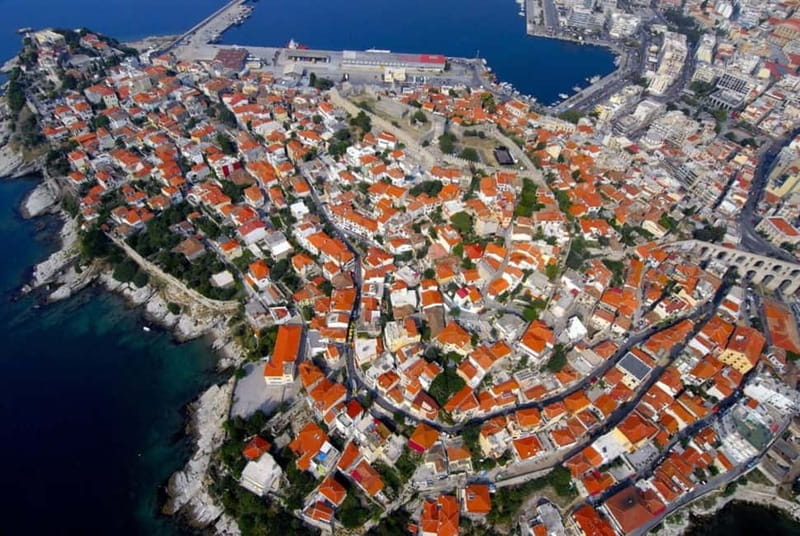
Kavala is the kind of city where you need two things at once: good bearings and practical transport. This tour solves the transport part by taking you around in an eco friendly tuk tuk, with short “hop on, hop off” segments designed to keep you moving without feeling like you’re sprinting.
Right away, you’re set up for an easier experience at the first stop in the old quarter. The tour starts at Xplora (CitySpot by Xplora), behind the old courthouses, across the street from the Kamares, and you’ll know the meeting point by a large led sign. From there, you’ll transfer for a few minutes, then begin the loop.
The audio app is the secret sauce. You can listen in Bulgarian, English, Greek, Romanian, Russian, or Turkish, and you’ll get bite-sized context for each location as you pass through or stop. If you’ve ever tried to “read” a city alone and ended up just taking photos, this is a smart way to do both.
Old Town Panagia and the quick photo stops that set the tone
The tour begins with a brief stop in Old Town at Panagia. Expect a short photo moment and self-guided sightseeing for about five minutes. This is not the place to linger, it’s the warm-up. You’re learning how the old streets sit on the hills and how the sea and port area shape the city’s layout.
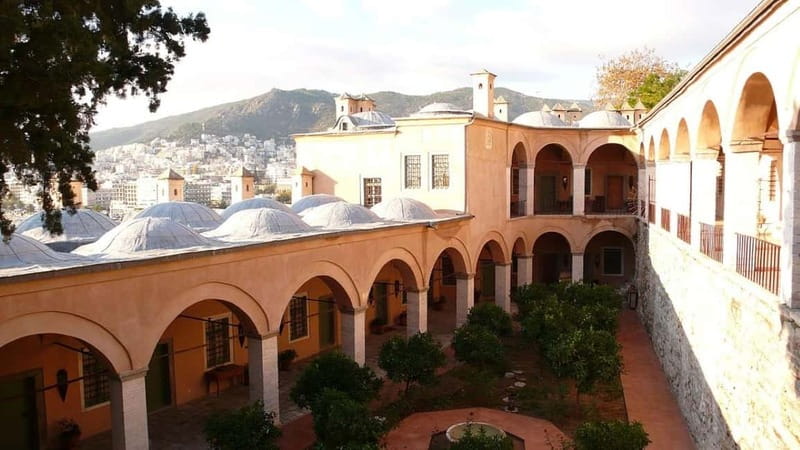
Then you move on with another short transfer, and the next main early stop is the Imaret area. The tour includes Imaret Kavalas as a self-guided pass-by stop. Even when you don’t go deep inside, you’ll get a sense of why this Ottoman-era complex matters: it used to serve a religious function, and today it operates as a boutique hotel. That mix of past and present is one of Kavala’s defining flavors.
Next come the Ottoman-era “anchor points” around Mehmet Ali. You’ll get a photo stop at Square Mehmet Ali, followed by a stop at Mehmet Ali’s Residence Museum for about ten minutes. This is the kind of place where short time can still feel satisfying because the story is focused: Mehmet Ali is described here as the Egyptian ruler’s birthplace.
Tip that helps: the tour keeps stops tight, so bring your camera ready. If you wait until you feel “in the mood,” you’ll lose your moment at these quick photo points.
Mehmet Ali’s Residence Museum, the mosque stop, and the lighthouse walk
After Mehmet Ali’s Residence Museum, the route continues toward the coast with a stop at the Lighthouse of Kavala. You’ll have a photo stop plus a visit and sightseeing, including a short walk that lasts about five minutes. This is one of the nicer “breathing” segments because it shifts from street-level architecture to sea-facing views.
You then transfer briefly and stop at Halil Bey Mosque, with another photo stop and short sightseeing for about five minutes. This is a stop that works best when you accept the time limit. The goal here is to see where it sits in the city and understand its presence in the neighborhood, not to turn it into a long museum-style visit.
In many older cities, the highlights feel separated by effort. Here, the route keeps the effort small. The driver is handling the tricky bits, including narrow lanes and elevation changes, which makes this tour feel smoother than trying to manage the same route on your own.
Kavala Fortress (Acropolis) and why the walk is the payoff
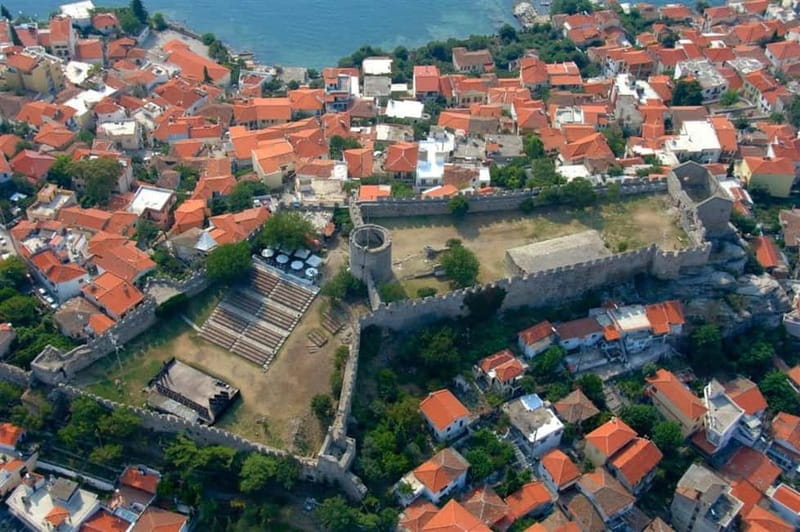
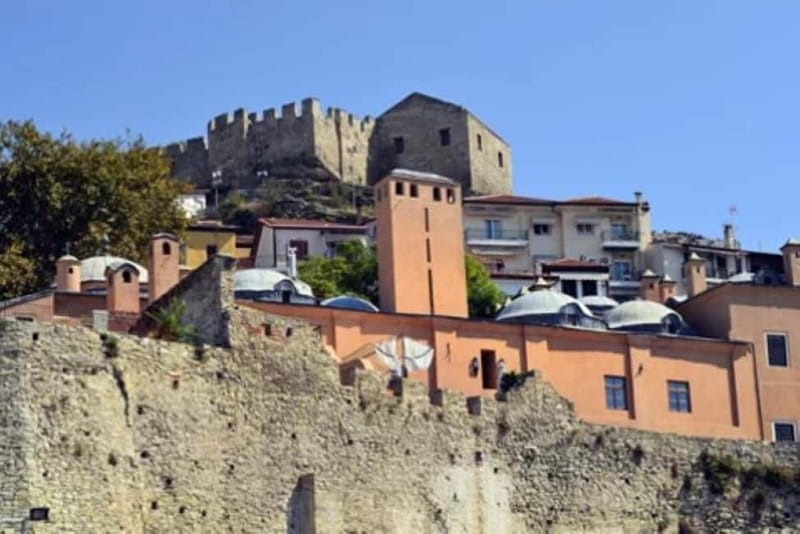
The biggest “wow” moment is the Kavala Fortress, also referred to as the Acropolis. You’ll arrive for a longer stop of about thirty minutes, which is enough time to actually experience the fortress rather than just look at it from a distance.
The tour is clear about what makes the fortress special: well-preserved walls, towers, and posts, plus the panoramic payoff over the city and the Aegean Sea. It’s also mentioned as a great Instagram-style viewpoint, which makes sense because the fortress vantage naturally frames the port and the coastline.
Expect a bit of walking. Some of it is just moving around the fortress perimeter, and some of it is the typical “there it is, now climb to the best view” routine. If you’re comfortable with short uphill segments, this stop is usually the one you’ll remember most.
One practical note: entrance fees for the fortress are not included and must be paid in euros. So if you want to go in and walk the interior areas, keep some cash ready.
Also, access can depend on operational hours. If a site is closed, you’ll still see it from the outside. That keeps the day from falling apart, but it does change how much time you’ll feel you get for the main highlight.
Kamares aqueduct and the story behind Kavala’s water and growth
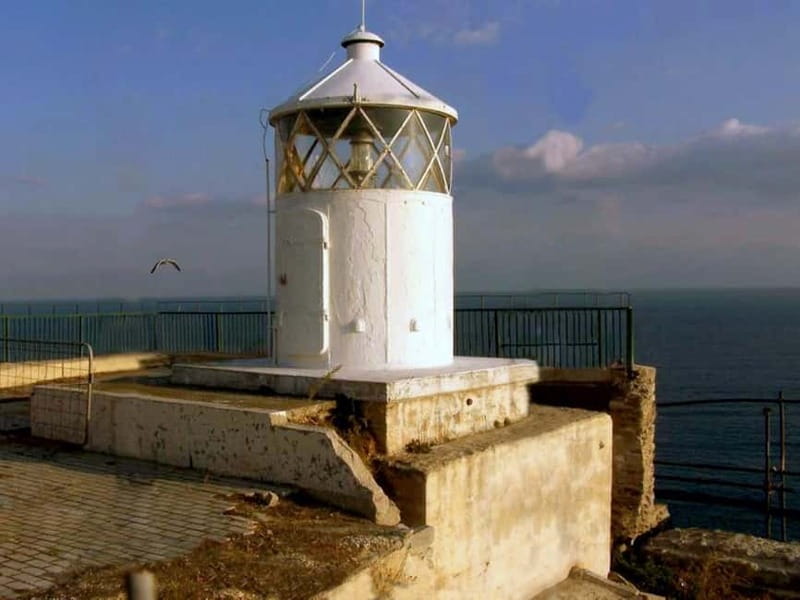
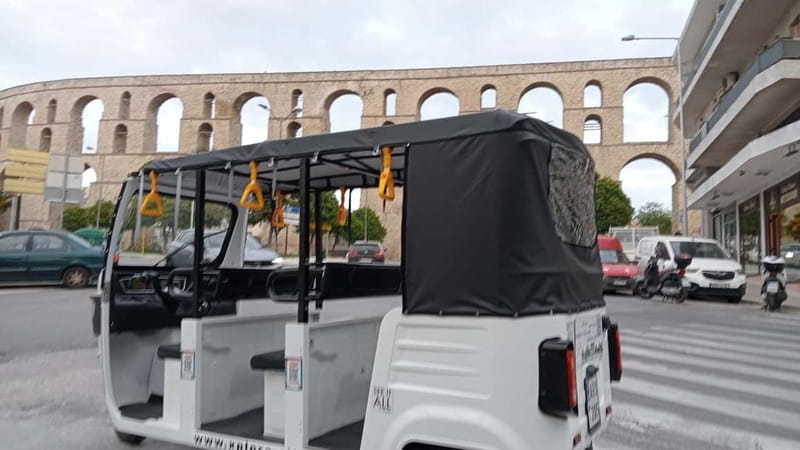
After the fortress, the tour continues with Kamares, the city’s historical aqueduct. You get a photo stop and self-guided sightseeing for around five minutes. It’s short, but it’s a useful stop for a simple reason: it connects Kavala’s development to infrastructure. You’re not just seeing big monuments, you’re also seeing how the city functioned.
Kamares is described as iconic, and it fits the tour theme nicely because it sits outside the fortress romance. It gives you a different kind of city detail, one that explains how communities managed water and growth.
If you like photography, this is one of the easier spots to capture quickly without feeling like you’re racing the clock. You’re not asked to hike, and you get just enough time to frame it properly.
Then you move toward the tobacco-era stops, where the tour shifts from architecture to labor, commerce, and the human side of local history.
Tobacco Museum and the Municipal Tobacco Warehouse area
Kavala is famously tied to tobacco, and this tour gives you the chance to understand that connection beyond the name. You’ll stop at the Municipal Tobacco Museum for about ten minutes, with visits and sightseeing. Entrance fees for the museum are not included, and again, tickets are paid in euros.
The story here is described as covering the economic boom as well as the struggles of tobacco workers. That’s important because it turns a “topic stop” into a real sense of place. You’re walking into the kind of local narrative that explains why certain buildings and neighborhoods exist where they do.
The tour also includes the Municipal Tobacco Warehouse at Kapnergatis Square. You’ll pass by it and get sightseeing for about five minutes. This is less about museum-style learning and more about recognizing the scale and presence of the industrial architecture.
If you’re the kind of person who likes to connect history to daily life, these tobacco stops are often the most meaningful part of the loop. The fortress gives you the view, but the tobacco stops help you understand why the city grew in the first place.
Great Club Kavala and ending at Apostle Paul’s mosaic
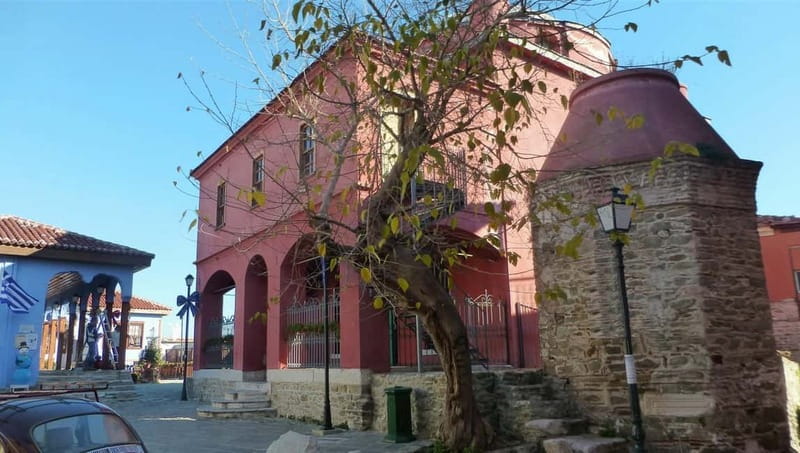
Between the tobacco sites and the final religious-art stop, there’s one more landmark stop: Great Club Kavala. The schedule includes a photo stop, a visit, and self-guided sightseeing for about five minutes. Because time is limited, I’d treat this as a quick “check this off” moment rather than a long deep-walk.
Finally, the tour ends at the Monument of Apostle Paul, with photo stop, visit, and sightseeing for about five minutes. This is a smart closing move because it ties Kavala’s ancient identity to the Christian story. The tour explains that Neapolis was the ancient name for Kavala, and the mosaic depicts the arrival of the apostle in what was then this first European soil.
That last stop is short, but it gives the tour a narrative finish. You start with the old town and Ottoman landmarks, climb to the fortress for perspective, then come down into the city’s economic and cultural story before ending with an art piece that anchors the ancient-to-modern timeline.
The whole ride finishes back at Xplora.
Price and value for the 2-hour loop you’re actually getting
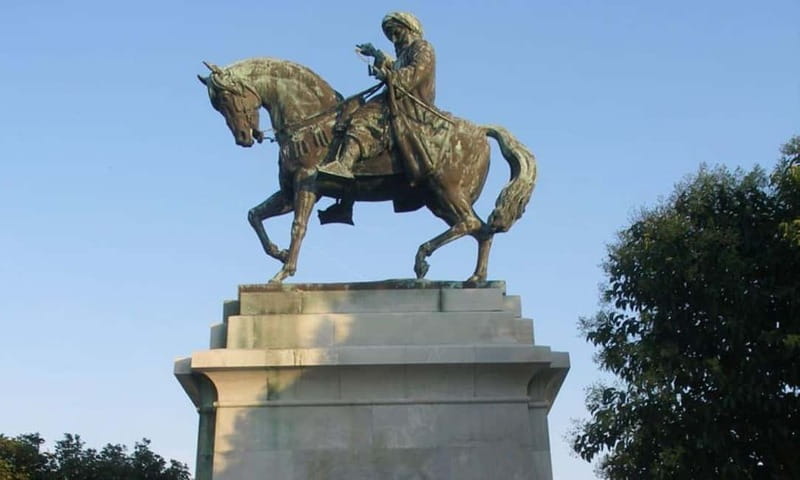
At $82 per person for about two hours, the main value is not just that you’re seeing “a lot of things.” It’s that you’re using transport that matches Kavala’s steep streets, with minimal wasted time between stops.
Your included items do matter:
- The eco friendly tuk tuk ride plus a driver
- A multilingual tour guide app
- Disposable headphones
- Short transfers so you spend less energy getting between viewpoints and monuments
But you should budget extra for entrances where listed:
- Kavala Fortress
- Mohammed Ali’s House (museum)
- Municipal Tobacco Museum
Entrance tickets are paid in euros only. If you show up without cash, you may hit friction at exactly the places you came for.
Also note: the tour can show some sites from outside if access is limited by operational hours. That keeps the experience going, but it can reduce how much you personally get out of the major stops.
What stood out most in the real-world experience
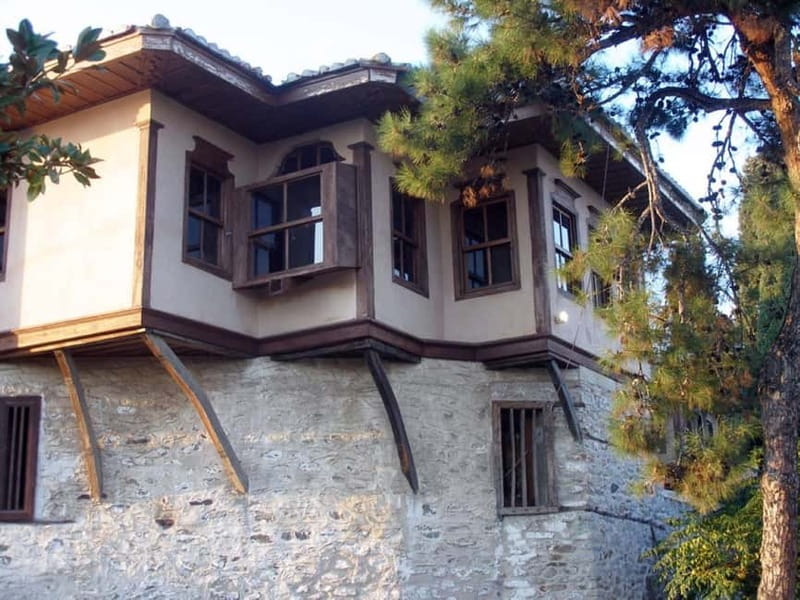
The most praised part is how the tour keeps the city highlights achievable in a short window. Guides named in bookings, such as Konstantinos and George, are repeatedly described as very helpful and strong on explaining what you’re seeing. You’re also likely to get practical driving skills, especially around narrow streets and steep stretches.
People also highlight the photo-stop rhythm. When your guide is coordinating stops and snapping shots for small groups, you end up with better results than you would by juggling timing and camera angles on your own.
There are also small comfort extras mentioned in some departures. One group notes cold mineral water and cold towels, and another mentions wet towels and water if needed. Those aren’t guaranteed in the official inclusions list, but they’re the kind of “nice touch” that makes a hot Kavala day feel easier.
Finally, the pacing works well for a lot of people, but not everyone wants “quick.” One of the few cautions I’d listen to: you might want more time at certain locations. If you’re the type who prefers museum-depth visits, plan to add extra time on your own after the tour, especially at the fortress or museum stops.
Who this tour fits best, and who should choose a different plan
This tour is a strong match if:
- You want a highlights loop without planning a route on steep streets
- You like history context, delivered through an app in your language
- You’d rather spend your energy on viewpoints and photos than on logistics
- You’re traveling with a small group, family, or a mixed-age crew
It may feel like the wrong choice if:
- You need wheelchair access or have significant mobility limitations. The tour is listed as not suitable for people with mobility impairments or wheelchair users.
- You want long, slow time inside every site. The schedule is built for quick visits and pass-by segments.
- You hate walking. The fortress stop involves walking, even if the driver brings you close.
One more practical note: food and drinks are not allowed in the vehicle, and alcoholic drinks aren’t allowed either. If you plan snacks, do it outside the tuk tuk segments.
Should you book the Kavala City Grand Tour by Eco Friendly Tuk Tuk?
I’d book it if your goal is a smart, efficient introduction to Kavala that still includes the big emotional beats: fortress views, Mehmet Ali’s birthplace connection, and the tobacco-era story. For $82 and two hours, you’re paying for transport, a guided audio system, and a route that actually makes sense for hill-heavy old streets.
I would not book it if you’re set on deep, long museum time or you need mobility-friendly access. In those cases, a different tour format or a more flexible private day plan will likely fit better.
If you’re deciding, ask yourself a simple question: do you want to see Kavala’s main highlights in one clean loop? If yes, this is a very good way to do it, with an audio app that helps you understand what you’re photographing, not just what it looks like.
FAQ
How long is the Kavala City Grand Tour?
The tour duration is listed as 2 hours.
How much does the tour cost?
The price is listed as $82 per person.
Where do I meet for the tour?
The meeting point is CitySpot by Xplora, behind the old courthouses of the city, across the street from the Kamares, with a large led sign.
Is hotel pickup or drop-off included?
No. Hotel pick up and drop off are not included.
What is included in the tour?
Included: eco friendly tuk tuk, driver, multilingual tour guide app, and disposable headphones.
Are entrance fees included for the stops?
No. Entrance fees are not included for Kavala Fortress, Mohammed Ali’s House (museum), and the Municipal Tobacco Museum.
What languages are available on the audio guide app?
The audio guide app includes Bulgarian, English, Greek, Romanian, Russian, and Turkish.
Is the tour suitable for wheelchair users or people with mobility impairments?
No. The tour is listed as not suitable for people with mobility impairments and wheelchair users.
What should I bring?
Bring comfortable shoes, a sun hat, a hat, and comfortable clothes.
More Tuk-Tuks in Kavala

City Tours, compared.
City Sightseeing Athens, Piraeus & Beach Riviera Hop-On Hop-Off Bus Tours
Read our review →
City Electric Bike Tour with Acropolis Visit Option
Read our review →
Acropolis, Parthenon & Athens Old City Heritage Walking Tour
Read our review →
City Pass with Acropolis, Museums, HoHo & Transport
Read our review →
Browse the lists this tour appears in