
Reviewed · THINGS TO DO IN KOS
Kos Wildlife Walks: birdwatching and animal photography
Birdsong and sharp eyes pay off quickly. This walk in Kos turns animal-spotting into a photo plan you can actually use. With an experienced biologist, you pause to find wildlife and then get coached on how to frame it.
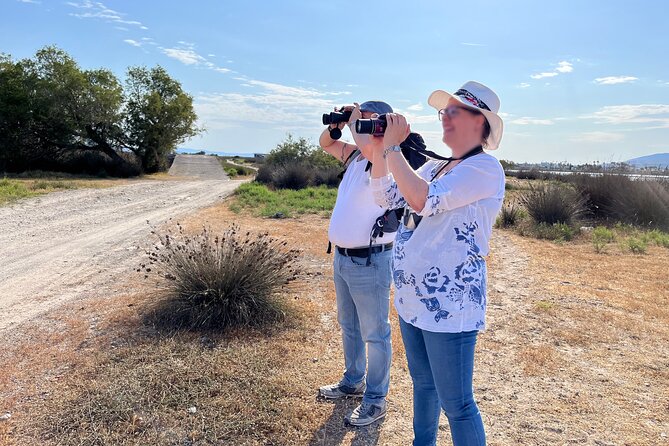
I especially like that it is practical and hands-on. Binoculars are included, and the guide helps you look beyond the obvious. I also like the mix of wildlife and big scenic moments, so it feels more than a checklist hunt.
One thing to consider is season. You will get the most sightings when the island is not as dry, so plan around the guide’s timing tips for best results.
In This Review
- Key highlights you will feel on the walk
- Kos Wildlife Walks: what this 2-hour animal walk really is
- Where you meet and what you get from the start
- Stop 1: Alikes Salt Lakes and Tigaki for wildlife spotting and photo angles
- Stop 2: Psalidi for a second chance at sightings and wider views
- The photo coaching that makes this more than birdwatching
- Why the timing matters: go before June or after mid-September
- Price and value: is $60.07 worth it?
- Tour pacing and who it suits best
- What to bring so you do not feel underprepared
- Should you book Kos Wildlife Walks?
- FAQ
- What is the duration of Kos Wildlife Walks?
- Where does the tour go?
- What is included in the price?
- Is transportation included?
- What language is the tour offered in?
- Can I cancel for a full refund?
Key highlights you will feel on the walk
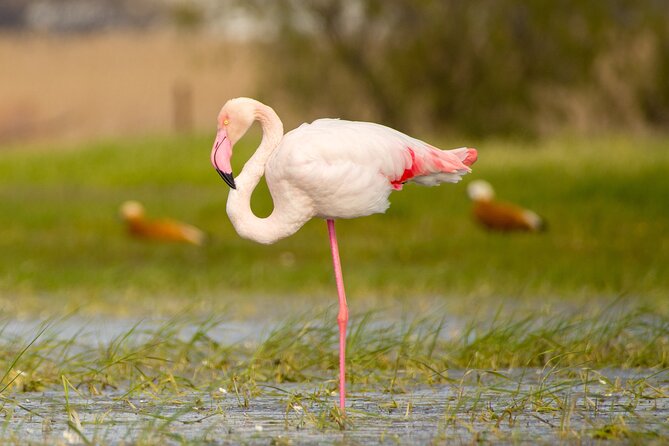
- Experienced biologist guidance for spotting birds and reptiles more reliably
- Photo scouting help so you are not just clicking and hoping
- Salt lakes area plus Psalidi for variety without long travel breaks
- Binoculars included, which makes it easier if you arrive without gear
- Private group experience, so questions and pacing stay flexible
Kos Wildlife Walks: what this 2-hour animal walk really is
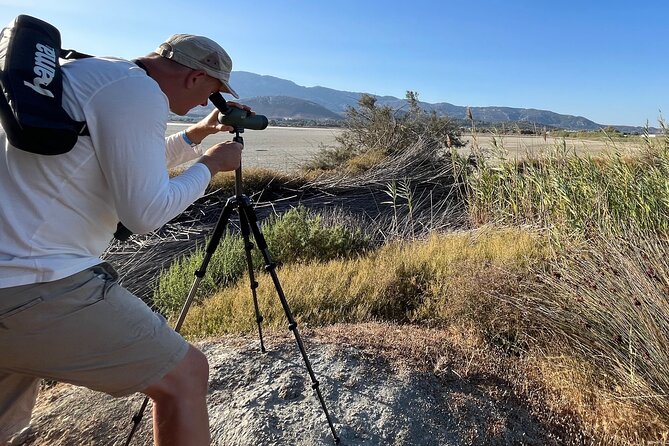
This is a focused wildlife walk in Kos that mixes two goals you might think are separate: spotting animals and photographing them well. In about 2 hours, you cover two areas, guided by a biologist who knows where to look and how to interpret what you are seeing.
For me, the value is in how the guide structures attention. You are not left wandering with a camera and vague hope. Instead, you get cueing on what to watch for, and that changes everything. Animals can be there, but you miss them if you do not know what patterns to look for.
It is also a nice fit if you like talking while you walk. One recurring theme is how George shares clear information about the animals and Kos itself, which turns the walk into something you can remember, not just pass through.
More Kos landfalls to plot


Where you meet and what you get from the start
The meeting point is centrally located, close to public transport, which matters on an island where getting around can be a chore if you guess wrong. You use a map pin for the start point, listed as 8G89V8QQ+62MV8QQ+62M Kos, Greece, and the tour ends back at the same place.
You should also know what is included before you show up. Binoculars are provided, so you do not have to buy or rent gear for a short trip. The tour is offered in English and uses a mobile ticket, which is straightforward if you like to travel light.
One extra note from the host: their message says their birdwatching nature walks are now free/tip-based and they ask people to contact them directly to schedule. If you are deciding whether to book, take that seriously and confirm the arrangement with the operator so you do not arrive expecting a different process.
Stop 1: Alikes Salt Lakes and Tigaki for wildlife spotting and photo angles
The first stop takes you to Alikes Salt Lakes in the Tigaki area. This kind of location is where careful looking pays off, because animals often show up around water edges and the in-between zones that casual walkers skip.
What I like about this stop is the built-in strategy. The walk is designed so the biologist can help you spot creatures you might otherwise miss, like birds and reptiles, and then help you connect that sighting to a workable photo plan. That is where the “photography” part becomes real, not just a marketing label.
For photography, you will get the idea of scouting: finding the best spots for a cleaner composition, paying attention to how the light falls, and watching animal behavior long enough to get a natural moment. Even if you are using a phone, that guidance helps, because you learn where to stand and how to wait instead of rushing.
A practical consideration: salt-lake areas can feel exposed, and you may end up standing and looking for a bit. If you are the type who hates stopping, this stop might feel slow. If you enjoy quiet observation, it is one of the best parts.
Stop 2: Psalidi for a second chance at sightings and wider views
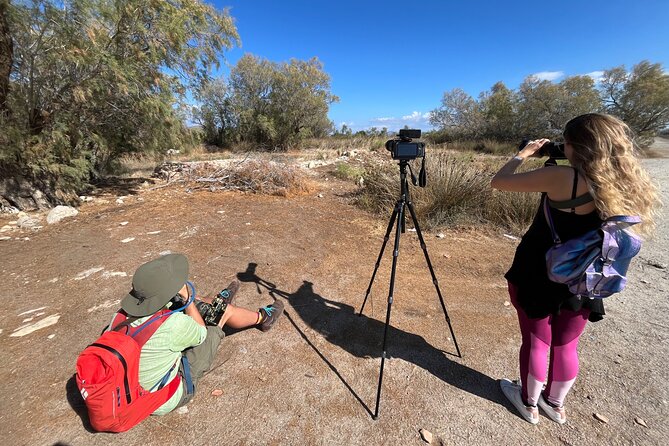
After the lakes area, you head to Psalidi. The point of this second stop is variety. Wildlife walks often fail when everything is too similar, so having a different area gives you a new chance at spotting something different.
This is also where the tour’s “talk while you look” vibe really helps. The guide’s explanations about animals and Kos are meant to turn sightings into understanding. If you want to go home knowing a bit more than where you walked, this stop supports that.
From a photography point of view, the second location gives you fresh angles and a different visual rhythm. You are not repeating the same framing. Instead, you can compare what you find at one habitat type versus another, and you get coaching on how to adapt your approach quickly.
If you are traveling with kids or people who are new to wildlife watching, this pacing can be a plus. Two stops in a compact time period keeps energy up, while still giving you enough time to actually see things instead of sprinting from point to point.
The photo coaching that makes this more than birdwatching
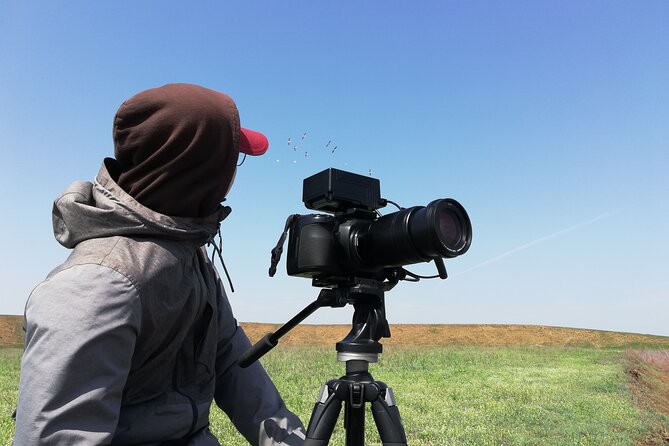
Plenty of wildlife walks include a camera friendly pitch. This one focuses on what you actually need to photograph animals successfully. The highlight is that you take photos with the guide, who helps you scout the best images rather than just pointing out wildlife.
In practice, photo scouting means you learn to think like a wildlife photographer. You watch behavior first. You only move when it makes sense. And you look for ways to avoid bland, busy backgrounds. The guide’s job is to help you slow down at the right times.
If you bring a more serious camera, you still benefit. You get help with where to stand and what to aim for. If you only bring a phone, you still benefit. Your biggest wins on wildlife photos often come from patience and correct positioning, not from buying expensive gear.
One more subtle benefit is how binoculars change your photo plan. When you can identify where an animal is and how it is behaving, you can decide whether to wait, zoom, or adjust your framing. That is the kind of practical guidance that improves results fast.
More Things to Do in Kos
- From the Port of Kos: Full Day Boat Cruise to 3 Islands
★ 4.8 · 5,137 reviews - From Kos: 3-Island Pirate Cruise with Lunch and Waterslide
★ 4.5 · 2,564 reviews - From Kos: Nisyros Island Volcano and Panagia Spiliani
★ 4.3 · 2,429 reviews - Full Day 3-Island Boat Cruise from Port of Kos
★ 5.0 · 1,133 reviews
Why the timing matters: go before June or after mid-September
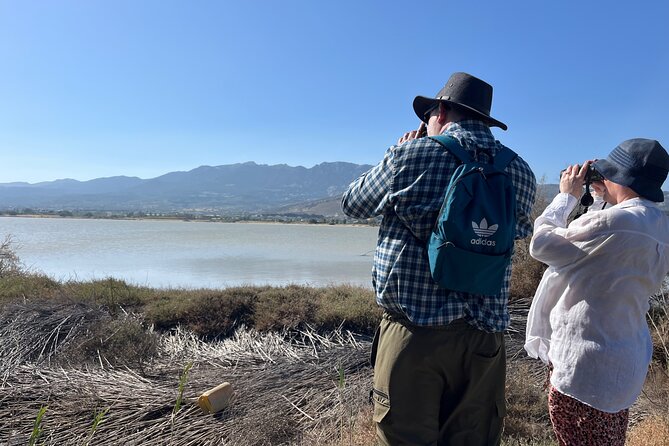
This guide is very direct about seasonality, and you should listen. They recommend visiting before June or after mid-September. The reason is simple: the island dries out during summer months, and that means fewer wildlife sightings.
This is one of those travel truths that can save you money and disappointment. If you schedule in deep summer, you might still enjoy the walk, but you are gambling on lower odds of animals showing up. If your goal is birds and reptiles in the real sense, not just sightseeing, then plan around the cooler, wetter windows the host suggests.
Also keep weather in mind. The experience notes that it depends on good weather, and if it is canceled due to poor conditions, you will be offered a different date or a full refund. That is a solid safety net if you are flexible.
Price and value: is $60.07 worth it?
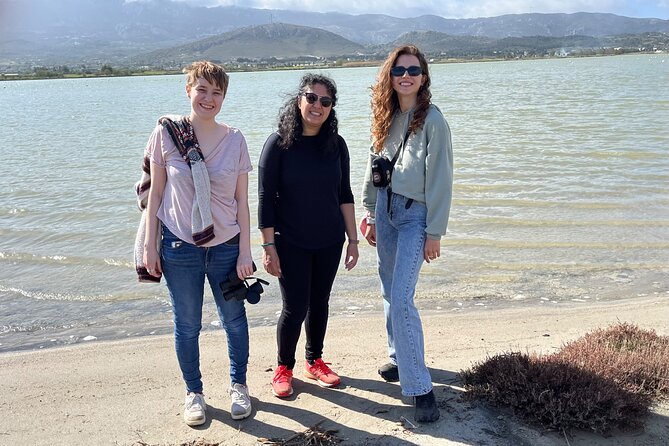
At $60.07 per person for about 2 hours, the price sits in the “worth it if you care about outcomes” zone. This is not an all-day excursion where you pay for transport and a long itinerary. Instead, you pay for expertise, time in the field, and a guided approach to spotting animals and getting photos.
Here is what you are really buying:
- An expert biologist’s attention, which helps you spot animals faster and more accurately
- Binoculars included, which lowers your costs if you would otherwise rent or buy
- Private group style, meaning only your group participates
Private matters because it keeps the pace and questions centered on you. If you are the type who likes to ask follow-up questions, you will get more out of a smaller, focused setup than a larger group where everyone has to share a single pace.
The one cost that is not covered is transportation. Private transportation is not included, so you will handle getting to the central meeting point on your own. The good news is the meeting point is described as close to public transport, so you likely have easier options than if the start were in the far countryside.
Tour pacing and who it suits best
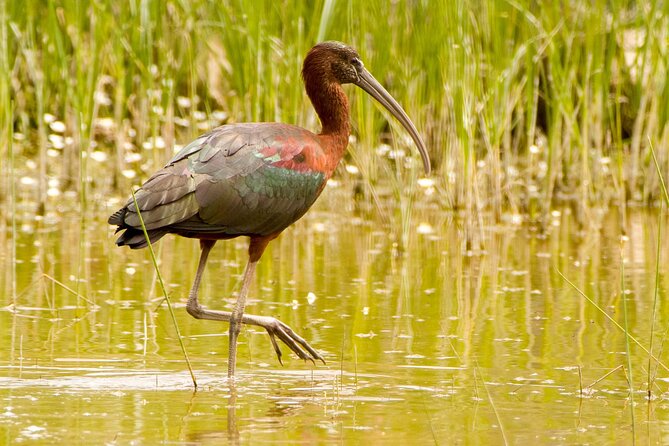
This walk is designed for people who like to look, not people who want a constant sprint. You will spend time scanning, discussing, and waiting for animals to show themselves. If you are comfortable with a slower rhythm, you will enjoy it.
It is a good match if:
- You want birdwatching and animal photography coaching in the same session
- You like practical guidance and a guide who explains what you are seeing
- You want a private experience rather than a big-group tour
It may not be the best match if:
- You hate standing still for periods
- You only want a quick checklist photo and nothing more
- You are traveling during peak dry summer months, when sightings can be reduced
What to bring so you do not feel underprepared
The tour includes binoculars, but you will still want to be ready for the field conditions. At minimum, plan for walking comfort and weather changes, because wildlife walks often involve waiting and observation rather than constant movement.
If you care about photography, bring what you can handle for 2 hours without misery. A camera or phone you are comfortable using is more important than the fanciest gear. The guide helps with positioning and scouting, but you still need to be able to react when an animal appears.
Also, wear shoes you trust. You will be in natural areas, and you do not want to spend time thinking about footing instead of wildlife.
Should you book Kos Wildlife Walks?
If your priority is actually spotting wildlife and improving your photos, I think this is a smart booking. The biggest reason is the pairing of biologist-led spotting with real photo guidance, plus binoculars included, all in a compact 2-hour format.
Book it especially if you can travel in the recommended windows, before June or after mid-September. That timing lines up with the host’s advice about fewer sightings during drier summer conditions.
Skip or rethink it if you are visiting during the driest period and you are not flexible. In that case, you might still have a pleasant walk and good chat, but you are more likely to come away wishing you had booked in a better season.
FAQ
What is the duration of Kos Wildlife Walks?
The experience lasts about 2 hours.
Where does the tour go?
It includes two stops: Alikes Salt Lakes Tigaki and Psalidi.
What is included in the price?
Binoculars are included.
Is transportation included?
No, private transportation is not included.
What language is the tour offered in?
The tour is offered in English.
Can I cancel for a full refund?
You can cancel up to 24 hours in advance for a full refund, and changes made less than 24 hours before start time are not accepted. The experience also depends on good weather, and in case of weather cancellation you will be offered a different date or a full refund.
New pins on the Kos chart
- Kos Land Rover Safari★ 4.5 · 32 reviews
- Three Island Cruise from Kos★ 4.0 · 33 reviews
- Kos 3 island cruise with Hotel Pick Up and Drop Off★ 4.2 · 34 reviews
- Pirate Cruise from Kos to Kalymnos, Pserimos, Plati & BBQ★ 4.4 · 37 reviews
- Kos 4×4 Exploration: Views, Villages & Flavors★ 4.5 · 37 reviews
- Kos: Sunset Cruise with Swimming and BBQ Dinner★ 3.9 · 37 reviews
Things to Do in Kos, compared.
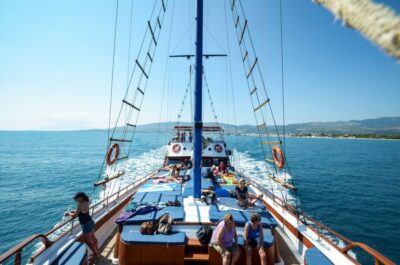
From the Port of Kos: Full Day Boat Cruise to 3 Islands
Read our review →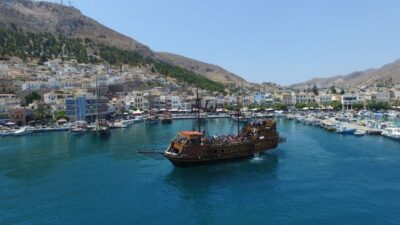
3-Island Pirate Cruise with Lunch and Waterslide
Read our review →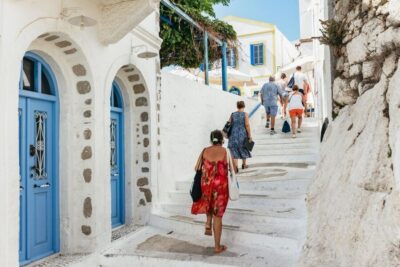
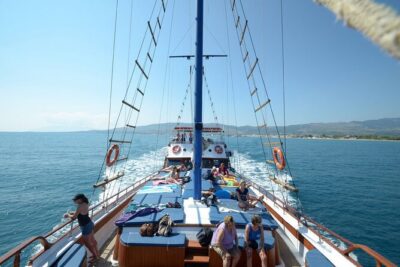
Full Day 3-Island Boat Cruise from Port of Kos
Read our review →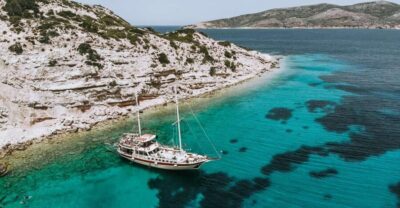
Kos Town: Kalymnos & Pserimos Day Cruise & Optional Transfer
Read our review →3 Island Luxury Cruise with 4 Swimming Stops with Captain Morgan
Read our review →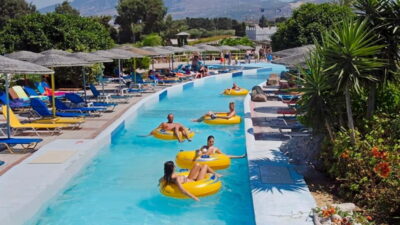
Lido Water Park Entry Ticket and Optional Transfer
Read our review →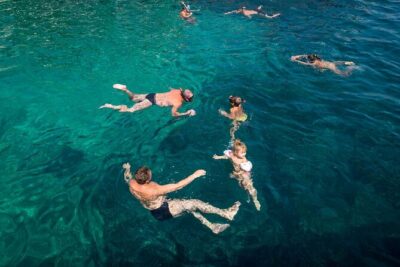
Full Day Boat Cruise to 3 Islands with optional pickup
Read our review →Browse the lists this tour appears in