Reviewed · THINGS TO DO IN CRETE
Koumoulia Ceramics / Ceramics courses
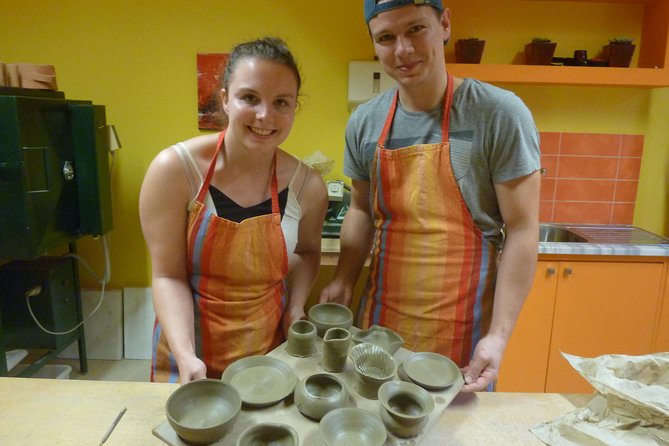
Pottery classes sound simple, until you watch clay become something real. This afternoon course at Koumoulia Ceramics gives you a guided look at how clay turns into usable objects, then teaches you multiple ways to make your own pieces by hand or on the wheel.
I especially like the hands-on focus, not just a demo. The small group size (max 5) also means the instructor can help you adjust your technique instead of rushing you through. One thing to consider: what you make takes days to finish, and the second firing is not included, so plan your timeline and costs if you want fully finished pieces.
In This Review
- What You’ll Be Doing at Koumoulia Ceramics
- Key Highlights You Should Know Before You Go
- A Practical View of the Schedule: Workshop Time Plus Cretan Sights
- Rouvas Gorge (Agiou Nikolaou): Short Scenery With Big Payoff
- The Palace of Knossos: World-Famous, but Useful Here
- Entering the Workshop: How Clay Becomes an Object
- Wheel Skills and Hand-Building Techniques (What You Actually Practice)
- The Drying and Glazing Timeline That Controls Your Results
- Price, Value, and the Costs That Can Catch You Off Guard
- A Quick Reality Check From Real Outcomes
- Logistics That Matter: Small Groups, Timing, and Meeting Point
- Who This Pottery Class Is Best For
- Should You Book Koumoulia Ceramics?
- FAQ
- How long is the Koumoulia ceramics course?
- Is the class offered in English?
- What happens to the pottery after the session?
- Is the second baking included in the price?
- Can you ship finished pottery to your address?
- What is the group size and is it suitable for most travelers?
- Is there a way to get a refund if I cancel?
What You’ll Be Doing at Koumoulia Ceramics
You start with a short, guided walkthrough of the workshop. You’ll get a clear sense of the steps clay goes through, from soft, formless material to a finished object that can survive everyday use. Then the session shifts into making mode, where you learn techniques you can apply to create your own unique items.
You can work by hand or on the wheel, depending on what you’re most interested in. Either way, the goal is practical: leave with the skills to understand what you’re shaping, not just a finished souvenir.
Keep in mind the real ending happens later. The creations you make in the atelier need 3 to 4 days to dry (weather and how thick/thin your pieces are can affect timing). After drying, you can either pick them up or move into glazing, which requires an additional 2 days for the second baking. Also, that second baking cost is not included in the course price.
Key Highlights You Should Know Before You Go
- Workshop tour first, so you understand the clay-to-object process before you start shaping
- Wheel and hand techniques, giving you more than one way to create
- Small group (max 5), which helps when you want real-time coaching
- Plan for drying and firing time, not same-day results
- You can glaze and finish, but the second baking is an extra cost
- You can pick up later or ship, with overseas shipping usually expensive
More Things to Do in Crete
A Practical View of the Schedule: Workshop Time Plus Cretan Sights
The afternoon program is built around two places that most people associate with Crete: Rouvas Gorge (Agiou Nikolaou) and the Palace of Knossos. This is the kind of pairing that works well when you want more than one taste of the island in a single outing.
Here’s how to think about the flow: the pottery portion is the main event, set up as a focused 2-hour session. The canyon and Knossos stops are likely shorter breaks that let you see major landmarks and reset your eyes before you get back to working with your hands.
Rouvas Gorge (Agiou Nikolaou): Short Scenery With Big Payoff
Even if you only get a brief stop, Rouvas Gorge is one of those places that instantly makes Crete feel real. You’re not staring at a museum wall, you’re looking at the island’s rugged shape and learning why people come here for the outdoors.
If you’re the type who likes to photograph landscapes, arrive with your camera charged. If you’re more workshop-focused, use the gorge stop as a calm moment to enjoy the air before you sit down to shape clay.
The Palace of Knossos: World-Famous, but Useful Here
Knossos can feel overwhelming because it’s famous. That’s exactly why it complements a pottery class. After seeing a major site tied to everyday life long ago, you get a hands-on lesson that connects you to how objects were made by people, not just by history books.
In a well-paced afternoon, this works like a bridge between past and present: you walk among ancient spaces, then return to a modern workshop where you press, form, and shape something tangible.
Entering the Workshop: How Clay Becomes an Object
The workshop segment starts with a guided explanation of the stages clay passes through. This matters more than you might think. When you understand drying, firing, and glazing basics, you stop treating pottery like magic and start treating it like a craft with rules.
You’ll learn that clay is fragile before firing, and drying is a critical step. If you’ve ever wondered why pottery takes time, this is where it clicks: moisture has to leave slowly and evenly, or pieces can crack or warp. That knowledge helps you make better choices while you’re shaping.
One cove over in Crete:
- Agios Nikolaos: Boat Trip to Spinalonga with Swim Stop
★ 4.4 · 3,031 reviews - Heraklion: Dia Island Sailboat Cruise with Swimming and Meal
★ 4.8 · 2,579 reviews - Crete: Knossos Palace Entry Ticket with Optional Audio Guide
★ 3.9 · 2,251 reviews - Heraklion Area: CRETAquarium Admission Ticket
★ 4.4 · 2,055 reviews
Wheel Skills and Hand-Building Techniques (What You Actually Practice)
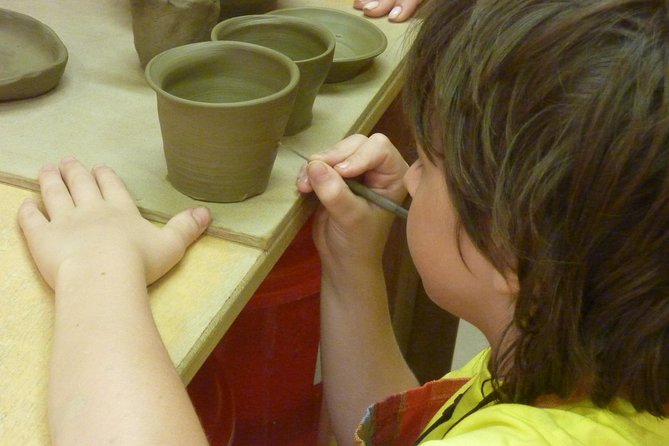
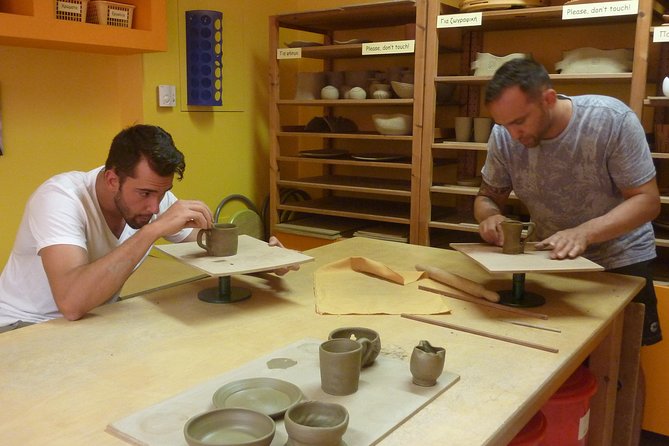
Once the intro is done, you get instruction on various techniques. You’ll be able to create items in your own style, with the instructor guiding you on how to shape and refine what you’re making.
Working by hand is great if you want control over form and texture. It’s also more forgiving if you’ve never used a wheel. If you’re curious about the wheel, it’s a chance to learn how spinning changes your piece and how your hands guide centering and shaping.
In a small group, you can ask questions and get feedback faster. That’s one of the big reasons this class earns a strong score: people like leaving with more than an object, they leave with understanding.
The Drying and Glazing Timeline That Controls Your Results
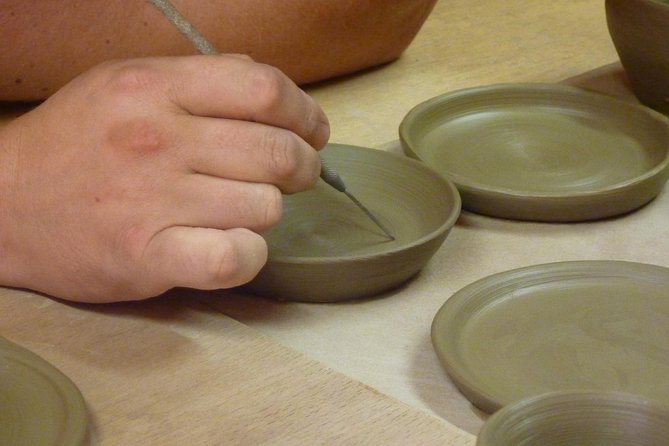
Here’s the timeline you need to respect:
1) You make pieces during the 2-hour session.
2) Your creations take 3 to 4 days to dry in the atelier, depending on your work and the weather.
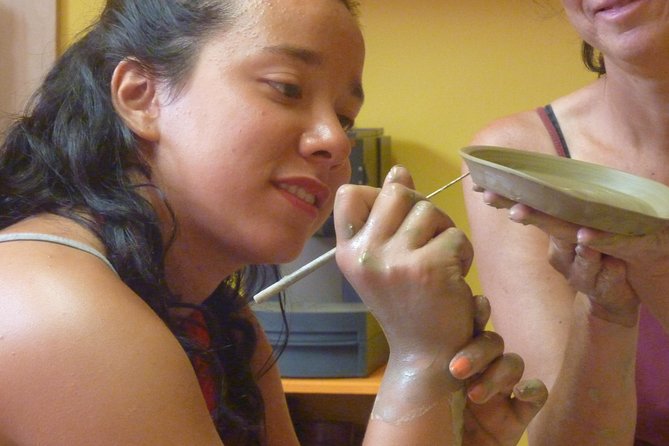
3) After drying, you can glaze in the color you wish.
4) Glazing requires a second firing, which takes another 2 days. The second baking is not included in the price.
That last point is where planning gets real. If you want your pottery to be finished and ready to keep, you should assume you’ll either return for pickup later or pay extra for completion steps.
If you tell yourself you’ll just take something home the same day, you’ll likely end up disappointed. Pottery is slow by nature. This class is honest about that, but you still need to match it to your travel schedule.
Price, Value, and the Costs That Can Catch You Off Guard
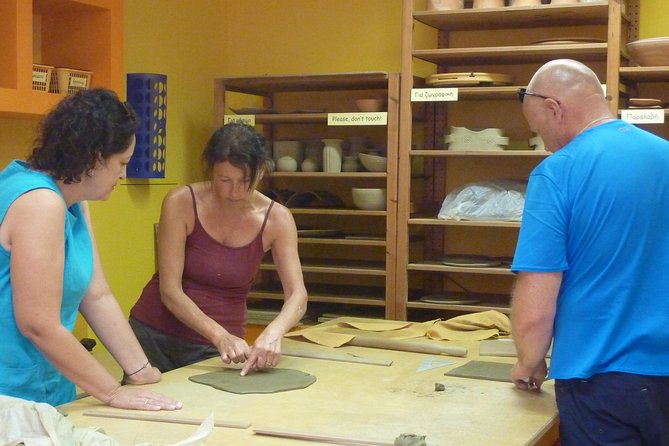
The course costs $96.11 per person and runs about 2 hours. On paper, that’s not cheap. The value comes from what you get inside that time: instruction, techniques, and a chance to make something under a real workshop process.
The price includes the core learning and the ability to create pieces in the atelier. What can add cost later is the completion path. Glazing is an option, and the second baking is explicitly not included. If you want your pieces fired fully for long-term use, you should expect additional charges.
Shipping is another potential cost. You can pick up your finished items from the workshop, or the workshop can send them to your address at your expense. Overseas shipping can be fairly expensive, so if you’re traveling outside Europe, factor that into your budget early.
A Quick Reality Check From Real Outcomes
The biggest complaint tied to value usually isn’t about instruction. It’s about expectations. When someone didn’t get pieces fired and didn’t plan for the drying and baking schedule, they ended up with items they couldn’t realistically ship or use as finished pottery.
If you want the craft experience plus a takeaway you can use, you’ll be happier if you commit to the full drying and finishing steps from the start.
Logistics That Matter: Small Groups, Timing, and Meeting Point
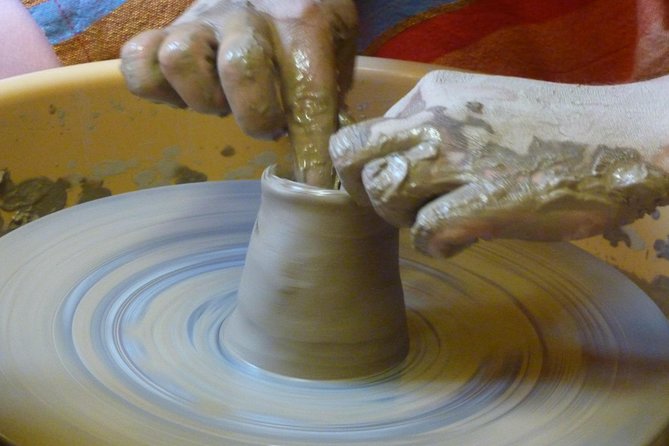
This experience runs with a maximum of 5 travelers, which is a big advantage. It keeps the class from feeling like a factory line. You get more personal guidance, and the instructor can help you correct issues before they become hard to fix.
It’s offered in English, and you’ll receive confirmation at the time of booking. You also get a mobile ticket, which makes it easier if you’re already carrying phones and not paper.
Timing-wise, it starts at 3:00 pm and takes about 2 hours for the pottery seminar. Your day plan should leave room for sightseeing stops connected to Rouvas Gorge and Knossos, since those are part of the same outing.
One practical note: getting to the workshop location can be a pain if you rely on vague directions. Build in a little extra time to find the meeting point and check your route before you leave.
Who This Pottery Class Is Best For
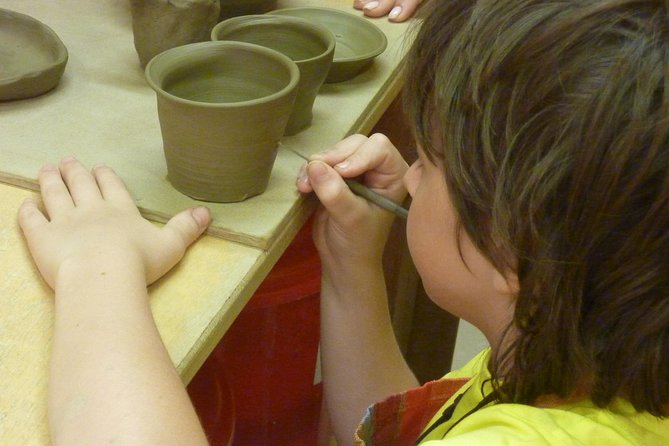
I think this course is a strong fit if you want a creative activity that feels hands-on and structured. You don’t need advanced art skills because the session is designed for most travelers.
It’s also a good match if you like learning how something works, not just following a craft template. The workshop stages explanation sets you up to understand what you’re doing, and the combination of wheel and hand techniques keeps the experience varied.
If you’re short on time and hate waiting days for results, pottery might frustrate you. The upside is that you still get the full making experience, you just need to plan for finishing afterward.
Should You Book Koumoulia Ceramics?
Yes, if you can work with a pottery timeline and you want real instruction. The payoff is highest when you commit to the process, including drying and optional glazing and the extra baking step if you want finished results.
Book with confidence if you like small group activities, want both wheel and hand techniques, and don’t mind that your final piece is produced over the following days.
I’d skip it or rethink it if you’re trying to make last-minute plans around the idea of taking usable pottery home immediately, or if you’re not willing to pay for the second firing and possible shipping.
Given the 4.7 average rating and 94% recommendation rate across 33 ratings, this class has a strong track record for turning a relaxing afternoon into something you can hold onto, and hopefully, something you can actually use.
FAQ
How long is the Koumoulia ceramics course?
The course runs for about 2 hours.
Is the class offered in English?
Yes. The experience is offered in English.
What happens to the pottery after the session?
Your pieces need 3 to 4 days to dry. After that, you can glaze in the color you want, but that leads to another firing step.
Is the second baking included in the price?
No. The second baking is not included in the price.
Can you ship finished pottery to your address?
Yes. You can pick up your items from the workshop, or they can be sent to the address you want at your own expense. Overseas shipping can be expensive.
What is the group size and is it suitable for most travelers?
The activity has a maximum of 5 travelers, and most travelers can participate.
Is there a way to get a refund if I cancel?
No. This experience is non-refundable and cannot be changed for any reason.
New pins on the Crete chart
- Heraklion: Ecobike Tour with Food tasting★ 5.0 · 30 reviews
- HIDDEN GEMS – RICHTIS GORGE for nature lovers!★ 4.5 · 30 reviews
- Spinalonga & Agios Nikolaos with BBQ★ 4.5 · 30 reviews
- Heraklion Food Stories Walking Tour with 8 local-favorite stops★ 4.5 · 30 reviews
- Heraklion: Catamaran Cruise to Dia with Sunset, Meal & Bar★ 5.0 · 30 reviews
- Crete: Elafonisi – 4 hours in the beach★ 4.5 · 30 reviews
Things to Do in Crete, compared.
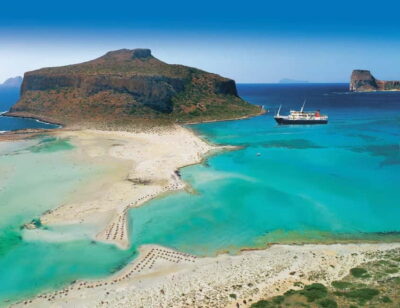
From Kissamos Port: Boat Cruise to Balos Lagoon & Gramvousa
Read our review →
Day Trip to Agios Nikolaos and Spinalonga Island
Read our review →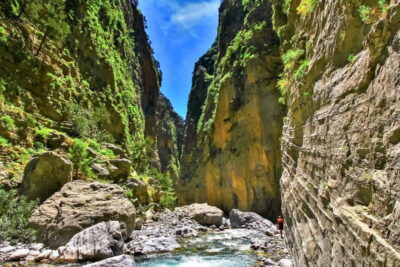
Full-Day Samaria Gorge Trek Excursion & Guide
Read our review →

Dia Island Sailboat Cruise with Swimming and Meal
Read our review →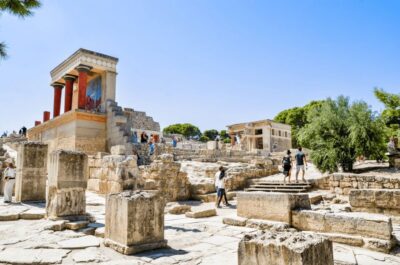
Knossos Palace Entry Ticket with Optional Audio Guide
Read our review →