
Reviewed · METEORA MONASTERIES TOURS
Meteora: Guided Sunset Tour with Monasteries and Caves Visit
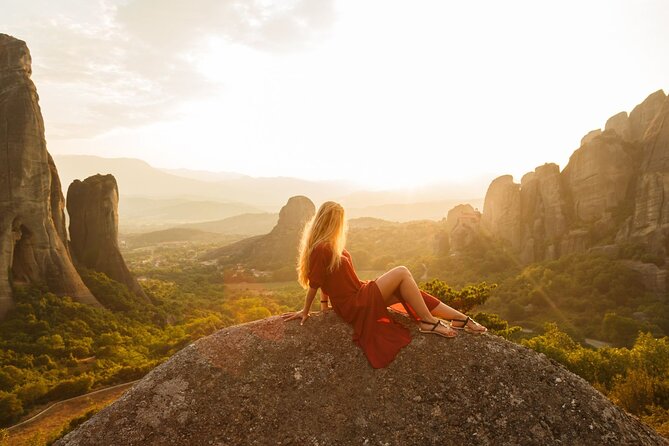
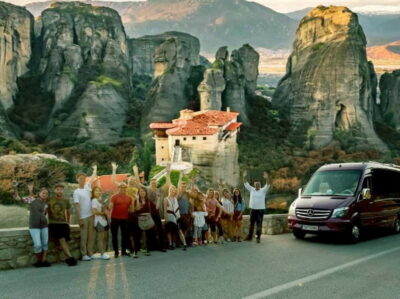
Meteora at sunset hits different. This guided tour is built for time-starved visitors who want the big UNESCO highlights, with multiple viewpoints and a guided look at six monasteries plus the interior of one. I especially like the easy hotel pickup and drop-off from Kalabaka or Kastraki, and how the guide helps you understand the myths and history while you’re actually seeing the rocks up close. The one thing to watch is that extra entrance fees apply for monasteries and a Byzantine church, and you only get an interior visit for one monastery.
You get a small-group feel too, with a maximum of 15 travelers. Expect about 4 hours total, plus a ride in a VIP minibus with free Wi-Fi and multilingual audio guides if you want to use them.
In This Review
- Key Highlights at a Glance
- Why Meteora Feels More Magical in Evening Light
- VIP Pickup, Wi-Fi, and the Small-Group Pace
- How the Tour Fits Six Monasteries Into One Guided Sunset Plan
- The Stops That Give You Context, Not Just Views
- Sunset Photo Strategy: How to Get the Best Shots When It’s Crowded
- Price and Value: What You Pay for, and What Costs Extra
- Audio Guides and Language Options That Actually Matter
- Who This Sunset Tour Suits Best
- Should You Book This Meteora Sunset Tour?
- FAQ
- How long is the Meteora guided sunset tour?
- Where are pickup and drop-off locations?
- What group size is the tour limited to?
- What’s included in the price?
- Are monastery entrance fees included?
- What languages are available for the audio guides?
- What happens if the weather is poor?
Key Highlights at a Glance
- Sunset timing and photo viewpoints planned for those last-light angles on the rock towers
- Small group size (15 max) so the guide can actually manage the flow
- Six monasteries plus one interior visit for a packed, efficient Meteora overview
- English-speaking local guide with context on myths and UNESCO heritage
- VIP minibus with free Wi-Fi and hotel pickup in Kalabaka or Kastraki
- Audio guides in many languages available on your device (Spanish, French, German, Italian, Japanese, Chinese, Korean)
Why Meteora Feels More Magical in Evening Light
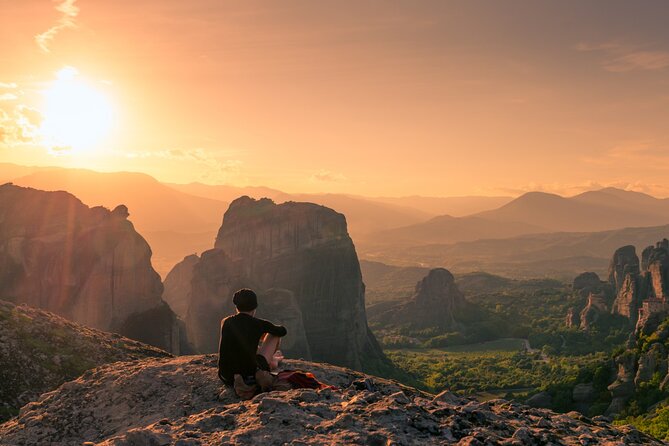
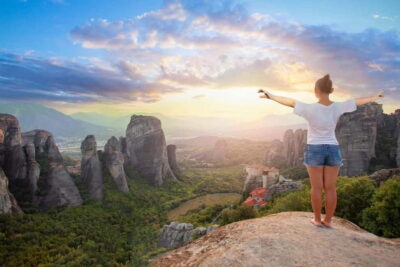
Meteora has that rare combo of drama and silence. Those towering rock pillars look like they grew into the sky, and the monasteries look placed there on purpose. In the late day, the colors soften, shadows stretch, and details you might miss in bright afternoon sun become easier to see. That’s exactly why a sunset-based tour makes sense. You’re not just ticking off monuments, you’re seeing why people keep returning to this site.
This is also a practical choice. Meteora can be confusing if you try to piece it together on your own, especially if you want both viewpoints and monastery access. With a guide, you can move between key areas quickly and get the story as you go, including the myths tied to the hermits who lived here. You’ll also get time at scenic stops so you can photograph without feeling like you’re speed-running your way through.
The tour also helps you avoid a common problem: getting to viewpoints too late. Sunset tours are one of those schedules where timing matters more than speed. If clouds roll in, you can’t force clear skies, but you still benefit from the slower pace and the built-in multiple lookouts.
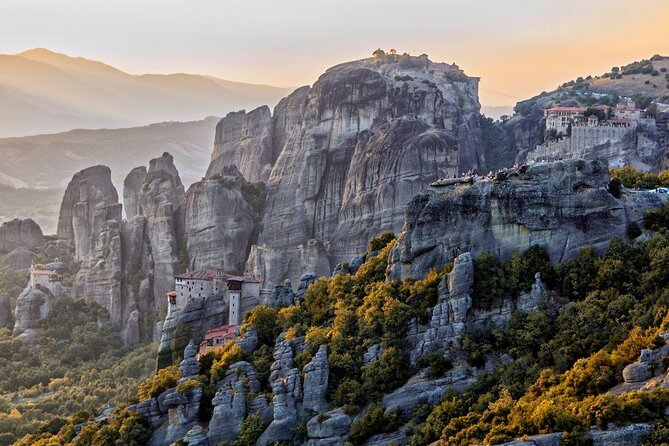
More monasteries balanced on stone pillars:
VIP Pickup, Wi-Fi, and the Small-Group Pace
The logistics here are designed for low friction. Pickup and drop-off are from your hotel in Kalabaka or Kastraki, so you don’t have to coordinate public transport or taxis before sunset. The transportation is a VIP minibus, which matters when you’re traveling with families, older relatives, or anyone who just wants a comfortable ride after a day of walking.
The minibus also includes free Wi-Fi. That’s helpful in two ways. First, it’s nice for maps or messaging. Second, it makes it easier to plan your own photo check, like which stops you’ll want to prioritize once you see the timing and crowd levels.
Group size is kept small, up to 15 people. I like small groups for places like Meteora because you’re balancing movement with viewing time. If your group is too large, you end up waiting a lot. Here, the tour flow is meant to keep things moving, while still giving you room to stop for photos along the way.
How the Tour Fits Six Monasteries Into One Guided Sunset Plan
The headline promise is big: you’ll see all six monasteries, plus you’ll go inside one of them. That’s a lot for a 4-hour timeframe, and it works because the tour is structured around viewing, interpretation, and then one proper interior visit. You’re not stuck in a bus the whole time, but you also aren’t expected to do a marathon of separate ticket lines and separate self-guided planning.
What you get from seeing six monasteries is perspective. Meteora isn’t one uniform building complex. Each monastery sits in a different position, with different sightlines and a different relationship to the rock. Even when you’re only viewing from certain angles, you start to understand why monks chose these sites, and how the site layout connects to practical survival and spiritual life.
The interior visit is the key payoff. Exterior views give you the spectacle. Entering lets you feel the monastery atmosphere, even if the guided focus inside is limited compared to a full, monastery-only guided experience. The tour provides a guided look at the area, and you’ll also have audio guides available for additional context in multiple languages.
One consideration: this is not a full inside tour of every monastery. Entrance fees are separate, and guided time inside monasteries is not included. If you’re someone who wants deep, slow interior exploration in multiple sites, you might feel a little shorted compared to a longer, monastery-focused day. If you want the best overview with sunset magic, this format is exactly the right size.
The Stops That Give You Context, Not Just Views
This tour doesn’t only stop at famous points. It also includes some of Meteora’s more atmospheric surrounding areas.
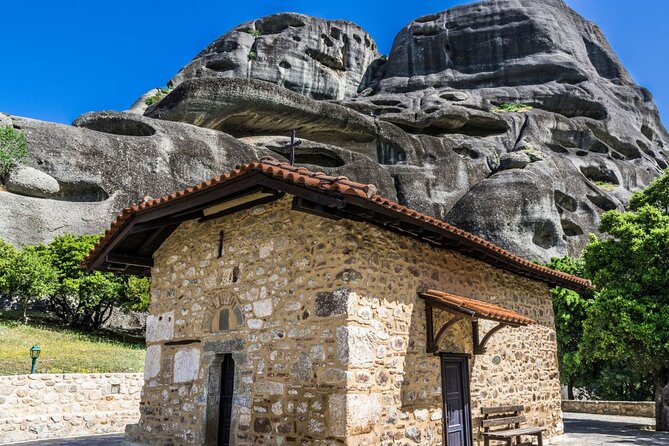
You’ll start at Meteora and then move through key sights that help you connect the dots between the monasteries and the wider region. The tour includes viewpoints and areas linked to the monastic past, including the ancient hermitages of Bandovas. That’s the kind of detail that makes the rocks feel less like random cliffs and more like a lived-in spiritual landscape.
You’ll also see the Byzantine church of the Assumption of Virgin Mary. Churches in Meteora matter because they anchor the spiritual identity of the community. Even when you’re viewing from a distance, knowing what you’re looking at changes the way you notice stonework, placement, and the overall layout of the site.
Another included stop is the picturesque old district of Kalabaka. This helps balance the day. After seeing vertical rock towers and monastery structures, it’s good to have at least a small window into the nearby town vibe. It also helps when you’re staying in Kalabaka or Kastraki, because you get more sense of where everything fits.
Sunset Photo Strategy: How to Get the Best Shots When It’s Crowded
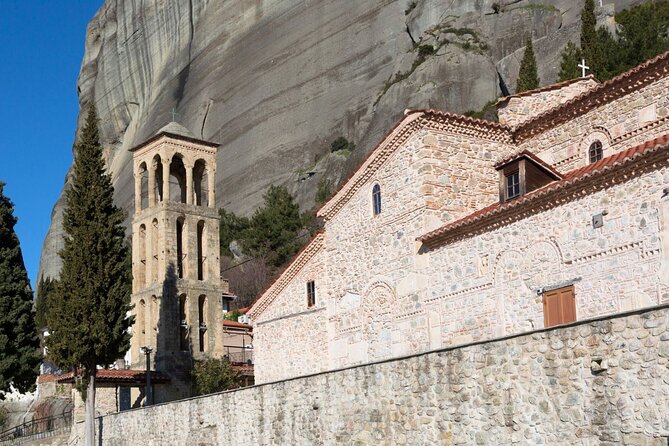
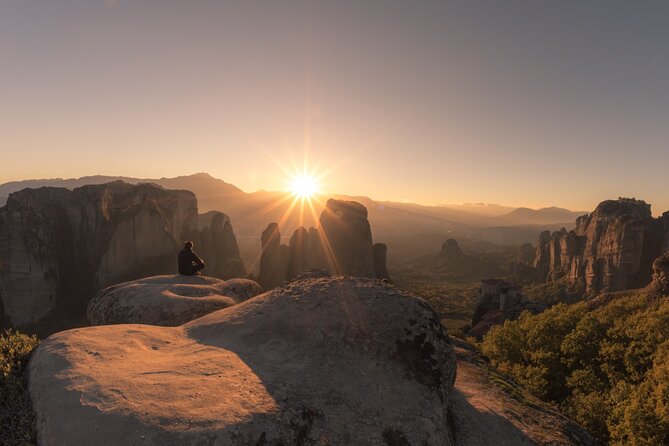
Meteora sunsets are popular. That’s not a complaint, it’s just reality. The tour helps you get to good locations in time, which is the biggest hurdle when you’re traveling independently. With a skilled guide, you can move between viewpoints without guessing which side will give you better light.
A practical thing I recommend: treat your first viewpoint as a warm-up. Take a quick set of photos, then watch how the light changes. By the time the group settles at the main sunset area, you’ll be ready for the moment when the shadows and monastery silhouettes look their best.
Also, bring a phone camera mindset, not just a landscape mindset. Meteora photos often work best when you include some human-scale framing, like railings, stairs, or distant town edges. You’ll see why when you’re standing there. The site is so vertical that a straight-on frame can look empty unless you add context.
Clouds can happen, and at least one experience shared that a little cloud cover showed up. Even then, you still benefit from the planned viewpoint spots and the broader “golden hour” atmosphere. The goal isn’t only one single photo moment. It’s the full arc of late-day light across rock towers and monastery shapes.
More Greek evenings once the ferries tie up:
- Meteora Sunset with Monastery & Hermit Caves Tour in Small Group
★ 5.0 · 706 reviews - Meteora: Guided Sunset Tour with Monasteries & Caves Visit
★ 4.7 · 409 reviews - Meteora: Majestic Sunset Tour & Monasteries with Local Guide
★ 4.7 · 392 reviews - Meteora: Sunset Small Size Tour with Monasteries & Caves
★ 4.8 · 252 reviews
Price and Value: What You Pay for, and What Costs Extra
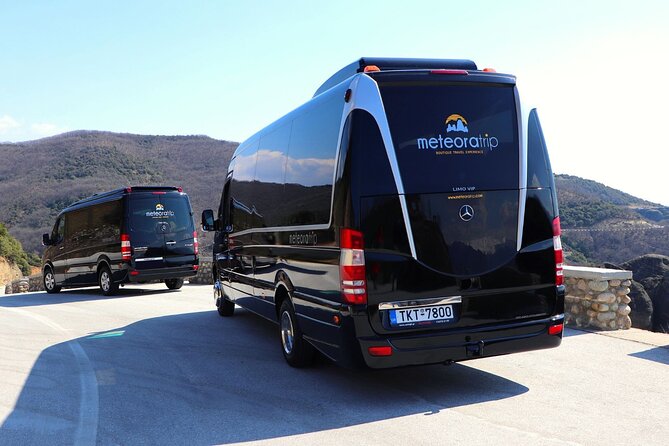
At $36.20 per person for about 4 hours, this tour can be a very good value if you want structure. You’re paying for hotel pickup and drop-off, a VIP minibus ride, a local English-speaking guide, and access to a guided overview of key Meteora areas. You’re also getting free Wi-Fi and free audio guides in multiple languages, which is a real convenience on a short ride-and-stop format.
The main extra cost comes from entrance fees. Entrance fees for each Meteora monastery are listed at €5.00 per person, plus an entrance fee of €2.00 per person for the Byzantine church. That’s the big budgeting item, and it’s the reason the ticket price alone doesn’t tell the whole cost story.
Here’s the best way to think about it: the tour helps you cover the most important monasteries and viewpoints in a tight window, so you’re not paying for transportation and planning separately. If you’re willing to handle the entrance fees and you’re okay with interior access for only one monastery, the math usually works in your favor.
If you’re extremely price sensitive and want to visit only one monastery anyway, a different self-planned approach might feel cheaper. But if you want maximum Meteora for your time and you like having someone organize the stops, this tour is often a smart spend.
Audio Guides and Language Options That Actually Matter
One of the quieter perks is the audio guide system. The tour includes free audio guides in Spanish, French, German, Italian, Japanese, Chinese, and Korean. That means even if you miss a detail while you’re looking up at the cliffs, you can rewind the context later.
In real life, audio guides work best when you pair them with eye-level moments. Use the guide for the bits you can’t fully grasp from the viewpoint angle. Then when you step inside the monastery that gets interior access, audio can fill in the background without you feeling rushed.
If you want to rely on audio heavily, just make sure your device battery is solid before pickup. Wi-Fi is provided on the bus, which helps with connectivity, but don’t count on it as a substitute for charging.
Who This Sunset Tour Suits Best
This tour is ideal for:
- People short on time who still want a broad Meteora overview
- First-timers who want the myths and history tied to what they’re seeing
- Families and mixed-age groups who prefer pickup over arranging separate transport
- Photographers who want sunset viewpoints planned for timing and movement
It may not be the best match if you want:
- Slow, deep interior time inside multiple monasteries
- A self-paced schedule where you can linger in one place for hours
Because it’s only about 4 hours, you’re trading some depth for breadth. I see it as a smart trade, especially for sunset, where timing and atmosphere are half the point.
Should You Book This Meteora Sunset Tour?
I’d book it if you want the classic Meteora experience with less stress. The combination of hotel pickup, a small group of 15 max, a local English guide, and sunset-focused viewpoints is exactly what makes this kind of tour worth doing. Add in the chance to see all six monasteries and go inside one, and you’re getting more than a simple scenic drive.
I’d pause and consider your priorities if you’re the type who wants multiple monastery interiors. Also, budget for the extra entrance fees for monasteries and the Byzantine church, since those are not included.
If you want Meteora’s big wow factor with a plan you can trust, this is one of the easiest ways to make it happen.
FAQ
How long is the Meteora guided sunset tour?
It runs for about 4 hours.
Where are pickup and drop-off locations?
Pickup and drop-off are offered from hotels in Kalabaka or Kastraki.
What group size is the tour limited to?
The tour has a maximum of 15 travelers.
What’s included in the price?
Included are hotel pickup and drop-off, a VIP minibus transfer, a 4-hour guided Meteora tour, an English-speaking local guide, free Wi-Fi on the bus, and free audio guides in several languages.
Are monastery entrance fees included?
No. Entrance fees are not included. Monastery entrance fees are €5.00 per person, and the Byzantine church entrance fee is €2.00 per person.
What languages are available for the audio guides?
Audio guides are available in Spanish, French, German, Italian, Japanese, Chinese, and Korean.
What happens if the weather is poor?
The experience requires good weather. If it’s canceled due to poor weather, you’ll be offered a different date or a full refund.
New pins on the Meteora chart
- 2 Day Private Tour Of Delphi, Thermopylae & Meteora From Athens★ 5.0 · 30 reviews
- Delphi and Meteora, 2-Days Private Tour★ 5.0 · 30 reviews
- Breath-taking Monasteries Morning E-Bike Tour★ 5.0 · 31 reviews
- 4-hours Monasteries Tour★ 5.0 · 33 reviews
- Athens: 2-Day Trip to Meteora with Guided Tours and Hotel★ 4.5 · 33 reviews
- From Kalambaka or Kastraki: Midday Meteora Tour★ 4.8 · 34 reviews
Meteora Monasteries Tours, compared.
Meteora Monasteries Day Trip with Caves and Lunch
Read our review →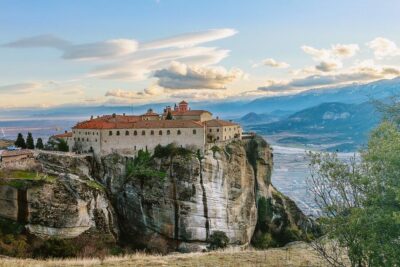
Athens to Meteora: Monasteries, Caves & Seaside Stopovers
Read our review →
Full-Day Meteora Tour with Local Guide & Greek Lunch
Read our review →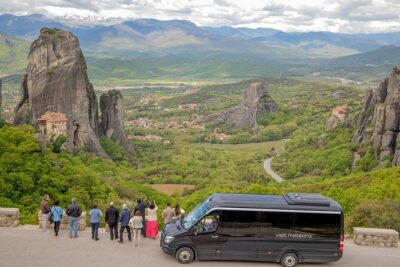
Meteora Monasteries, Caves & Coastal Stopovers with Lunch
Read our review →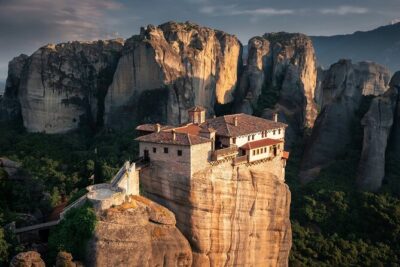
Meteora Monasteries & Caves DayTrip from Athens with Greek Lunch
Read our review →
4-Day Classical Greece Tour: Epidaurus, Mycenae, Olympia, Delphi, Meteora
Read our review →Browse the lists this tour appears in