
Reviewed · WINE TOURS
Paros: Cooking Class with Greek Meal & Wine
A Greek cooking class should feel like a real night out, not a lecture. This one is interesting because you cook a complete Paros meal with local teaching, then sit down together to eat what you made. You also get a quick introduction to a traditional dance, so the evening has culture built in.
I love how hands-on it is, with a team that gets everyone chopping, mixing, and cooking instead of standing on the sidelines. I also like that you leave with the recipes for the dishes you prepare, so the flavors are not trapped on the island.
One thing to consider: if you are sensitive to alcohol, the meal includes local house wine, and the mood can trend festive. Let the team know early if you have dietary needs, since they ask you to share restrictions ahead of time.
In This Review
- Key things to know before you go
- Where this Paros cooking class happens, and why the setting matters
- The 3.5-hour flow, from welcome wine to shared dinner
- What you actually cook in a Parian Greek menu
- Hands-on teaching: how the instructors keep everyone involved
- Wine, dancing, and the social energy that comes with cooking
- Price and value: is about $140 per person fair?
- Dietary needs and comfort level in the kitchen
- How to get the most out of your class (simple tips)
- Who should book, and who might want a different plan
- Should you book this Paros cooking class?
Key things to know before you go
- Small-group cooking with a cap mentioned at 15, and an activity maximum noted at 25, so you actually get guidance.
- You cook the meal, not just watch, with stations that help everyone participate.
- House wine during your meal plus a lively social vibe at communal tables.
- Greek dance basics are built into the experience, not tacked on at the end.
- Take-home recipes for the dishes you make, so you can recreate Parian cooking.
Where this Paros cooking class happens, and why the setting matters
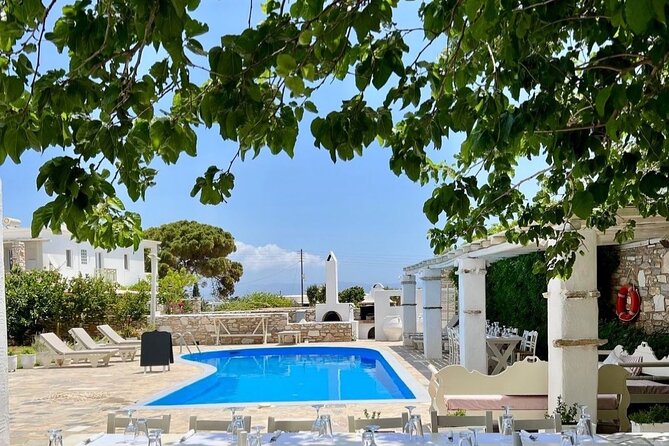
You’ll start at the Anezina Hotel & Village in Naousa on Drios (Paros). If you’re getting picked up, it’s typically from the hotel lobby or a nearby appointed location, as long as you share your exact pickup details with the operator. You also get return transfer back to the meeting point, which is a big deal in Greece, where “getting there” can be more work than the activity itself.
The class is designed for real conversation and close coaching. A small group helps for two reasons: your hands learn faster, and your questions do not get lost in the back row. The cap listed for the experience is part of the selling point, and the end result is that most people feel included from the first ingredients to the final dessert.
The timing matters too. You can choose the class timing for flexibility, and the total experience runs about 3 hours 30 minutes. That’s long enough to feel like a full day plan, but short enough that you won’t lose your whole evening to standing around.
More Greek kitchens teaching by hand:
The 3.5-hour flow, from welcome wine to shared dinner
This is a “kitchen party” format, with a clear rhythm. You arrive, settle in with other people, and get a drink as the evening starts. In many cases, you’ll receive a chef-style head cover and apron, which sounds silly until you realize it signals the tone: everyone is here to do, not just to observe.
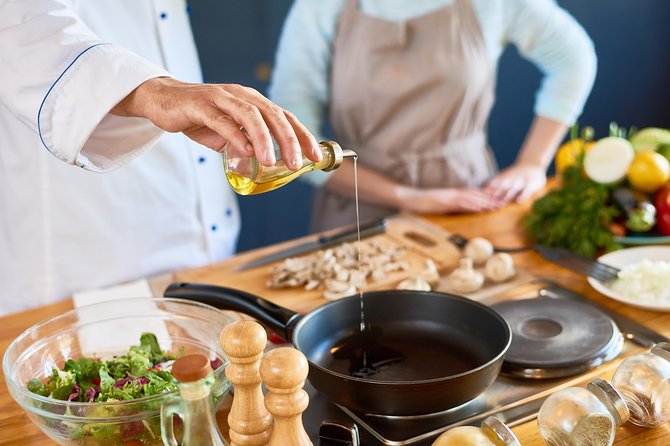
Then you jump into food prep step-by-step. Instead of one giant line of tasks for one person at a time, the process uses different stations, so multiple people can work on different components. You’ll typically do hands-on work like chopping, mixing, assembling, or preparing ingredients, with the instructors steering technique and timing.
After cooking, you all sit down to enjoy what you made. This shared meal is a core part of why the class feels like a cultural evening rather than a cooking demo. You’re not just eating food, you’re tasting your own choices, and you get to compare notes with the group.
A standout element is pacing. The day has enough structure that someone with no cooking experience can still succeed, and the teaching stays practical. If you’re worried about “being slow” in a kitchen, don’t. The best format here is that the team guides you through what matters, then lets you handle the rest.
What you actually cook in a Parian Greek menu
You’re in for a full Greek meal, built in stages that usually run from starters through mains and finish with dessert. The experience is described as ranging from appetizers to desserts, so plan to eat well and leave satisfied.
You might cook a mix of classic Greek dishes and Parian specialties. Based on the dishes people have made in this class, the menu can include things like:
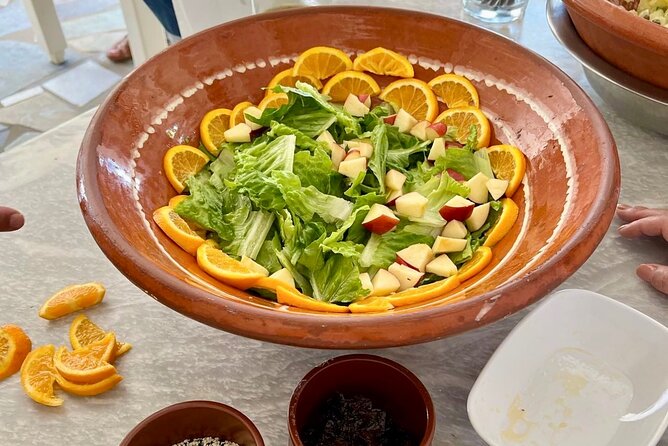
- Anezina Salad
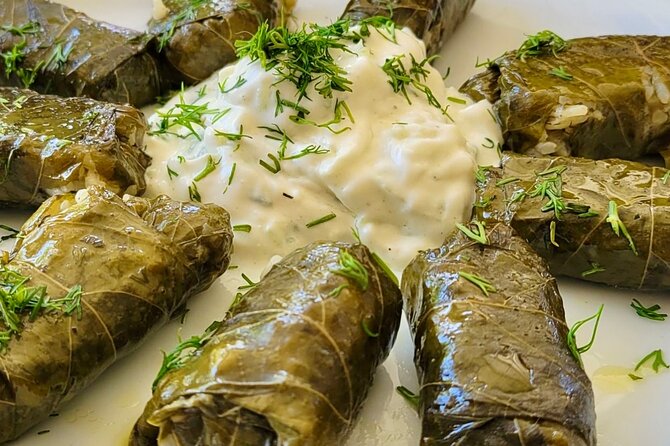
- Dolmades
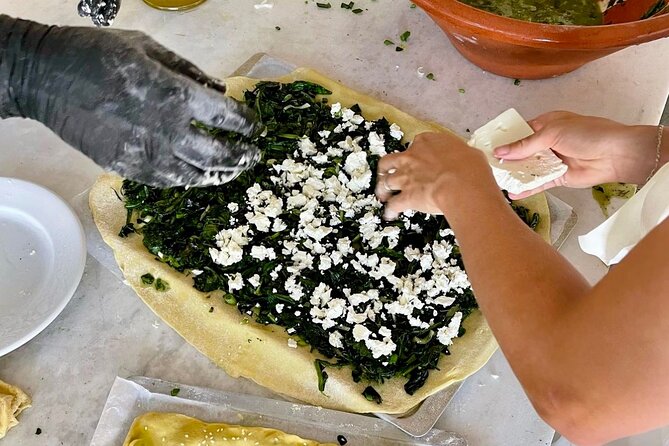
- Spanakopita (spinach and cheese pie)
- Chicken with orzo
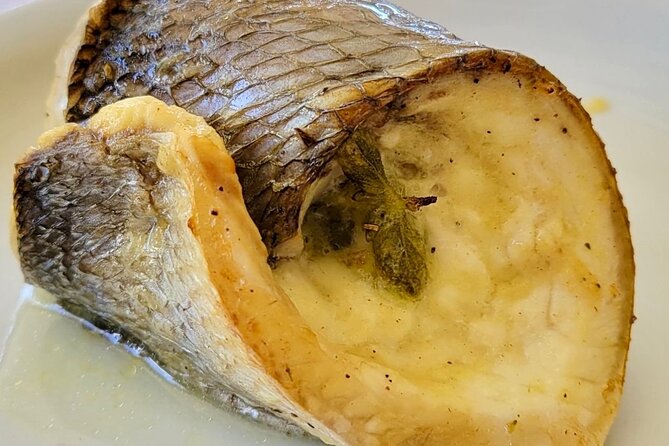
- Lemony stuffed sea bass
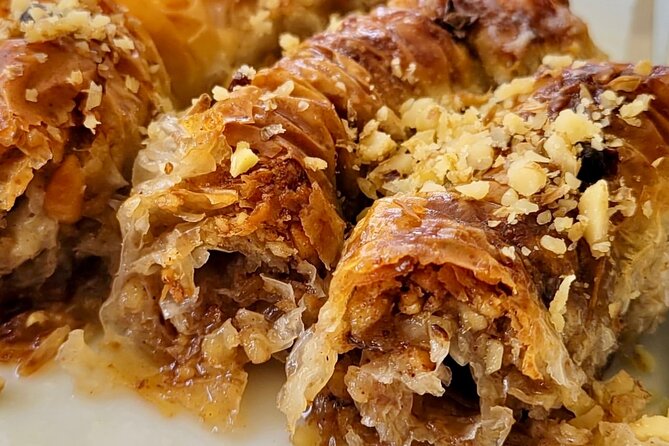
- Baklava
- Tzatziki
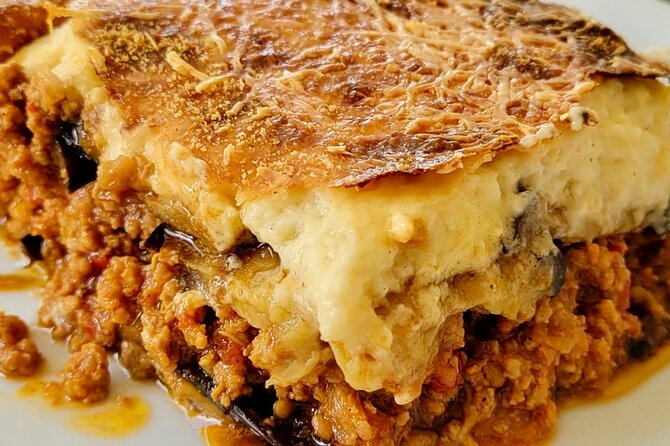
- Moussaka
- Mussels and stuffed tomatoes
You may also get fish handling practice, including filleting in some sessions. That kind of skill is memorable because it’s not something you usually learn on a vacation day, and it gives you a concrete technique you can reuse later.
Here’s what that means for you, practically. You’re not just learning recipes. You’re learning how Greek flavors build: acidity, herbs, garlic, olive oil, and simple but careful seasoning. The instructors tend to explain possible variations too, so if you make the same dish at home, you can adapt it instead of treating it like a fragile “exact step list.”
Also, the class is pitched as Parian cuisine, which is useful if you want more than generic mainland Greek cooking. Paros has its own culinary identity, and this format tries to keep it from turning into a “tourist Greek cooking set” where everything tastes the same.
Hands-on teaching: how the instructors keep everyone involved
The biggest praise centers on one thing: people are cooking the whole time. The group format is interactive, and instructors make sure you do real tasks. You’ll see a lot of support in the way they coach technique and keep stations moving so nobody gets stuck.
The teaching also feels personal. Instructors named in the experience include Vivian, Abdul, and Maria, and they’re described as warm teachers who explain details clearly while keeping the room laughing. Even when tasks are basic, like measuring or chopping, you get the “why” behind steps, which helps you repeat the food later.
One detail I think you’ll appreciate: many activities in Greece rely on written recipes only, but here you’re getting direct guidance. That matters because Greek cooking is more about feel and timing than exact measurements. You might still receive measurements, but you’ll also learn what the food should look like as you work.
And yes, you can go in without experience. The class explicitly says you don’t need prior cooking experience, and the format supports beginners. If you’re traveling with kids or cooking-shy friends, this is one of the safer bets because the team builds participation into the plan.
Wine, dancing, and the social energy that comes with cooking
The meal includes local house wine. That’s not just a “nice extra.” It changes the vibe of the class, and it lines up with the cultural theme. You’ll likely start with a glass as the session begins, then wine continues during the meal.
Expect a lively tone, especially because the experience includes a brief introduction to a local traditional dance. People often talk about music, dancing, and a party-like atmosphere, and that’s exactly what you should plan for. It’s not a performance you watch from a distance. It’s more like cultural participation, with the kitchen still driving the schedule.
There’s also a practical side to this social energy. It makes the class easier to enjoy if your day has been long. You don’t need to be a confident cook. You just need to show up, listen for cues, and keep moving.
If you prefer a quieter dinner, you may still find this charming, but go in with eyes open. This isn’t a hushed tasting menu. It’s a communal Greek evening built around food, wine, laughter, and rhythm.
More Greek vineyards on volcanic soil:
- Paros: Wine tasting at Local Winery
★ 4.9 · 91 reviews - Santorini: Top Sights Day Trip, Wine Tasting, & Oia Sunset
★ 4.6 · 2,492 reviews - Santorini Wine Adventure with 12 Wine Tastings, Tapas and Sunset
★ 5.0 · 1,715 reviews - Tour and Wine Tasting in Mykonian Land
★ 5.0 · 1,357 reviews
Price and value: is about $140 per person fair?
At around $140.29 per person for approximately 3 hours 30 minutes, you’re paying for three things: instruction, the full meal, and the “make it an experience” extras. Cooking classes can look cheap when they give you a tiny appetizer portion, but the cost comes from what you get, not just the time.
Here’s the value math I see:
- Full meal included (you cook and then eat the meal)
- Lunch is included as part of the experience
- House wine during your meal is included
- Recipes are included, so the value extends after the tour day
- Pickup and drop-off transfer is included, which reduces friction on a trip
For Paros, that combo is often more expensive when booked as separate pieces. Paying one price for transport plus teaching plus food is usually the better deal, especially if you want a guaranteed plan and don’t want to spend your vacation time “figuring out” dinner.
One more value point: small-group size. When you’re in a group of around that cap, you’re more likely to get hands-on help and better feedback. That turns the class from entertainment into a skill-building session, even if you never cook Greek food before.
Dietary needs and comfort level in the kitchen
The experience asks you to inform the team about dietary restrictions. That’s a helpful sign, because it means they can prep the plan so you’re not stuck with a plate that doesn’t match your needs.
If you have allergies, I strongly recommend emailing or messaging your restriction details before arrival. The information you provided matters because some dishes can contain nuts, dairy, or allergens depending on the recipe. The class format is flexible when the kitchen knows what to adjust ahead of time.
Comfort level is also part of the design. They explicitly say there’s no need for prior cooking experience, and the cooking style is not meant to intimidate. You’ll be guided through tasks, and the stations are built to keep everyone participating.
If you’re traveling with kids, a friend who hates cooking, or someone who is nervous about performance, this style of teaching is usually a good fit because the instructors involve people directly and keep the energy upbeat.
How to get the most out of your class (simple tips)
Here are a few practical moves that make the day go smoother:
- Ask questions as you cook. The instructors can explain variations and what to watch for, and you will understand the dish faster if you ask mid-step.
- Wear comfortable clothing you don’t mind getting a little messy. Even if the mess is minor, cooking leaves traces.
- Plan the rest of your day around eating well. You’ll likely leave very full since you cook and then share the meal.
Also, take advantage of the recipes. If you want to recreate the food at home, wait until the flavors are still fresh in your memory, then use the recipes while your taste notes are intact. That’s where this class gives you lasting value.
Finally, if you’re doing multiple activities on Paros, protect your energy. This is social and hands-on. Pair it with something quiet the next day.
Who should book, and who might want a different plan
This class is a great match if you:
- Want a hands-on Greek meal instead of a passive tour
- Like small-group activities where you can actually talk and cook
- Want to learn techniques you can reuse at home with the recipe handout
- Enjoy food paired with wine and a bit of cultural dancing
It might not be ideal if you:
- Prefer a strict, silent, technique-only class with no alcohol and no social vibe
- Have mobility limits that make hands-on kitchen participation difficult, since the format involves cooking steps and moving between stations
But for most visitors, the blend of teaching, eating, and island culture is exactly what makes Paros feel personal.
Should you book this Paros cooking class?
If you want a single activity that feeds you, teaches you, and adds a real slice of Parian life, I think this is a strong yes. The small-group feel, the hands-on cooking, and the included recipes are the big reasons it’s worth your time.
Book it if you’re hungry for a memorable Greek meal and you enjoy learning by doing. If you’re not into wine or you want a calm environment, just be upfront with the team about your preferences and dietary needs, then plan for a friendly, lively kitchen evening.
More Workshops in Paros

New pins on the Paros chart
- Paros: Full-Day Small Boat Rental with Self-Driving★ 4.8 · 83 reviews
- Paros: Full-Day Sailing Yacht Cruise★ 4.8 · 88 reviews
- Paros & Antiparos Full-Day Discovery Guided Tour in English★ 4.0 · 90 reviews
- Paros: Wine tasting at Local Winery★ 4.9 · 91 reviews
- Paros: Greek Cooking Class with Full Meal★ 4.9 · 96 reviews
- From Paros: Crab Island and Salt Lake Antiparos Boat Trip★ 4.7 · 97 reviews
Wine Tours, compared.

Top Sights Day Trip, Wine Tasting, & Oia Sunset
Read our review →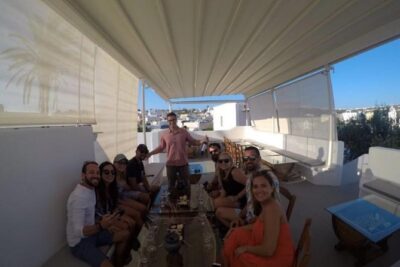
Santorini Wine Adventure with 12 Wine Tastings, Tapas and Sunset
Read our review →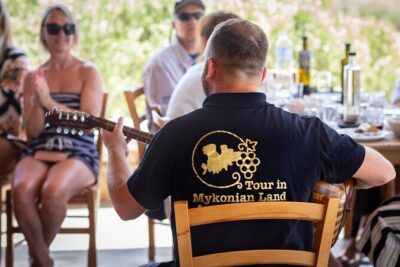
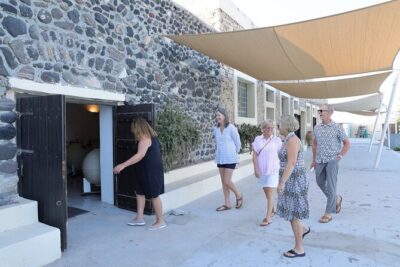
Santorini Wine Stories: Sunset Tour with Tasting & Dinner
Read our review →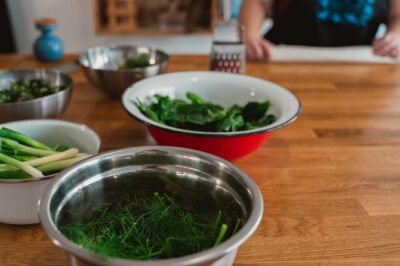
Classic Cooking Class with Market Visit and Wine
Read our review →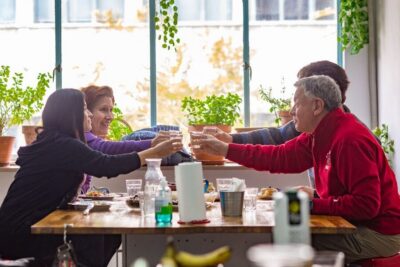
Food Market Visit and Cooking Class with Wine
Read our review →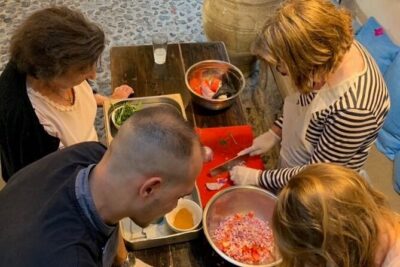
Greek Cuisine Cooking Class in Santorini with Recipes and Wine
Read our review →
Small-Group Sunset Wine Tour with Santo Winery
Read our review →Browse the lists this tour appears in