
Reviewed · OLIVE FARM TOURS
Small-Group Honey & Extra Virgin Olive Oil Tasting Tour in Crete
Honey and olive oil in Crete can sound simple, until you taste the variety. This small-group stop at Idiosmos turns beekeeping and olive oil extraction into a hands-on, story-driven hour. You also leave with jars and jars of flavor, not just souvenirs.
I love the mix of personal attention (max 10 people) and the guide’s upbeat teaching style, often led by Mariana in English. I also love the payoff: a tasting that walks you through eight honey types plus extra virgin olive oil, paired with local foods like bread and cheeses, and often more.
One consideration: the tasting experience can feel a little rushed at the end if larger groups arrive and the host shifts focus. If you care a lot about the pairings, go in ready to ask a question or two and slow down when you’re sampling.
In This Review
- Key things that make this honey and olive oil tour special
- A 1-hour Crete tasting stop that fits real travel days
- Idiosmos farm basics: a family producer since 1920
- From bee hives to honey: what you learn during the tour
- Olive oil extraction on site, plus a cold-pressed focus
- The sensory stations that make the science stick
- The tasting lineup: 8 honey types plus extra virgin olive oil
- What’s on the table with the samples
- How to taste better at this kind of table
- The guide factor: why Mariana-style hosting matters
- Views and getting there: it helps if you enjoy countryside drives
- Buying honey and olive oil after the tasting, without the hard sell
- Price and value: why $18.10 makes sense for this format
- Who this tour is best for (and who might skip it)
- Should you book this honey and olive oil tour in Crete?
- FAQ
- How long is the honey and olive oil tasting tour in Crete?
- What group size is this tour?
- Is the tour offered in English?
- How many types of honey and olive oil will I taste?
- Do I see olive oil production and learn about beekeeping?
- Is there food included with the tasting?
- Where do I meet for the tour?
- Does it use a mobile ticket?
- Are service animals allowed?
- What is the cancellation and weather policy?
Key things that make this honey and olive oil tour special
- Small group size (up to 10): You get room for questions and hands-on moments.
- A 1920 to now story: You hear how the family business thinks about honey and olive oil.
- You see real production steps: The core oil-making process happens on site, not just in theory.
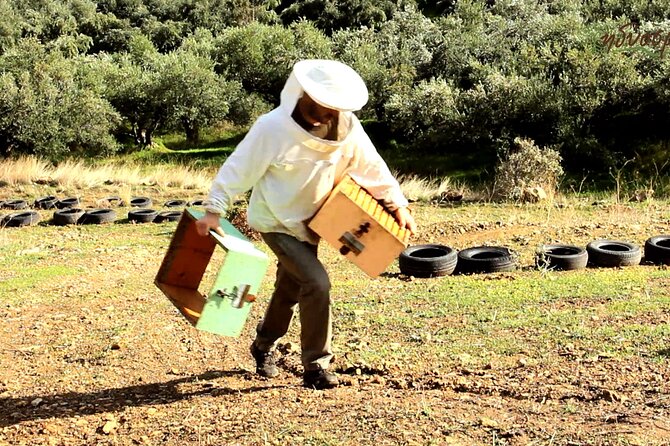
- Bee hives and beekeeping explained: You connect the honey in your cup to how it’s made.
- Taste 8 honey varieties plus olive oil: It’s structured, so you can actually notice differences.
- Food pairings that turn sampling into a mini meal: Bread, cheeses, and other local bites help you judge flavor.
A 1-hour Crete tasting stop that fits real travel days
This is the kind of tour that works even when your itinerary is packed. The total time is about 1 hour, and it ends back at the start point, so you are not gambling on a long return plan.
The best part is pacing. The tour mixes explanation with sensory stops, then hands you a set of flavors to compare. That keeps it from becoming one of those “watch, listen, taste one thing” activities that feel thin at the end.
If you want a food activity that does not eat half your day, this hits the sweet spot. And at $18.10 per person, it is also a sane splurge compared with many day-long tastings in Europe.
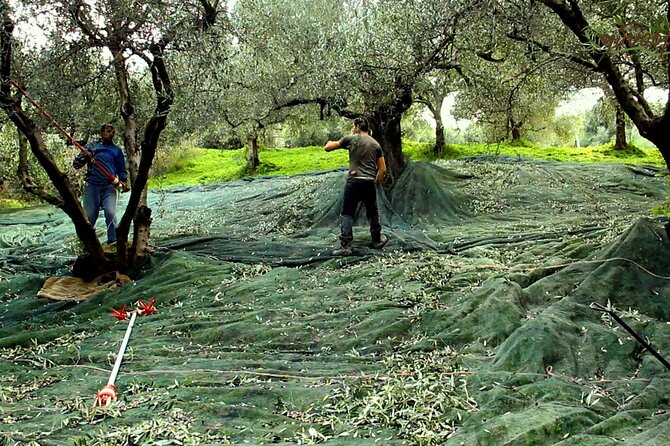
More olive groves at pressing time:
Idiosmos farm basics: a family producer since 1920
You meet at Idiosmos Extra Virgin Olive Oil & Honey Tour & Taste, in Pervolakia (734 00), Crete. The setting matters because this is not a sterile showroom. It is built around the idea of a working family producer, with tradition going back to 1920.
That long timeline shows up in the tone. The story you hear is not just “we make honey.” It is how the craft and the family pride have shaped the business over generations. When a tour tells you you are visiting a family tradition, it usually turns into sales pressure. Here, it feels more like pride first, then shopping.
From bee hives to honey: what you learn during the tour
The tour theme is simple, honey plus olive oil, but the path to get there is what makes it memorable. You learn about bee hives and beekeeping in Greece, and you also hear how honey fits into the land.
You will get a view of the on-site workings and production steps, plus a short movie that focuses on the work outside the main area. That helps you picture the full cycle, not just the final jars on a table.
The guide’s job is to connect cause and effect. When you understand how the bees work and how honey gets handled, the tasting becomes more than “sweet versus sweeter.” You start thinking in terms of aroma, texture, and aftertaste.
Olive oil extraction on site, plus a cold-pressed focus
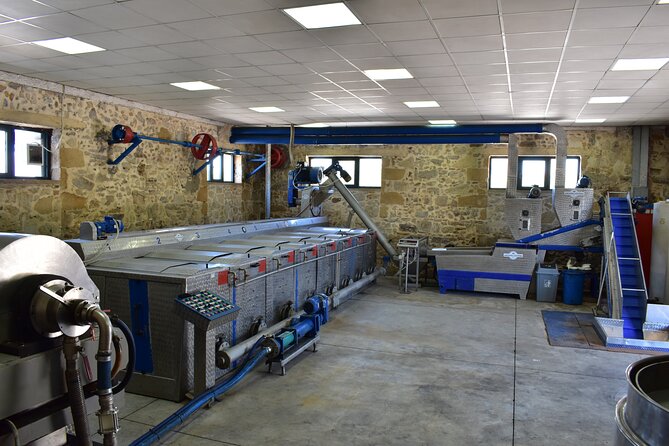
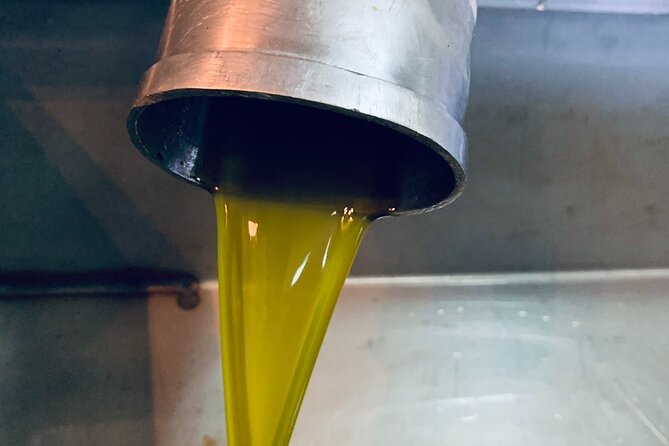
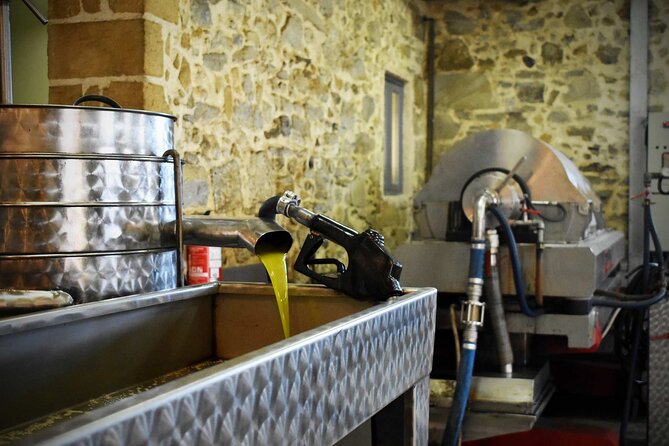
You also get the extra virgin olive oil side in a way that stays practical. You learn about the process of extracting extra virgin olive oil, and you see the core production steps on site.
Two words you will hear repeatedly are cold pressed and extra virgin. Cold pressing matters because it’s part of how the oil retains its character. Extra virgin is also about quality standards, which is why this kind of tour is useful if you have been buying olive oil but never really learned what makes one bottle taste greener or fruitier than another.
You get “how it’s made” context, then you taste. That combo helps you avoid the common travel mistake of buying based on branding alone.
The sensory stations that make the science stick
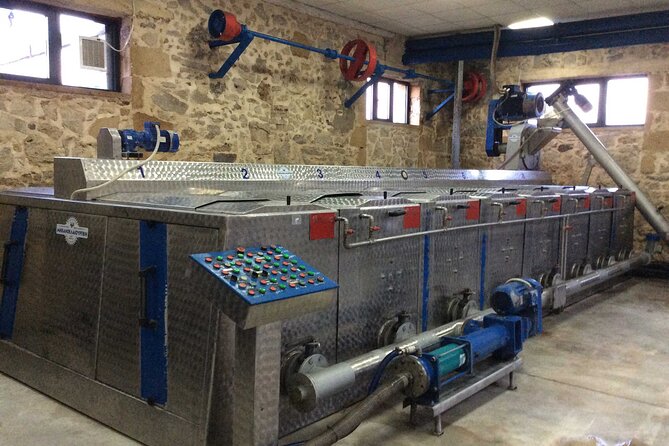
This is one of those experiences that does not rely only on facts. It asks you to use your senses in a guided way:
- Listen: You hear a story from 1920 until now, with enough personality to keep it moving.
- See: You watch the core production process on site.
- Touch: There are hands-on moments in the small group format.
- Smell: You get guided sniffing of nature-like scents, designed to help you imagine the landscape and the herbs that shape what ends up in your cup.
- Taste: Everything ends at the table, where you compare flavors side by side.
I like this approach because it makes the learning portable. You walk away remembering what you smelled and how it mapped to the honey and oil flavors you sampled.
And because the group is small, you are not just reacting to the guide talking at you. You get more chances to follow the steps at your own tempo.
More of Greece at the taverna table:
- Crete: Sunset or Morning Quad with Local Products Tasting
★ 4.9 · 1,135 reviews - Chania: Old Town Highlights Guided Tour with Street Food
★ 4.9 · 407 reviews - From Chania: Wine and Olive Oil Tasting Tour with Snacks
★ 4.8 · 354 reviews - Walking “Food tasting tour” in the town of Chania
★ 5.0 · 297 reviews
The tasting lineup: 8 honey types plus extra virgin olive oil
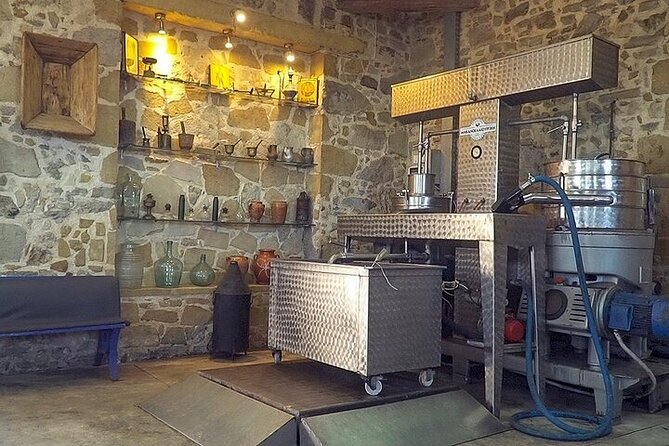
Here is the heart of the experience, and it is where the value really shows. You taste a flavor palette that includes 8 different types of honey along with extra virgin olive oil.
The honey tasting is set up so you can notice differences. You are not only tasting sweetness. You also pick up on scent and how the honey lingers. When you taste multiple varieties back-to-back, you train your palate fast.
Then the olive oil comes in. You taste it, get tips about what to notice, and you compare it to what you just experienced with honey. That pairing helps you understand both products as part of the same land, not separate “buy one, buy the other” items.
What’s on the table with the samples
You will also have local food bites to go with the tasting. Common items described include bread and cheeses, plus add-ons like olives, tomatoes, and yogurt. Some tastings include a larger spread style presentation, with enough food that it can work as a mini meal or afternoon snack.
This is a smart move. Honey and olive oil can taste intense on their own. Food pairings give you a more realistic sense of how you would use these products at home.
How to taste better at this kind of table
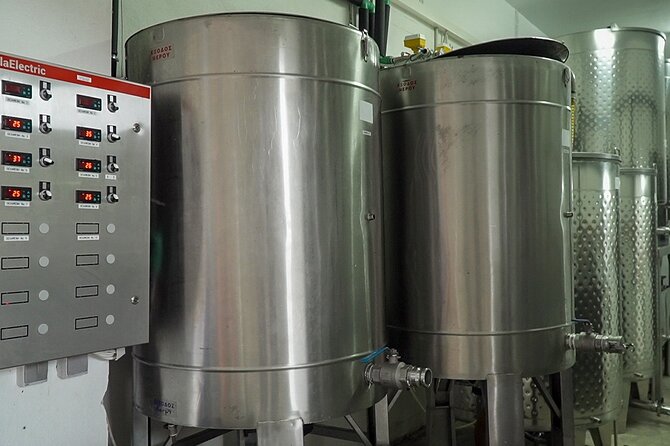
You are doing a comparison tasting, so the trick is to slow down just enough to notice patterns. Here is how I would approach the hour if I wanted the most from it:
- Start with one honey, then take a sip of water or a bite of bread before you jump to the next.
- Pay attention to aroma first, then sweetness. Honey can vary in how quickly it hits the tongue and how long it stays.
- When you switch to olive oil, try it plain first, then with bread. That helps you understand its fruitiness and bite.
- Ask the guide which notes she thinks you should catch for that specific honey or oil. The tips are built for exactly that.
If the tasting pacing feels rushed at the end, it is not the time to pretend you understood everything. Ask one question. Most hosts are happy to re-explain what you are tasting.
The guide factor: why Mariana-style hosting matters
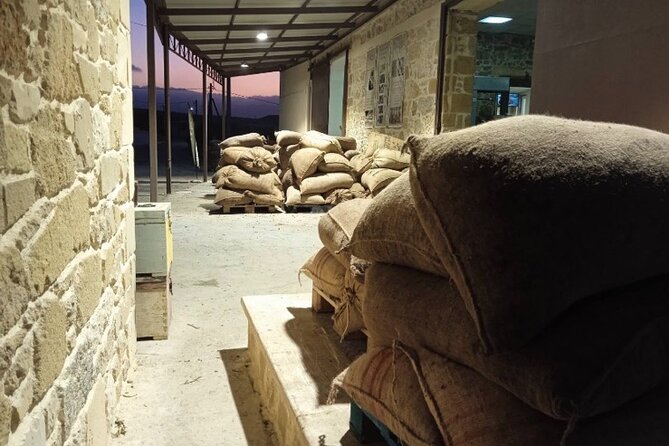
A lot of food tours rise or fall on the person guiding them. Here, the hosting style comes up again and again. Guides like Mariana are described as friendly, funny, and strong at keeping explanations at the right level.
I like this because you do not need a food science degree. The tour teaches enough to make your tasting sharper, but it does not turn into a lecture you forget the next day.
Also, the small-group cap of 10 travelers helps. You are more likely to get direct answers than you would on a larger bus tour.
Views and getting there: it helps if you enjoy countryside drives
Even though the experience is short, there is still a bit of scenery built into the day. People describe spectacular views on the way to the farm and a beautiful setting around the olive area.
If you are coming from a port, you might find it easiest to use a taxi or local transport. The important bit is that this tour is tied to the countryside, so give yourself a little buffer for timing.
Buying honey and olive oil after the tasting, without the hard sell
Many tours end with a store moment, and some do it with pressure. Here, the shop is part of the experience, and people commonly say they buy because the quality is clear and the pricing feels reasonable.
Because you taste first, your purchases feel less random. You can match the honey type and olive oil style to the flavor profile you liked during the guided sampling.
A practical tip: if you are planning to bring jars home, be realistic about suitcase space and local customs rules. The tour makes it easy to fall in love with multiple varieties. Just plan how you will pack your favorites.
Price and value: why $18.10 makes sense for this format
At $18.10 per person, the value is strong because you get three things that usually cost more separately:
- Instruction on two crafts, beekeeping and olive oil extraction
- A structured tasting (8 honey types plus extra virgin olive oil)
- Food pairings that can add up to an actual snack or mini meal
In other words, you are paying for an experience that teaches you how to taste and then gives you the tasting to practice. That is usually where money turns into real satisfaction.
And the small-group size helps keep the experience focused. Up to 10 people is a ceiling that usually makes the difference between “I stood in a crowd” and “I actually learned something.”
Who this tour is best for (and who might skip it)
This tour is ideal if you are:
- A foodie who likes to compare flavors in a guided way
- Curious about beekeeping and olive oil production beyond generic tastings
- Traveling with a partner or friends and want something relaxed but meaningful
- Interested in buying direct-from-producer honey and cold-pressed olive oil
You might consider a different type of tour if:
- You hate any shop component, even if it is optional and you buy at your own pace
- You want a longer, deeper course. This is about one hour and a lot of flavors, not a multi-hour deep workshop
That said, even skeptics often end up buying. When you taste eight honeys plus olive oil side by side, it is hard to stay indifferent.
Should you book this honey and olive oil tour in Crete?
If you want one smart, short food experience in Crete, I think this is worth booking. The reasons are simple: small-group attention, a real working focus on olive oil extraction and beekeeping, and a tasting lineup that is large enough to teach your palate something.
Book it if you love honey, like olive oil, or want to learn what you are tasting when you buy these products. Pass if you need a long history lecture, or if you are allergic to any chance of a rushed ending during peak moments.
FAQ
How long is the honey and olive oil tasting tour in Crete?
It lasts about 1 hour.
What group size is this tour?
The tour has a maximum of 10 travelers, making it a small-group experience.
Is the tour offered in English?
Yes, it is offered in English.
How many types of honey and olive oil will I taste?
You will experience tastes of 8 different types of honey and extra virgin olive oil.
Do I see olive oil production and learn about beekeeping?
Yes. You are introduced to the process of extracting extra virgin olive oil, and you also learn about bee hives and beekeeping in Greece. You will see the core production process on site and watch a movie.
Is there food included with the tasting?
Yes. You will taste honeys and olive oil with food pairings. The tasting includes items like bread, cheeses, and other local foods.
Where do I meet for the tour?
The meeting point is Idiosmos Extra Virgin Olive Oil & Honey Tour & Taste, Pervolakia 734 00, Greece.
Does it use a mobile ticket?
Yes, you receive a mobile ticket.
Are service animals allowed?
Yes, service animals are allowed.
What is the cancellation and weather policy?
You can cancel for a full refund up to 24 hours before the start time. The experience requires good weather, and if it is canceled due to poor weather, you will be offered a different date or a full refund. If the minimum number of travelers is not met, you will also be offered a different date or a full refund.
New pins on the Crete chart
- Guided Tour to Knossos Palace & Heraklion★ 4.0 · 83 reviews
- Richtis Waterfall, History, Azoria, OliveTasting, NorthCoast★ 5.0 · 83 reviews
- Spectacular Dinner-Show★ 5.0 · 84 reviews
- From KAVROS/GEORGIOUPOLIS : Elafonisi Island Pink Sand Beach★ 4.2 · 84 reviews
- Quad Safari Off-Road Evening Tour★ 5.0 · 84 reviews
- Chania old town and around private tour (price per group of 6)★ 5.0 · 85 reviews
Olive Farm Tours, compared.
Quad Safari, Olive Mill with Tasting & Ghost Village
Read our review →
Zeus Cave -Old Traditional Villages-Olive Oil Factory
Read our review →
The Governor’s Olive Mill Tour with Olive Oil Tasting
Read our review →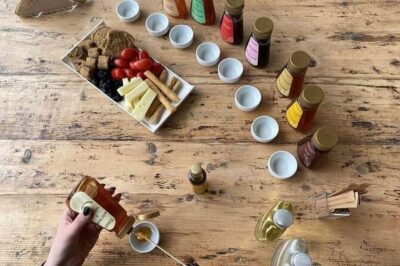
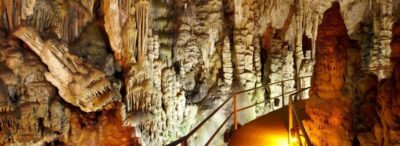
Road-trip to Lasithi, Zeus Cave & Olive Mill Farm
Read our review →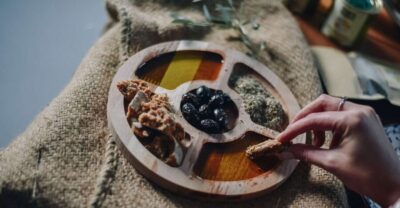
Olive Farm Tour with Tasting of Local Delicacies
Read our review →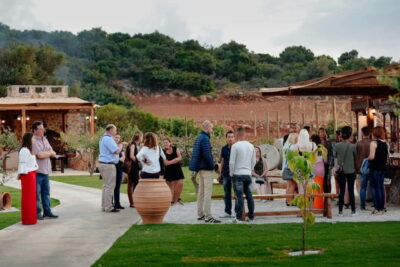
Lassithi, Zeus Cave, Olive Mill Farm & Knossos Combo Tour
Read our review →
Zeus Cave, Lassithi Plateau, Olive Oil Factory, Kritza, Pottery
Read our review →Browse the lists this tour appears in