
Reviewed · DELPHI & ARACHOVA TOURS
Thermopylae and Delphi full day private tour from Athens
Thermopylae and Delphi in one long day. I like that this feels smooth and practical, with a plan that gets you out of Athens without the usual transit headaches. You also ride in air-conditioned comfort, so the day stays focused on ancient sites, not logistics.
Two things I really liked: the prebuilt flow between stops, and the way the driver brings the story to life along the road. A third plus is that you get included lunch, so you are not hunting for food when you are tired and sun-soaked.
One drawback to consider: Delphi can mean a lot of walking and uphill ramps in the sun, so you will want to plan for the physical side of the day.
In This Review
- Key highlights that make this tour work
- Why Thermopylae plus Delphi beats a DIY day from Athens
- Price and logistics: what you are really paying for
- Pickup, comfort, and how private feels in practice
- Thermopylae battlefield: the Hot Gates you picture from history
- Leonidas monument and a short stop that still lands
- Thermopylae Museum: the added layer you might miss
- Delphi walks: sanctuaries, stadiums, theater, and the uphill math
- Tholos of Athena Pronaia: the circular building lesson
- Delphi Archaeological Museum: when the artifacts do the talking
- Temple of Apollo and the Oracle of Delphi: the story behind the stones
- Lunch in Delphi and coffee in Arachova: breaks that keep the day human
- Drive time reality check: the Athens to Delphi distance
- “Am I going to miss anything?” Timing, closing times, and your best strategy
- Should you book this Thermopylae and Delphi private tour?
- FAQ
- How long is the Thermopylae and Delphi private tour?
- Is pickup and drop-off included?
- Is lunch included?
- Are entrance fees included in the price?
- Will I have a licensed tour guide inside the sites?
- What language is the tour offered in?
- Is there free cancellation?
Key highlights that make this tour work
- Private Athens pickup and drop-off, so you do not spend the morning figuring out buses and connections
- A/C transport with WiFi and bottled water, helpful on a 10 to 11 hour day
- Thermopylae first, then Delphi, a logical order that keeps the day from feeling rushed
- Driver-led storytelling between sites, including context for Apollo and the Oracle of Delphi
- Time built into Delphi, with free walking areas plus museum time for major artifacts like the Charioteer
- Lunch included, often a traditional Greek meal so you can keep exploring afterward
Why Thermopylae plus Delphi beats a DIY day from Athens
Trying to do Thermopylae and Delphi on your own is doable, but it is also the kind of plan that turns into stress fast. Two separate transfers. Timing squeezes. And then you arrive at a hot site already worn out. This private format solves that. You get door-to-door pickup, a dedicated car, and a full schedule that strings the major moments together.
The other big reason I like this combo is that it tells a bigger story than either site alone. Thermopylae is the legendary stand, the moment Greece resisted Persian invasion at the Hot Gates. Delphi is the religious and political brain of the ancient Greek world, where answers came through the Oracle of Apollo. Put them in one day and the whole trip feels like a theme, not just a checklist.
More Private Tours in Athens
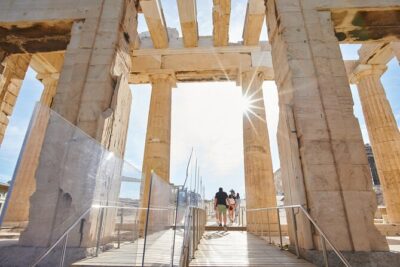

Price and logistics: what you are really paying for
At $254.52 per person for a 10 to 11 hour private day, the price is not “cheap,” but it is also not random. You are paying for three things that add real value.
First, you are paying for private transportation instead of public buses. That matters here because Delphi is far enough that slow transfers eat your day.
Second, the trip includes hotel or port or airport pickup and drop-off, plus air-conditioned comfort, WiFi on board, and bottled water. Those small touches matter on a full-day outing.
Third, lunch is included with a traditional Greek option. Even if you love planning food, a ready meal keeps the day from turning into decision fatigue.
What is not included is important for budgeting. You may need to purchase entrance tickets on site for Delphi and the Delphi Archaeological Museum (listed at €20 per person), and for the Thermopylae Museum (€3 per person). Some exterior areas are marked as free, but you should still expect some ticket costs once you factor in the museum portions.
Pickup, comfort, and how private feels in practice
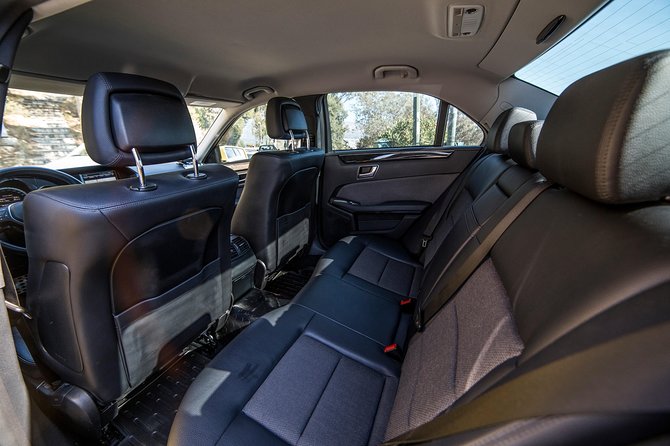
This tour is set up so it is only your group. That means you are not stuck waiting while strangers finish a photo session, and you do not have to translate your needs through a large-group tour manager.
You also get a driver who handles the mechanics: meeting you at your hotel lobby, at your apartment entrance, or holding a sign at the airport arrival hall. Several drivers stood out in past experiences, and I love that communication is described as smooth. Names you may see mentioned include George, Fotis, Apostolos, and Antonio. The consistent theme was simple, friendly attention and stress-free timing.
One practical thing to know: the driver is not a licensed site guide and will not enter the archaeological sites with you. Still, they can explain what you are seeing in fluent English during the ride and between stops. If you want a licensed guide inside the key spots, the option is available on request depending on availability, but it is not automatically included.
Thermopylae battlefield: the Hot Gates you picture from history
Thermopylae is famous because the pass is narrow. In antiquity it was one of the key land routes between regions, and in myth it is tied to the idea of a gateway to the underworld. Even today, that geography matters. When you stand at the battlefield area, you understand why an army would try to hold a choke point.
The core story is the battle fought in 480 BC, with Greek forces led by Leonidas of Sparta facing the Persian invasion under Xerxes. The event ran over three days and happened at the same time as the naval fighting at Artemisium. The famous epitaph linked to the moment essentially tells a traveler to say the Spartans obeyed their laws, even in death. If you have read the famous popular retellings or watched the big-screen version, this is the real place that the fiction points back to.
Here is a reality check, and it is good to know up front: the battlefield area you visit is not a perfectly preserved movie set. One common note is that the sea has receded, so the original coastal setup does not look the way your imagination might expect. Even so, the site is still compelling because it is about the tactical terrain, not marble ruins.
What you should do on the ground is keep your expectations tuned for interpretation. In other words, let the guide story do its job. The place works best when you treat it like history in context.
Leonidas monument and a short stop that still lands
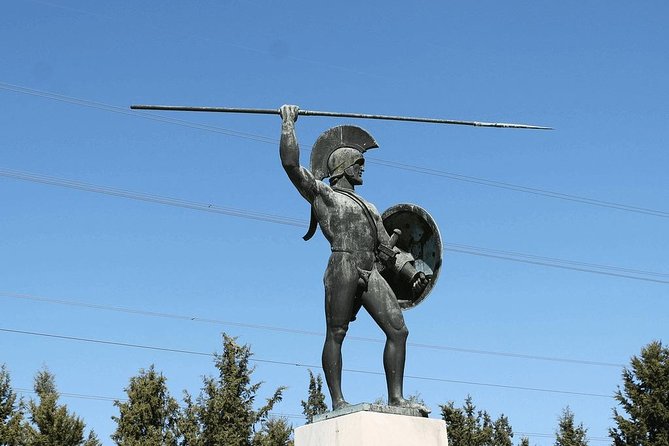
Near the battlefield area is the Leonidas Monument. Leonidas was a Spartan king, part of the Agiad dynasty line, and he became the symbol of the stand at Thermopylae. His story matters because it connects political leadership to sacrifice. The Greeks lost the battle, but the broader campaign did not end there. The next year the Persians were pushed back.
This stop is short on purpose. If you have limited time in Greece, you do not waste it trying to “see everything.” You get the key reference point for the whole Thermopylae story.
If you are hoping to spend hours here, you may feel the time is brief. But if your goal is to move efficiently to Delphi and still experience the emotional weight of the Hot Gates, this pacing makes sense.
More consultations at Delphi:
- Athens: Mythology of Delphi, Museum and Arachova Guided Tour
★ 4.7 · 5,102 reviews - From Athens: Delphi Full Day V.R. Audio Guided Tour
★ 4.6 · 3,028 reviews - From Athens: Small-Group Delphi, Museum & Arachova Day Trip
★ 4.8 · 2,476 reviews - Delphi English Day Trip from Athens with Official Guide
★ 4.5 · 2,199 reviews
Thermopylae Museum: the added layer you might miss
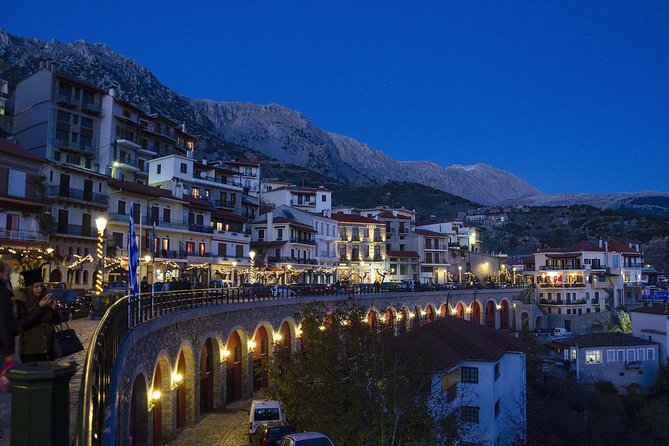
Next to the monument is the Thermopylae Museum. It is dedicated specifically to the battle of 480 BC and how it changed Greek history. The museum stop is about an hour.
The value here is that it gives you a more focused narrative than the outdoor site alone. Outside, you can read terrain and symbolism. Inside, you get objects and context that help you picture what happened.
This museum is not included in your base price. Plan on the €3 per person entrance cost. Still, for many people, that small add-on makes the morning feel complete instead of like a quick photo stop.
Delphi walks: sanctuaries, stadiums, theater, and the uphill math

Delphi is where the day gets physically real. The ancient sanctuary sits on a mountain slope, and you should plan for steps and ramps. Also, shade is limited. One useful tip from past experiences: bring sunscreen, and even consider an umbrella for sun protection. On a hot day, that simple gear can save your energy for the parts you truly care about.
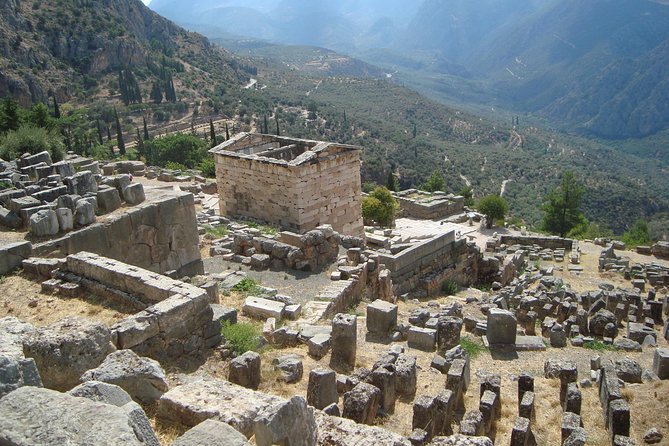
The Delphi portion starts with free time for a walk around key areas. You spend time at sanctuaries connected to Apollo and Athena Pronaia, plus the ancient stadium and theater. These spots help you get the “sacred center” feel of Delphi. You see how the place was designed for ritual, public space, and performance all in one zone.
If you are visiting with anyone older or anyone who tires quickly, this is the place to be honest with yourselves. You will likely move slower than a typical pace. This is also where a private schedule can be helpful, because you can go at a human speed instead of matching a large tour group.
Tholos of Athena Pronaia: the circular building lesson

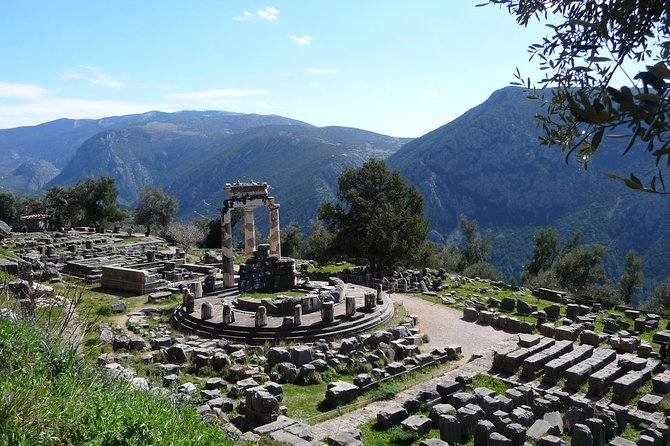
One stop you should not skip is the Tholos of Athena Pronaia. It is a circular structure within the Delphi archaeological area. It features a ring of Doric columns around a central chamber and dates to the 4th century BC.
The Tholos matters because it is more than pretty architecture. It is tied to how Delphi worship worked, especially around Athena Pronaia, a specific form of the goddess linked to this sanctuary. When you see the shape and details in person, it becomes easier to understand why ancient Greeks built places with meaning in geometry and ritual space.
This stop is listed as free with about 30 minutes. Treat it like a mini lesson. Look at the columns and imagine the space functioning as a sacred destination, not a random ruin.
Delphi Archaeological Museum: when the artifacts do the talking
Delphi Archaeological Museum is often the highlight, and for good reason. It is one of Greece’s major museums and was founded in 1903. It holds discoveries from the Panhellenic sanctuary of Delphi, spanning from the Mycenean era to the early Byzantine period.
A few details I think make it worth your time:
- It is organized into 14 rooms on two levels, so you get a sense of progression rather than a single crowded floor
- You will see statues, including the famous Charioteer of Delphi
- There are architectural elements such as the frieze connected to the Siphnian Treasury
- There are ex-votos dedicated to Apollo, including the Sphinx of Naxos
It is also big in terms of space, with a lot of exhibition floor area. In plain terms: you need your hour, and you should not treat it like a quick stop.
This museum is not included in the base entrance list. You should budget the €20 per person for Delphi and the Delphi Archaeological Museum tickets. The good news is that once you are inside, you are not dependent on sun or walking difficulty. It is a calmer way to experience Delphi.
Temple of Apollo and the Oracle of Delphi: the story behind the stones
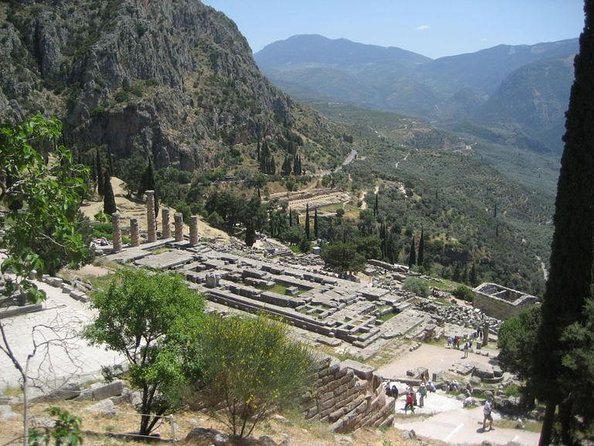
The Temple of Apollo is the most prominent position in the Delphic sanctuary. The partially restored colonnade you see today dates to the 4th century BC, and it is described as the third temple built at the same site.
Even though you can visit without paying a ticket (it is listed as free), you should still give it time. The temple connects to the Oracle of Apollo, where the Pythia delivered prophecies.
Here is a fascinating layer you might hear from your driver while you are there. The idea is that a sacred chasm under the sanctuary emitted vapors, which the Pythia inhaled, leading to a state where speech became hard to interpret. That interpretation is controversial, and scholars debate whether the Pythia actually spoke inarticulately or delivered intelligible messages. The take-away for you is simple: Delphi is where ancient religion, politics, and interpretation all intersect.
If you are the type who likes questions, this is your stop. The temple and its context turn Delphi from a place you see into a place you think about.
Lunch in Delphi and coffee in Arachova: breaks that keep the day human
Lunch is included, with a traditional Greek food option. You get free time to eat and shop in the Delphi area during the lunch window. The best advice I can give you is to eat like a traveler, not a spectator. Keep it simple so you do not lose momentum.
Arachova is where the day slows again. You get free time for a coffee before heading back to Athens. This matters because the drive back is long enough that you want a clean energy reset, not a “we will survive on snacks” plan.
Some past experiences mention that a driver helped choose a restaurant that hit the sweet spot, good food plus a view. If your driver offers recommendations, take them seriously. It is often the easiest way to get a meal that feels local without spending time searching.
Drive time reality check: the Athens to Delphi distance
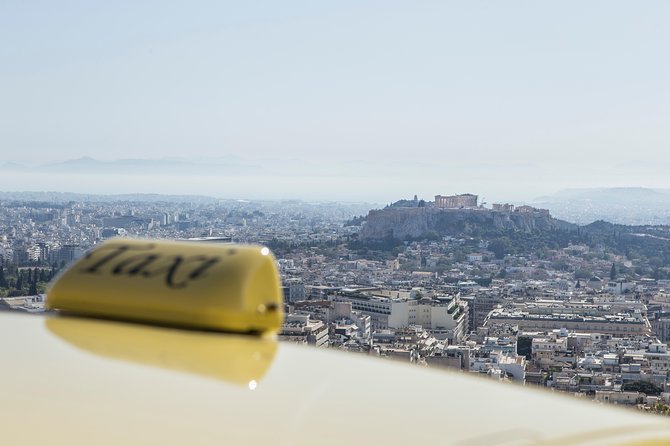
Expect a long road day. In past experiences, people mentioned about 2.5 hours each way from Athens to Delphi. That is not surprising, but it is worth planning for.
The comfort perks help: air-conditioned transport, bottled water, and WiFi on board. Still, plan your expectations around a full day, not a short excursion. If you are sensitive to confined car space, keep in mind some cars are compact. One party of three sounded comfortable, while larger groups might feel tighter in the back.
If you want a smoother experience, pack smart. Water is provided, but bring sunscreen and basic comfort items so you do not get caught off guard.
“Am I going to miss anything?” Timing, closing times, and your best strategy
Delphi is big, and the day is full. One important caution that came up: if you arrive too late, you can lose meaningful minutes at the key areas. Since Delphi includes temple time and museum time, timing is everything.
So here is my strategy for you:
- When the driver is planning the day, ask them to protect Delphi museum time
- If you care most about the Oracle area, make that a priority for your temple visit and surrounding walk
- If you are traveling with someone slower, tell the driver early so they can avoid rushing the hardest parts
A well-run private day should feel unhurried. The strongest accounts described drivers who kept water and breaks in mind and who got everyone to sites without panic.
Should you book this Thermopylae and Delphi private tour?
Book it if you want an easy, stress-free way to hit two of Greece’s most famous ancient sites in one day. I think it is a great fit for first-timers who do not want to fight public transport, especially when you value private pickup, air-conditioned comfort, and driver-led story context.
You might skip or rethink it if:
- You have mobility concerns that make mountain walking hard, because Delphi has steps, ramps, and limited shade
- You want a deep, in-site licensed guide for every stop, since the driver is not described as a licensed site guide by default
If you do book, go prepared. Sunscreen and shade help. Also, set expectations that Thermopylae is more about atmosphere and interpretation than walking through a fully intact battlefield scene. Do that, and you will likely come away with the big emotional beats, plus the objects and symbolism that make Delphi unforgettable.
If you want, tell me your travel dates and who is in your group (ages and mobility level). I can suggest a smart priorities plan for Thermopylae versus Delphi so you do not feel rushed.
FAQ
How long is the Thermopylae and Delphi private tour?
It runs about 10 to 11 hours.
Is pickup and drop-off included?
Yes. The tour includes hotel, airport, or port pickup and return to the same place or a point you prefer.
Is lunch included?
Yes. Lunch is included, with an option for traditional Greek food.
Are entrance fees included in the price?
No. Entrance fees for Delphi and the Delphi Archaeological Museum are listed as €20 per person, and the Thermopylae Museum is €3 per person (paid on site).
Will I have a licensed tour guide inside the sites?
The driver is not a licensed tour guide and will not accompany you inside archaeological sites. A licensed tour guide can be requested depending on availability.
What language is the tour offered in?
The tour is offered in English.
Is there free cancellation?
Yes. You can cancel up to 24 hours in advance for a full refund.
New pins on the Athens chart
- Shore Excursion: Acropolis, Athens City tour and The New Acropolis Museum★ 4.5 · 30 reviews
- Private Luxury Tour: Marathon – Battle & Run That Changed History★ 5.0 · 30 reviews
- 2 Day Private Tour Of Delphi, Thermopylae & Meteora From Athens★ 5.0 · 30 reviews
- Athens Airport – Athens Center Private Transfer★ 4.0 · 30 reviews
- From Athens: Ancient Corinth Half-Day Private Tour★ 4.8 · 30 reviews
- Private City Kickstart Tour: Hidden Districts★ 5.0 · 30 reviews
Delphi & Arachova Tours, compared.
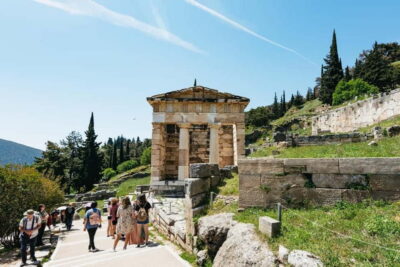
Mythology of Delphi, Museum and Arachova Guided Tour
Read our review →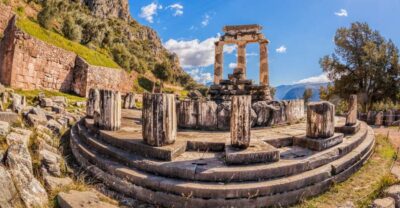
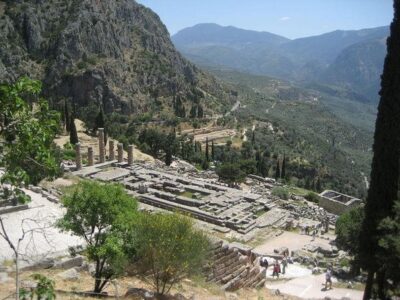
Small-Group Delphi, Museum & Arachova Day Trip
Read our review →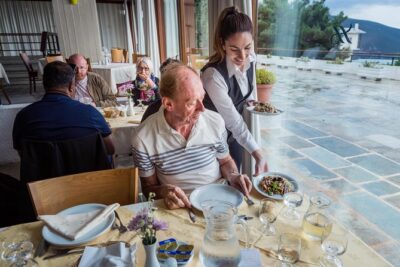
Delphi English Day Trip from Athens with Official Guide
Read our review →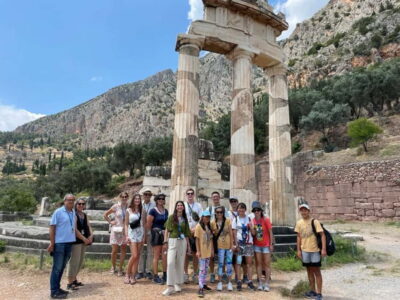
Delphi Oracle & Museum Tour with a Licensed Guide
Read our review →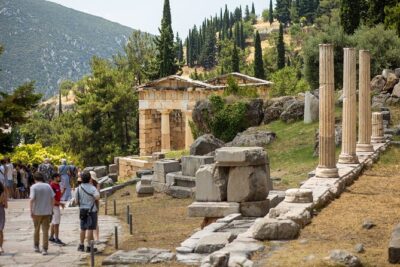
Historical Delphi One Day Tour with Arachova Stop & Expert Guide
Read our review →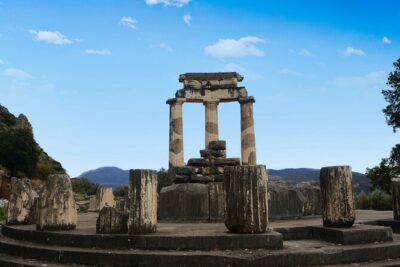
Premium Delphi Day Trip with an Expert Guide, Museum & Lunch
Read our review →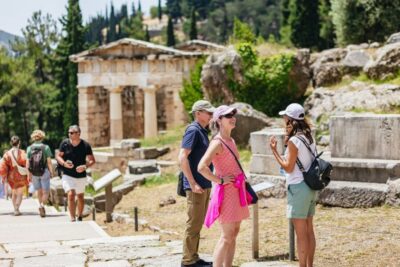
Browse the lists this tour appears in