
Reviewed · COOKING CLASSES
Traditional Greek Cooking Class @ Lefkada Micro Farm
This class begins where the food grows. I love the wood-burning oven and the chance to taste the high-polyphenol olive oil used right in the meal. One drawback to think about: at $123 per person for 4 hours, it may feel pricey if you are expecting mostly recipe time and less farm time.
You get a small group (up to 10), taught in English, and the whole session runs in an open-air setup that keeps things hands-on. The vibe is very social too, with a shared meal at Farmer’s Table that brings everyone together like family.
Because it is a working farm experience, you will want to flag any food allergies or dietary restrictions ahead of time. Good news: it is also wheelchair accessible, so more people can take part in the farm-to-plate idea.
In This Review
- Key things to know before you go
- A farm-to-table start that begins in the soil
- Open-air kitchen, wood-burning heat, and real work
- The olive oil and herbs that do the heavy lifting
- Recipes you can expect to make (and why they matter)
- From cooking to sitting down: Farmer’s Table and Slow Food energy
- Price and value: is $123 worth it for 4 hours?
- Small group help: why the cap at 10 changes the day
- Who this Greek cooking class suits best
- Before you go: practical things to plan
- Should you book Lefkada Micro Farm’s cooking class?
- FAQ
- How long is the Traditional Greek Cooking Class?
- Where does the class take place?
- What is the price per person?
- Is the instructor teaching in English?
- How big is the group?
- What is included in the class?
- Is the experience wheelchair accessible?
- Can I cancel and get a refund?
- Can I reserve without paying right away?
Key things to know before you go
- Regenerative farming first, cooking second: you learn the soil and ecosystem story before you harvest.
- Harvest-to-plate ingredients: you use seasonal, organic produce grown on-site.
- Wood-burning oven cooking: it is not just theory, it is classic Greek heat and technique.
- Award-winning olive oil used in the meal: high-polyphenol olive oil is a major flavor anchor.
- Farmer’s Table communal meal: you sit down together and eat what you made.
- Small group size (max 10): more hands-on help and more chances to ask questions.
A farm-to-table start that begins in the soil
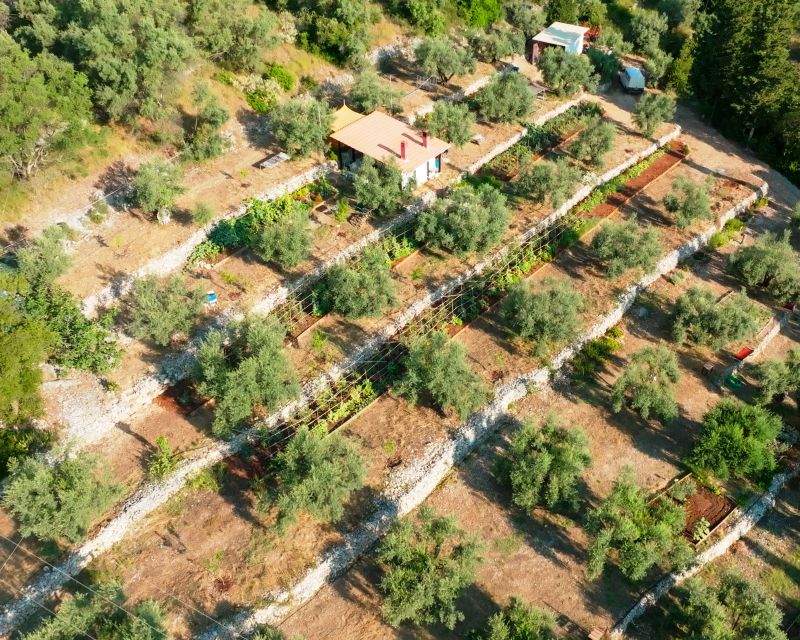
The biggest reason this class works is that it starts with the ground, not with a recipe card. You begin on Lefkada Micro Farm learning how the farm approaches regenerative, organic growing, and you get context for why season and simplicity matter in Greek cooking. It is the kind of intro that makes later flavors feel earned instead of random.
Then you move into harvesting. You are not just chopping ingredients because someone told you to. You are gathering seasonal produce from the farm and carrying it into the kitchen area where everything you do connects back to what grew there. That is the whole point of a slow living, farm-to-table approach.
This is also where you get a taste of the Slow Food mindset. Instead of focusing only on the final dish, the class frames food as part of a healthy system. That makes the cooking more meaningful, especially if you like understanding where ingredients come from and why they taste the way they do.
More Greek kitchens teaching by hand:
Open-air kitchen, wood-burning heat, and real work
The cooking happens in an open-air kitchen. That matters more than it sounds. When you cook outdoors, you feel the pace. You also tend to pay more attention to basics like timing, texture, and how herbs smell when they are fresh.
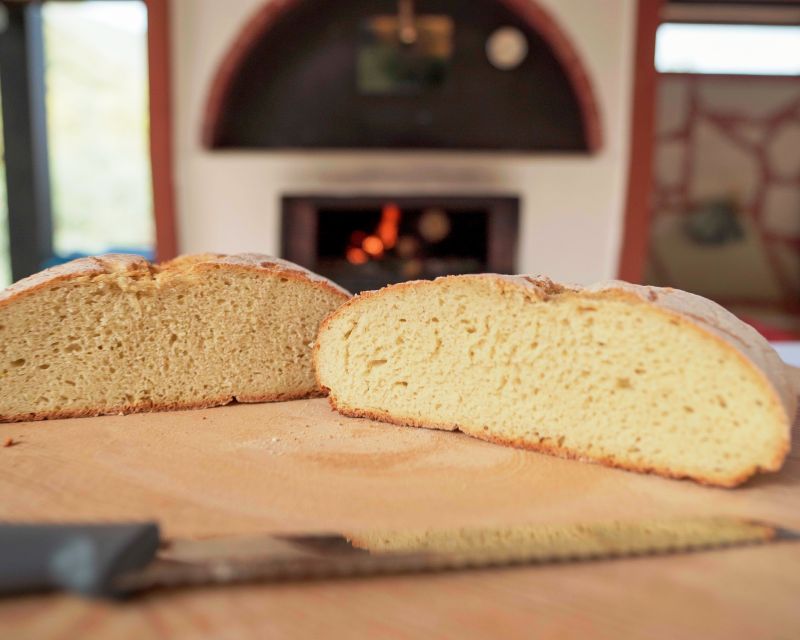
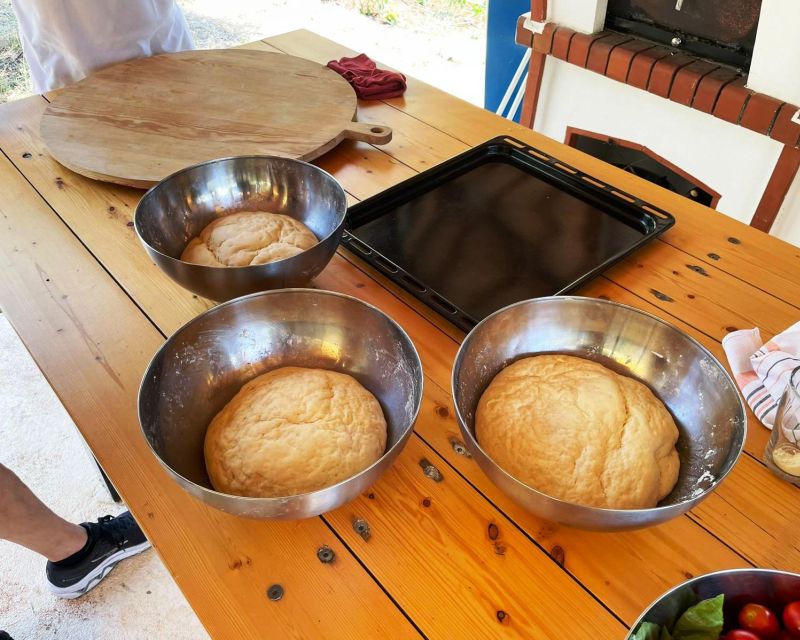
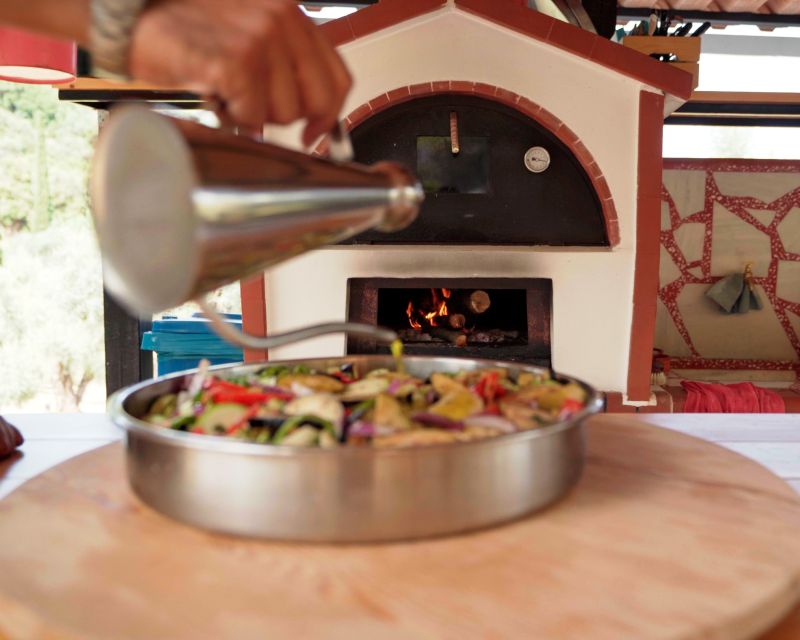
A traditional wood-burning oven anchors the session. In practical terms, that heat shapes how bread and vegetables cook, and it changes the rhythm of the class. You will not get the same results from a modern appliance, even if the steps sound similar. The oven is part of the lesson.
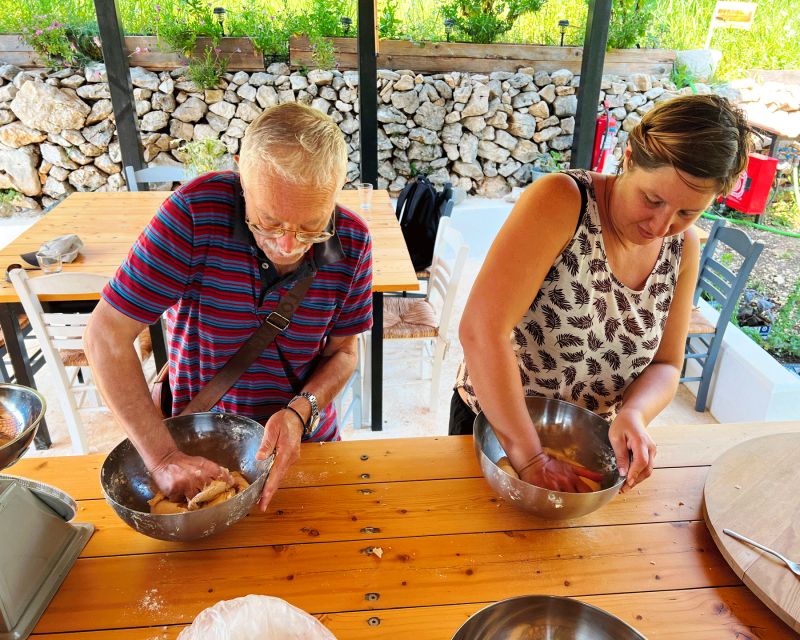
And it is hands-on, not spectator-heavy. You use utensils provided, and you get an apron. That means you can show up ready to cook without hunting down gear or worrying about what you should bring.
If you are sensitive to cold wind or strong sun, plan around outdoor conditions. The class description emphasizes an open-air kitchen and farm harvesting, so you are outdoors for portions of the experience.
The olive oil and herbs that do the heavy lifting
Greek food can look simple on paper, but the simplicity depends on quality. Here, the star ingredient is the farm’s award-winning olive oil with high polyphenol content. You do not have to become an oil expert to notice the difference. When oil is made from good fruit and used fresh in cooking, it brings both fruitiness and depth.
This class leans hard into that idea. The recipes follow Greek pillars of freshness, seasonality, and simplicity, and the oil supports everything from salads to saucy vegetable dishes. It is a lesson in letting one ingredient carry the flavor rather than trying to mask it with complicated techniques.
Herbs and garden ingredients also get attention. In an English session taught by Andreas, the cooking included learning more about the herbs and ingredients behind traditional dishes. That sort of explanation is what turns a meal into usable knowledge for when you cook at home.
If you already love olive oil, this is a strong choice. If you do not care about olive oil culture, you may still enjoy the flavor, but you might miss some of the deeper satisfaction that oil lovers get from seeing the story behind it.
Recipes you can expect to make (and why they matter)
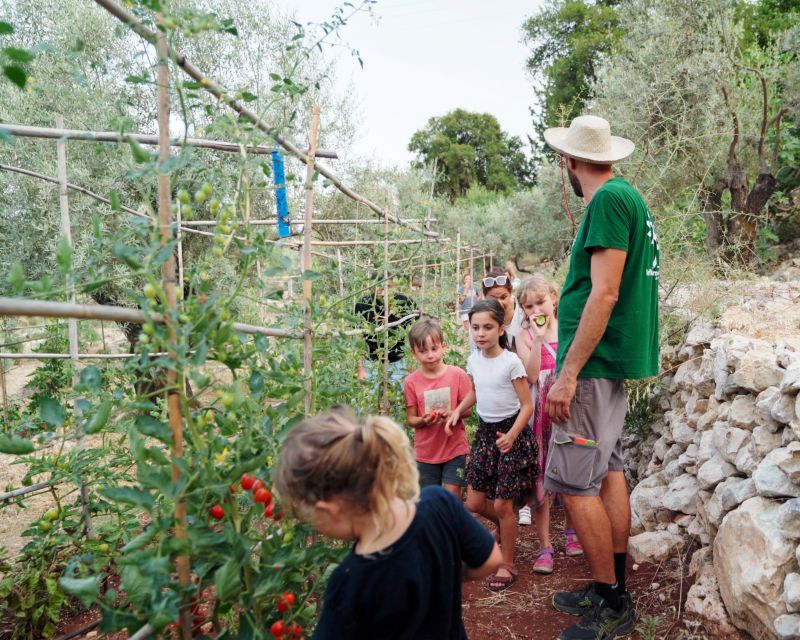
The class is built around iconic Greek recipes prepared with farm ingredients. You will likely work on classics that reflect the region’s tastes and the farm’s seasonal produce.
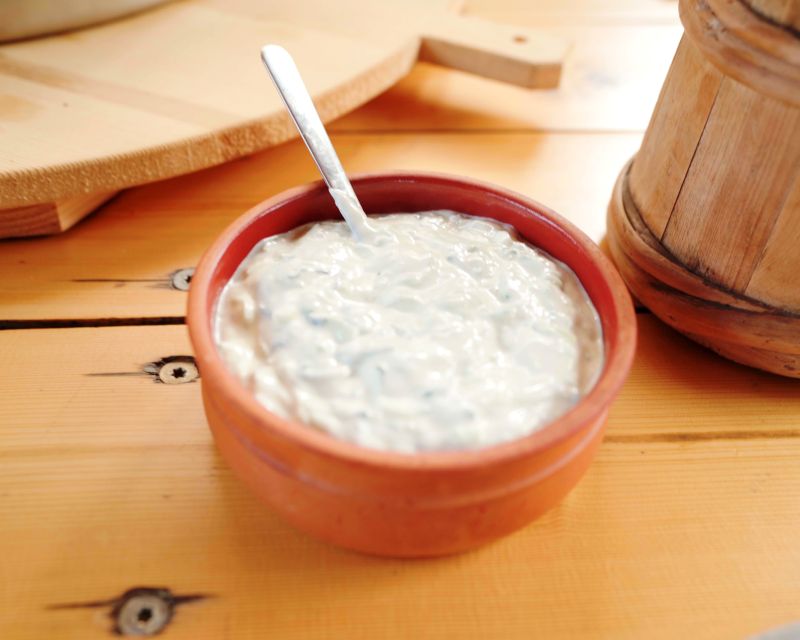
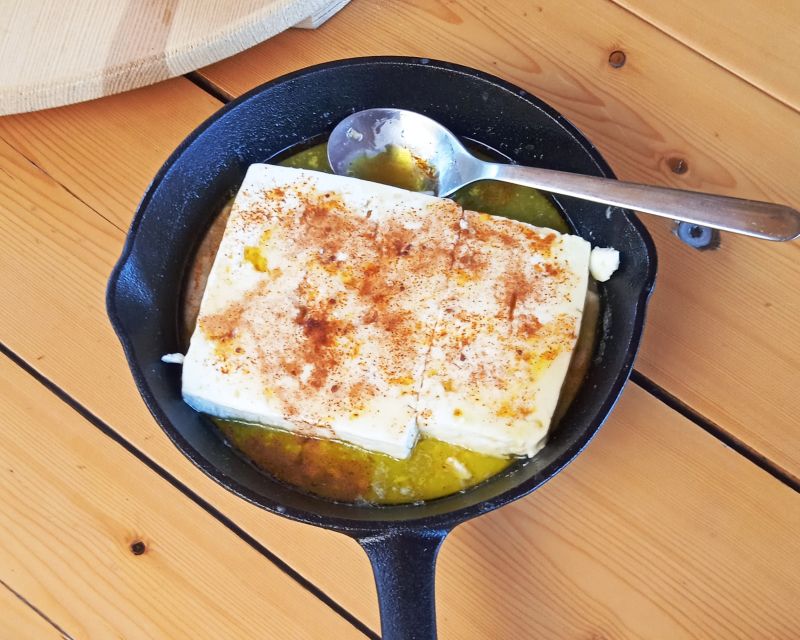
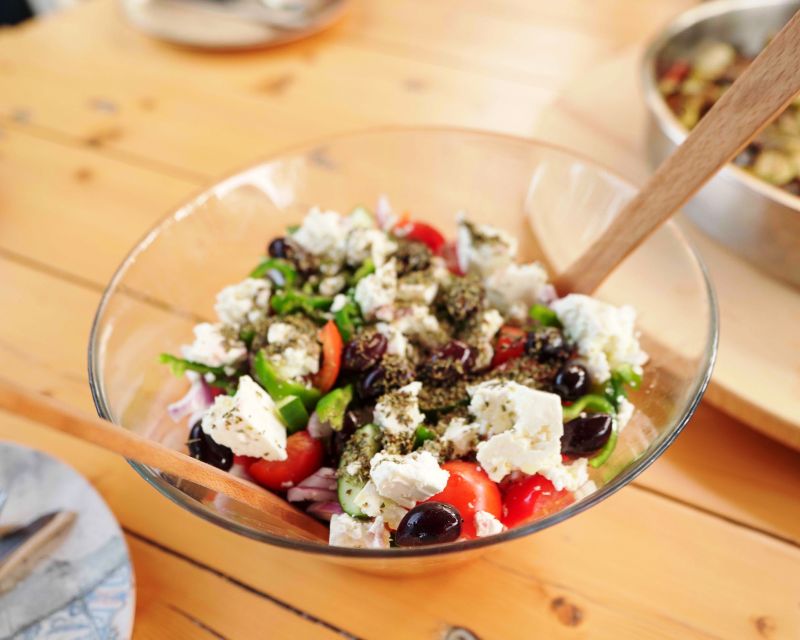
One English course example includes bread, briami, tzatziki, and Greek salad. Those dishes are not random picks. Together, they teach a spread of Greek cooking fundamentals:
- Bread shows dough basics and the comfort side of the oven.
- Briami teaches how vegetables soften into something rich and comforting.
- Tzatziki is about balance, freshness, and cooling yogurt flavors.
- Greek salad is a reminder that good ingredients need less, not more.
Even if your exact menu shifts with the season, the lesson style stays consistent: traditional dishes, approachable techniques, and ingredients harvested from the land. You are learning the logic behind the cooking, not just copying steps.
The practical value for you is that these are recipes you can repeat at home with common ingredients. The biggest difference will be quality. If you shop well for olive oil, herbs, and fresh produce, the class should help you cook with confidence instead of guessing.
From cooking to sitting down: Farmer’s Table and Slow Food energy
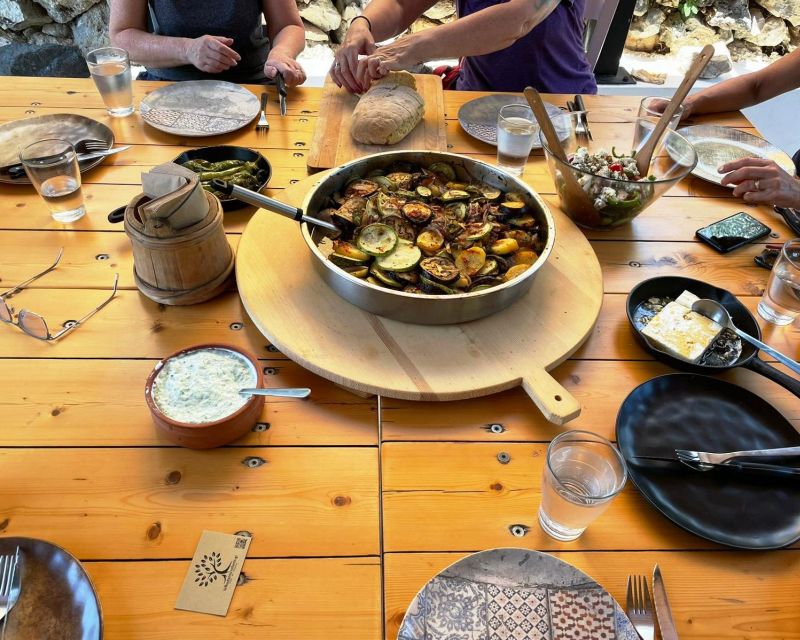
After the work in the kitchen, the experience shifts to eating. This is the Farmer’s Table part, where the group gathers to share the meal you made. The social format matters because cooking classes often end with a quick taste. Here, the meal is a centerpiece.
You get time to talk with others while you eat, and the farm setting gives the conversation a natural pace. One unique detail that came up in feedback: cats roam around the grounds. It sounds small, but little moments like that make a farm day feel alive.
This is where the Slow Food spirit lands. The class is not only about food facts. It is about treating a meal as a shared ritual. That helps you leave with more than recipes. You leave with a sense of how to plan meals around real ingredients and real time.
If you are the type who enjoys social meals, this part is a big plus. If you prefer quiet, solo travel, you can still enjoy the cooking, but the communal dinner element may feel more interactive than you expected.
More Lefkada landfalls to plot
- The Olive Oil Experience @ Lefkada Micro Farm
★ 4.5 · 43 reviews - The Olive Oil Experience @ Lefkada Micro Farm
★ 4.7 · 42 reviews - Mykonos: Farm, Ano Mera Village, and Beaches Guided Tour
★ 4.4 · 1,283 reviews - Crete: Road-trip to Lasithi, Zeus Cave & Olive Mill Farm
★ 4.4 · 451 reviews
Price and value: is $123 worth it for 4 hours?
Let’s talk money honestly. At $123 per person for 4 hours, this is not a budget activity. Some people feel the price-to-experience match could be better, especially if they expected more cooking time relative to farm time.
But you also need to weigh what is included and what you get access to:
- You cook with a wood-burning oven, not a generic setup.
- You use regenerative, organic produce harvested from the farm.
- The class includes utensils and an apron.
- You eat a shared meal where the ingredients came from the land.
For the right traveler, that adds up. I think it is best value if you care about ingredient stories, you want hands-on cooking, and you enjoy a small-group format where you can ask questions. It is also a strong fit if you have a serious love for olive oil, because the high-polyphenol oil is part of the core experience.
For someone who just wants quick recipe instruction, without caring about farming practices or olive oil culture, the cost might feel harder to justify. That is the main tradeoff.
My practical tip: decide whether you are here for the farm story plus cooking, or mostly for cooking. This class is clearly in the first category.
Small group help: why the cap at 10 changes the day
A group size limited to 10 is a quiet but real advantage. In cooking classes, the quality of help often comes down to whether you can get your questions answered before you move on. With a small group, the instructor can guide more directly, and you spend less time waiting and more time doing.
The instruction is in English, which makes the lesson accessible. You can share your interests, ask about ingredients, and follow the farming explanations without a language barrier. That matters for a class that mixes agriculture, herbs, cooking technique, and food philosophy.
In a well-run small group, you do not just learn what to do. You learn how to think about why you are doing it. You then take that home and cook in a similar way with ingredients you can find locally.
Who this Greek cooking class suits best
This is a great match if you:
- Love Greek food and want a traditional approach tied to real ingredients
- Enjoy farm-to-table experiences that explain farming choices, not just food prep
- Want a wood-oven cooking experience and a serious olive oil focus
- Prefer a small-group class where conversations actually happen
It also works well for couples or friends who want an active shared day, not a lecture. The Farmer’s Table meal keeps the energy up, and the farm setting gives it an outdoorsy, grounded feel.
If you are traveling with strict dietary needs, you should plan ahead. The activity asks you to inform them of food allergies or dietary restrictions. Do that early so the kitchen team can guide you safely.
Before you go: practical things to plan
Because you harvest ingredients and cook in an open-air kitchen, you are outdoors for part of the day. Dress for the weather, and come ready to spend time outside comfortably. It is also helpful to have your dietary needs clearly communicated in advance.
If you are curious about olive oil and herbs, bring questions. The class is set up for learning, and feedback suggests the hosts explain both the farming and the food in a way that feels friendly, not academic.
Also remember the time block. Four hours moves at a farm pace, with the day split between soil learning, harvesting, cooking, and eating together. If you only have time for a quick bite, this is not that kind of stop.
Should you book Lefkada Micro Farm’s cooking class?
I would book it if you want Greek cooking with a real farm connection. The combination of regenerative produce, a wood-burning oven, and high-polyphenol olive oil makes it more than a generic cooking workshop.
I would think twice if you are focused on maximizing cooking time and you see the $123 price as a stretch. Some value depends on how much you care about the farming story and the shared meal.
If you want a hands-on day where food starts in the soil and ends at Farmer’s Table, this is a strong choice in western Greece.
FAQ
How long is the Traditional Greek Cooking Class?
The class lasts 4 hours.
Where does the class take place?
It takes place in western Greece at Lefkada Micro Farm.
What is the price per person?
The price is $123 per person.
Is the instructor teaching in English?
Yes, the instructor teaches in English.
How big is the group?
It is a small group limited to 10 participants.
What is included in the class?
Cooking utensils and an apron are included.
Is the experience wheelchair accessible?
Yes, it is wheelchair accessible.
Can I cancel and get a refund?
Yes. You can cancel up to 24 hours in advance for a full refund.
Can I reserve without paying right away?
Yes. You can reserve now and pay later.
More Workshops in Lefkada
New pins on the Lefkada chart
- Lefkada:Nydri, Scorpios Kayak Odyssey Island Hopping★ 4.9 · 32 reviews
- Lefkada: Full Day Sea Kayaking Tour★ 4.9 · 40 reviews
- The Olive Oil Experience @ Lefkada Micro Farm★ 4.7 · 42 reviews
- The Olive Oil Experience @ Lefkada Micro Farm★ 4.5 · 43 reviews
- Nydri: Full-Day Sailing Cruise with Swim Stops & Meal★ 4.5 · 67 reviews
- Lefkada: Mountain Gems Electric Fat Bicycle Tour & Tasting★ 5.0 · 68 reviews
Cooking Classes, compared.
Classic Cooking Class with Market Visit and Wine
Read our review →
Food Market Visit and Cooking Class with Wine
Read our review →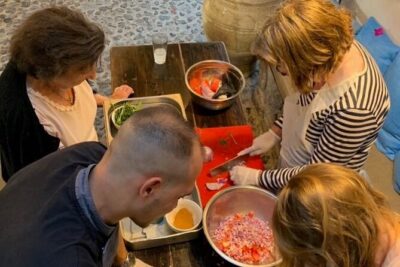
Greek Cuisine Cooking Class in Santorini with Recipes and Wine
Read our review →
Half-Day Cooking Class at Basiliko Family Tavern
Read our review →
Greek Cooking Class in Athens Including Rooftop Dinner with Acropolis View
Read our review →
Greek Small-Group Athens Cooking Class & Dinner
Read our review →
Exclusive Cooking Experience in our Cave Home by Petra Kouzina
Read our review →
Authentic Cooking Class in the White Mountains
Read our review →Browse the lists this tour appears in