
Reviewed · OLIVE FARM TOURS
Traditional Olive Grove and Dragon Fruit Farm Tour
Olive trees, then dragon fruit, in one hour. This Crete farm tour led by Alex on a more-than-five-generations property mixes hands-on olive cultivation lessons with a real look at a growing dragon fruit patch, and I love the olive oil tasting paired with local bread. I also love the pause on the patio, when you sip dragon fruit and Cretan herb infused tea (or coffee) and get generous samples.
One possible drawback: this is not a long sightseeing day. It is a focused, production-first visit, so if you want hours of ruins or big museum-style content, plan another stop too. Short is the point here.
In This Review
- Key Highlights You Should Care About
- Why This Crete Olive Grove And Dragon Fruit Tour Feels Real
- Entering The Farm: Meeting Alex, Finding Parking, Getting Oriented
- The 1-Hour Olive Grove Walk: What You Actually Learn Out Here
- Harvesting Lessons In Plain Language: Why The Tools Matter
- The Patio Break And Tasting Time: Coffee, Tea, Bread, And Samples
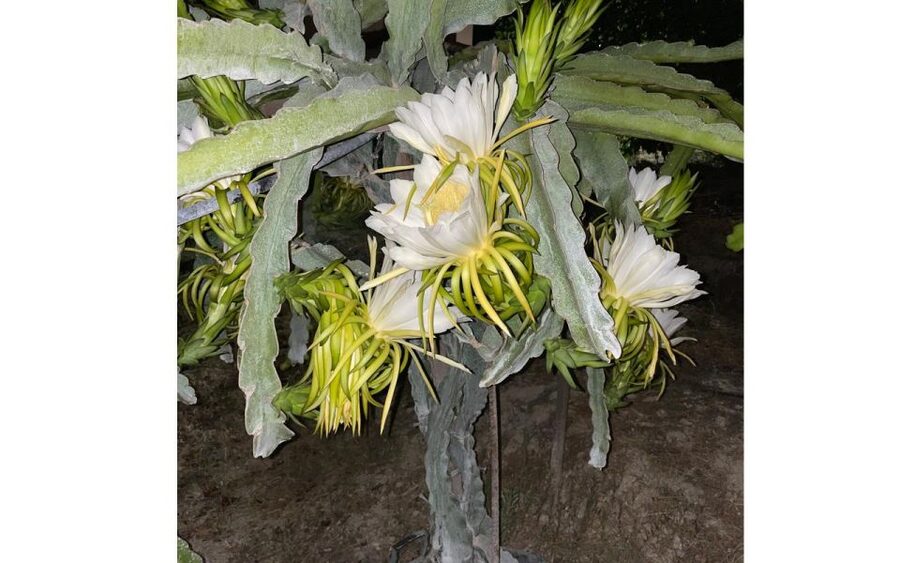
- Dragon Fruit In Crete: Seeing The Oriental Fruit Turn Local
- Olive Oil Tasting: What To Pay Attention To (Besides The Bread)
- Buying What You Want, Without Pressure
- Price And Value: Why This $9 Visit Can Beat A Big Attraction
- Who This Tour Fits Best (And Who Might Skip It)
- Practicalities: Timing, Group Type, And What To Bring
- Should You Book This Olive Grove And Dragon Fruit Tour?
Key Highlights You Should Care About
- A family farm with serious olive know-how (more than five decades of cultivation)
- See and touch tools used in pruning, harvesting, and olive oil work
- Olive oil tasting done the local way with bread for dipping
- Dragon fruit on Crete reality check, plus tasting and possible harvesting when available
- A small, private-group format guided in English or Greek
- Free parking and an easy meet-up at the sign on the right of the road
Why This Crete Olive Grove And Dragon Fruit Tour Feels Real
In Crete, the best food experiences usually come from people who have been doing the job for a long time. This one is built around a working farm, not a stage. You walk among the trees, hear what matters for growing olives well, then shift to an island newcomer, dragon fruit.
The olive part is the core. You are not just looking at an orchard, you get the story of cultivation, harvesting, and extraction, plus time to handle tools and try your hand at the techniques you are being shown. Then the tour pivots to dragon fruit, which is a newer cultivation here and is already taking root.
If you like “how it’s made” travel, this is a smart use of time. At the end, you get to taste what you just learned about, which is where most farm tours either work or fall flat. This one works.
More olive groves at pressing time:
Entering The Farm: Meeting Alex, Finding Parking, Getting Oriented
You meet at the farm entrance by a sign on the right of the road as you drive up. The parking is free, and it is right next to the meeting area. That matters in Crete, where the roads can be narrow and everyone is rushing to their next stop.
You also get a separate entrance, so you avoid the awkward line situation some small farms create when tour groups pile up. On the day I am picturing for you, you arrive, grab a seat in the shaded waiting area if it is provided, and then the guide starts on time.
Your guide is Alex, with the option of English or Greek. Reviews repeatedly mention excellent English, and the vibe is friendly and personal, not stiff or scripted.
Practical note: the farm has rules. No bare feet. The tour also prohibits alcohol and drugs, plus littering and explosive substances. Wear closed shoes and bring a light layer if you are visiting when the evening air cools off.
The 1-Hour Olive Grove Walk: What You Actually Learn Out Here
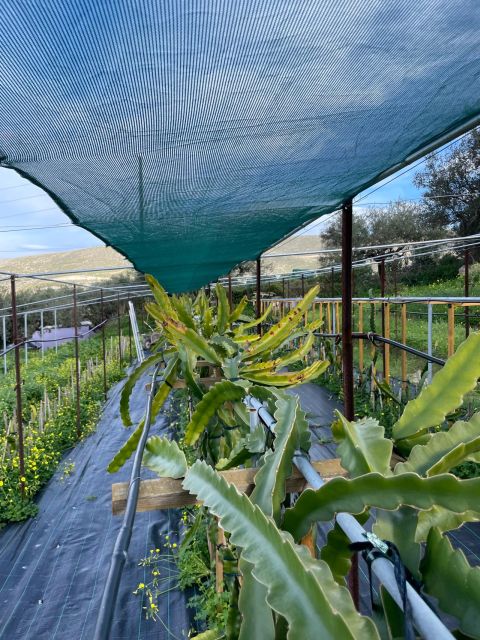
The guided portion is about an hour of walking and explaining. This is where you connect the dots between tree care and the final product that ends up on a plate.
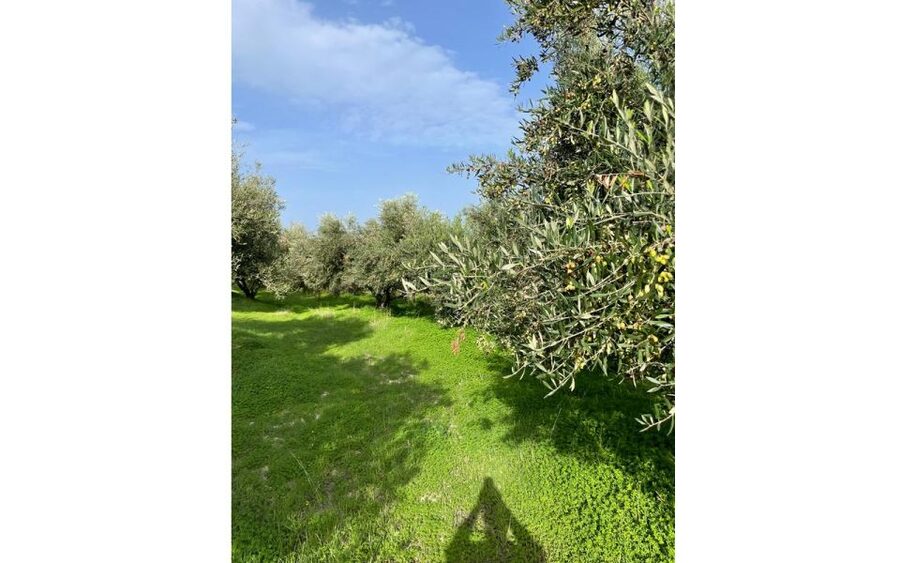
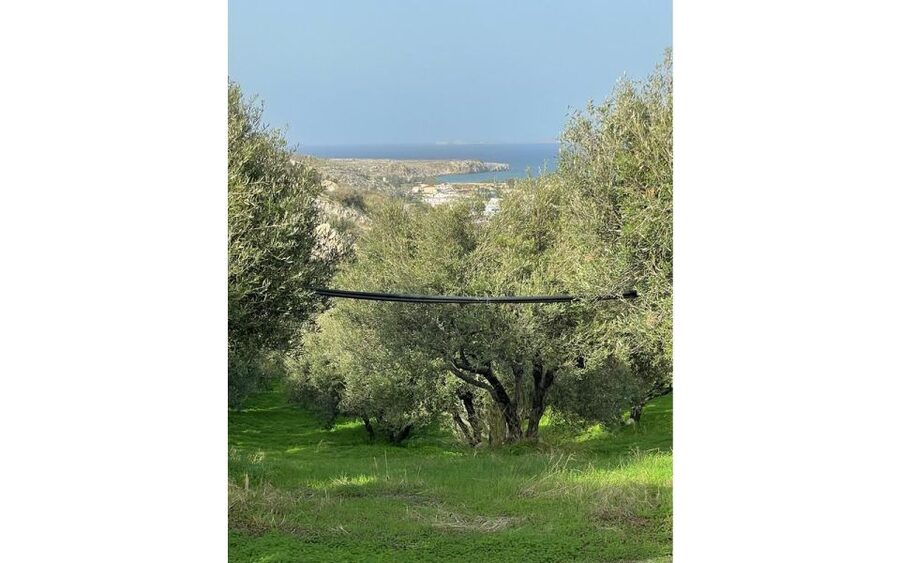
The farm has been cultivating olives for more than five decades, and it is on family land that goes back more than five generations. That kind of continuity changes what you hear. Instead of generic facts, you get a more practical explanation of what makes an olive grove succeed on Crete.
During the olive section, expect to cover:
- How olives are cultivated over time
- What harvesting looks like in the orchard
- How olive oil extraction fits into the workflow
- Tools you can see up close, and sometimes try yourself
A standout detail from guest feedback is how hands-on it feels. People describe tool time and the sense that you are standing in the middle of real work, not a curated exhibit. Also, with roughly 2,500 olive trees on site mentioned by guests, the place is big enough to feel like a real production farm, not a tiny corner project.
Possible drawback to keep in mind: you will not get a lab, a museum room, or an equipment showroom. This is outdoors, and the learning is tied to what is happening in the orchard that day.
Harvesting Lessons In Plain Language: Why The Tools Matter
The best part of farm tours is when you stop thinking of food as magic. Here, the emphasis is on actions and tools. You see the equipment used around the olive trees, then you get guidance on what each step is doing for the trees.
That is why this kind of tour is worth doing even if you have read about olives before. You get the practical logic: pruning relates to growth, harvesting relates to fruit quality, and extraction relates to timing. The tour explains the sequence in a way that makes the whole chain feel more rational.
Even if you are not an olive farmer, you will probably leave with a better sense of why olive oil can taste different depending on the grove and the season. The tasting at the end is not random. It is the proof.
And yes, there is a bit of fun in it. One consistent theme from guest reviews is that the guide is upbeat and encourages questions, so if you are curious about why certain practices are done, you should feel comfortable asking.
The Patio Break And Tasting Time: Coffee, Tea, Bread, And Samples
After the guided walk, you get a break on the patio for about 30 minutes. This is where the visit turns from information to pleasure.
In the included price, you can choose an espresso coffee or Greek coffee, or a dragon fruit and local Cretan herbs infused tea, depending on your preferences. This choice is not a tiny afterthought. It is part of the pacing, letting you sit, cool down, and taste with your full attention instead of rushing through samples.
You also taste olive oil the local way, by dipping local bread. That sounds simple, but it is the point. Bread is a practical tasting tool. It helps you notice bitterness, fruitiness, and the kind of finish you get without needing a formal tasting class.
Guests also describe a plentiful spread. Based on the experiences shared, you might see items like:
- Olives
- Olive oil in different tasting formats
- Jams or marmalade
- Honey
- Yogurt
- Tomatoes
- And a big dragon fruit tasting platter
Not every sample may appear on every visit, but the overall pattern is clear from repeated feedback: you leave feeling fed, not just “given a sip.”
This break is also where you get a chance to ask practical questions, including what the family grows, how they pack products, and what they recommend if you want to bring the flavors home.
More Heraklion landfalls to plot
- Mykonos: Farm, Ano Mera Village, and Beaches Guided Tour
★ 4.4 · 1,283 reviews - Crete: Road-trip to Lasithi, Zeus Cave & Olive Mill Farm
★ 4.4 · 451 reviews - Heraklion: Olive Farm Tour with Tasting of Local Delicacies
★ 4.9 · 411 reviews - Naxos Perivoli Farm Experience & Wood-fire Cooking Class
★ 5.0 · 339 reviews
Dragon Fruit In Crete: Seeing The Oriental Fruit Turn Local
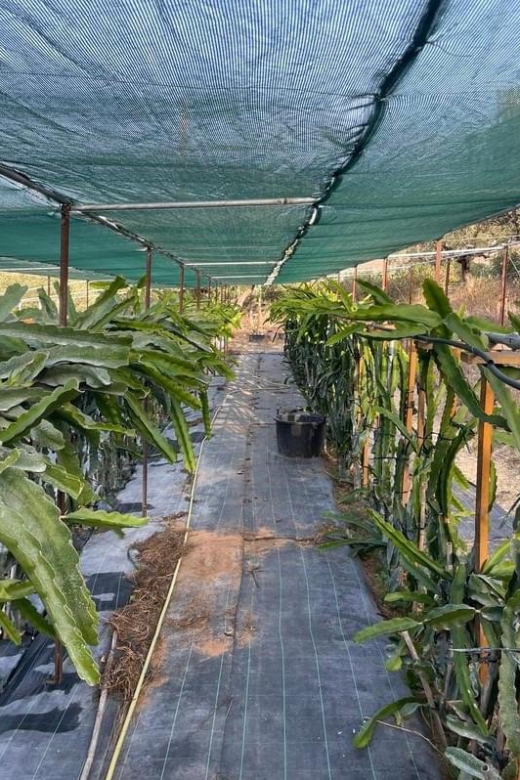
Then comes the second focus of the tour, dragon fruit. The farm frames it as a newer cultivation on the island, but one that has already found a solid ground in Crete.
So what do you do during this part?
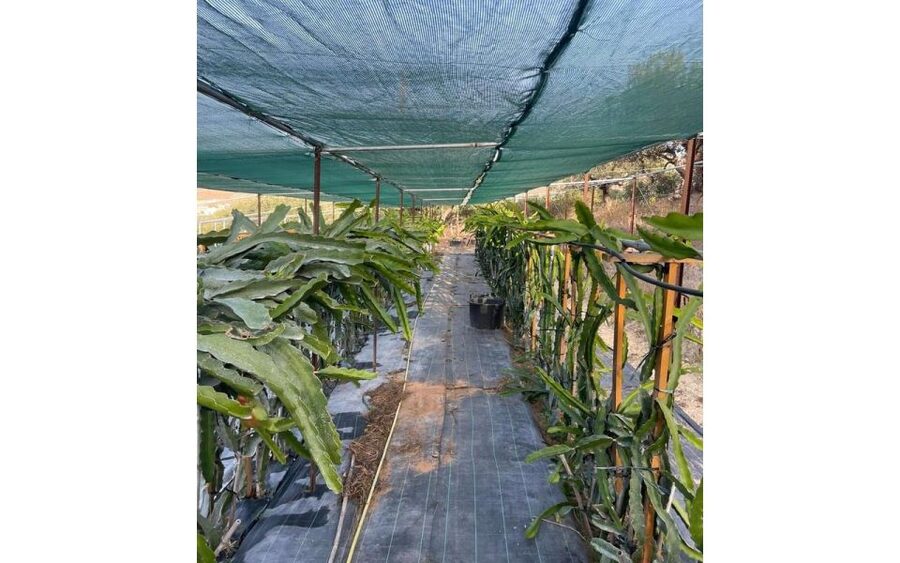
- You wander around the dragon fruit plantings
- You learn how it is grown here
- You get to see the plants up close
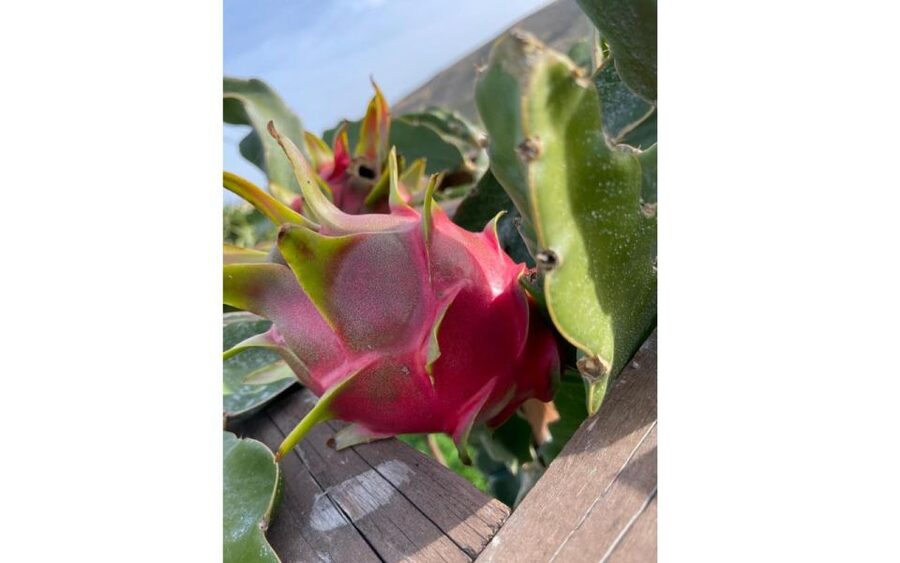
- You get a chance to harvest your own dragon fruits if availability allows
- You also taste dragon fruit items, including tea, and sometimes more tasting platters
Because this is still a newer farming story compared with olives, dragon fruit is a fun contrast. Olives represent long-standing Cretan tradition. Dragon fruit gives you a sense of what people are experimenting with now, and how quickly new crops can become normal when growers commit to them.
One practical thing: do not assume you will definitely pick a dragon fruit. The tour says harvesting is based on availability. Still, even if you only taste and learn, the “new crop, real orchard” angle is worth it.
If you like plant details, bring your curiosity. Guests mention that there is enough information about dragon fruit in Greece to feel like you learned something specific, not just saw a novelty.
Olive Oil Tasting: What To Pay Attention To (Besides The Bread)
Olive oil tasting is often treated like a sideshow. Here it is treated like the reason you came.
You dip bread into the oil and taste. That is the setup. What makes it more valuable is what you learned on the trees: cultivation, harvesting, and extraction. Suddenly you can connect taste with process.
As you taste, try this simple approach:
- Smell first, then take a small bite of bread.
- Notice how the oil feels, not just how it tastes.
- If you can, ask the guide what they think makes their oil taste the way it does.
Many guests say the olive oil is among the best they have tried in their trip, which lines up with the emphasis on doing the work on-site. If you plan to buy oil, this is when you will actually know what you are choosing, not just what looks good on a label.
Buying What You Want, Without Pressure
The experience includes tastings, but purchases are optional. The guide lets you try produce and products, and you can buy only if you decide you want something to take home.
The farm can pack olive oil and olives especially for you. You can also purchase dragon fruit related products like dragon fruit tea and your harvested dragon fruits if you do harvest them.
This is a good moment to think like a practical traveler. Decide ahead of time what you want to carry. Olive oil and olives are easier to transport than fragile snacks. Dragon fruit tea can be a souvenir that does not crush under your bag straps.
One thing to keep in mind: the tour is not positioned as a shopping spree. The focus is the farm visit and the tastings. If you are not into buying, you can still get full value from the experience.
Price And Value: Why This $9 Visit Can Beat A Big Attraction
The admission price is about $9 per person, and the visit runs around 90 minutes. That is in line with a small, focused experience, not a long full-day excursion.
Now the real question: what do you get for that money?
You get:
- A guided visit on a real farm
- Time walking among olive trees and dragon fruit plantings
- Explanations of olive cultivation, harvesting, and extraction
- An included espresso or Greek coffee, or dragon fruit and Cretan herb infused tea
- Olive oil tasting with local bread
- Plenty of samples described by guests
Reviews also mention guests feeling it was excellent value, with some estimating the cost as around €5-6 depending on pricing at the time. Either way, the consistent theme is value for money.
For me, the “value” part is not just the price. It is the combination. In many places you pay for a tour and then get tiny bites. Here, you pay for the farm experience and end up with a real tasting spread and a knowledgeable host who answers questions.
If you are spending days driving around Crete, this kind of stop can save you from expensive, crowded attractions while still giving you something real and memorable.
Who This Tour Fits Best (And Who Might Skip It)
This tour is a strong fit if you:
- Want an authentic, family-run farm experience
- Like hands-on learning and Q and A
- Enjoy food tastings where you can actually connect flavor to process
- Are curious about newer crops, like dragon fruit, in Crete
It is less ideal if you:
- Want lots of ruins, viewpoints, or large indoor exhibits
- Prefer strictly long tours with many scheduled stops
- Do not enjoy tasting or food-based experiences
The ages are also worth noting. It is not suitable for babies under 1 year, and it is not suitable for people over 95 years. If you are somewhere in the middle, the walking is part of the experience, so wear shoes you are comfortable in.
Practicalities: Timing, Group Type, And What To Bring
The listed duration is 90 minutes. That lines up with an hour of guided walking plus a half-hour break on the patio. Start times depend on availability, so check schedules when you book.
This is a private group tour. Private does not always mean “just you,” but it usually means smaller groups than the typical bus tour experience, and that matters for asking questions and moving at a human pace. One guest described a group of six spanning ages 11 to 79, which suggests the experience can work across a wide mix of travelers as long as everyone is okay with walking outdoors.
What to bring:
- Closed shoes, since bare feet are not allowed
- Water, especially on hot days
- A light layer if you get a cool breeze in the evening
- Curiosity, because the best moments come from asking why
If you are the type who likes to plan logistics, mark the meeting point: the sign on the right side of the road. Free parking is next to it, so you do not need to hunt.
Should You Book This Olive Grove And Dragon Fruit Tour?
I think you should book it if you want one solid, value-packed taste of real farm life in Crete. For a low admission price, you get an on-site look at olive cultivation and harvesting, a bonus chapter on dragon fruit in Crete, plus coffee or tea and a real olive oil tasting with bread.
You might skip it if you are trying to fill your itinerary with major historical sights and big, long-form tours. This is not that. It is a working farm visit, with a focus on how products are made and what they taste like when you eat them right there.
If you are doing a road trip and you want one stop that feels personal, practical, and delicious, this one is an easy yes.
New pins on the Heraklion chart
- Guided Tour to Knossos Palace & Heraklion★ 4.0 · 83 reviews
- Spectacular Dinner-Show★ 5.0 · 84 reviews
- Hersonissos: Spectacular Dinner Show Ticket★ 4.8 · 90 reviews
- From Heraklion: Elounda, Kolokitha, and Spinalonga Boat Trip★ 4.3 · 92 reviews
- Heraklion: Dia Island Morning Sailing Trip with Snorkeling★ 4.9 · 100 reviews
- Crete: Traditional Dance Show and Buffet Dinner with Wine★ 4.2 · 102 reviews
Olive Farm Tours, compared.

Quad Safari, Olive Mill with Tasting & Ghost Village
Read our review →
Zeus Cave -Old Traditional Villages-Olive Oil Factory
Read our review →
The Governor’s Olive Mill Tour with Olive Oil Tasting
Read our review →

Road-trip to Lasithi, Zeus Cave & Olive Mill Farm
Read our review →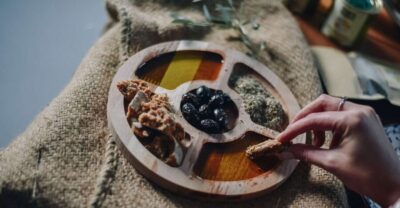
Olive Farm Tour with Tasting of Local Delicacies
Read our review →
Lassithi, Zeus Cave, Olive Mill Farm & Knossos Combo Tour
Read our review →
Zeus Cave, Lassithi Plateau, Olive Oil Factory, Kritza, Pottery
Read our review →Browse the lists this tour appears in