
Reviewed · ACROPOLIS TICKETS & TOURS
Athens: Acropolis Beat the Heat Guided Tour
Beat the Acropolis heat with a smart plan. This 2-hour guided run up the hill is all about seeing the key monuments without roasting in the worst part of the day.
I like two things most. First, the group stays small, up to 15 people, so the guide can set a pace that actually works and answer your questions. Second, you do not just walk past stones. You get the stories behind them, including mythology, how Ancient Athens worked, and why democracy matters in the 5th century BC.
The main thing to consider is that this is still the Acropolis: there are steps, and it is not suitable for people with mobility impairments. Also, you cannot bring strollers or backpacks, so plan light and wear shoes with grip.
In This Review
- Key points that make this Acropolis tour feel worth your time
- Why timing matters on the Acropolis (and why this tour is built for it)
- The $53 value check: what you pay for besides a guide
- Meeting point, then the story starts at the edge of the hill
- Theatre of Dionysus: where Athens put on plays and power
- Temple of Athena Nike and the meaning of victory
- Erechtheion: where myth meets complicated architecture
- Parthenon time: the 75-minute anchor of the whole tour
- Practical comfort: what to wear, bring, and avoid
- Who this Acropolis beat-the-heat tour is best for
- Should you book this Acropolis Beat the Heat Guided Tour?
Key points that make this Acropolis tour feel worth your time
- Small group, up to 15 people, for a more human-paced experience
- Focused route with real time at the Parthenon, not a rush-by photo stop
- Mythology + politics explained on-site, so the monuments make sense fast
- Timed for cooler conditions, usually early morning or afternoon when lines thin
- Guides with strong storytelling, including examples like Maria, Stelios, Alex, Eleni, and Anastasia
- Comfort tactics like shade pauses, which matter a lot in Greek summer heat
Why timing matters on the Acropolis (and why this tour is built for it)
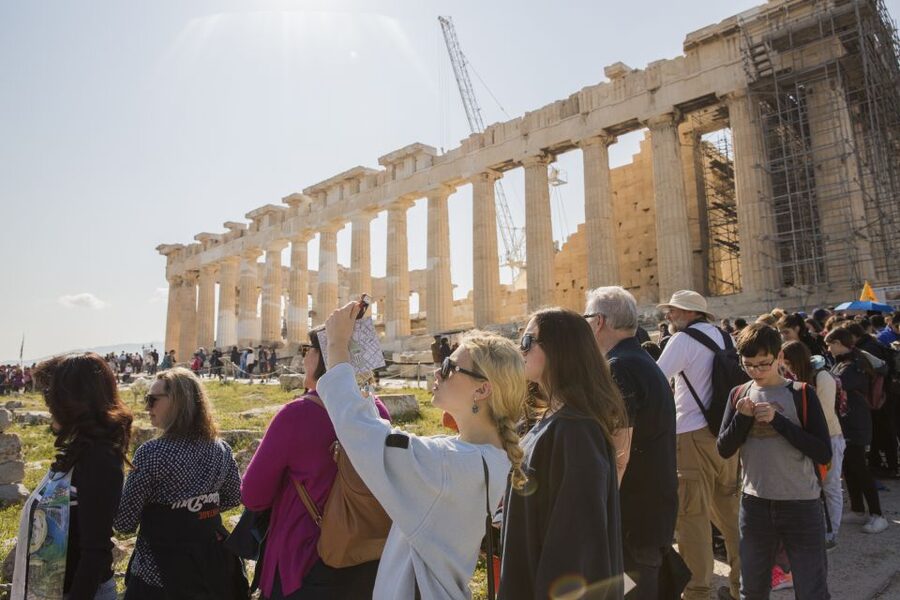
The Acropolis is famous for a reason, but the experience can feel like a conveyor belt when the heat and crowds stack up. This tour is scheduled with that in mind, using early morning or afternoon hours when temperatures are often more manageable and the flow of visitors is typically lighter.
That timing changes how you feel about the hill. When you are not stuck in long waits, you notice details sooner. You also spend more of your energy listening instead of just surviving the climb. Even a few degrees makes a difference when you are standing in open sun at major viewpoints.
And yes, summer can still be hot. The good news is that the route is designed to keep you moving in short sections, not sprinting between viewpoints. If you have knees or stamina concerns, this approach is noticeably easier than doing it solo at your own pace while trying to manage crowds.
More ascents of the sacred rock:
The $53 value check: what you pay for besides a guide
At $53 per person for a 2-hour small-group tour, you are paying for more than narration. You are buying time with a licensed guide and a structure that keeps your visit efficient.
Here is the practical breakdown:
- You get a certified guide and a walking tour format, so you are not guessing where to look next.
- You also get a fun map of ancient Athens, which helps you connect what you saw to a larger picture after the tour.
- Acropolis entry tickets are included only if you select that option. If you do not, you can still have the tour help you prepurchase, as long as you plan ahead.
When it works best, this kind of guided visit saves you from the two most common Acropolis mistakes. Mistake one is spending time on the wrong things because you do not know what matters. Mistake two is arriving unprepared and then losing your slot when tickets are sold out for a specific time. The guides on this tour are used to keeping people on track, and some guides, like Stelios, are known for tying archaeology and the site’s story together in a way that feels easy to follow.
If your goal is to understand what you are looking at, the price starts to feel fair fast.
Meeting point, then the story starts at the edge of the hill
You begin near the Arch of Hadrian, then your guide sets the tone before you even get fully into Acropolis territory. Starting there is useful because it gives you an orientation point. Even without technical history, it helps your brain stop thinking in a blur of buildings and start thinking in layers of time.
From there, you move toward the main platforms and viewpoints of the sacred hill. The tour flow is intentionally arranged so the big monuments come in a logical order, not random sight-hopping. That matters because the Acropolis can feel confusing if you are trying to connect myths, architecture, and politics all at once.
One more comfort point: this is a walking tour, so your experience will depend a bit on your footwear and how you handle stairs. The guides I keep hearing about, like Maria and Eleni, are specifically praised for keeping people in the shade when possible and pacing the walk to match the group.
Theatre of Dionysus: where Athens put on plays and power
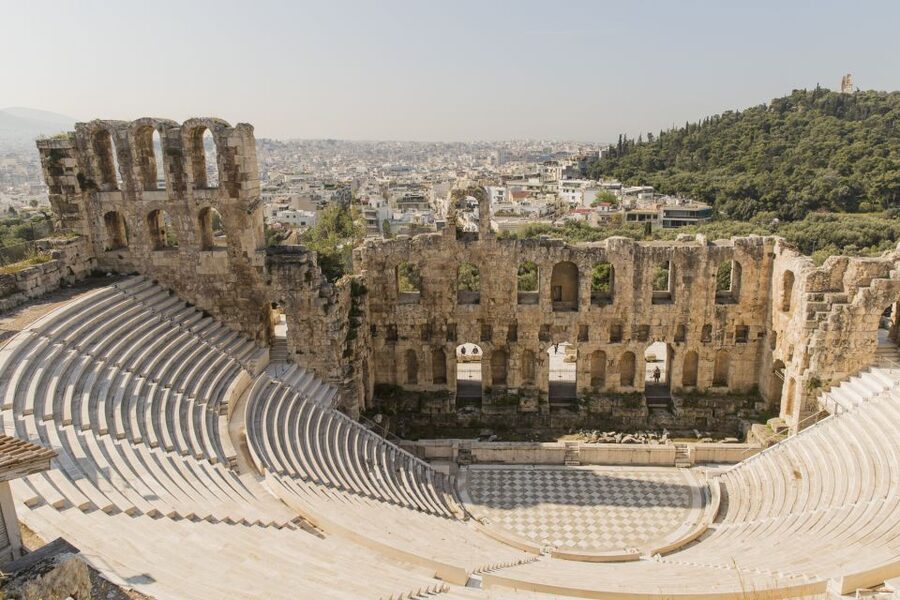
The first major stop is the Theatre of Dionysus. This is one of those places where you can feel why Athens was more than buildings. It was a culture center, a political stage, and a place where citizens gathered to watch, argue, and participate.
You spend around 15 minutes here, long enough to get the basic context without dragging. The guide typically explains how the theatre fit into Ancient Greek society and how myths and civic life were intertwined. That is a big deal at the Acropolis because the stones were not just admired, they were part of daily identity.
What to watch for while you listen: the theatre is a reminder that this civilization expressed itself through performance, public debate, and shared stories. If your only approach is to chase photos, you can miss how much the site is about ideas.
Potential drawback: this section is usually earlier in the route, so if you are late or slow to get oriented, you might feel rushed later. The tour is meant to be efficient, so try to arrive on time and be ready to start walking.
Temple of Athena Nike and the meaning of victory
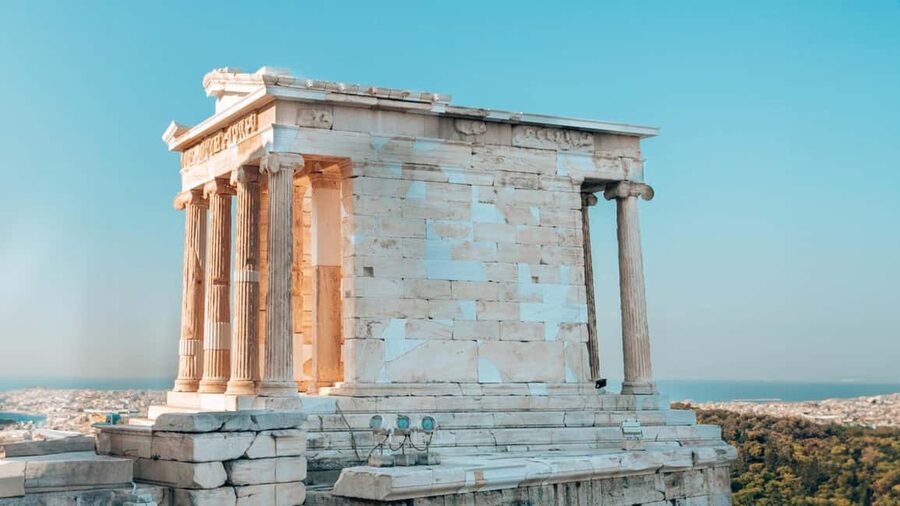
Next comes the Temple of Athena Nike. This is a shorter stop, around 15 minutes, and it works well because it gives you a focused break from the heavier monument time while still keeping you in the main story.
This temple is tied to Athena and the theme of victory. Even if you already know the name Athena, you will likely leave with a clearer sense of why her worship was so central and how that symbolism fit into what Athens wanted to project.
The best guided tours do two things at once. They explain the myth layer, then they explain why the society cared. Here, the guide connects the architecture and location to the civic message Athens was sending.
If you like symbolism, this is one of the stops that clicks quickly. If you want only the biggest monuments, you might be tempted to skim it. Don’t. It is a quick stop, but it helps the Parthenon section land better.
More Things to Do in Athens
- The Acropolis, Parthenon & Acropolis Museum Guided Tour
★ 4.7 · 8,493 reviews - Athens: Cape Sounion & Poseidon Temple Sunset Half-Day Trip
★ 4.8 · 8,241 reviews - Acropolis: Premium Acropolis and Parthenon Guided Tour
★ 4.8 · 5,208 reviews - Athens: Mythology of Delphi, Museum and Arachova Guided Tour
★ 4.7 · 5,102 reviews
Erechtheion: where myth meets complicated architecture
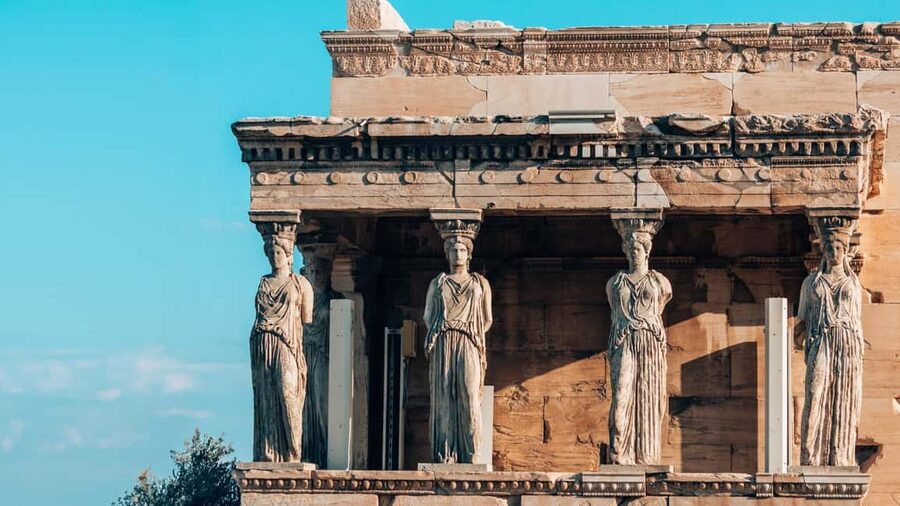
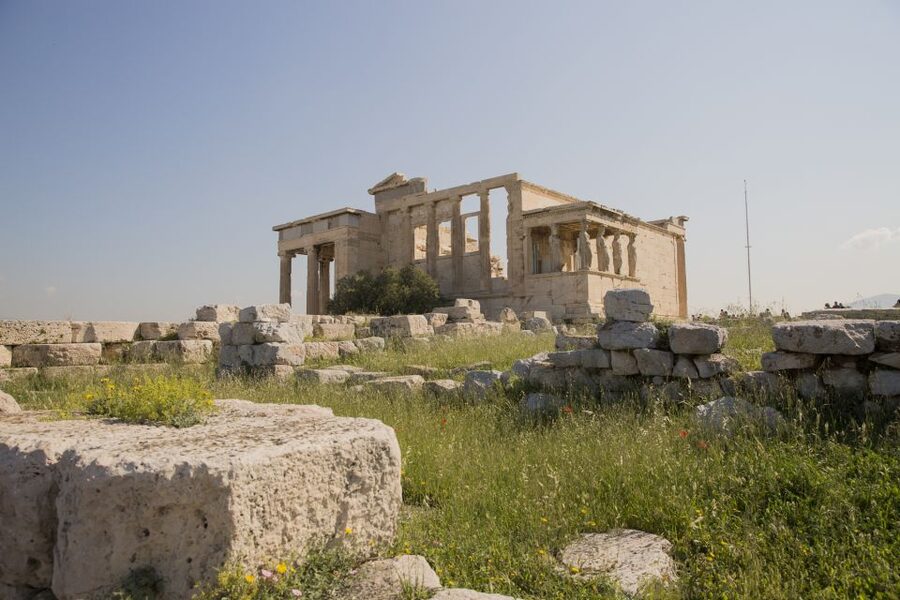
After Athena Nike, you move to the Erechtheion, another stop around 15 minutes. This is where you start seeing the Acropolis as more than one perfect building. It is a complex religious and cultural statement.
The Erechtheion is famous for its distinctive features, and the guide’s job is to show you how myth and worship are literally built into the site. The more your guide tells the foundational stories behind Greek mythology, the more the place stops being just a set of impressive shapes.
This stop is also a useful rhythm change. You are not climbing nonstop, and the time allotment makes it feel manageable in hot weather. Guides are praised for slowing down, offering shade whenever possible, and keeping the pacing comfortable, even when people have physical limitations like bad knees.
If you have limited mobility, this is also the part where you should be honest with yourself. Even with a small group, the terrain is still uneven and full of steps. The tour is not marketed for mobility impairments.
Parthenon time: the 75-minute anchor of the whole tour

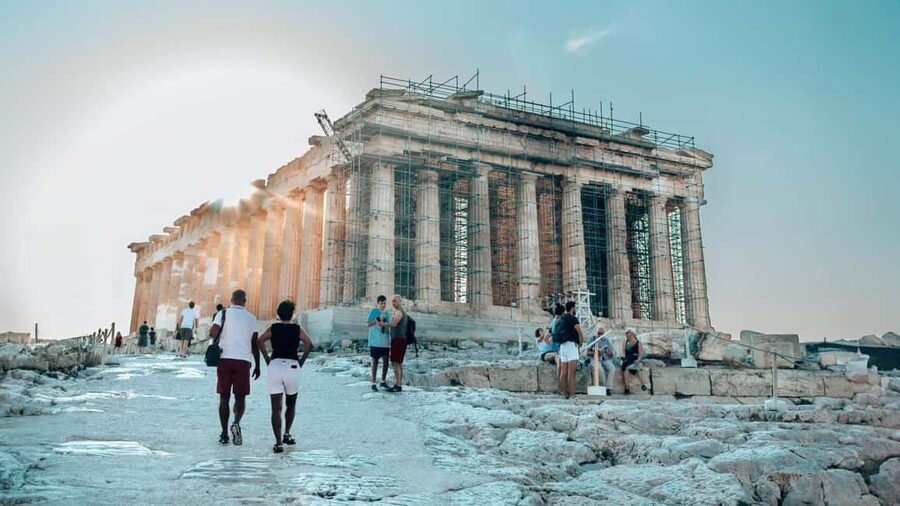
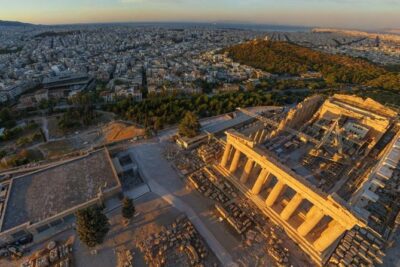
Then you reach the moment most people came for, the Parthenon, where the tour spends about 75 minutes. That longer stretch is one of the biggest advantages of this tour compared with super-short walking routes.
Why that time matters: the Parthenon is visually stunning, but it can also become background noise if you are just trying to look. A good guide turns your time into understanding, connecting:
- why Athens built it when it did
- what the architecture signaled about power and identity
- how the mythology and religious purpose fit into the broader civic story
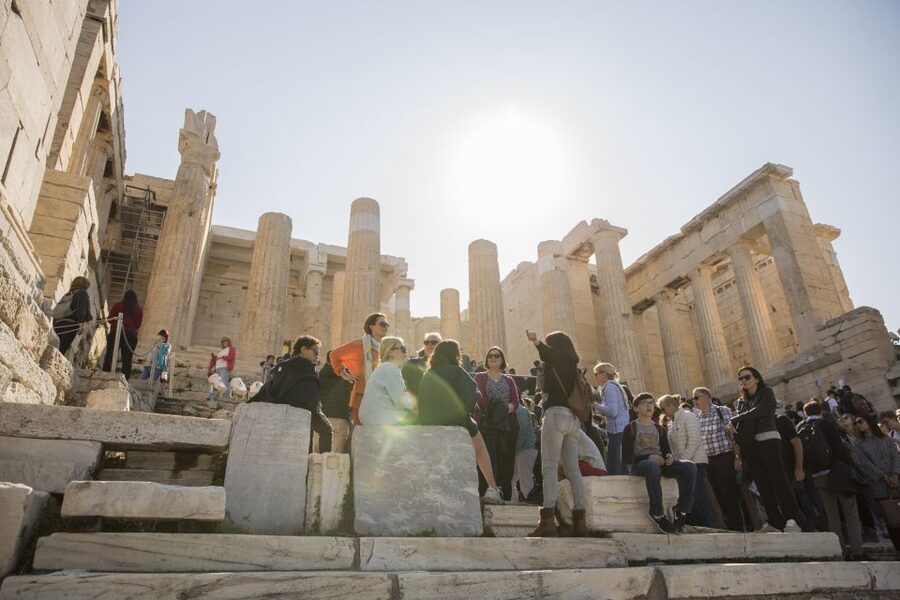
The tour also includes other key points along the way, like the Propylaia as part of your route up and through the Acropolis hill. You are not likely to miss it if you are paying attention, because it acts like a ceremonial gateway into the complex.
The Parthenon is also where the heat becomes the toughest. You will spend more time standing in exposed areas, so plan your water strategy and your sun habits. This is not the tour for someone who wants a fully seated visit.
Still, if you come for meaning, the Parthenon stop is the reason to choose a guided format at all.
Practical comfort: what to wear, bring, and avoid

This tour is a walk through an outdoor archaeological site, so you should treat it like that.
Big rules that affect your day:
- No baby strollers
- No backpacks
- Big bags are not allowed at the Acropolis, so keep your load small
- The tour is not suitable for children under 4
- It is not suitable for people with mobility impairments
For comfort, I strongly recommend:
- Closed-toe shoes with grip. You will be on stone surfaces and steps.
- Light layers. Even when it is warm, you might move in and out of shade.
- Sun protection if you are sensitive. Guides do their part with shade pauses, but you cannot control every sunny exposure.
One of the standout themes from guide feedback is pacing. People note that the guides keep them in shade when possible and match walking speed when needed. If you have health limits, it is worth telling your guide early, because a small-group tour can adjust more easily than a big one.
Language options are English and French, and a private group is available if you want more flexibility.
Who this Acropolis beat-the-heat tour is best for

This is a smart fit if you want a high-impact Acropolis visit that still feels personal. The small size and guide-led structure are especially helpful if you:
- care about Greek mythology and civic history, not just photos
- want a guided explanation of why Ancient Athens became so important
- want to understand how democracy emerged in the 5th century BC
- prefer a slower, more considerate pace in hot weather
It is also a good choice if you have visited Athens before but felt like you missed the story. Even then, the longer Parthenon stop and the myth-to-architecture connection can make the whole experience click again.
It is not the move if you need step-free access or mobility support. It is also not ideal if you are traveling with strollers or you expect to keep a backpack with you.
Should you book this Acropolis Beat the Heat Guided Tour?
If you want the Acropolis experience to feel understandable and manageable, I think this tour is a strong yes. The combination of small group size, shorter stops with real context, and a long Parthenon segment gives you value for your time, especially when heat and crowds are at their worst.
Book it if your priority is learning and comfort, not just checking a landmark off. Skip it if you require mobility-friendly access or you cannot travel light, since there are clear restrictions on strollers and backpacks.
If you decide to go, do one thing that makes everything easier: plan your entry tickets in advance. When tickets sell out for specific time slots, it can scramble your day, and you want your time on the Acropolis to be smooth from start to finish.
New pins on the Athens chart
- Mycenae, Epidaurus, Nafplio, Corinth Canal Private Full Day Trip From Athens★ 5.0 · 83 reviews
- From Athens: Mycenae, Epidaurus & Nafplion Private Tour★ 4.9 · 83 reviews
- Delphi with Professional English Guide and Transportation★ 4.5 · 84 reviews
- Acropolis of Athens, Ancient Agora and the Agora Museum Tour★ 5.0 · 86 reviews
- Athens: 2.5-Hour Private City Tour Off the Beaten Track★ 4.7 · 86 reviews
- Thermopylae The battle of the 300 Spartans & Delphi Day Tour★ 5.0 · 86 reviews
Acropolis Tickets & Tours, compared.
Acropolis & up to 5 Archaeological Sites Combo Pass
Read our review →
Acropolis Ticket with Optional Audio or Live Guide
Read our review →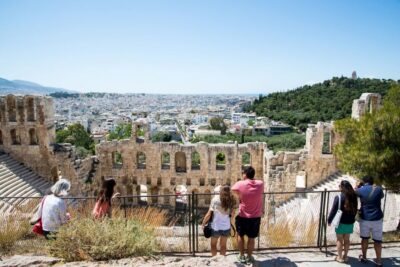
Acropolis, Parthenon & Acropolis Museum Guided Tour
Read our review →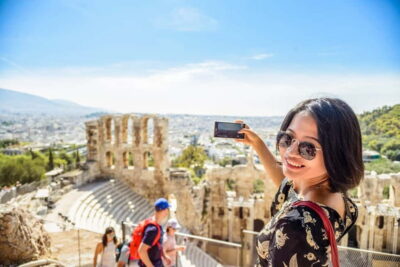
The Acropolis, Parthenon & Acropolis Museum Guided Tour
Read our review →
Acropolis and Parthenon Guided Walking Tour
Read our review →Acropolis, Parthenon & Acropolis Museum Guided Tour
Read our review →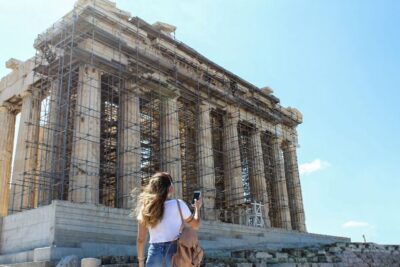
Browse the lists this tour appears in