
Reviewed · ACROPOLIS TICKETS & TOURS
Athens: Acropolis, Parthenon and Acropolis Museum Guided Tour
Acropolis marble can feel lifeless at first. With a guide, the hill turns into a working story about ancient Athens, from the Theater of Dionysus to the Parthenon and then into the Acropolis Museum.
I especially like the licensed English guide plus the way the walk hits major monuments in a clear order. I also love that the museum focuses on originals, including archaic sculptures and the Parthenon frieze, so you’re not just admiring copies.
One thing to consider is the logistics. Entry times are strict, the Acropolis is a steep climb, and elevator use for the group is not allowed, so this is not a great match for mobility limits.
In This Review
- Key highlights you’ll feel fast
- Meet at Mitseon 2, then climb with a tight plan
- Acropolis hill stops: Dionysus, Odeon, Asclepius, and the Parthenon
- Propylaea to Erechtheion: where the details matter most
- Acropolis Museum: originals, Caryatids, and the Parthenon frieze
- Why the order helps: turning stones into meaning
- Parthenon time: how to see it without getting stuck
- Price and ticket math: what $41.12 gets you
- Pacing, photos, and comfort tips that save your feet
- Guide styles: the difference between seeing and understanding
- Should you book this Acropolis and Museum tour?
- FAQ
- What is the duration of the Acropolis, Parthenon, and Acropolis Museum guided tour?
- Where do I meet the guide?
- Is the tour in English?
- Are Acropolis and Acropolis Museum tickets included?
- Can I skip lines with this tour?
- What should I bring for the walk?
- Is elevator access available on the Acropolis?
- Is the tour suitable for kids or mobility needs?
- What happens if I’m late for the Acropolis entry time?
- Can I cancel and get a full refund?
Key highlights you’ll feel fast

- Mitseon 2 meeting point makes it easy to get started near the Acropolis metro
- Dionysus Theater and the hilltop circuit connects drama, religion, and power in one flow
- Parthenon views without guesswork helps you focus on what matters most
- Acropolis Museum originals up close: archaic statues, Caryatids, and Parthenon frieze
- Small group limit (max 24) plus frequent breaks keeps the pace human
Meet at Mitseon 2, then climb with a tight plan

This tour starts at the Athenian Tours office on Mitseon 2, close to the Acropolis metro. You need to arrive at least 15 minutes early. The timing matters because Acropolis access has strict time slots, and latecomers cannot be accommodated.
The walk is designed for a 3 to 4 hour half-day. The group stays capped at 24 people, which helps you move as a unit instead of getting lost in a crowd. If you hate rushing, you can also choose the private option for a more flexible start time.
Now for the practical stuff that makes the difference on the hill: the Acropolis is steep and some paths can be slippery when wet. Bring water, and in warm weather or sun, add hat and sunglasses. If rain shows up, bring an umbrella too. One nice touch is that you’ll get a short break before the museum, with time to use the bathroom.
A key limitation: elevator use to the Acropolis hill is not permitted on group tours. If stairs and uneven ground are tough for you, you’ll want to plan a different day or choose a more accessible option.
More ascents of the sacred rock:
Acropolis hill stops: Dionysus, Odeon, Asclepius, and the Parthenon
The tour kicks off with the classic Acropolis climb and then works through the hill like a guided checklist with meaning behind each stop.
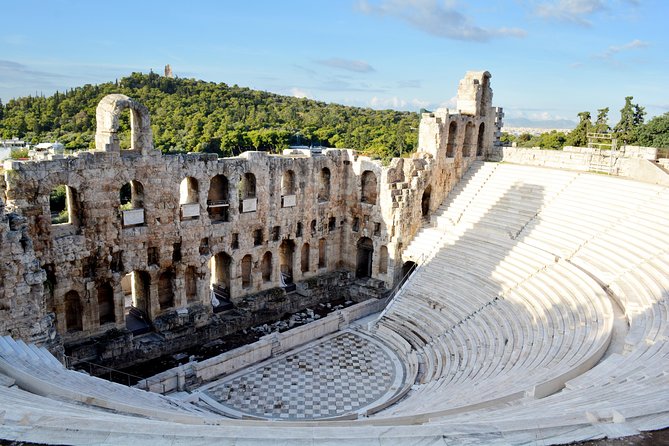
First up is the Dionysus Theater area, where ancient comedies and tragedies were first performed. Even if you know almost nothing about Greek drama, a guide can connect these plays to civic life, religion, and the idea that public storytelling was part of how people understood their world.
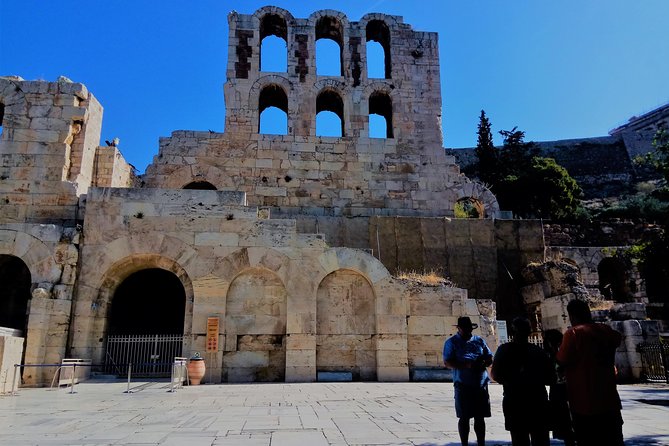
As you move around, you’ll pass the Odeon of Herodes Atticus, a spot that’s often photographed because it gives you a sense of scale. You’ll also see the sanctuary of the healing god Asclepius, which grounds the hill in everyday concerns, not just politics and philosophy.
Then the walk focuses on the big name monuments at the top:
- Propylaea (the gateway)
- Temple of Athena Nike
- Erechtheion Temple, famous for its asymmetrical layout
- And of course the Parthenon, the headline symbol tied to Athens in the 5th century B.C.
The Parthenon stop is short, about 30 minutes, but it’s set up so you can appreciate the Doric order architecture and the site’s overall layout without spending your whole time standing in one place. You also get a breather before heading toward the museum, which is smart because the hill can fatigue you faster than you expect.
One practical note about skipping lines: the tour may help with ticket office lines in some ticket options, but you should not count on bypassing the main Acropolis entry queues. Plan to arrive on time and treat the entry process as part of the experience.
Propylaea to Erechtheion: where the details matter most
The mid-to-late portion of the hill visit is where the tour earns its keep. These stops are not just name tags. They’re the Acropolis design language: gateways, temples, and carefully planned movement.
At Propylaea, you’re at the gateway into the core sacred area. It’s a good moment to pause, look back, and understand that the Acropolis was built as a sequence, not a random pile of temples.
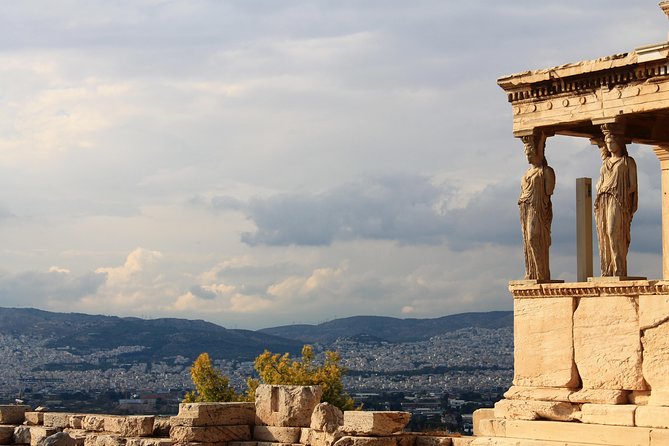
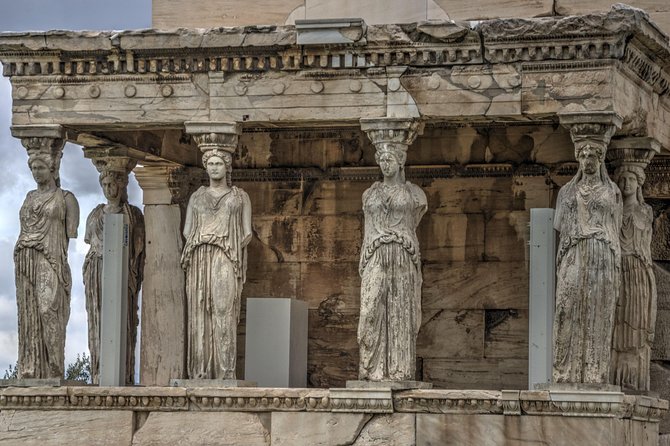
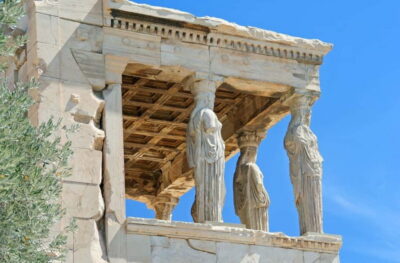
At the Temple of Athena Nike, you get a clear fix on how Athena was tied to the city’s identity and defenses. Then the tour lands at Erechtheion, a masterpiece known for its unusual asymmetrical composition, including the famous sculpted female figures that support parts of the structure.
This section is also where a good guide makes the architecture feel personal. If your guide has a story-first style, you’ll walk away remembering what each place was for, not just what it looks like.
Acropolis Museum: originals, Caryatids, and the Parthenon frieze

Right after the hill, you’ll head to the Acropolis Museum, a short walk away. The museum stop runs about 2 hours, and it’s laid out so you can see how the site’s artifacts connect to daily life and to the big marble statements above.
On the ground floor, you’re shown artifacts tied to daily routines and beliefs. You can expect material connected to wedding customs, children’s favorite toys, healing techniques, and religious practices. This floor helps you shift your brain from monuments to people.
On the first floor, the museum gets more jaw-dropping. You’ll stand close to archaic statues from around the 6th century B.C that once adorned the Acropolis. You’ll also get views near the Caryatids and huge pieces from the Acropolis entrance. Seeing fragments in a museum setting gives you a better sense of how statues, columns, and decorative elements fit together as one program.
At the top floor, you get the Parthenon connection in a big way, with access to the original Parthenon frieze. The view toward the Acropolis at the same time is a very effective double take: you’re looking at the source and then at the story the stone tells.
The museum also has a practical advantage: you can enter through a separate museum entrance. That helps avoid waiting and lets you spend more time looking.
One caution: the tour time in the museum is set, so you might not have hours to roam on your own. If you prefer slow, independent looking, this may feel a bit scheduled.
Why the order helps: turning stones into meaning
The hill visit followed by the museum is not just convenient. It’s a smart way to make the Acropolis click.
Up on the hill, you get the shapes, the scale, and the layout. Then the museum puts objects back into context. That combination matters because so much of what you see at the Acropolis is about craftsmanship and purpose. Without explanation, it can feel like a photo spot. With explanation, it becomes a “why” story.
Also, the guide has some flexibility to adjust the order for your comfort. So if the day feels too hot or crowded, you may get small changes that keep the pace manageable.
A good sign of this tour’s design is that there are breaks. You’re not just marching. There’s a short break before the museum, and the pace is built for a group of up to 24.
More marble under museum roofs:
- The Acropolis, Parthenon & Acropolis Museum Guided Tour
★ 4.7 · 8,493 reviews - Athens: Mythology of Delphi, Museum and Arachova Guided Tour
★ 4.7 · 5,102 reviews - Athens: Acropolis, Parthenon & Acropolis Museum Guided Tour
★ 4.8 · 3,579 reviews - Acropolis monuments & Parthenon Walking Tour with Optional Acropolis Museum
★ 5.0 · 2,678 reviews
Parthenon time: how to see it without getting stuck
The Parthenon stop is brief, so you’ll want to use your time well.
I’d treat this as a moment to do three things:
1) Get oriented with the monument’s key features and the Doric proportions.
2) Take a few photos from one angle, then move so you can view the structure from slightly different positions.
3) Use the guide’s explanations so you understand what you’re looking at before you walk away.
If you tend to wander, remind yourself this tour is a curated arc across multiple sites. It’s not the kind of outing where you can ignore the group and expect to catch up easily.
If you love photos, wear comfortable shoes. Reviews consistently stress how important good footwear is because you’ll be on uneven and sometimes slick ground. And yes, use the restroom break if it’s offered. It’s an easy small win.
Price and ticket math: what $41.12 gets you
The price listed is $41.12 per person, for an experience that runs about 3 to 4 hours. This is generally booked about 50 days in advance, which is a clue that this is a popular first stop for many itineraries.
What you should expect in value depends on the ticket option you choose.
- If you choose the option with tickets, the tour includes Acropolis and Acropolis Museum admissions (as stated in the tour terms).
- If you choose the option without tickets, Acropolis entry is €30 per person and the Acropolis Museum entry is €20 per person (adult tickets only). In that case, you’ll pay separately and may need to buy online at least 24 hours in advance, or arrange to buy through the tour provider if you notify them at least 24 hours ahead.
There’s also a difference in how lines are handled. The museum gets a separate entrance. For the Acropolis itself, the guidance is more careful. Don’t plan on magical line skipping. Better plan around the time slot and the general entry process.
One more value note: on days when the Acropolis or museum has free entry, tour pricing is adjusted accordingly.
If you’re doing this as a first-time Acropolis day and you want the guide to explain what you’re seeing, the cost can make sense. If you’re already comfortable buying timed tickets and you prefer total freedom in the museum, you might feel the ticket add-ons and scheduled timing.
Pacing, photos, and comfort tips that save your feet

This tour is fun, but it’s still a hike plus a museum. The comfort checklist is simple, and it shows up again and again:
- Wear comfy shoes with good grip.
- Bring water.
- Use the bathroom break when offered.
- Bring a hat and sunglasses for sun, and an umbrella if rain is possible.
- In winter, expect it to feel colder at the top, so pack a warmer layer than you think you need.
Audio can also be a factor. In real outdoor group situations, sometimes other groups’ equipment can affect sound. A guide’s voice is usually clear, but if you’re sensitive to audio, keep that in mind.
Finally, the tour is not suitable for children under 6 and not suitable for people with mobility impairments. That’s not just paperwork, it’s the reality of steep climbing and uneven ground.
Guide styles: the difference between seeing and understanding
The guide is the heart of this tour. People who’ve had great sessions tend to describe guides who mix clear storytelling with humor and quick answers.
For example, different guides have been praised for:
- mixing realism and humor
- using mythology and religion to explain what you’re seeing
- keeping a comfortable pace with time for photos
- staying engaged even while covering a lot of ground
- turning complicated details into something you can actually remember
Names that have come up include Angel, Natasha, Maria, Simon, Bernie, Chrysa, Irene, Jon, Friday, Alexander, and Theodora. Since you can’t pick your guide ahead of time, don’t stress. The core promise is that the guide is licensed, speaks English, and guides the group through the right stops in the right order.
Should you book this Acropolis and Museum tour?
I think you should book it if:
- this is your first time on the Acropolis and you want the meaning, not just the view
- you want an efficient plan that covers Acropolis hill plus the museum in one half-day
- you like asking questions and getting direct explanations
- you want the museum originals explained while you’re standing right next to them
I would skip or rethink it if:
- you need lots of unstructured time in the museum on your own
- stairs and steep walking are a struggle for you
- you’re very flexible and want to avoid strict time windows
If you do book it, plan to combine it with another neighborhood walk afterward. The Acropolis is only part of Athens’ story, and you’ll probably want to connect the dots with the rest of the historic center while the day is still fresh.
FAQ
What is the duration of the Acropolis, Parthenon, and Acropolis Museum guided tour?
The tour runs about 3 to 4 hours, depending on timing and how the guide manages the group.
Where do I meet the guide?
Meet at Mitseon 2, Athina 117 42, Greece. The end point is at the Acropolis Museum, Dionysiou Areopagitou 15, Athina 117 42.
Is the tour in English?
Yes, the tour is offered in English.
Are Acropolis and Acropolis Museum tickets included?
Tickets are included only if you selected the option with tickets. If you chose the without-tickets option, Acropolis entry is €30 per person and the museum entry is €20 per person (adult tickets only).
Can I skip lines with this tour?
You may get skip-the-line ticket office help if that option is selected, and the Acropolis Museum has a separate entrance. The tour terms also note that you cannot skip the main Acropolis entry lines, so plan for normal entry time and security.
What should I bring for the walk?
Bring water and comfortable shoes. If it is sunny or you expect heat, pack a hat and sunglasses. If rain is possible, bring an umbrella.
Is elevator access available on the Acropolis?
No. Elevator use to the Acropolis hill is not permitted on group tours.
Is the tour suitable for kids or mobility needs?
It is not suitable for children under 6 years old. It is also not suitable for people with mobility impairments.
What happens if I’m late for the Acropolis entry time?
Punctuality is crucial because Acropolis entry times are strict. Latecomers cannot be accommodated and there are no refunds for that.
Can I cancel and get a full refund?
Yes. You can cancel up to 24 hours in advance for a full refund. If you cancel less than 24 hours before the start time, the amount paid is not refunded.
New pins on the Athens chart
- Mycenae, Epidaurus, Nafplio, Corinth Canal Private Full Day Trip From Athens★ 5.0 · 83 reviews
- From Athens: Mycenae, Epidaurus & Nafplion Private Tour★ 4.9 · 83 reviews
- Delphi with Professional English Guide and Transportation★ 4.5 · 84 reviews
- Acropolis of Athens, Ancient Agora and the Agora Museum Tour★ 5.0 · 86 reviews
- Athens: 2.5-Hour Private City Tour Off the Beaten Track★ 4.7 · 86 reviews
- Thermopylae The battle of the 300 Spartans & Delphi Day Tour★ 5.0 · 86 reviews
Acropolis Tickets & Tours, compared.
Acropolis & up to 5 Archaeological Sites Combo Pass
Read our review →
Acropolis Ticket with Optional Audio or Live Guide
Read our review →
Acropolis, Parthenon & Acropolis Museum Guided Tour
Read our review →
The Acropolis, Parthenon & Acropolis Museum Guided Tour
Read our review →

Acropolis and Parthenon Guided Walking Tour
Read our review →Acropolis, Parthenon & Acropolis Museum Guided Tour
Read our review →
Browse the lists this tour appears in