
Reviewed · ACROPOLIS TICKETS & TOURS
Athens: Early Morning Guided Tour to Acropolis and Museum
The Acropolis feels different before the crowds. This early-morning guided tour gives you timed access to the UNESCO Acropolis and then flows right into the Acropolis Museum, with a licensed guide turning myths and ruins into something you can actually picture. I love that you are not just speed-walking monuments, you are getting the stories tied to what you see, from theater of Dionysus links to why the Parthenon mattered.
The big drawback is physical: even early, the walk is moderate difficulty with uneven steps and a climb that can feel demanding.
In This Review
- Key takeaways before you go
- Why early morning changes the whole Acropolis visit
- Meeting your guide and getting positioned for the climb
- Arch of Hadrian, Theatre of Dionysus, and Odeon of Herodes Atticus
- Entering the Acropolis via the south slope: Dionysus drama to the gate
- Athena Nike and the Parthenon: what to watch, and how to look longer
- Erechtheion and the myth-heavy details you will remember
- Views and the photo break: how to use the free time well
- From the Acropolis to the Acropolis Museum: why the second stop matters
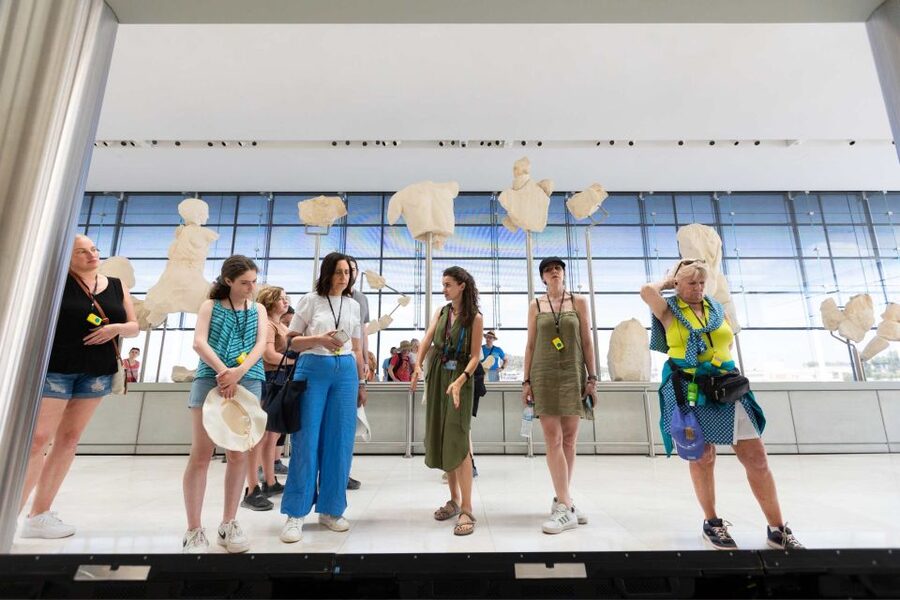
- Inside the Acropolis Museum: natural light, original works, and what to look for
- How the route and timing help you stay comfortable
- Price and value: is $35 worth it for first-time Athens?
- Who should book this tour, and who might want a different plan
- Should you book the early Acropolis and Museum tour?
Key takeaways before you go
- Beat the heat and crowd wave by starting early, when the hill is still relatively calm
- Licensed, story-led guiding focused on mythology, Athens history, and what you are looking at right in front of you
- Real highlight sequence from south slope sites up to the Propylaea, Athena Nike, Parthenon, and Erechtheion
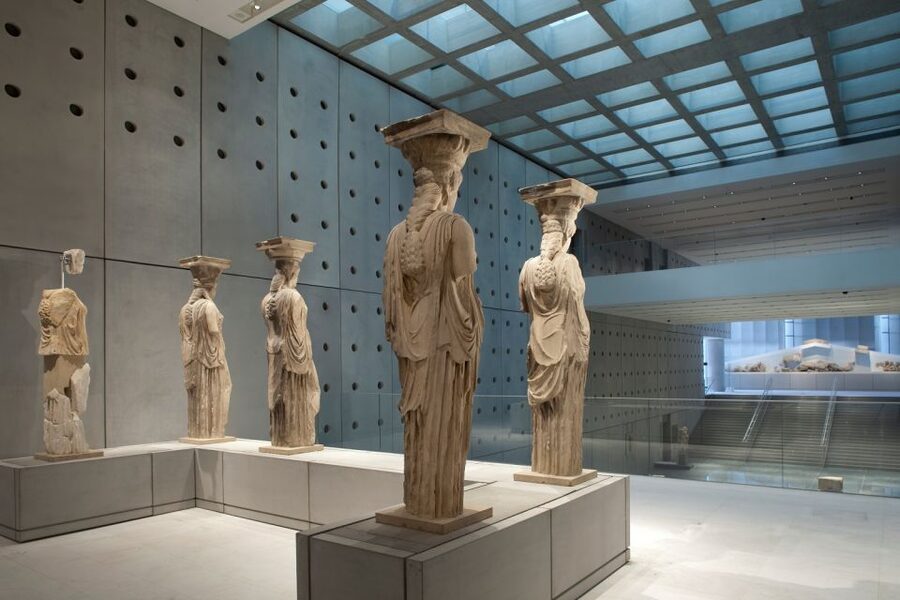
- Acropolis Museum support that helps you interpret what you saw outside, with artifacts lit by natural light
- Audio device provided so you can hear your guide on stairs and inside the museum
- Check your ticket option carefully if access to certain museum areas matters to you
Why early morning changes the whole Acropolis visit
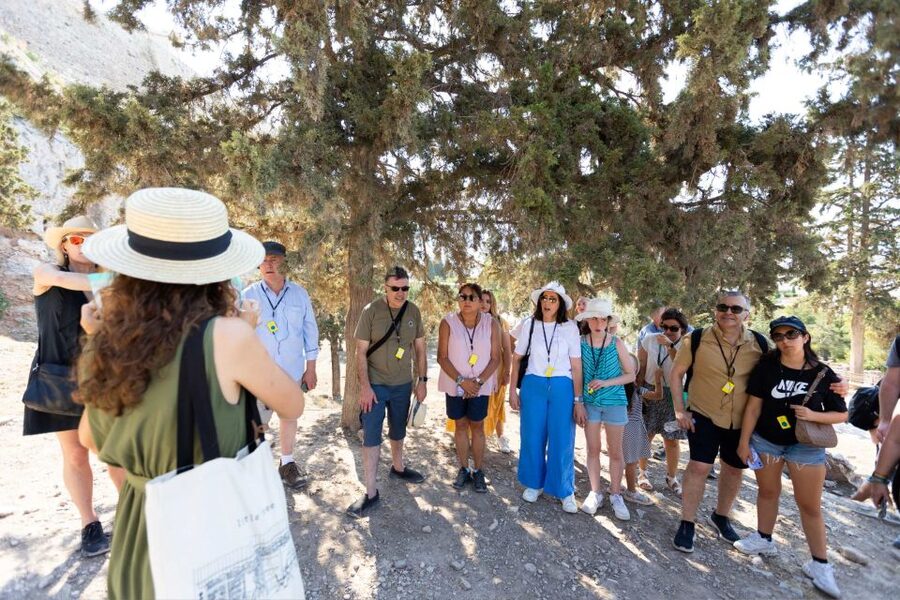
The Acropolis is famous for a reason, but it can also be a grind. Starting at first light style timing means you face fewer tour groups, less midday heat, and more “I can actually see this” moments. The views are also nicer when the sun is lower, and you can take photos without feeling like you are battling a moving wall of people.
I like that the tour is built around that reality: you are not waiting around, you are moving through key spots while the site is still waking up. Even if you have been reading about Athens for weeks, seeing the Parthenon area before the crowds hits differently. It feels more like a place that once mattered, not just a photo stop.
More ascents of the sacred rock:
Meeting your guide and getting positioned for the climb
You will meet your guide at a starting point that can vary depending on the option booked, and then you head toward the Acropolis area right away. This matters, because the schedule is tight and the whole experience depends on you arriving ready to walk.
Your tour includes a professional and licensed guide and an audio device, which is a smart match for this terrain. The Acropolis steps can be slippery, and your attention should be split between where you place your feet and what your guide is pointing out. If you ever struggle to hear, adjust your audio device early in the tour and ask right away if you need the guide to repeat a key point.
Arch of Hadrian, Theatre of Dionysus, and Odeon of Herodes Atticus
Before you even reach the top, you get grounded in why Athens built things this way. The short stop at the Arch of Hadrian helps you set context, like a quick timeline marker as you move through the area.
Then you hit the dramatic Athens side of the story. At the Theatre of Dionysus, your guide brings the ancient world alive through the link between Dionysus and theater, so the stones feel connected to performances rather than just ruins. Nearby, the Odeon of Herodes Atticus adds another layer, because it reminds you how important public gatherings and music were in ancient civic life.
What I like here is the pacing. You are not rushing uphill nonstop. You are collecting meaning first, then climbing with purpose.
Entering the Acropolis via the south slope: Dionysus drama to the gate

The tour walks you up through the south slope, where you can admire Dionysus Sanctuary and the Dionysus Theater connection before you shift into the heart of the citadel. This is a useful approach because it makes the later monuments feel earned. You understand what kinds of beliefs and public life shaped the city, not just the official-looking buildings.
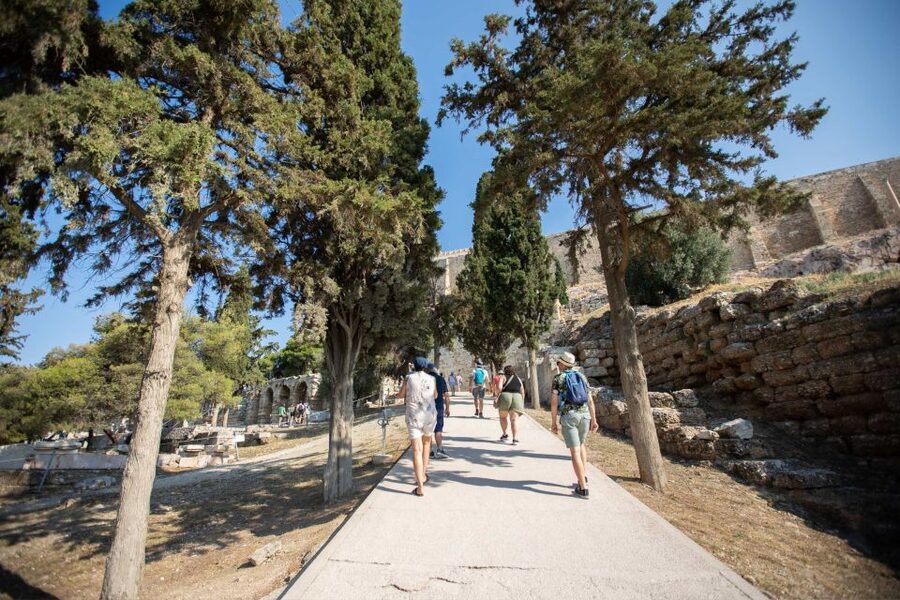
When you arrive at the upper area, you approach the Propylaea, the impressive marble gate that frames the entrance to the Acropolis. This is one of those moments where your guide’s storytelling makes your eyes start working differently. Instead of seeing a single gate, you see it as part of how people moved into sacred space.
Athena Nike and the Parthenon: what to watch, and how to look longer
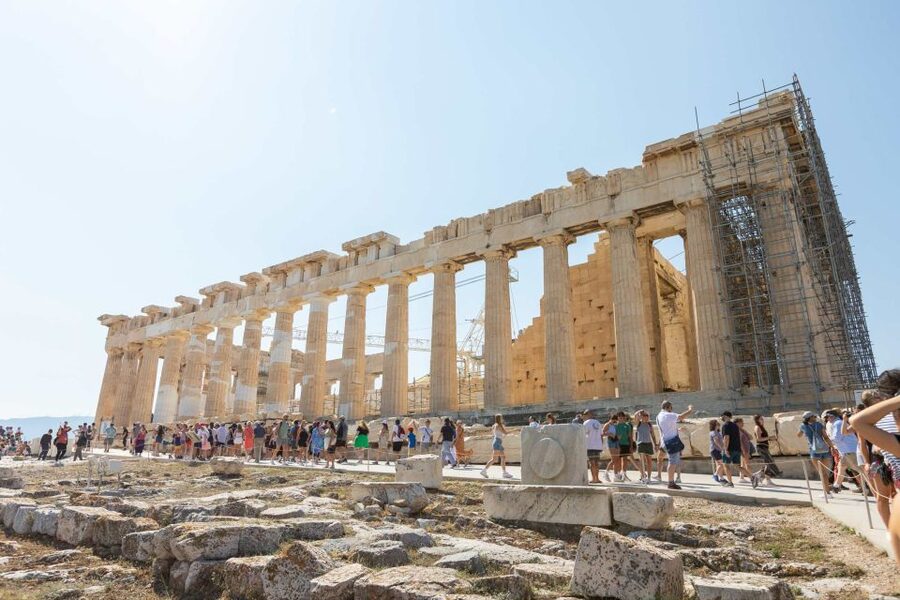
From the gate, the route brings you to the Temple of Athena Nike, dedicated to the goddess of wisdom and war. If you have ever wondered why Athens worship focused on both strategy and intellect, this stop helps connect the dots before you get to the Parthenon itself.
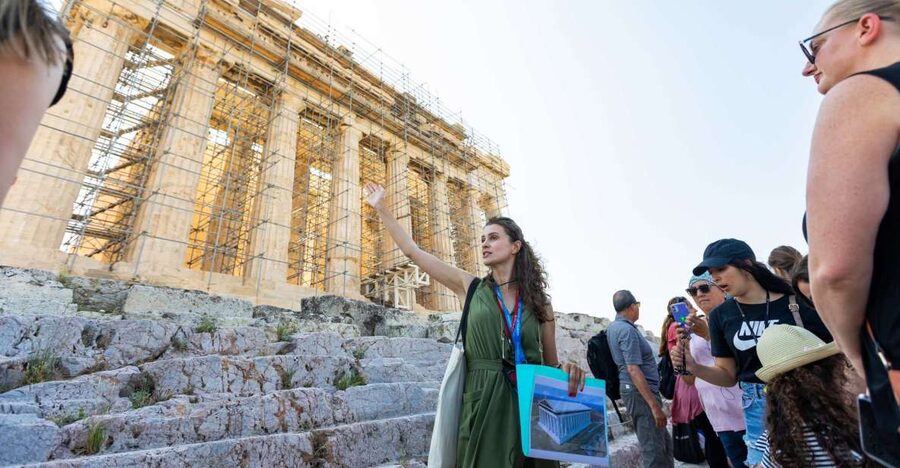
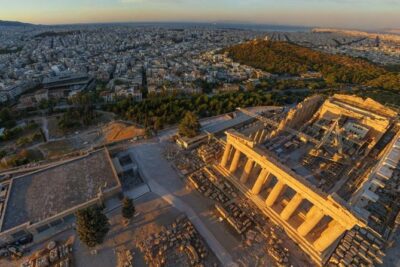
Then comes the big one: the Parthenon, the world-famous temple that dominates the Acropolis skyline. Your guide explains its dedication to Athena, and you get time to really look rather than just stand for a second. I recommend you do two things here: pause, then scan slowly. Let your eyes travel from the overall massing to smaller details your brain initially ignores.
Also, use your camera early, but not at the expense of understanding. The best photos happen when you know what angle you are photographing and why it is significant. This tour gives you that context fast, so you can take better pictures without turning the whole experience into a speed contest.
More marble under museum roofs:
- The Acropolis, Parthenon & Acropolis Museum Guided Tour
★ 4.7 · 8,493 reviews - Athens: Mythology of Delphi, Museum and Arachova Guided Tour
★ 4.7 · 5,102 reviews - Athens: Acropolis, Parthenon & Acropolis Museum Guided Tour
★ 4.8 · 3,579 reviews - Acropolis monuments & Parthenon Walking Tour with Optional Acropolis Museum
★ 5.0 · 2,678 reviews
Erechtheion and the myth-heavy details you will remember
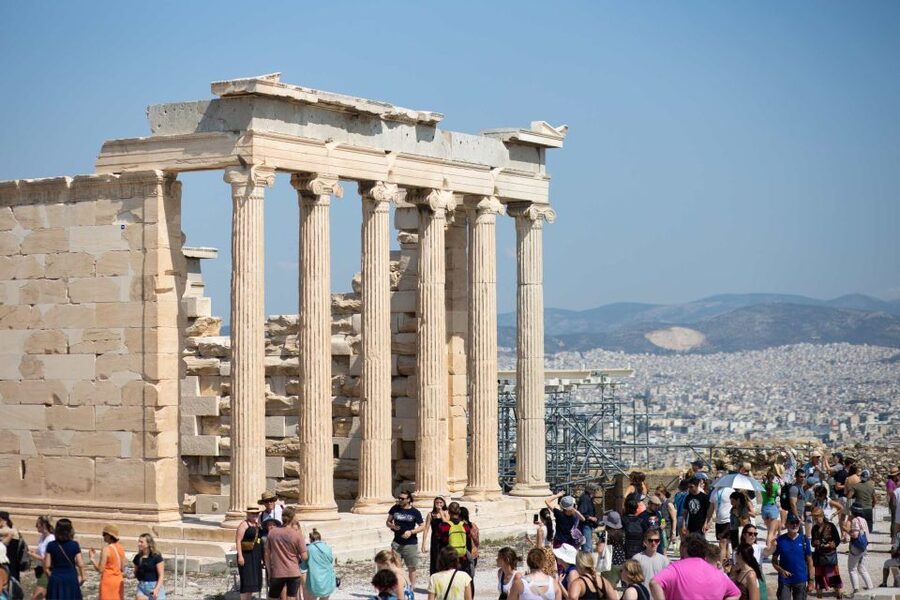
After the Parthenon area, the route includes a stop at the Erechtheion. This is where mythology starts to feel less like distant legend and more like a system of stories tied to specific places. Your guide’s job here is to connect the ruins to the roles they played in ancient Athens, and the tour format gives you a focused chunk of time to absorb it.
One practical tip: save your best questions for this stage. By now you have the basics, and you can ask about how stories connect to architecture, design choices, and the idea of sacred geography. If your guide is someone like Petros, Irene, Eirini, or Margarita (names that come up often), you will likely get clear explanations plus real interaction rather than a memorized lecture.
Views and the photo break: how to use the free time well
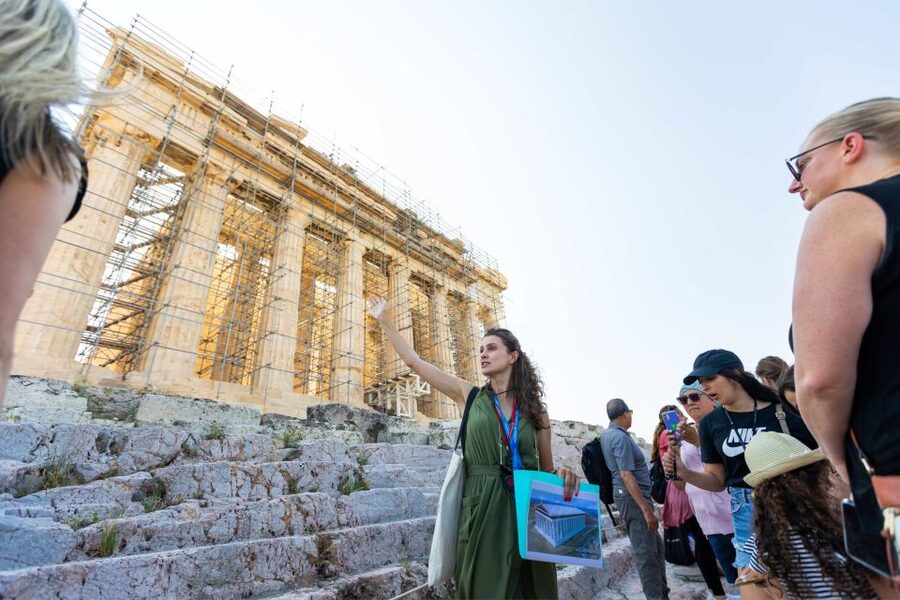
After the major monument sequence, you get a break and photo stop with free time (around 30 minutes). This is the moment to reset your body. The climb is real, and even people who are fine with walking can feel it in the late morning warmth.
Use that free time strategically:
- Take panoramic photos while you still have clear lines of sight
- Find a shady spot if it is available
- Refill water if you brought it (it is strongly recommended)
Then you are ready for the second half of the experience, which is the part many people skip too quickly on their own. That is your edge with a guided tour.
From the Acropolis to the Acropolis Museum: why the second stop matters
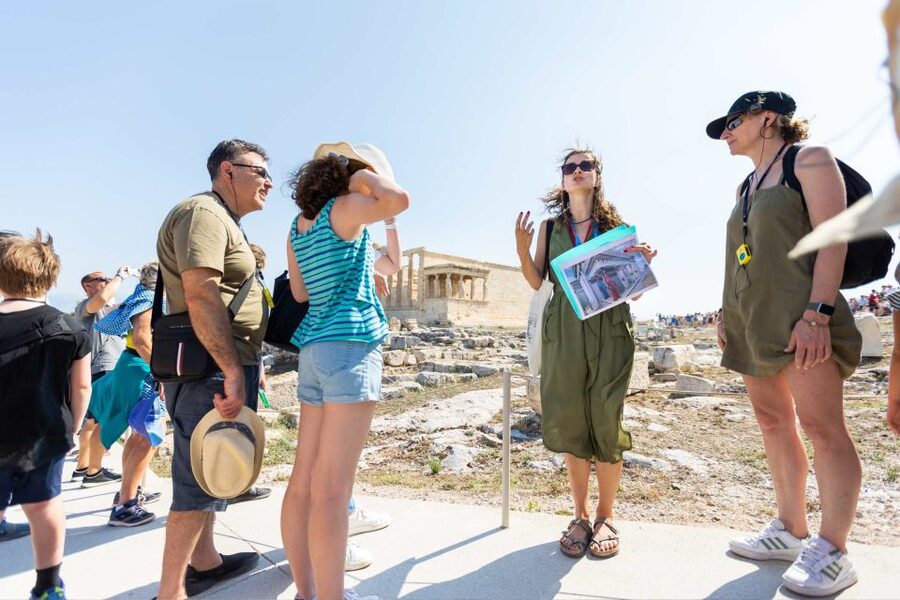
Walking down from the Acropolis zone toward Dionysiou Areopagitou sets you up for the museum visit with less pressure than a full day of solo wandering. This matters because the Acropolis can feel like a blur if you do not anchor it with artifacts and explanations indoors.
The Acropolis Museum is included for about 1.5 hours with a guided tour. The museum is described as ranked among the top museums in the world, and the way it is set up supports your learning right away.
Inside the Acropolis Museum: natural light, original works, and what to look for
Your museum time is organized into four galleries, with artifacts retrieved from the slopes of the Acropolis. You see archaeological treasures that reach back to pre-historic times, which is important because it prevents the story from starting only when the Parthenon was built.
One of the most meaningful museum details is how the site displays original surviving masterpieces from the temples of the Acropolis using natural light. That lighting approach is more than pretty. It helps you notice surface texture and how sculptures relate to architectural intent.
The museum also features excavations visible under glass floors and walkways. Even if you are not an archaeology expert, this gives you a “how we know” feeling. The ruins are not just objects, they are evidence layered through time.
If your ticket option does not include access to every museum component, you may find that certain areas related to excavations require additional admission. If that kind of access matters to you, check your option carefully before you go, so you do not waste your time wondering what is included once you arrive.
How the route and timing help you stay comfortable
This tour is designed as about a 4-hour experience, roughly 210 minutes. That duration works well for first-time visitors because it includes the main exterior monuments plus museum interpretation without turning into an exhausting all-day hike.
The itinerary also breaks things into short walking segments with stops. You are guided to the Propylaea, then to Temple of Athena Nike, then on to the Parthenon and Erechtheion, with a separate block of museum time. This flow matters because it reduces the usual problem: you either spend too long outside with no context, or you cram the museum and feel disconnected.
Still, you should go in expecting uphill walking on stone and occasional uneven surfaces. The tour is not for wheelchair users or people with mobility impairments, and that is a fair warning.
Price and value: is $35 worth it for first-time Athens?
At $35 per person for a guided morning that covers both the Acropolis and the Acropolis Museum, the value is strong if you care about understanding what you are seeing. You are paying for two things that are hard to DIY well: time efficiency (early access) and expert interpretation.
Also, the price you see can vary depending on which option you choose. The tour can include entrance fees and may include skip-the-ticket-office-line access if you select that option. If you pick an option without entrance tickets, you will need to purchase tickets on your own in the entry time slot tied to your departure time.
So the real value question is this: do you want to spend your morning managing timed tickets and entry rules, or do you want that handled by the tour flow? If you want a smooth start, this format usually pays off.
Who should book this tour, and who might want a different plan
Book this if:
- You want your Athens day to start strong, before heat and crowds fully arrive
- You like mythology and want explanations tied to the exact monuments you see
- You want the museum visit to make sense, not just be a checklist
Consider another plan if:
- You cannot handle moderate uphill walking on uneven, slippery stone
- You want a fully independent visit with no fixed guide route
- You are sensitive to the idea of being on a tight time schedule tied to timed entry
If you are the kind of person who enjoys questions and real back-and-forth, this tour format is a good match. Some guides mentioned by name, like Petros and Eirini, are highlighted for interactive style and patient answers, not just reading facts off a card.
Should you book the early Acropolis and Museum tour?
I think you should book it if you are visiting Athens for the first time and you want the Acropolis to feel understandable, not just impressive. The early start is the main practical win, and the museum stop is the main learning win. When you pair them, the Parthenon and the smaller temples start to click into a bigger story.
Just do one smart check before you commit: confirm what ticket access your option includes, especially if you care about museum excavation areas. If you choose the option that matches your needs, this tour is a very efficient way to experience two UNESCO-level stops in one tightly managed morning.
New pins on the Athens chart
- Mycenae, Epidaurus, Nafplio, Corinth Canal Private Full Day Trip From Athens★ 5.0 · 83 reviews
- From Athens: Mycenae, Epidaurus & Nafplion Private Tour★ 4.9 · 83 reviews
- Delphi with Professional English Guide and Transportation★ 4.5 · 84 reviews
- Acropolis of Athens, Ancient Agora and the Agora Museum Tour★ 5.0 · 86 reviews
- Athens: 2.5-Hour Private City Tour Off the Beaten Track★ 4.7 · 86 reviews
- Thermopylae The battle of the 300 Spartans & Delphi Day Tour★ 5.0 · 86 reviews
Acropolis Tickets & Tours, compared.
Acropolis & up to 5 Archaeological Sites Combo Pass
Read our review →
Acropolis Ticket with Optional Audio or Live Guide
Read our review →
Acropolis, Parthenon & Acropolis Museum Guided Tour
Read our review →
The Acropolis, Parthenon & Acropolis Museum Guided Tour
Read our review →
Acropolis and Parthenon Guided Walking Tour
Read our review →Acropolis, Parthenon & Acropolis Museum Guided Tour
Read our review →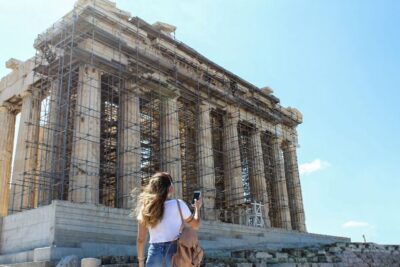
Browse the lists this tour appears in