
Reviewed · MUSEUMS
Athens: National Archaeological Museum Private Guided Tour
Greek museums can be a lot.
This private guided tour helps you make sense of the National Archaeological Museum fast, with a clear plan for seeing the big hits and the stories behind them. You get a licensed archaeologist guide for two hours, and the pace is aimed at turning a jumble of rooms into an easy, chronological sense of ancient Greek life.
I especially like having Christos Theodoropoulos lead the museum. He guides the group around with a practical flow, answers questions, and keeps it engaging, with humor when it fits. And if you care about niche topics, you might get a bonus, like arranging a look at the jewelry room that is often locked up seasonally.
The main consideration is that the museum is huge, so two hours means you will not see everything. Plan to use the tour to get your bearings, then stay longer on your own if you want a slower, deeper browse.
In This Review
- Key highlights at a glance
- Where to meet at the museum entrance and start with zero stress
- Why this museum matters: 11,000 exhibits in a museum-sized brain workout
- The museum’s five permanent collections: what you will actually see
- Two hours inside: how the tour keeps you from wandering aimlessly
- The Antikythera mechanism: why this stop is worth the time
- Getting more than a standard tour: questions, special rooms, and extra moments
- Price and value: $400 per group up to 6, plus the €10 entry ticket
- Who this tour fits best in Athens
- Practical tips for getting the most from your two-hour plan
- Should you book this private tour?
- FAQ
- How long is the Athens National Archaeological Museum private guided tour?
- How much does the tour cost?
- What is included in the price?
- What is not included?
- Where do I meet the guide?
- What languages are available for the live guide?
- Can I get a refund if my plans change?
Key highlights at a glance
- A licensed archaeologist guide who prioritizes the museum’s must-see objects without wasting your time
- The Antikythera mechanism, presented in a way that actually connects to the bigger picture
- A focused route through five permanent collections so you get chronology, not just random highlights
- Flexible pacing for real people, including families and mixed-age groups
- Clear answers and room-by-room guidance, so you spend less time figuring out where to go next
- Occasional extra looks, such as time to see areas that would normally be missed
Where to meet at the museum entrance and start with zero stress

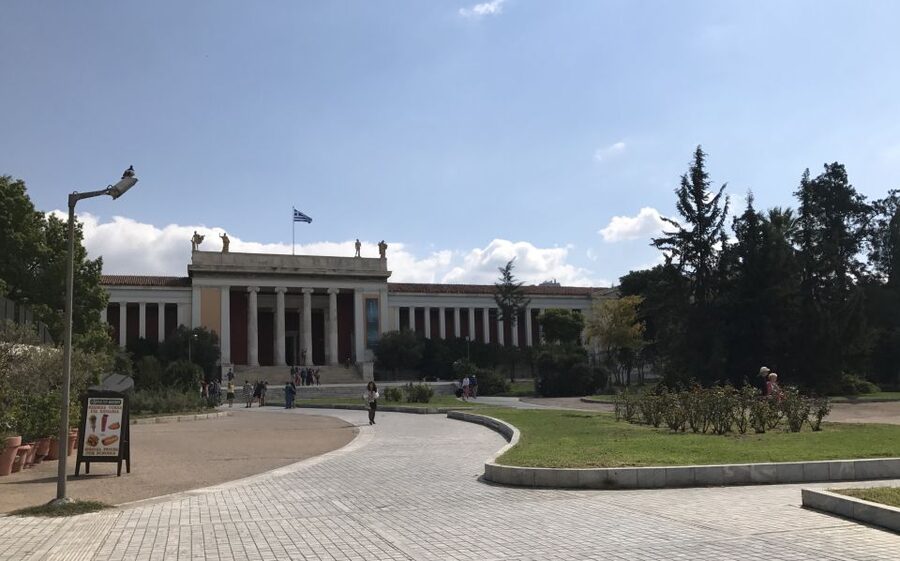
You meet at the steps in front of the main entrance of the Athens National Archaeological Museum, on 44 Patission Street, 10682. That matters more than you might think. The museum is not small, and the quickest path to enjoyment is getting started on the right side of the building with your guide already managing the flow.
There’s also a separate starting location noted at 28is Oktovriou 42. If your day is tight, I suggest you double-check the meeting point the day you go. Once you are inside, your guide takes over the hard part: choosing what to see first and how to move between galleries without losing your place.
More Private Tours in Athens

Why this museum matters: 11,000 exhibits in a museum-sized brain workout
The National Archaeological Museum is one of Greece’s anchor institutions. It started out to hold finds from 19th century excavations around Athens, then grew into a national showcase collecting artifacts from all over Greece. It sits in an imposing neoclassical building designed by L. Lange and remodeled by Ernst Ziller. Even before you look at objects, that setting helps you feel like you are in a serious place for serious discoveries.
Inside, you are dealing with a major scale. The museum covers about 8,000 square meters of exhibition space and includes more than 11,000 exhibits. With that much material, a DIY visit can turn into a blur. The value of a private guide is not that they point at things. It is that they translate the museum into a story you can remember.
What you will be introduced to is the arc of Greek civilization from prehistory through late antiquity. In other words, you do not only see what looks impressive. You see how ideas, art styles, and technologies changed over thousands of years.
The museum’s five permanent collections: what you will actually see
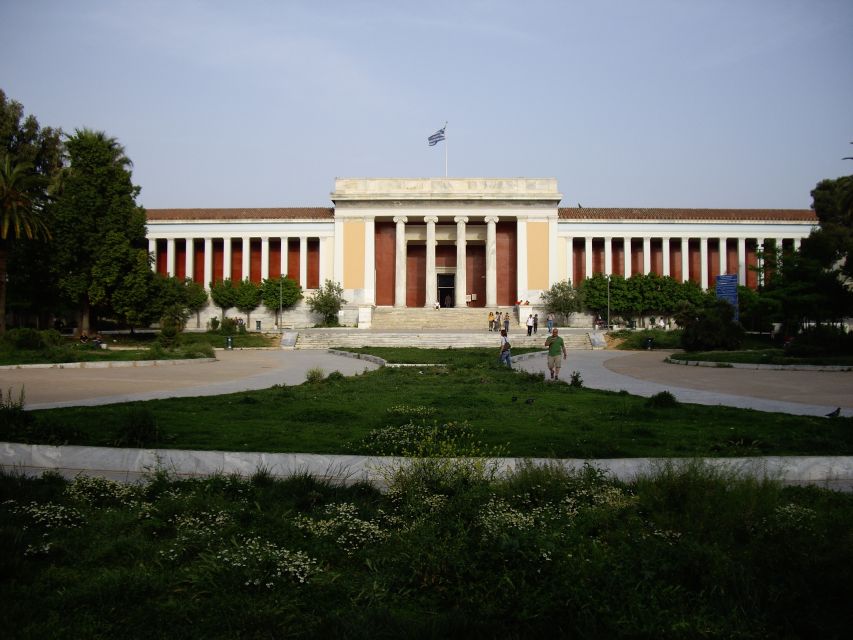
Your guide frames the museum through its main permanent groupings. Here is the practical breakdown of what those collections mean for your visit.
Prehistoric Antiquities
This is where the story starts to stretch back into the earliest Aegean cultures. You are looking at the Neolithic, Cycladic, and Mycenaean periods, spanning roughly from the 6th millennium B.C. to 1050 B.C. You may also encounter finds linked to the prehistoric settlement at Thera. If you are the type who wants context before the famous classical era, this collection sets the stage.
Sculptures Collection (7th to 5th centuries B.C.)
This section focuses on the development of ancient Greek sculpture, roughly from the 7th to the 5th centuries B.C. This is where you can start to notice changes in style, proportions, and how artists moved toward naturalism. You will not just be looking at statues, you will be tracking an artistic evolution.
Vase and Minor Objects Collection (11th century B.C. to Roman period)
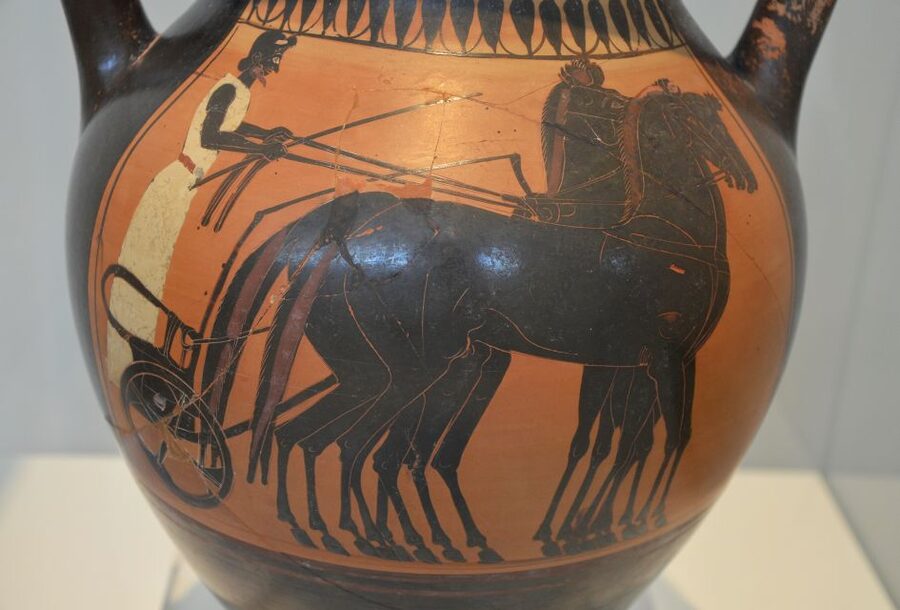
Vases are a shortcut to learning how people thought. They are often tied to daily life, mythology, and social rituals. This collection also includes representative ancient Greek pottery from the 11th century B.C. to the Roman period. A named highlight here is the Stathatos Collection, which is described as a corpus of minor objects across periods. Even if you skip the rest, you will likely come away with a better sense of what made Greek visual culture work.
Bronze Collection
Bronze finds can feel instantly different. They often include statues, figurines, and smaller objects that show how artists made three-dimensional forms and how people used art beyond temples and monuments.
Egyptian and Near Eastern Antiquities
This is the one often missed on quick museum plans. The museum includes works from the pre-dynastic period (5000 B.C.) to the Roman conquest, giving you a wider Mediterranean context. If you like seeing how Greek culture sat inside a broader world of trade and influence, this collection helps.
In a guided tour, you are not expected to absorb all of this at once. Instead, you get a guided orientation so your brain knows what it is looking at and how it fits.
Two hours inside: how the tour keeps you from wandering aimlessly
The tour time is two hours, and that is the heart of the experience. The museum is the kind of place where you could spend an entire day and still miss things. With only two hours, the guide’s job is to keep the route smart.
From what the guide is known for, the approach is practical: hit the highlights, connect them to the bigger timeline, and keep asking and answering along the way. For example, Christos has handled mixed groups, moving people through the museum to cover key stops even with young adults and teenage grandchildren. That tells me he is good at managing attention spans and pacing, not just delivering lectures.
There is also a helpful reality check. The pace can be quick because there is too much to cover in less than two hours. If you prefer slow looking, you might feel you are being moved along. The fix is simple: treat the tour as the fast orientation, then plan extra time after the guide leaves so you can re-check what stuck.
The Antikythera mechanism: why this stop is worth the time
The headline artifact is the Antikythera mechanism, often described as the world’s oldest analogue computer. It is one of those objects that instantly feels like it belongs to the future, even though it is ancient.
In a good guided visit, this is more than a science flex. Your guide connects it to the broader culture of ancient knowledge and craftsmanship, so it does not feel like a random museum trophy. When you see it in the context of the rest of the museum collections, it becomes easier to understand why Greeks were building tools for understanding the world around them.
If you are someone who loves technology, history of math, or just the thrill of mechanical puzzles, this moment can be the payoff that makes the whole two-hour plan feel worth it.
More marble under museum roofs:
- Athens: Acropolis, Parthenon & Acropolis Museum Guided Tour
★ 4.8 · 9,316 reviews - The Acropolis, Parthenon & Acropolis Museum Guided Tour
★ 4.7 · 8,493 reviews - Athens: Mythology of Delphi, Museum and Arachova Guided Tour
★ 4.7 · 5,102 reviews - Athens: Acropolis, Parthenon & Acropolis Museum Guided Tour
★ 4.8 · 3,579 reviews
Getting more than a standard tour: questions, special rooms, and extra moments
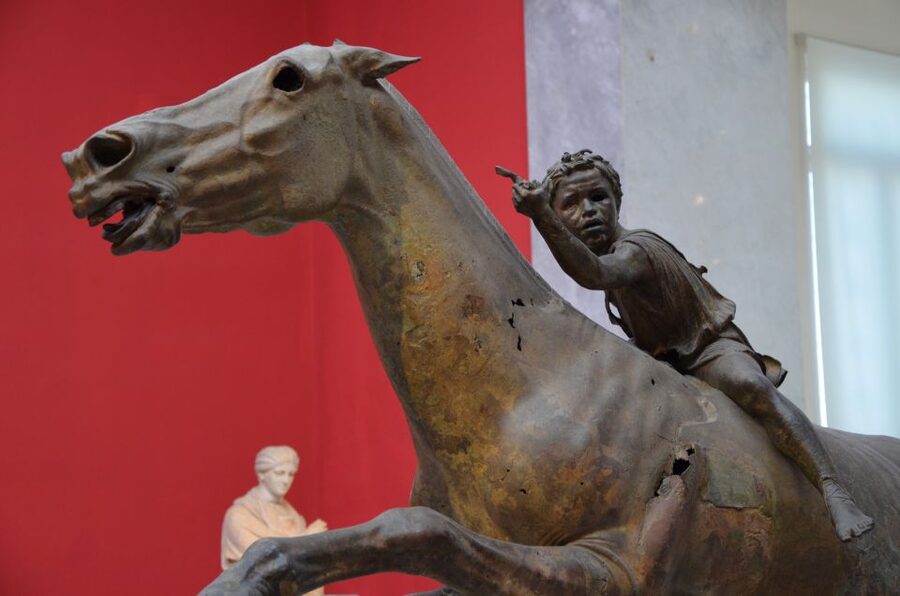
A private guided tour shines when you want answers, not just facts. One standout feature from real experiences is how the guide handles interest. If you have a specific topic, he is willing to work with it.
For instance, if you have a professional or personal interest in ancient jewelry, Christos has been able to arrange a private showing of the jewelry room that is usually locked up at certain times of year. That is not something you should treat as guaranteed every day, but it is a strong signal of how flexible the guide’s approach can be.
Another example is how he sometimes adjusts in the moment. There are reports of the guide taking time to show additional areas, such as going up to the upper story even after the official tour time had run out. Again, you should not assume you will always get extra time, but the pattern is clear: the guide focuses on making sure your group actually leaves with meaningful learning, not just a checkbox list.
If you want the best result, come with curiosity. Ask questions like what period you are seeing right now, or what makes a certain sculpture style change. That is how you turn a museum visit into something you can talk about later.
Price and value: $400 per group up to 6, plus the €10 entry ticket
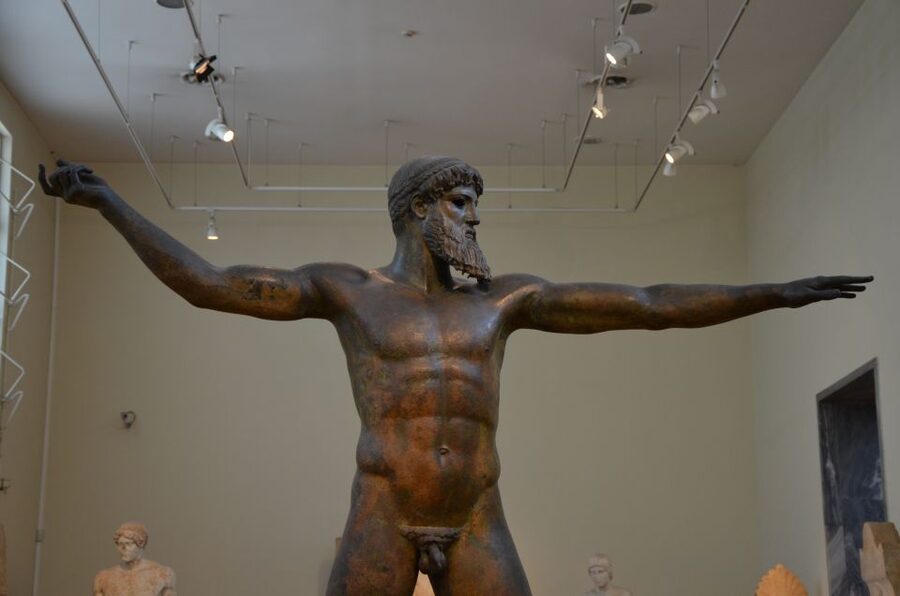
The price is $400 per group, up to 6 people, for a two-hour private guided visit. That pricing works well if you have a small group, because you are paying for one guide and one plan, not individual guide fees per person.
Then there is the separate museum entry ticket of 10€, which is not included. You will also want to plan for not having a hotel transfer included. In plain terms, this tour is a good buy when you can reach the museum on your own and when you want a guide to do the heavy thinking for you.
Here is the value logic I would use: if you are traveling solo or as a couple, the price can feel steep compared with a general admission self-guided visit. But if you care about making the museum make sense quickly, the guide can save you the most expensive thing while traveling, which is time spent lost or underwhelmed. For groups of 4 to 6, it often pencils out better because the cost per person drops and you get a tailored pace for your group.
Who this tour fits best in Athens
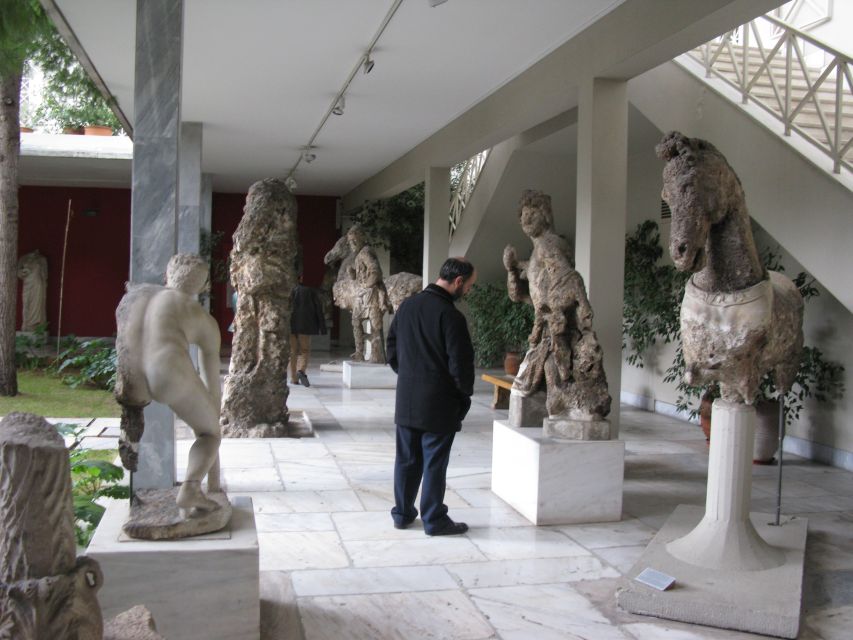
This is a strong match for people who want the museum’s essentials without turning it into a marathon. It also helps if your group has mixed ages or interests.
If you are traveling with teens or young adults, this tour can work because the guide’s method is designed to keep things moving and explain the big picture in ways that land. There are also examples of children enjoying the visit, which tells me the guide can keep explanations clear and engaging, not just academic.
If you are a first-time museum visitor, this is the easiest way to avoid the common problem: staring at impressive objects but not knowing what to connect them to. If you are an art or history fan, it is also useful because you get a structured path through prehistoric material, sculpture development, pottery stories, and the bronze collection, then a broader context with Near Eastern and Egyptian pieces.
And if you love details, tell the guide what you care about ahead of time. The best outcomes happen when the guide knows your focus.
Practical tips for getting the most from your two-hour plan
You have only two hours, so think of this tour as a guided highlight reel with context.
- Wear comfortable shoes. You will be doing a fair amount of walking inside a large museum.
- Bring one or two questions you actually want answered. The guide can work those into the route.
- After the tour, go back to whatever grabbed you. The guide gives you the map, you decide how long to linger.
- If you care about jewelry or a specific theme, ask early whether there is any way to prioritize it during your time in the galleries.
These are simple steps, but they make a big difference. The difference between a good visit and a great one is usually how you spend the time after you get the orientation.
Should you book this private tour?
I recommend booking if you want a fast, high-impact introduction to the Athens National Archaeological Museum. The licensed archaeologist guide approach matters here, especially in a place as big as this. You are paying for clarity, prioritization, and the chance to ask questions instead of guessing your way through galleries.
I would skip it or consider a lighter option if you prefer wandering without structure, or if you are planning a full-day museum experience and hate the idea of a faster pace. In that case, you might enjoy self-guided time first, then add a shorter focus tour later.
For most people, especially first-timers, families, and anyone who wants the Antikythera mechanism to feel meaningful, this private guided visit is a smart use of time in Athens.
FAQ
How long is the Athens National Archaeological Museum private guided tour?
The tour lasts 2 hours.
How much does the tour cost?
It costs $400 per group, for groups of up to 6 people.
What is included in the price?
The tour includes an experienced licensed archaeologist guide.
What is not included?
The museum entry ticket (10€) is not included, and hotel transfer is not included.
Where do I meet the guide?
Meet at the steps in front of the main entrance at the Athens National Archaeological Museum, 44 Patission Street, 10682.
What languages are available for the live guide?
The live guide is available in Turkish, English, German, and Greek.
Can I get a refund if my plans change?
You can cancel up to 24 hours in advance for a full refund.
New pins on the Athens chart
- Shore Excursion: Acropolis, Athens City tour and The New Acropolis Museum★ 4.5 · 30 reviews
- Private Luxury Tour: Marathon – Battle & Run That Changed History★ 5.0 · 30 reviews
- 2 Day Private Tour Of Delphi, Thermopylae & Meteora From Athens★ 5.0 · 30 reviews
- Athens Airport – Athens Center Private Transfer★ 4.0 · 30 reviews
- From Athens: Ancient Corinth Half-Day Private Tour★ 4.8 · 30 reviews
- Private City Kickstart Tour: Hidden Districts★ 5.0 · 30 reviews
Museums, compared.
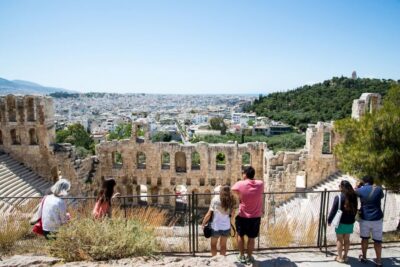
Acropolis, Parthenon & Acropolis Museum Guided Tour
Read our review →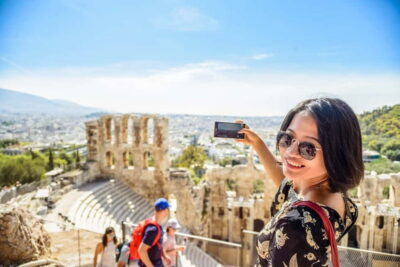
The Acropolis, Parthenon & Acropolis Museum Guided Tour
Read our review →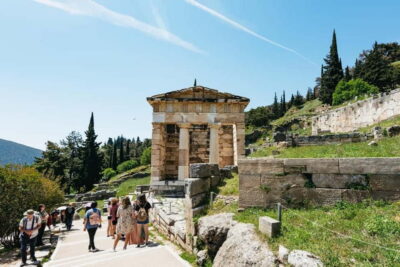
Mythology of Delphi, Museum and Arachova Guided Tour
Read our review →Acropolis, Parthenon & Acropolis Museum Guided Tour
Read our review →
Acropolis monuments & Parthenon Walking Tour with Optional Acropolis Museum
Read our review →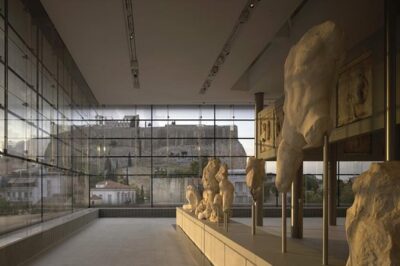
Athens All Included: Acropolis and Museum Guided Tour with Ticket
Read our review →
Combo: Acropolis & Acropolis Museum with Optional Tours
Read our review →
Acropolis Museum Ticket with optional Audio Guide
Read our review →Browse the lists this tour appears in