Reviewed · THINGS TO DO IN ATHENS
Biblical Tour Letters to The Corinthians – St Paul’s Footsteps
Paul’s route comes alive on one long day. This private St. Paul tour strings together big faith and big geography, starting at Areopagus Hill in Athens and then hitting Corinth’s coastal ports, ancient ship transport, and the places tied to Paul’s letters. You’re not stuck in a one-size schedule either, since you can shape the day around your interests and comfort level.
I especially love the Paul-focused route, where every stop connects to the early Christian story instead of just showing ruins. I also like how this runs as a true private outing, with pickup from your place and a comfortable vehicle like WiFi and bottled water along the way. One possible drawback: it’s a full circuit across several sites, so the day can feel fast if you love long, slow wandering.
In This Review
- Key things to know before you go
- A private, Paul-centered day from Athens
- Price and logistics that affect your value
- Areopagus Hill (Mars Hill): the Unknown God moment in Athens
- Corinth Canal and the Diolkos: engineering that shaped movement
- Isthmia and the Isthmian Games: why Paul fits here
- The Museum of Isthmia: artifacts that make the story physical
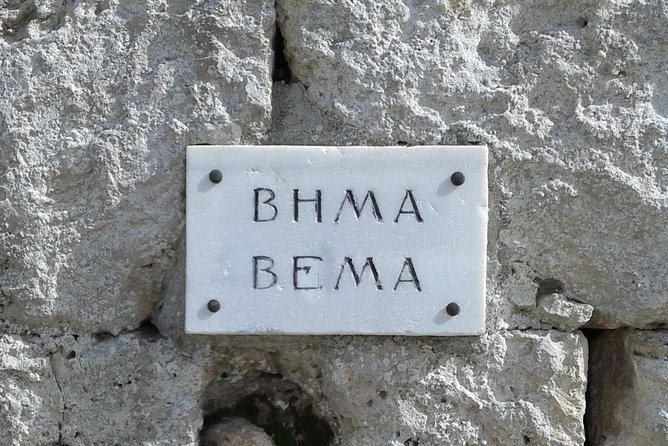
- Ancient Corinth and the Bema tied to Gallio
- Temple of Apollo and Kechreae (Cenchreae): idols, ports, and a lived faith
- Apostolou Pavlou Church and Akrokorinthos: modern faith meets ancient height
- Lunch by the sea and how to avoid a rushed day
- What makes the guides and driving style worth it
- Who should book this St. Paul footsteps tour
- Should you book this tour?
- FAQ
- How many people is this private tour for?
- Does the tour include pickup?
- Is the tour cost per person or per group?
- Are entrance fees included?
- How long is the tour and what key areas does it cover?
- Can I cancel and get a refund?
Key things to know before you go
- Areopagus Hill (Mars Hill): the Athens setting for Paul’s sermon about the Unknown God
- Corinth Canal and the Diolkos: the engineering story behind ancient ship travel
- Isthmia and the Isthmian Games: athletics, worship, and why Paul’s presence matters here
- Ancient Corinth’s Bema tied to Gallio: a major legal moment in Paul’s Corinth chapter
- Kenchreae (Cenchreae) and Apostolic sites: port life and early community clues
- Akrokorinthos views: a fortress climb that changes how you picture the whole region
A private, Paul-centered day from Athens
This is the kind of trip that helps you understand Paul as a real person moving through real places. You get the Athens connection first, with Areopagus Hill in the spotlight. Then the route shifts to Corinth and the Isthmus, where faith, travel, and commerce all overlap.
The private format matters. It is priced per group (up to 4), and you can choose a vehicle type that suits your comfort. You also get pickup from your place, which saves you the stress of figuring out transfers and meeting points on a time-heavy day.
On the practical side, you’re riding in an air-conditioned vehicle with bottled water and WiFi onboard. That might sound like standard stuff, but it helps on this route because the drive time between Athens and the Corinth area is real, and you’ll want to conserve energy for walking.
If you’re hoping for a leisurely stroll-and-coffee pace, I’d say plan to communicate early with your driver about how long you want at each stop. When the day is packed with meaning, it can still be paced well, but you have to set the tone.
More Things to Do in Athens
Price and logistics that affect your value
At about $386.18 per group (up to 4) for an approximately 8-hour day, the value depends on what you want out of the experience.
You’re not paying per person for a standard bus tour. You’re paying for private transportation, plus a driver who provides history-style commentary while you’re moving. If your goal is to do a Paul-and-Corinth route with less hassle and more flexibility, the price can feel fair.
Here is what you should budget separately:
- Entrance fees for Ancient Corinth and the Archaeological Museum of Isthmia: €15.00 per person (you can buy on-site)
- Lunch: not included in the cost, but the itinerary includes a lunch stop
- Optional upgrade: a licensed tour guide is available upon request depending on availability, but it is not automatically part of the package
One more logistics point that can shape your day: the driver is not a licensed guide inside the sites. They can still answer your questions and add context, but you may want to consider adding a licensed guide if you want deeper narration inside the archaeology.
Areopagus Hill (Mars Hill): the Unknown God moment in Athens
Your day starts at Areopagus Hill, also known as Mars Hill. This stop is short, about 20 minutes, but it’s one of the most important spiritual backdrops in the entire region. You are on sacred grounds of the Acropolis area, then you connect it to the moment Paul spoke to the council of Athenians.
What makes this stop worth your time is how it frames the rest of the day. You are not just “visiting Athens.” You’re planting the idea that Paul’s message traveled into the intellectual heart of the ancient world.
Practical tip: since the time is tight, have your questions ready. If you’re interested in how Paul adapted his message to different audiences, ask your driver to focus on that during the early part of the day, when everyone is fresh.
Corinth Canal and the Diolkos: engineering that shaped movement
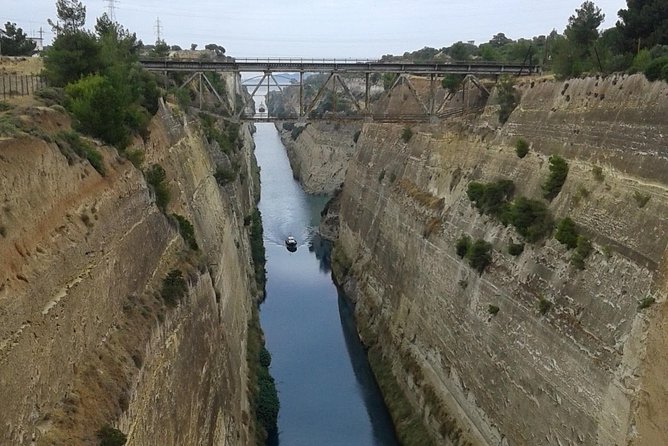
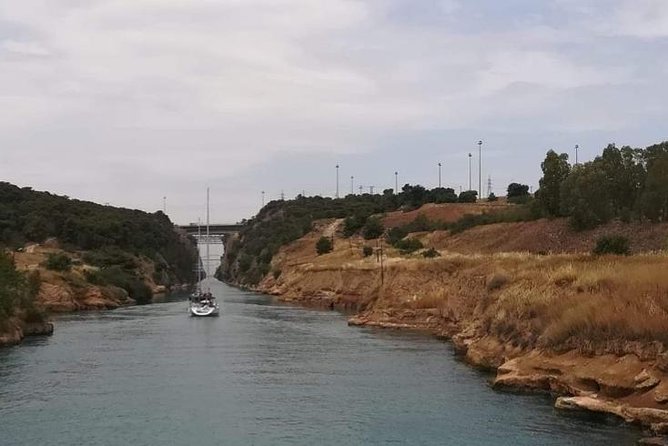
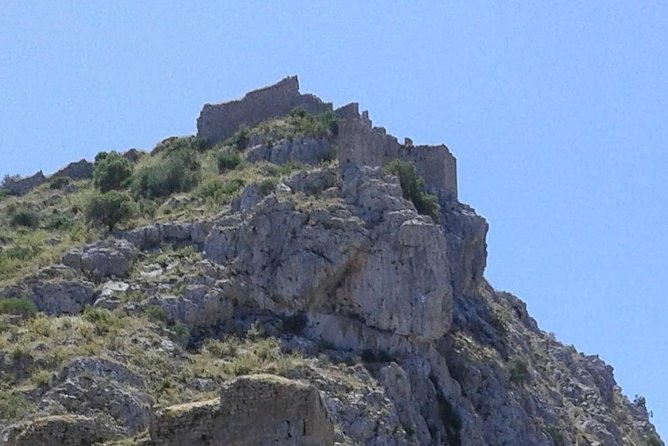
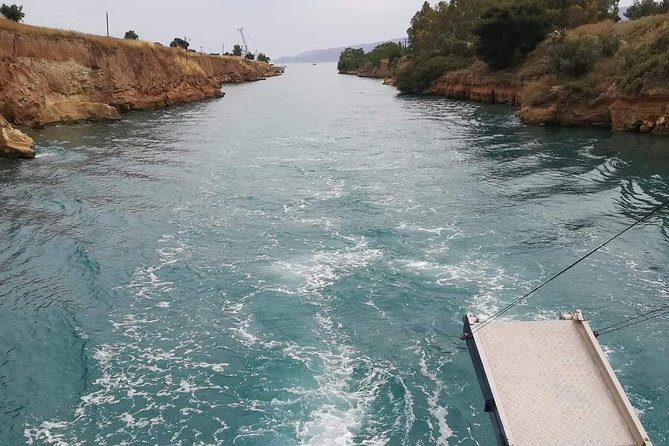
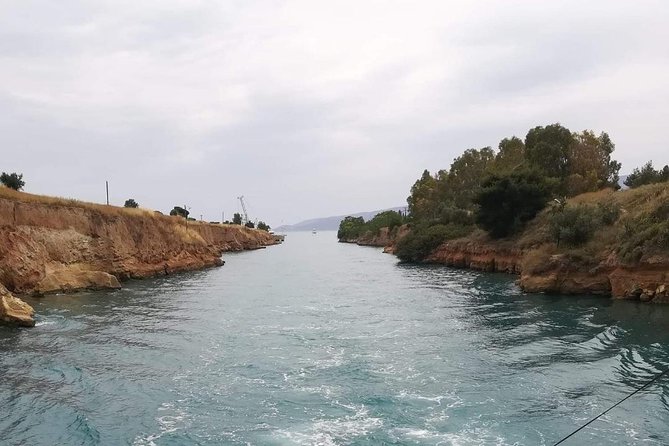
Next you head toward Corinth’s signature modern landmark, the Corinth Canal. It’s a 19th-century engineering marvel that separates mainland Greece from the Peloponnese by connecting the Gulf of Corinth with the Saronic Gulf. The interesting part is that the idea is ancient. It traces back more than 2,000 years to Periander, ruler of ancient Corinth, who envisioned a shortcut for ships.
Then comes the Diolkos, an ancient ship-transport system that runs the same theme in a different era. Instead of sailing around the Peloponnese, ships could be transported across the Isthmus. Even with just 20 minutes here, you get a vivid sense of how roads of water made cities possible.
If you care about Paul’s context, these stops matter because they explain why people, goods, and ideas moved through this region so intensely. Corinth was not isolated. It was a hinge.
Practical tip: bring a layer. Coastal and canal areas can feel cooler even when Athens feels warm.
Isthmia and the Isthmian Games: why Paul fits here
Isthmia is one of the most meaningful stops on the whole day, because it combines worship, sports, and the type of crowd Paul would have encountered.
You’ll spend about an hour exploring this ancient sanctuary area, with the Temple of Poseidon as a key focal point. The Isthmian Games were the second most significant athletic competition of the ancient Greek world after the Olympics. Held in honor of Poseidon, they attracted athletes and spectators from across the Greek world.
Here’s the Paul connection: it’s believed Paul worked as a tentmaker in the region, and he likely used the games as an opportunity to share the message of Christ with traveling crowds. That makes this feel less like a “Bible museum stop” and more like imagining Paul doing what he did best, meeting people where they already gathered.
Your time here also connects to spiritual contrast. Poseidon worship and Christian preaching sit side by side in the same landscapes.
A note on pacing: the Isthmia portion includes multiple elements beyond just the temple and stadium area, including additional archaeology and viewpoints connected to worship and cultural events during the games. This can be wonderful if you like layered context, but you should keep your expectations realistic. It’s not just one single “quick look.”
One cove over in Athens:
- The Acropolis, Parthenon & Acropolis Museum Guided Tour
★ 4.7 · 8,493 reviews - Athens: Cape Sounion & Poseidon Temple Sunset Half-Day Trip
★ 4.8 · 8,241 reviews - Acropolis: Premium Acropolis and Parthenon Guided Tour
★ 4.8 · 5,208 reviews - Athens: Mythology of Delphi, Museum and Arachova Guided Tour
★ 4.7 · 5,102 reviews
The Museum of Isthmia: artifacts that make the story physical
After the on-site archaeology, you visit the Archaeological Museum of Isthmia, roughly 30 minutes. The entrance fee is not included, so plan on paying the €15.00 per person.
This museum is where the day gets more tangible. Artifacts tie directly to the sanctuary of Poseidon and the world around the games. The story becomes more specific too, including finds like glass panels from Kenchreai, the port area tied to Paul’s departures.
If you like history with details, this is the stop that often rewards it. It gives you a chance to see objects connected to the places Paul’s world depended on: worship spaces, daily life, and the movement of people through ports and festivals.
Practical tip: museum time is limited, so don’t try to read everything. Pick the most relevant pieces to what you want to remember, and let the rest stay as background.
Ancient Corinth and the Bema tied to Gallio
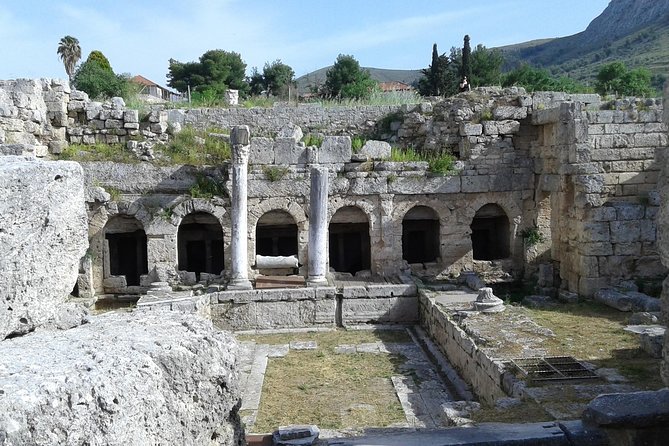
When you get to Ancient Corinth, you step into one of the most important cities for early Christianity. You’ll have about an hour at the site, and entrance is not included in the tour price.
The big Paul facts you’ll likely connect on-site:
- Paul lived and preached here for over 18 months (as recorded in Acts)
- His letters to the Corinthians are central New Testament texts, written to address challenges in the early community
- You’ll see the Bema, the judgment seat where Paul likely stood before Roman proconsul Gallio
That last point is what turns Ancient Corinth from ruins into a story with momentum. Paul’s encounter with Roman authority becomes a turning point. Gallio dismissed the case, which allowed Paul to keep preaching in Corinth without Roman interference.
Practical tip: stand on the Bema area, then look around. Try to picture where people could gather and how crowds might form during a public dispute. The more you imagine the human setting, the more you’ll get out of the archaeology.
Temple of Apollo and Kechreae (Cenchreae): idols, ports, and a lived faith
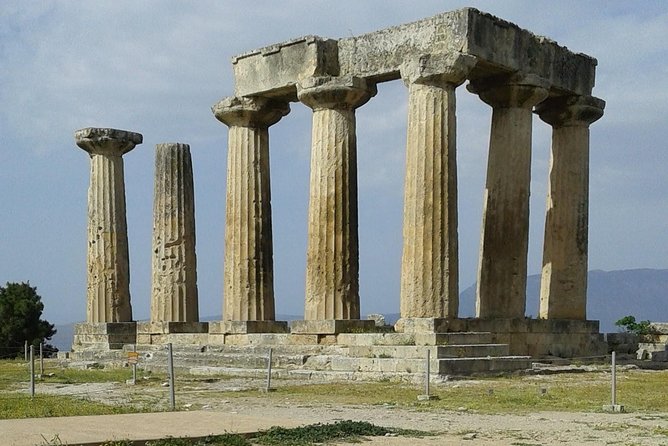
After Ancient Corinth’s main focus, you’ll visit the Temple of Apollo, around 30 minutes. It’s one of Greece’s oldest and most significant temples, built around 560 BC, with monolithic limestone columns still standing. Apollo was tied to music, prophecy, and light, so it’s a fitting marker for the religious atmosphere Paul was confronting.
From there, you move to Kechreae, the ancient port area of Corinth, also known as Cenchreae, for about 30 minutes. This is a quieter, coastal-feeling stop, and it adds a different angle to Paul’s story.
The Paul connection is direct in scripture references you’ll likely connect to here:
- Paul stopped here during his second missionary journey (Acts 18:18)
- Before departing for Syria with Priscilla and Aquila, Paul cut his hair to fulfill a vow, likely a Nazirite vow
- Cenchreae also housed one of the earliest Christian communities
- Paul commends Phoebe, described as a respected servant (diakonos) of the church in Cenchreae (Romans)
This port stop is valuable because it reminds you the early church wasn’t only built in big city centers. It also took root through travel routes and local communities connected to the sea.
Practical tip: if it’s sunny, bring sunglasses. Coastal light can make stone surfaces look brighter than they are.
Apostolou Pavlou Church and Akrokorinthos: modern faith meets ancient height
You’ll also visit Apostolou Pavlou, a church honoring Paul and marking the area tied to his time in Corinth. This stop is about 20 minutes and stays in the realm of reflection. It helps you connect the biblical timeline to a living Christian presence in modern Corinth.
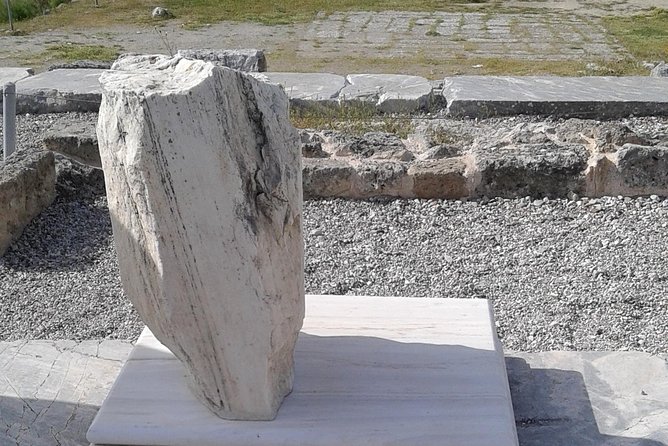
Then comes Akrokorinthos, the fortress above Ancient Corinth, with about 40 minutes for the visit. This is not just a “lookout.” It changes how you understand the city’s power and reach. From up high, you can see the geography that shaped movement between mainland Greece and the Peloponnese.
Why this matters on a Paul tour: when you picture Paul moving through Corinth, you need to understand what people could see, where the city’s defense and identity lived, and how an apostle might have looked out over a world full of routes and rival belief systems.
If you dislike climbs or long uneven paths, go slow and plan your energy. Akrokorinthos is where your comfort level matters most.
Lunch by the sea and how to avoid a rushed day
The itinerary includes time for lunch at a traditional seaside Greek taverna, about an hour. Lunch is not included, but this slot is built into the day for a reason: it keeps the energy up before the final viewpoints and connections.
Here’s the main pacing advice I’d give you. This trip is designed to fit multiple sites into one day, and that can be a thrill if you like “see it all” structure. If you prefer lingering, speak up early. Ask your driver to adjust the pace after each stop, not at the end when you are already tired.
Also, since drivers provide commentary but do not enter sites with you as a licensed guide would, you’ll get the best experience if you choose a couple of “anchor questions” you want answered across the day, rather than trying to absorb everything passively.
What makes the guides and driving style worth it
One of the most praised parts of this kind of day trip is the storytelling tone from the person behind the wheel.
You may get different driver personalities depending on your date, but names like Michael, Kostas, Spyros, and Constantine come up often in the context of being professional, helpful, and good at making Corinth feel real. Some experiences also mention a licensed guide such as Pantelis, plus guides like Alex and Vicky who bring both history and Bible connections into focus.
Here’s the value for you: your driver can time the day better than a scripted group bus. They can also flex the route if you already saw certain landmarks in Athens, saving minutes for places you have not yet visited.
Who should book this St. Paul footsteps tour
This tour is a strong fit if you:
- Want a Christian history day trip that connects Paul to specific landscapes
- Prefer a private group format over bus logistics
- Like practical explanations while you travel between sites
- Are comfortable with an active day that mixes short site visits with a few longer stops
It may be less ideal if you:
- Want lots of free time for slow independent wandering at every stop
- Need a licensed guide inside every site as a non-negotiable (since the driver is not automatically a licensed guide at the monuments)
If you’re traveling with family or a small group, the up-to-4 pricing makes it easier to split costs and keep everyone together.
Should you book this tour?
Yes, I think this is worth booking if you want a well-connected day of Paul, Corinth, and the places behind 1 and 2 Corinthians, without spending half your trip figuring out transportation. The private format, pickup convenience, and the focus on meaningful stops like Areopagus Hill, Isthmia, Ancient Corinth, and Akrokorinthos make it a solid day of pilgrimage-style sightseeing.
Book with confidence if you are ready for a full circuit and you are willing to ask your driver to pace the day around you. If you know you hate feeling rushed, plan to communicate that right from the start and consider requesting a licensed guide upgrade if you want deeper commentary inside the archaeological sites.
FAQ
How many people is this private tour for?
This is a private tour for only your group, sized up to 4 people.
Does the tour include pickup?
Yes, pickup is offered, and the tour is arranged to pick you up from your place.
Is the tour cost per person or per group?
The price is listed as $386.18 per group (up to 4).
Are entrance fees included?
Entrance fees for Ancient Corinth and the Archaeological Museum of Corinth are not included. The tour notes a cost of €15.00 per person for those sites, available to purchase on-site.
How long is the tour and what key areas does it cover?
The duration is about 8 hours. You’ll visit places tied to Paul including Areopagus Hill in Athens, Corinth Canal, Isthmia, Ancient Corinth, Kechreae, Apostolou Pavlou, and Akrokorinthos, plus a lunch stop.
Can I cancel and get a refund?
Yes, you can cancel for free up to 24 hours in advance for a full refund. If you cancel less than 24 hours before the start time, the amount paid is not refunded.
New pins on the Athens chart
- Shore Excursion: Acropolis, Athens City tour and The New Acropolis Museum★ 4.5 · 30 reviews
- Private Luxury Tour: Marathon – Battle & Run That Changed History★ 5.0 · 30 reviews
- 2 Day Private Tour Of Delphi, Thermopylae & Meteora From Athens★ 5.0 · 30 reviews
- Athens Airport – Athens Center Private Transfer★ 4.0 · 30 reviews
- From Athens: Ancient Corinth Half-Day Private Tour★ 4.8 · 30 reviews
- Private City Kickstart Tour: Hidden Districts★ 5.0 · 30 reviews
Things to Do in Athens, compared.
Acropolis & up to 5 Archaeological Sites Combo Pass
Read our review →
Acropolis Ticket with Optional Audio or Live Guide
Read our review →
Acropolis, Parthenon & Acropolis Museum Guided Tour
Read our review →
The Acropolis, Parthenon & Acropolis Museum Guided Tour
Read our review →
Cape Sounion & Poseidon Temple Sunset Half-Day Trip
Read our review →
Mythology of Delphi, Museum and Arachova Guided Tour
Read our review →