Reviewed · TOURS
Crete: Lassithi Plateau & Kera Monastery Tour with Ceramics
Windmills and monastery icons, one long day. This guided bus tour stitches together the Dikti Mountains, Kera Kardiotissa and real village life on the Lassithi Plateau. You get big Crete scenery, plus a day that feels myth-connected and hands-on, not just drive-by sightseeing.
I especially loved two parts: the calm, historic stop at Panagia Kera Kardiotissa Monastery, with its 14th-century frescoes and the miraculous Virgin Mary icon. And I liked the pottery-focused moment in Psychro and nearby workshops, where the ceramics feel practical, local, and worth carrying home.
The main drawback is physical. There’s walking on uneven ground, and this trip is not suitable for mobility impairments, plus mountain roads and schedules can mean you move at a steady pace for hours.
In This Review
- Key things I’d plan around before you go
- Getting from Heraklion to the Dikti Mountains, and why timing matters
- Panagia Kera Kardiotissa Monastery: frescoes, the icon, and mountain stillness
- From Psychro to Zeus mythology: where the day gets myth-flavored
- Lassithi Plateau windmills and the Venetian ditches you can actually spot
- Stopping for crafts and hands-on pottery near Psychro
- Tzermiado: the plateau’s capital and your real lunch payoff
- Transport, group rhythm, and what comfort looks like on day tours
- Is it good value for about $44 per person?
- Who should book this Lassithi Plateau and Kera Monastery day?
- Should you book this Crete day trip?
- FAQ
- How long is the tour?
- Are pickup and drop-off included, and where do they happen?
- Is the entrance to Panagia Kera Kardiotissa Monastery included?
- Is lunch included?
- What should I bring?
- Is the tour suitable for people with mobility impairments?
Key things I’d plan around before you go
- Panagia Kera Kardiotissa Monastery: nun-run setting, frescoes, and the famous Virgin Mary icon.
- Psychro and the Zeus connection: stop in the village tied to Zeus birthplace myths.
- Ceramics workshop time: watch traditional pottery methods and buy or make souvenirs.
- Lassithi windmill views: iconic 10,000 windmills, plus Venetian ditches, seen from the road.
- Tzermiado lunch break: capital village of the plateau area, with mountain-tavern food.
- A long day with mountain driving: air-conditioned coach, but expect time on winding roads.
Getting from Heraklion to the Dikti Mountains, and why timing matters
This is a 10-hour day, and the schedule feels like what it is: a full loop from Heraklion area up into the mountains. Crete does not have highways like you might expect elsewhere on the Mediterranean, so the coach spends more time on winding roads, and traffic can add minutes during pickup.
Pickup is spread across a lot of northern-coast areas, with meeting points on the main road and some hotel-exit pickups in places like Malia, Stalis, Hersonissos, Analipsi, Anissaras, Gouves, Gournes, Kokkini Hani, Karteros, Heraklion, plus spots around Ammoudara Beach and the Heraklion district. Practically, that means you should build in buffer if you’re aiming to catch the coach from your exact hotel door.
Good news: you’re on a modern, air-conditioned bus with an experienced driver, which helps a lot when the route turns into hairpin bends. If you’re prone to motion sickness, bring what usually works for you, because the route is mountainous and you’ll be riding for a long time.
Panagia Kera Kardiotissa Monastery: frescoes, the icon, and mountain stillness
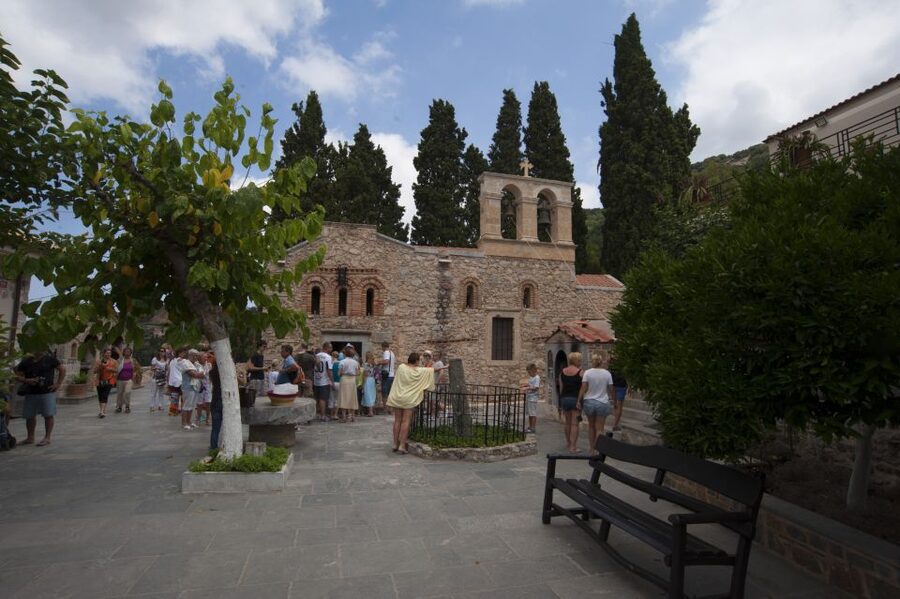
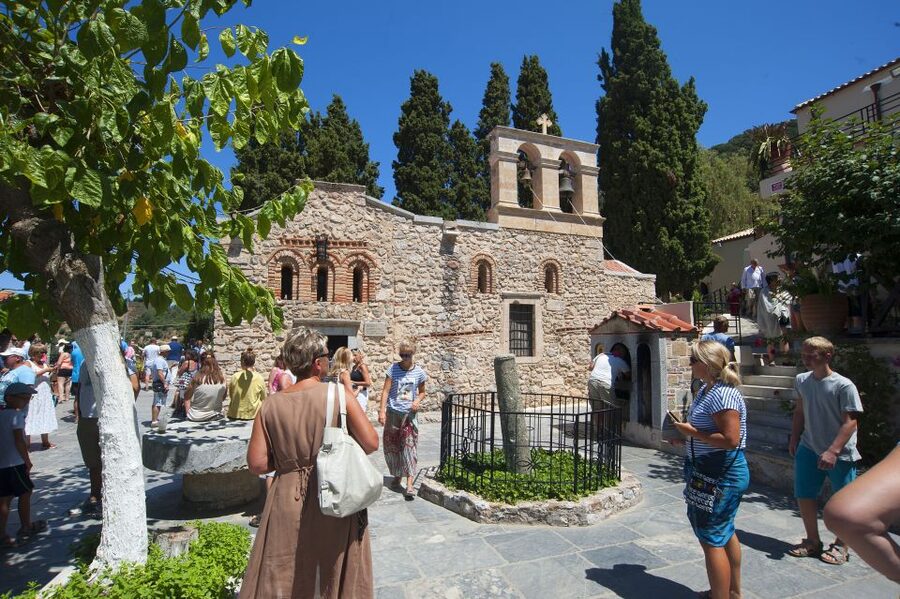
One of the day’s best contrasts is how quickly things shift from busy coastal life to monastery quiet. Your first big cultural stop is Panagia Kera Kardiotissa Monastery, known for a beautiful setting and for being run by nuns.
What makes this stop more than just a photo moment is the visual detail. You’ll be able to see the miraculous icon of the Virgin Mary and frescoes and icons that date back to the 14th century. Even if you don’t read every inscription, the age and craft are what hit you. The monastery also sits with excellent views, so the setting does half the work for you.
Practical note: the entrance fee for the Kera monastery is not included, so you’ll want some cash on you. Wear comfortable shoes too. Even when you’re not climbing, monastery areas can be uneven, and you’ll likely walk a bit around the grounds.
Also, keep your tone respectful. This is a functioning religious place, so go slow, watch your volume, and give people space.
From Psychro to Zeus mythology: where the day gets myth-flavored
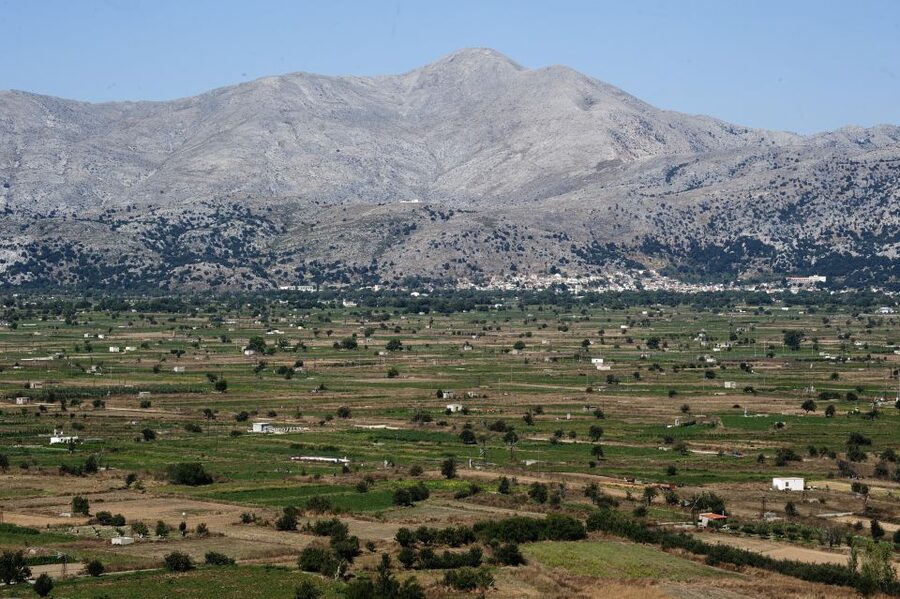
Next, the tour heads toward the Lasithi Plateau region via Psychro, a village connected to the birthplace of Zeus in the popular myths of Crete. Psychro is also known for handmade ceramics, so it’s a natural bridge between story and craft.
This is where the tour starts to feel different from typical “mountain drive plus viewpoint.” You’re not just looking outward. You’re learning what people here make and why the place matters in the myth geography of the island.
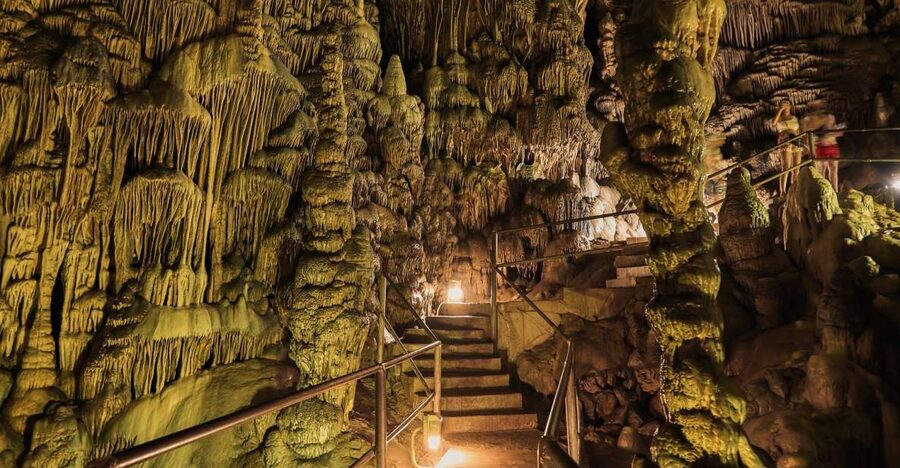
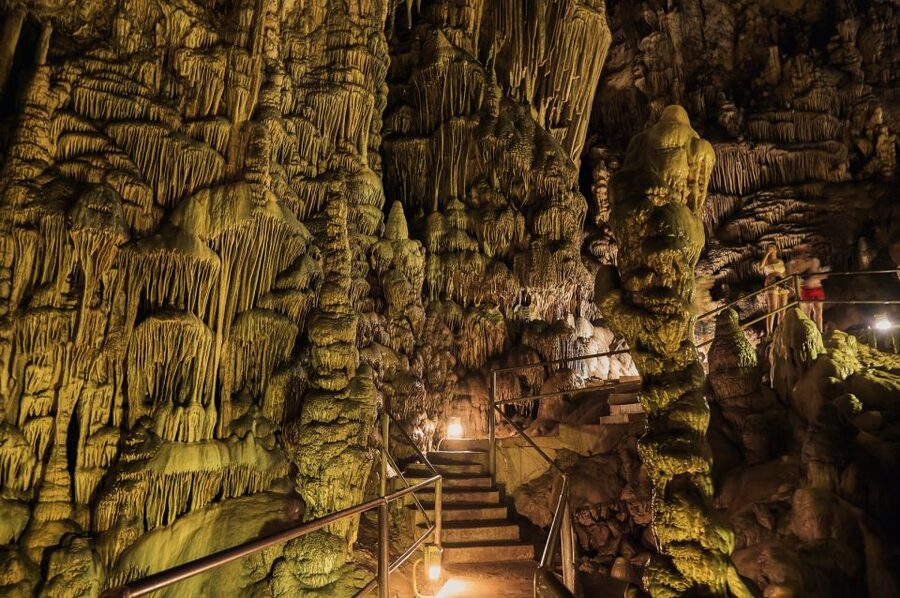
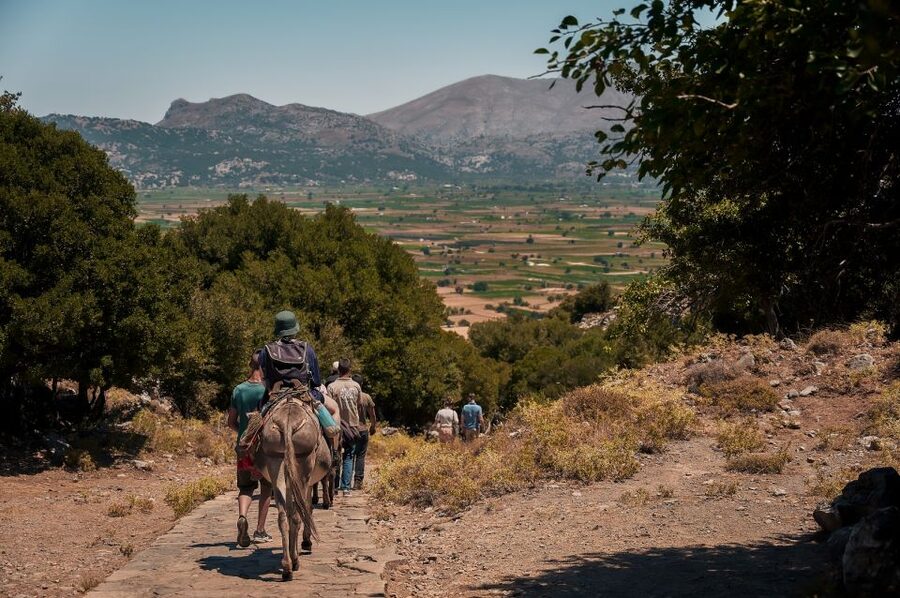
For some departures, there is also time to visit the area linked with Diktaion Cave, a famous Zeus-associated cave in the broader Lassithi region. Based on how the stop is described by participants, reaching the cave can involve a steep path and steps from the parking area, with the walk taking around 15 minutes if you move quickly. If you’d rather not climb, there may be a donkey option for a fee (reported as €10 each way).
If you do the cave route, go in with realistic expectations. It’s worth it, but it’s not a casual stroll. Bring water if allowed, and pace yourself. Heat can make steep paths feel longer than they look on a map.
One more practical tip: cave entry rules can be specific. You might be able to get free entry for certain European citizens (for example, if you’re under 25, over 65, or traveling as a child) with a valid ID, but check current rules on arrival since policies can change.
Lassithi Plateau windmills and the Venetian ditches you can actually spot
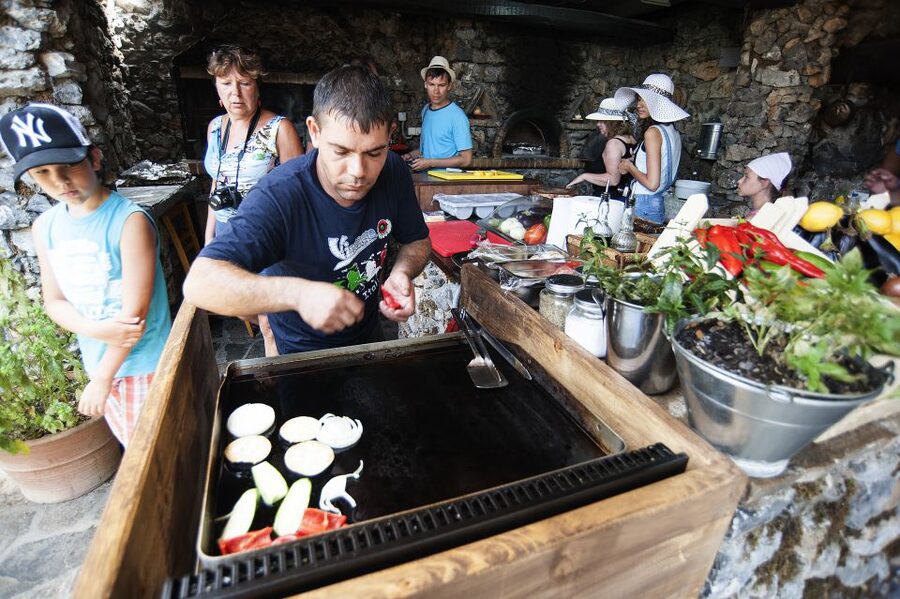
Now you’re in the plateau area itself. The Lassithi Plateau is one of the rare places in the Mediterranean where people live at altitude, over 800 meters. The Dikti Mountains frame the plateau, and the scenery shifts into wide-open air and village clusters.
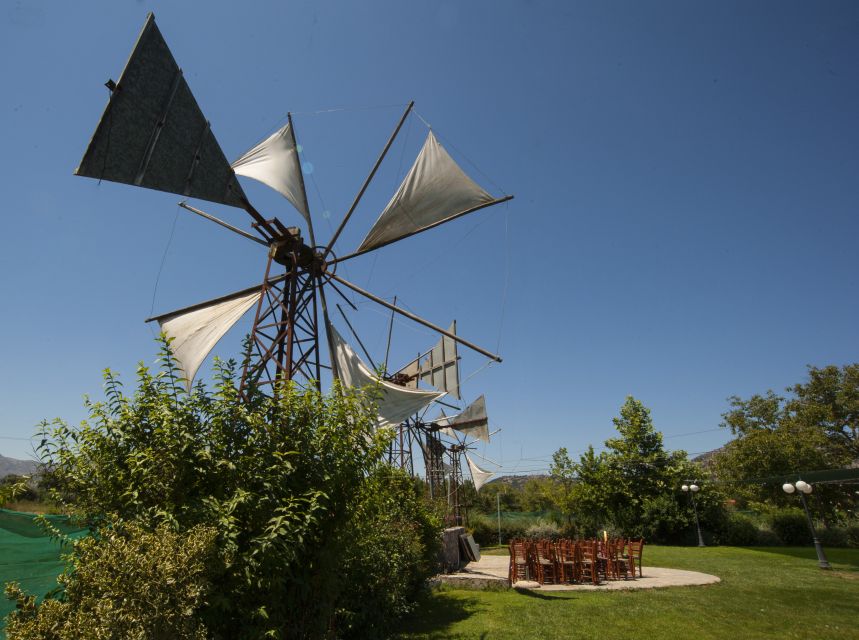
This is where you’ll see the famous windmill story. Lassithi is tied to the image of 10,000 windmills, and you’ll also hear about Venetian ditches, the irrigation and water-control systems used to manage plateau life. What’s smart here is how you’re shown these features: you’re not expected to hike long distances just to understand the place.
There is a catch for the “perfect windmill photo.” At the peak where you’d normally want to hop out for photos of older windmill structures, the bus cannot stop. The workaround is that the coach moves slowly and you get a chance to take pictures from the road. So plan your phone camera stance early, not at the last second.
If you’re the type who loves small details, watch the lines and cuts of the drainage channels. Once you connect those ditches to the plateau’s agriculture and water management, the windmill legend makes more sense.
Also, the plateau is dotted with villages. Even though you don’t have hours inside every community, you get enough glimpses to feel how life works here: fields, stone, and people living in a high-altitude rhythm.
Stopping for crafts and hands-on pottery near Psychro
One of the more memorable elements of this day is the craft stop tied to Psychro and nearby workshops. The plateau area is famous for handmade ceramics, and the workshop is designed to show you how that tradition stays alive.
What I like about a pottery stop is that it gives you something tactile to remember. You’re not leaving with another generic magnet. You’re learning techniques and buying pieces that feel linked to place and time.
Depending on the workshop that day, you might see traditional pottery forming and firing steps. Some participants also describe having the chance to make a small vase to air-dry, which is a great way to bring home a story, not just an object. If you’re hoping for hands-on time, ask early and watch what the guide suggests.
Bring cash for purchases. You’ll likely find that the best souvenirs here come from people you can see working, not from mass-produced stalls.
Tzermiado: the plateau’s capital and your real lunch payoff
After the scenic and craft moments, you reach Tzermiado, described as the capital of the villages on the plateau. It’s a natural place to pause, stretch your legs, and take in the plateau views.
This is also where lunch becomes a highlight for a lot of people, because it’s connected to local ingredients. The plateau is known for vegetables, and the meals tend to reflect what grows there. If you’re curious about Crete beyond beach tavernas, this is the side of the island where food tastes like daily life.
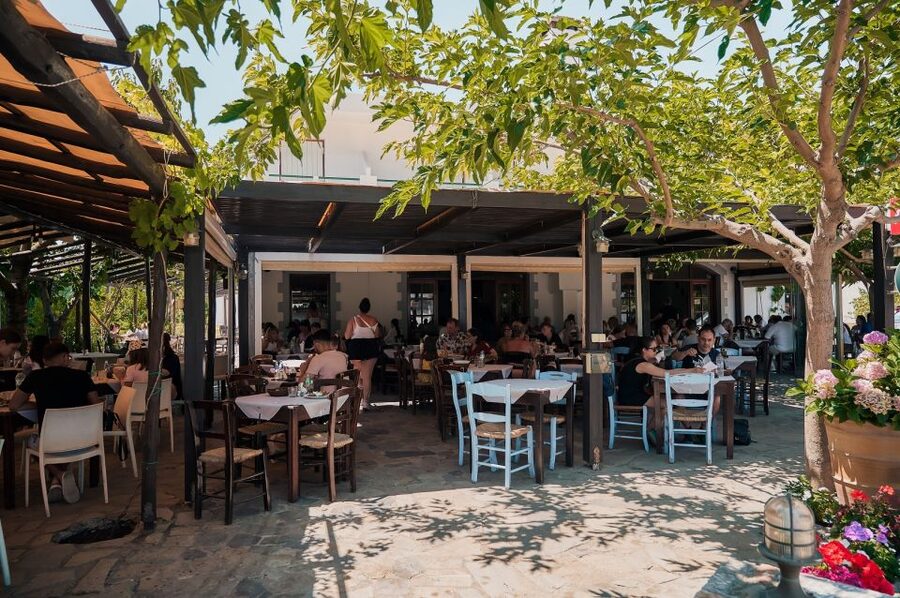
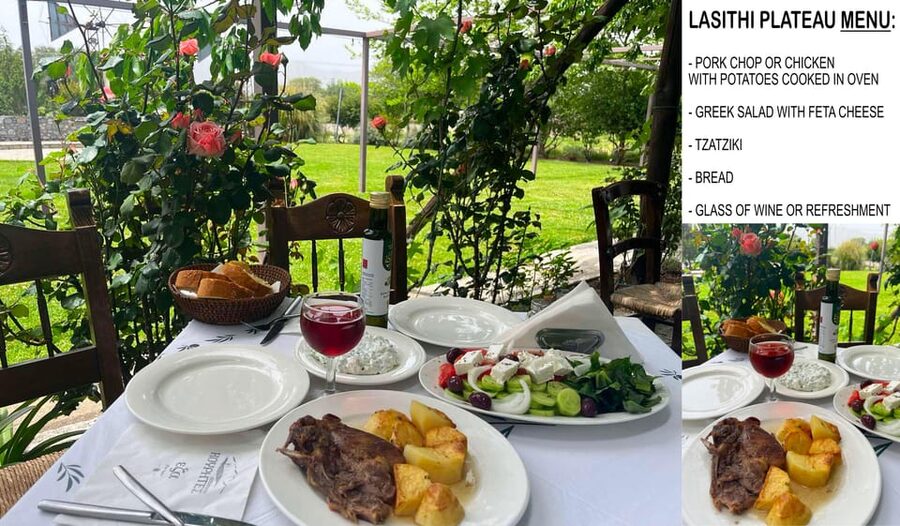
Lunch is typically at a local tavern or family-run restaurant. The tour can include a preorder option for a specific menu, described as a traditional mountain-style plate: pork chop or chicken with oven potatoes, Greek salad with feta, tzatziki, bread, and a glass of wine or a non-alcoholic drink. The optional menu is listed at 14 Euro, and the guide will manage ordering so the group can eat without chaos.
One practical drawback to keep in mind: it’s easy for a lunch stop to feel like a forced sit-down. If you’re someone who likes choosing your own place and browsing menus, this format can feel limiting. Still, the tradeoff is convenience and the chance to eat “plateau-style” food without having to plan anything yourself.
Transport, group rhythm, and what comfort looks like on day tours
A 10-hour bus tour is not designed for slow pacing. Even when the guide builds in breaks, the day still moves like a schedule: monastery, plateau area, craft time, lunch, then the trip back.
The biggest comfort win is that the bus is air-conditioned, and the driving is handled carefully on steep mountain roads. That said, this tour is not suitable for mobility impairments, so if you or someone in your group needs accessibility accommodations, you’ll want to choose a different Crete plan.
What you can control is your own preparation. Wear comfortable shoes with good grip. You’ll be on stone or outdoor surfaces, and even a short walk can feel longer in the heat.
Also bring cash. Aside from monastery entrance fees and any snack stops, the ceramics shop can tempt you, and you’ll want to buy without scrambling.
Is it good value for about $44 per person?
At $44 per person, the value mostly comes from what you’re paying for: round-trip transportation on a modern air-conditioned coach, a guide, liability insurance, taxes and fees, and pick-up and drop-off from the main road in multiple areas.
What’s not included matters for your budget. The Kera monastery entrance is not included, and lunch and drinks are not included by default. There’s an optional Lassithi Plateau lunch menu for 14 Euro with a set meal. So if you plan to eat the included-style menu, budget closer to the $44 plus the lunch option and any entrance fees.
If you’re coming from Heraklion or the north-coast beach strip, this is a cost-effective way to reach high-altitude sights without renting a car and fighting road time. It’s also a value play for people who want a guided explanation of myths, water management, and local craft, without having to piece together a route from scratch.
Who should book this Lassithi Plateau and Kera Monastery day?
This tour fits you best if you want a single-day hit of classic Crete ingredients: monastery art, myth-linked stops, plateau village scenery, and at least one craft activity that results in a real souvenir.
It’s also a strong choice if you’re traveling without a car and you like structure. Pickup and drop-off make the day much less stressful, especially when Crete driving time can be unpredictable due to slower road networks.
You should skip or rethink it if:
- you have mobility limitations and need an accessible schedule
- you dislike steep walks, because some stops in the Zeus-area region may involve uphill paths and steps
- you want total freedom to choose where and what you eat, since lunch is organized and usually tied to a set option
Should you book this Crete day trip?
I’d book it if you’re excited by the combination of Kera Kardiotissa Monastery and the Lassithi Plateau villages, and especially if you like myths plus craft. The monastery stop is calm and visually rewarding, and the ceramics element turns the day from sightseeing into something you can carry home.
I’d think twice if you’re expecting a relaxed, low-walking outing or if accessibility is a concern. This is a full mountain day with real movement and real time on the bus.
If you’re planning to be based in Heraklion, Malia, or the north-coast beach area and you want a meaningful change of scenery without driving, this is a smart way to spend a day.
FAQ
How long is the tour?
The tour lasts 10 hours.
Are pickup and drop-off included, and where do they happen?
Yes. Pickup and drop-off are included from the main road, and in some areas also partly from hotel exits. Pickup areas include spots such as Malia, Stalis, Hersonissos, Analipsi, Anissaras, Gouves, Gournes, Kokkini Hani, Karteros, Heraklion, and areas around Ammoudara Beach, with drop-off in nearby locations like Ammoudara, Anissaras, Analipsi, Karteros, Gouves, Heraklion, Kokkini Hani, Malia, and Stalida.
Is the entrance to Panagia Kera Kardiotissa Monastery included?
No. Entrance to the Kera monastery is not included.
Is lunch included?
Lunch and drinks are not included. There is an optional Lassithi Plateau menu for 14 Euro, with a set meal that includes pork chop or chicken with oven potatoes, Greek salad with feta, tzatziki, bread, and a glass of wine or a non-alcoholic drink.
What should I bring?
Bring comfortable shoes and cash.
Is the tour suitable for people with mobility impairments?
No. The tour is not suitable for people with mobility impairments.
Tours, compared.
Acropolis, Parthenon & Acropolis Museum Guided Tour
Read our review →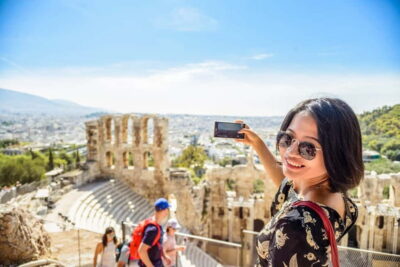
The Acropolis, Parthenon & Acropolis Museum Guided Tour
Read our review →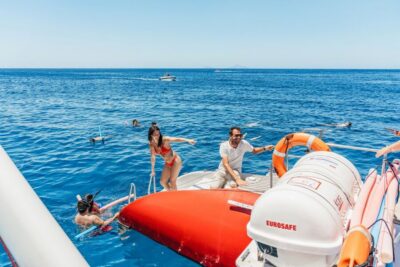
Catamaran Tour with BBQ Dinner, Drinks, and Music
Read our review →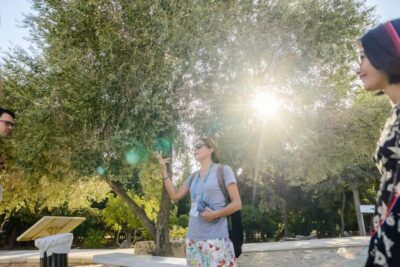
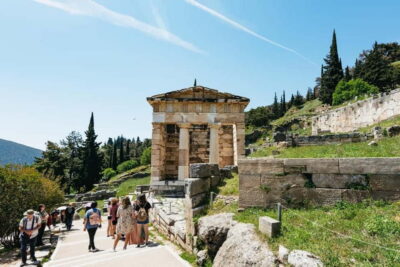
Mythology of Delphi, Museum and Arachova Guided Tour
Read our review →
Acropolis and Parthenon Guided Walking Tour
Read our review →