

Reviewed · MUSEUMS
From Thessaloniki: Aigai Royal Tombs & Pella Museum Day Trip
Gold, tombs, and Macedonia in one day.
This small-group trip links Vergina (Aigai) and Pella, so you get the royal burial story and the daily-life city plan back to back, with a friendly English-speaking driver-assistant. I also like the private hotel pickup across Thessaloniki, because it saves you from buses and timing stress.
My favorite part is the way the guide experience turns museum time into an actual narrative. You’ll hear the connection between Philip II, Alexander the Great’s world, and the artifacts you can actually see, including the famous finds from Philip’s tomb.
One thing to consider: your time on site can feel a bit tight if you’re a slow walker or you want to read everything. In practical terms, you’ll want to move with purpose, especially at Pella where the museum has several floors.
In This Review
- Key things to know before you go
- Why Vergina and Pella make sense together
- Private pickup in Thessaloniki, and how the day really flows
- Entering the Museum of the Royal Tombs of Aigai in Vergina
- Tomb time plus museum time: how not to miss the important stuff
- Pella Archaeological Museum: turning capital life into something concrete
- Archaeological Site of Pella ruins: short walk, big payoff
- Time on the ground: what 5 hours really means
- Price and value: what you’re paying for, and what you’ll add
- Who this trip fits best
- Should you book this Thessaloniki day trip?
- FAQ
- How long is the day trip?
- Where does pickup happen?
- What sites are included?
- Is lunch included?
- Are museum entrance fees included in the tour price?
- What is included in the price besides transport?
- How big is the group?
- What language is used during the tour?
- Is the tour wheelchair accessible?
- What is the cancellation policy?
- Can I reserve without paying today?
Key things to know before you go
- Private pickup in Thessaloniki means door-to-door convenience, not a street-corner meet.
- Vergina’s subterranean tomb setting helps you understand why these spaces were built underground.
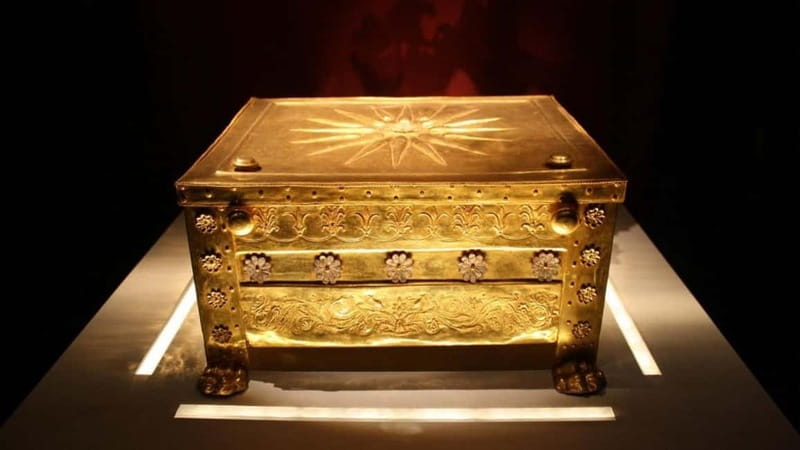
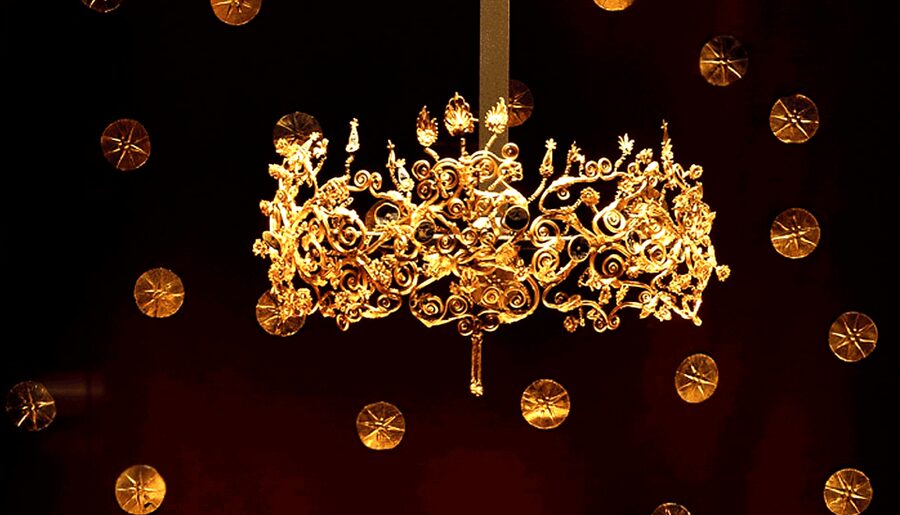
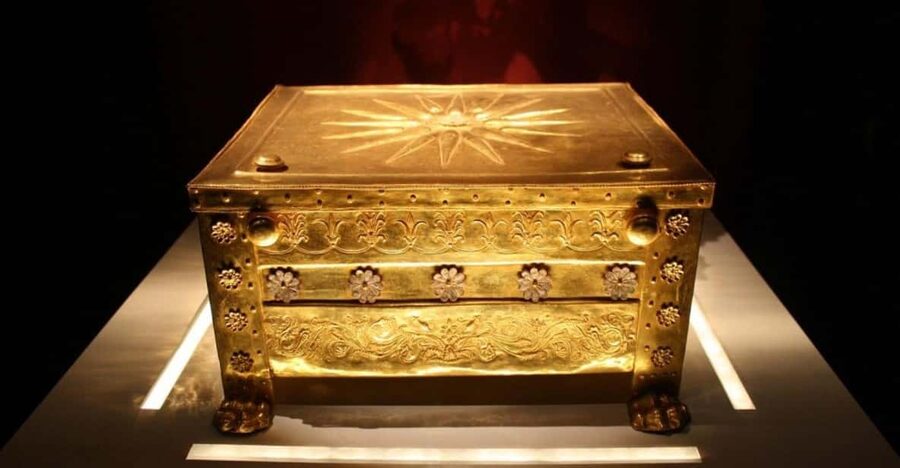
- Philip II artifacts include gold diadems and a gold-and-ivory shield, plus the story of the golden chest.
- Pella museum + ruins pairing lets you connect objects to real city layout and everyday life.
- Small group size (up to 8) keeps questions from getting lost in the crowd.
- Road delays can happen, and the guide typically adjusts routing to keep the day moving.
Why Vergina and Pella make sense together

If you care about ancient Macedonia, this is a smart combo day. Vergina (Aigai) gives you the royal “power center” story, while Pella shows the political capital and the kind of streets, buildings, and spaces people moved through.
You’re also getting a clear timeline in one loop. Aigai was the first capital of Ancient Macedonia, and when the capital shifted to Pella around 400 BC, the focus of royal life moved with it. That context helps you see the tomb artifacts and the city remains as two sides of the same world.
More marble under museum roofs:

Private pickup in Thessaloniki, and how the day really flows
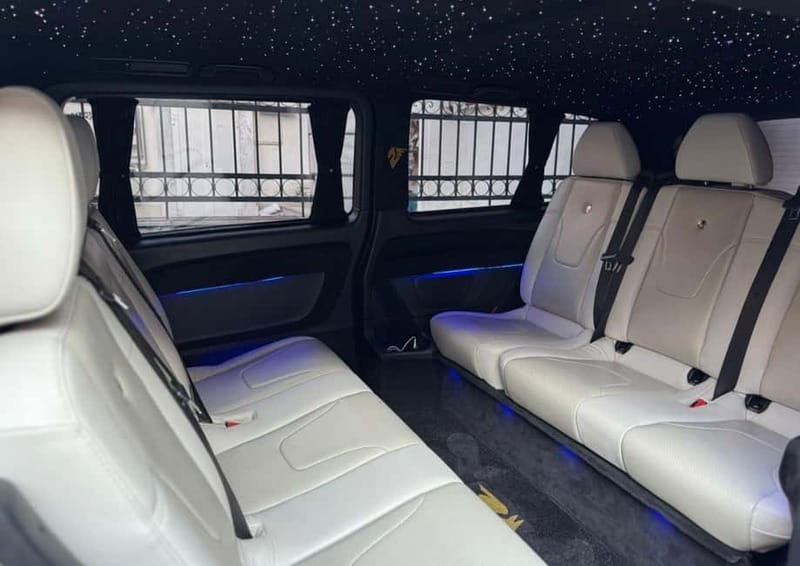
This is designed as a true day trip. You get a private car or van pickup from any location in Thessaloniki, then you head out on the route toward Vergina, with an English-speaking driver-assistant who meets you and keeps the story moving on the way.
In a perfect world, you’ll have smooth driving and clear museum time blocks. In the real world, you should expect occasional delays from road issues and closures, with rerouting used to get you there. That happened on one recent run, and the guide managed the schedule with adjustments, keeping total delay to under a couple hours.
The practical takeaway is simple: wear comfortable walking shoes and keep your expectations flexible. If you arrive a little later than planned, you’ll still get both locations, but you may need to be selective about what you linger over.
Entering the Museum of the Royal Tombs of Aigai in Vergina
The Vergina stop is where the trip gets dramatic. The area that became famous in 1977 to 1978 is linked to the discovery of the Royal Tombs by Andronicos, a prominent Greek archaeologist. The site is associated with Aigai, the old capital, and it’s widely connected to the burial traditions of Macedonian kings.
You’ll spend about 80 minutes at Aigai. That usually sounds like plenty until you realize you’re not just walking hallways. You’re seeing a museum built around specific tomb context, and there’s time involved in understanding the subterranean space and how it’s presented.
What you’ll experience is a guided walk into the subterranean structure, where the guide helps you connect the objects to the burial setting. Even if you’re not an archaeology expert, the guide makes the artifacts feel like part of a single scene, not a random assortment.
Here’s the kind of detail you should expect to hear while you’re there. You’ll view major finds associated with Philip II, including a shield with ivory and gold, a gold-trimmed iron breast plate, gold diadems, the Golden Wreath of oak leaves, a gold-plated collar, and Silver Burial Ums.
Then the story becomes even more specific. Inside Philip’s tomb, a golden chest was discovered containing the king’s bones, with the bones described as washed with wine and wrapped in purple cloth. That level of narrative helps you understand why these were elite burials and why symbolism mattered as much as wealth.
Tomb time plus museum time: how not to miss the important stuff
Vergina is memorable, but it can be easy to get lost in the big moments. If you want the best value from your time, focus on a few anchors instead of trying to absorb everything.
I’d do it like this:
- First, go for the tomb presentation and watch the explanation that frames what you’re seeing.
- Then, pick 3 to 4 artifacts and read about them with care, especially anything tied to Philip II.
- Finally, take a slower walk through the museum halls only if you still have energy.
A useful detail from real timing on similar days: some runs still end up with about 45 to 60 minutes for Aigai tombs once you include presentations and walking. If you try to “museum marathon” here, you’ll probably feel rushed at Pella.
Pella Archaeological Museum: turning capital life into something concrete
Next comes Pella, about 45 km from Thessaloniki, and historically known as a capital during the reigns connected to Philip II and Alexander the Great. The Archaeological Museum of Pella sits right on the ancient city site, so you’re moving from objects to the place that produced them.
You’ll typically get around 1 hour at the museum. That is enough time to get oriented and see the key displays, especially if you’re okay with scanning rather than reading every label on every floor. The museum has multiple levels, so your strategy matters.
If you’re someone who likes context more than facts-by-the-page, you’ll be happy here. The museum helps you picture Macedonian city life, not just royal pageantry. And because the guide is talking while you walk, you’re less likely to feel like you’re staring at glass cases.
More Thessaloniki landfalls to plot
- Thessaloniki: Full-Day Bus Trip to Meteora
★ 4.8 · 3,471 reviews - From Thessaloniki: Pozar Thermal Baths and Edessa Day Trip
★ 4.7 · 1,243 reviews - From Thessaloniki: Day Trip to Dion and Mount Olympus Park
★ 4.7 · 1,046 reviews - Thessaloniki: OTE Tower Rotating Experience with Light Meal
★ 4.6 · 857 reviews
Archaeological Site of Pella ruins: short walk, big payoff
After the museum, you’ll step out to see the archaeological site itself. This is where the trip earns its “sense of place” feeling.
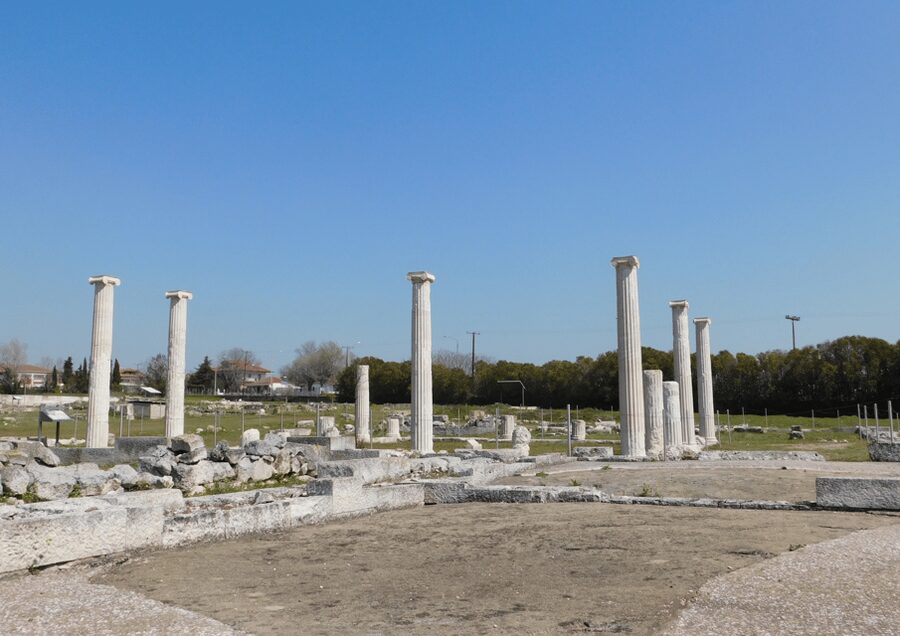
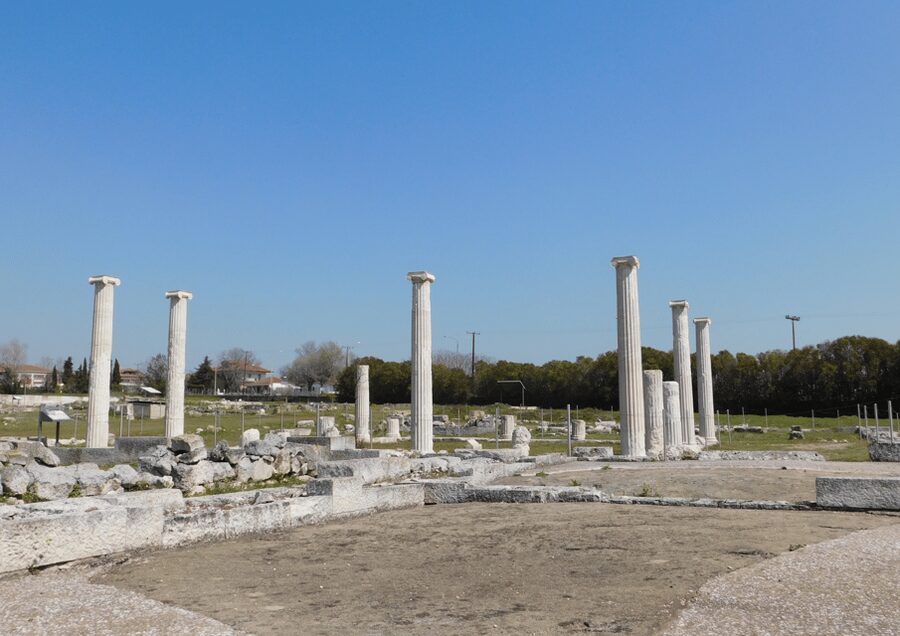
You’ll have about 30 minutes at the archaeological site. That’s not a long time, but it can be enough if you know what you want. The most useful advice is to walk farther rather than only stopping at the near end. If you go deeper toward the ruins connected to the mother of the gods temple, you’ll get a clearer sense of how the city was laid out.
Think of this as a “connect-the-dots” period. The museum gives you artifacts and themes. The site gives you scale and street-level logic. When you put them together, Pella stops being a name and becomes a place.
Time on the ground: what 5 hours really means
The tour is listed as 5 hours, but the day’s structure is the real issue. Travel time eats minutes fast, and your on-site windows are split across two locations plus the museum and ruins at Pella.
From real on-the-day experience, here’s the practical reality: it often lands around 45 to 60 minutes per major stop area. That means:
- For Pella museum, one hour can be enough if you don’t try to read everything on every floor.
- For Pella ruins, 30 minutes works best if you walk with intention and then come back to meet the group.
If you have mobility limits, the tour is marked wheelchair accessible. Still, the real-world movement at archaeological sites can include uneven surfaces and walking over varied ground. Bring your patience and let the guide know what pace you need.
Also, plan your day so you can handle sun and walking. There’s mention of walking on unpaved paths, so dress for heat and brightness.
Price and value: what you’re paying for, and what you’ll add
The price is $129 per person for the 5-hour private day trip. That’s not just transportation. You’re paying for private pickup and drop-off, a meet-and-greet, and an English-speaking driver-assistant who helps connect the sites as you go.
The good news is that all fees and taxes are covered in the tour price. The museum entrance fees are not included, though, so you’ll need to budget for those separately:
- Museum of the Royal Tombs of Aigai: 12 EUR
- Archaeological Museum and Archaeological Site at Pella: 8 EUR
So your all-in cost depends on how you prefer to plan. If you hate surprise extras, add the entrance fees into your mental total before booking. If you want a guided, tightly timed route with no public transit hassles, the structure still feels like good value.
Who this trip fits best
This tour fits best if you want a focused Macedonia day without the hassle of planning. It’s also a great choice if you like stories tied to objects, not just facts read off a sign.
It’s especially appealing if you’re curious about Alexander the Great’s world and the power struggles around Philip II. The guide is known for connecting the sites to the bigger picture of Macedonian history and mythology, and the artifact details help that story land.
If you’re the type who wants to linger for hours and read every label slowly, you might feel rushed. But if you’re okay with a “highlight reel with real context,” you’ll likely feel satisfied when you head back to Thessaloniki.
Should you book this Thessaloniki day trip?
I’d book it if you’re in Thessaloniki and you want a smart, small-group route to two of the biggest names in ancient Macedonian archaeology. The private pickup, the focused timing, and the guided explanations around Philip II and the Pella capital story make the trip feel efficient without turning it into a checklist.
Skip it only if you strongly prefer slow museum roaming and you dislike short time windows. In that case, you might be happier choosing a more open-ended plan where you control the pace at each site.
If you do book, go in with a simple mindset: pick a few artifacts to really focus on at Vergina, then walk deeper at Pella’s ruins for the layout payoff. That approach turns a tight day into a memorable one.
FAQ
How long is the day trip?
It runs for about 5 hours.
Where does pickup happen?
Pickup is available from any location in Thessaloniki.
What sites are included?
You visit the Royal Tombs of Aigai (Vergina), the Archaeological Museum of Pella, and the Archaeological Site at Pella.
Is lunch included?
No, lunch is not included.
Are museum entrance fees included in the tour price?
No. Entrance fees are not included: 12 EUR for the Museum of the Royal Tombs of Aigai and 8 EUR for the Archaeological Museum and the Archaeological Site at Pella.
What is included in the price besides transport?
The tour includes meet and greet, an English-speaking driver-assistant, a bottle of water, and all fees and taxes.
How big is the group?
It is a small group limited to 8 participants.
What language is used during the tour?
The driver-assistant speaks English.
Is the tour wheelchair accessible?
Yes, it is listed as wheelchair accessible.
What is the cancellation policy?
You can cancel up to 24 hours in advance for a full refund.
Can I reserve without paying today?
Yes, there is a reserve now & pay later option, meaning you pay nothing today.
New pins on the Thessaloniki chart
- Thessaloniki: Small-Group Wine Tasting Tour with Appetizers★ 4.8 · 31 reviews
- From Thessaloniki to Sithonia Beaches and Scenic Villages Tour★ 4.5 · 32 reviews
- The Steps of Apostle Paul: Private Day-Trip to Philippi & Kavala★ 5.0 · 32 reviews
- From Thessaloniki: Pella and Vergina Day Trip★ 4.9 · 36 reviews
- Thessaloniki: Vergina, Agios Nikolaos, and Edessa Full Day★ 4.7 · 37 reviews
- Museum of Illusions Thessaloniki Ticket★ 4.5 · 37 reviews
Museums, compared.
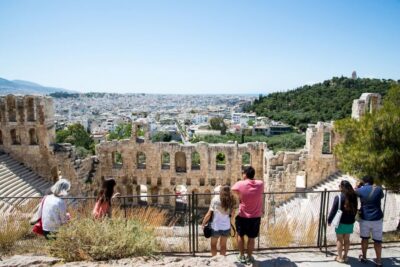
Acropolis, Parthenon & Acropolis Museum Guided Tour
Read our review →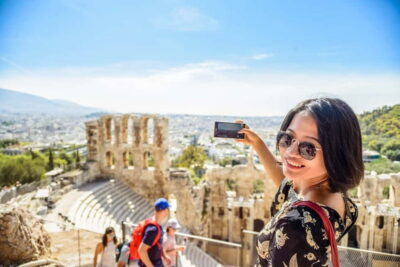
The Acropolis, Parthenon & Acropolis Museum Guided Tour
Read our review →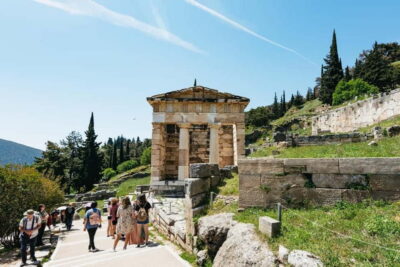
Mythology of Delphi, Museum and Arachova Guided Tour
Read our review →Acropolis, Parthenon & Acropolis Museum Guided Tour
Read our review →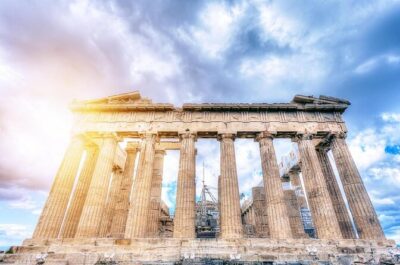
Acropolis monuments & Parthenon Walking Tour with Optional Acropolis Museum
Read our review →
Athens All Included: Acropolis and Museum Guided Tour with Ticket
Read our review →
Combo: Acropolis & Acropolis Museum with Optional Tours
Read our review →
Acropolis Museum Ticket with optional Audio Guide
Read our review →Browse the lists this tour appears in