
Reviewed · ACROPOLIS TICKETS & TOURS
Greek Cooking Class with Acropolis View
Cooking under the Acropolis makes you hungry fast. This Greek class pairs Acropolis views with a practical, hands-on session led by local chefs like Spyros, Stam, or Stan. I also like that you cook a full 5-course menu and sit down to eat what you make. One thing to consider: the wine can be extra, even if some sessions include a pairing or bubbly during cooking.
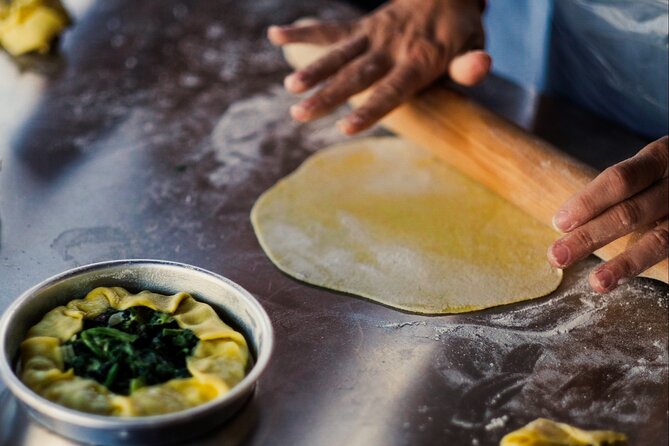
You meet at The Artist Roof Top Bar & Restaurant and spend about 3.5 hours working through starter to dessert. Based on recent experiences, it feels small and personal, with groups described as around eight to 15 people, so you actually get your hands on the food, not just watch.
In This Review
- Key Highlights Worth Your Time
- First Stop: The Artist Rooftop Kitchen by the Acropolis
- How the 3.5 Hours Flow, From Prep to a Rooftop Dinner
- A note on group size
- The 5 Courses You Cook (and What You’re Really Learning)
- Course 1: Tzatziki, the Flavor Builder
- Course 2: Aegean Salad, Fresh and Uncomplicated
- Course 3: Spinach Pie with Herbs and Feta
- Course 4: Greek Mousaka, the Big Savory Centerpiece
- Course 5: Galatopita, the Greek Delight Finish
- Eating Your Work on the Rooftop Terrace
- Wine, Pairing Options, and the One Budget Surprise to Watch
- Value Check: Is $106 Worth It?
- Who This Class Suits Best
- Things to Watch Before You Book
- Should You Book This Acropolis-View Greek Cooking Class?
Key Highlights Worth Your Time

- Acropolis view while you cook and eat, not just a pretty backdrop
- Chef-led, hands-on format with frequent participation for each person
- A real 5-course lineup: tzatziki, Aegean salad, spinach pie, mousaka, and galatopita
- Technique talk that sticks, including ingredient choices and how to build flavor
- Takeaways for your home kitchen, with recipes mentioned for after the class
First Stop: The Artist Rooftop Kitchen by the Acropolis
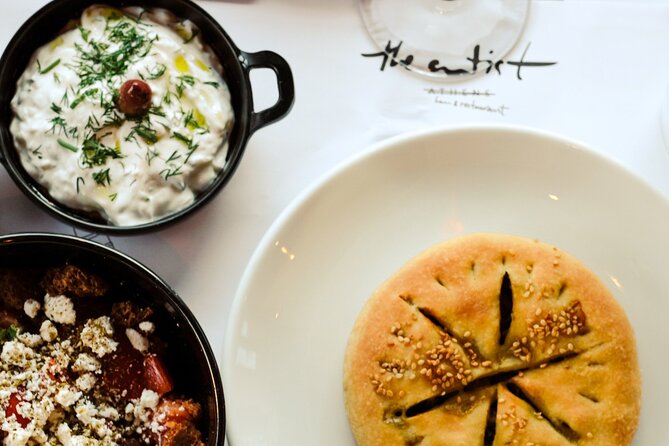
The meeting point is The Artist Roof Top Bar & Restaurant, which matters because you start in the same place you’ll later enjoy dinner. That rooftop setup is one of the biggest reasons this class feels different from a standard cooking tour. You are not running around town, and you are not stuck in a basement kitchen either.
Look for a cooking space that supports participation. In the experiences shared, everyone gets time with prep and cooking, and the pacing is structured so you are not left idle. This is also where the mood starts: the view of the Acropolis sits right in front of you while you get organized, meet your instructor, and review what is coming next.
One practical tip, no matter who the chef is: arrive with a clear idea of what you like to eat. If you are a yogurt person, lean into the tzatziki. If you love rich baked dishes, keep an eye on how the mousaka comes together. The class works best when you are emotionally invested in the menu.
More Cooking Classes in Athens
How the 3.5 Hours Flow, From Prep to a Rooftop Dinner
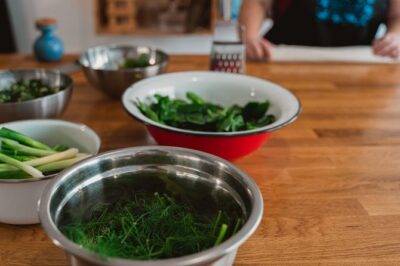
This is a tight half-day style experience, clocking in at about 3.5 hours. The structure usually follows a simple arc, starter to dessert, with hands-on prep along the way and then a shared meal at the end.
What I like about this timing is that it prevents the usual cooking-class problem: too long and you get tired, too short and you never learn anything. Here, you get enough time to practice the core steps for multiple dishes and still enjoy the meal together in the same setting.
Also, you should expect an English-speaking instructor. The experiences shared highlight an energetic, funny teaching style, and that matters because cooking gets easier when someone breaks steps into plain language. One person even mentioned that the chef explained why ingredients were used, plus a bit of storytelling from Greek mythology. That kind of context helps you remember the flavor logic, not just the recipe.
A note on group size
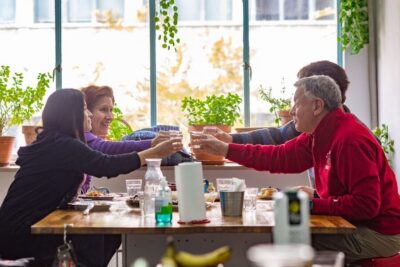
Recent groups ranged from about eight to around 15 people. Small groups usually mean quicker feedback and more chances to get hands-on. If you prefer a very quiet class, keep in mind that most chefs keep things lively. The upside is that it rarely feels awkward, because the chef is actively pulling people into the process.
The 5 Courses You Cook (and What You’re Really Learning)
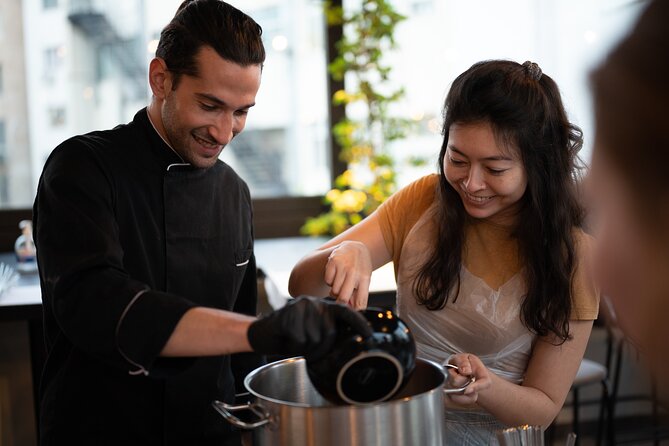
This class is built around a specific 5-course menu, and it is one of its best value points. You are not just learning one dish well, you are practicing how Greek cooking builds flavor across cold, fresh, savory baked, and sweet finishes.
Here is what you cook, and what each dish teaches you beyond the name.
Course 1: Tzatziki, the Flavor Builder
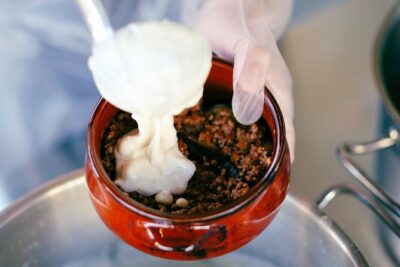
Tzatziki is the cooling starter that sets the tone. Even if you have eaten it before, most people leave with a better sense of how the dish balances three things: tang, garlic bite, and freshness.
During the class flow, you can expect hands-on learning rather than a passive tasting. The chef guidance typically includes how to prep key components and how to combine them so the texture stays creamy and not watery. That is the practical part. If you have ever made tzatziki at home and it turned out loose, you know what I mean.
More ascents of the sacred rock:
- Athens: Acropolis & up to 5 Archaeological Sites Combo Pass
★ 4.2 · 13,904 reviews - Athens: Acropolis Ticket with Optional Audio or Live Guide
★ 4.2 · 11,055 reviews - Athens: Acropolis, Parthenon & Acropolis Museum Guided Tour
★ 4.8 · 9,316 reviews - The Acropolis, Parthenon & Acropolis Museum Guided Tour
★ 4.7 · 8,493 reviews
Course 2: Aegean Salad, Fresh and Uncomplicated
The Aegean Salad is not just a side. It is a lesson in how Greek meals keep flavor bright without needing complicated steps.
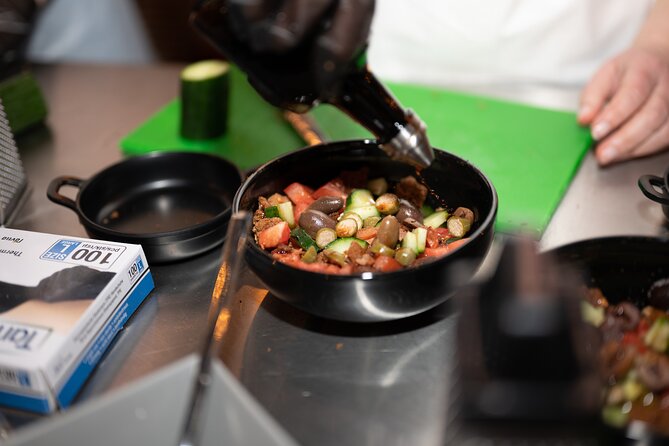
This course usually focuses on ingredient freshness and smart mixing. You are getting a taste for how olive oil, herbs, and crisp produce work together, and how salting and dressing affect texture. It’s also the kind of dish you can recreate easily, even if you are not a confident cook.
One reason this course is valuable is timing. By the time you make salad, you have already been in the kitchen for a while, so this is a reset. It also brings color to the meal you will later eat on the rooftop.
Course 3: Spinach Pie with Herbs and Feta
This is where Greek home cooking starts to feel real. Spinach pie is all about building a filling that tastes like it has depth, not just greens.
The menu specifies herbs and feta cheese, and that combination is the heart of it. In a well-run class, you learn how the filling should feel before it goes into the baking stage, and how seasoning gets distributed so every bite tastes intentional.
If you love comfort food, this one is a standout. One review described it as a highlight among the multi-course menu, and it makes sense. Spinach pie is comforting, savory, and very “Greek kitchen,” the kind of dish you can serve to friends without needing fancy plating.
Course 4: Greek Mousaka, the Big Savory Centerpiece
Moussaka is the center of the meal, and it also tends to be the most satisfying to cook because it is multi-step and structured.
The class menu calls it Authentic Greek Mousaka. That likely means you spend time understanding the layers, not just assembling them blindly. The practical learning payoff here is technique: managing thickness, keeping layers distinct, and building a sauce rhythm so the baked result holds together.
In the experiences shared, instructors were praised for explaining the menu and prep steps so everything felt accessible. Several people specifically mentioned loving the moussaka outcome, including comments like perfection. That lines up with why this dish is worth learning in a guided setting: it has enough moving parts that a chef’s cues can save you time and prevent common mistakes.
Course 5: Galatopita, the Greek Delight Finish
Galatopita is the dessert that brings the meal full circle. It is often described as the ultimate Greek delight in the course description, and the name alone hints at comfort and creaminess.
Even though you may not be thinking about dessert first, ending with galatopita gives you a full-course perspective. Greek cooking does not treat sweets as an afterthought, and this class reinforces that by giving you the time to finish something proper.
If you enjoy baking-style textures in a non-scary way, dessert here can be a confidence boost. You get to see how Greek flavor lands when it goes sweet, creamy, and comforting.
Eating Your Work on the Rooftop Terrace
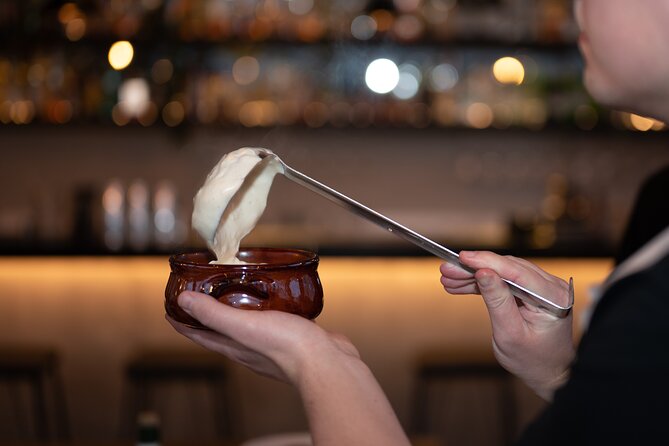
After cooking, you eat together while enjoying the Acropolis view. That rooftop terrace part is not a small perk. It changes the whole feel of the experience from a workshop to a meal with atmosphere.
Some experiences mention an uninterrupted view during sunset, which adds a natural pause button. You stop thinking like a student and start thinking like a guest at a Greek dinner. And because you cooked multiple dishes, you can actually taste the differences you worked on, not just sample food.
This is also where wine conversations come in.
Wine, Pairing Options, and the One Budget Surprise to Watch
Wine shows up in the reviews, but the details vary. Here’s what you should take from the information provided:
- One person noted that wine is extra and not included.
- Another described a wine pairing choice, plus bubbly served during cooking.
So what does that mean for you? Don’t assume wine is included in the $106 price. If you want alcohol with dinner, ask what is included for your specific booking or plan a modest add-on budget. If you do want the pairing, treat it as part of the experience value, not a last-minute expense.
Bottom line: you will still get a full 5-course meal as part of the class, but alcohol coverage may depend on the session.
Value Check: Is $106 Worth It?
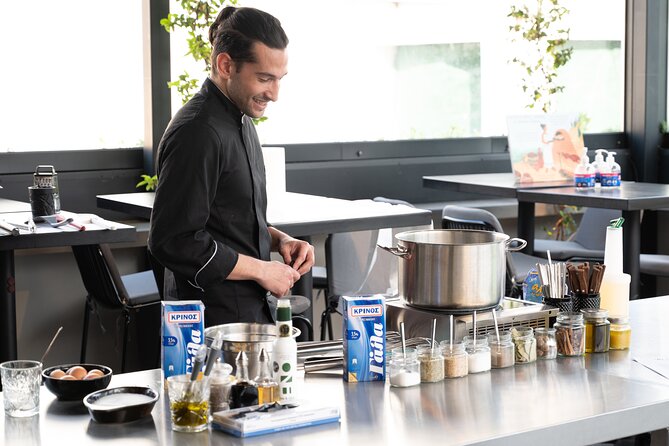
For $106 per person, you are paying for four things at once:
- A professional local chef who teaches and keeps the flow moving
- Hands-on preparation across five dishes
- A complete meal where you eat what you cook
- A prime rooftop setting with Acropolis views
If you compare this to paying for five separate meals and then paying for cooking instruction separately, the math can look pretty good. You also save mental energy. Someone else handles timing, sequencing, and teaching you why things matter.
The value also depends on your learning style. If you love following recipes, you will like the guided steps. If you love understanding flavor building, the chef’s ingredient and technique explanations become the real payoff.
Who This Class Suits Best

This experience fits well if you want an Athens activity that is both practical and memorable. It is especially good for:
- Food-first couples who want something more interactive than a museum day
- Solo travelers who like meeting people in a small, structured setting
- Home cooks who want repeatable techniques and a confidence boost
- Travelers who care about Greek food beyond the basics
If you are extremely sensitive to noise or prefer ultra-quiet experiences, note that chefs often keep the energy up and include humor and stories. Still, the interaction is usually structured around cooking tasks, so it does not feel chaotic.
Things to Watch Before You Book
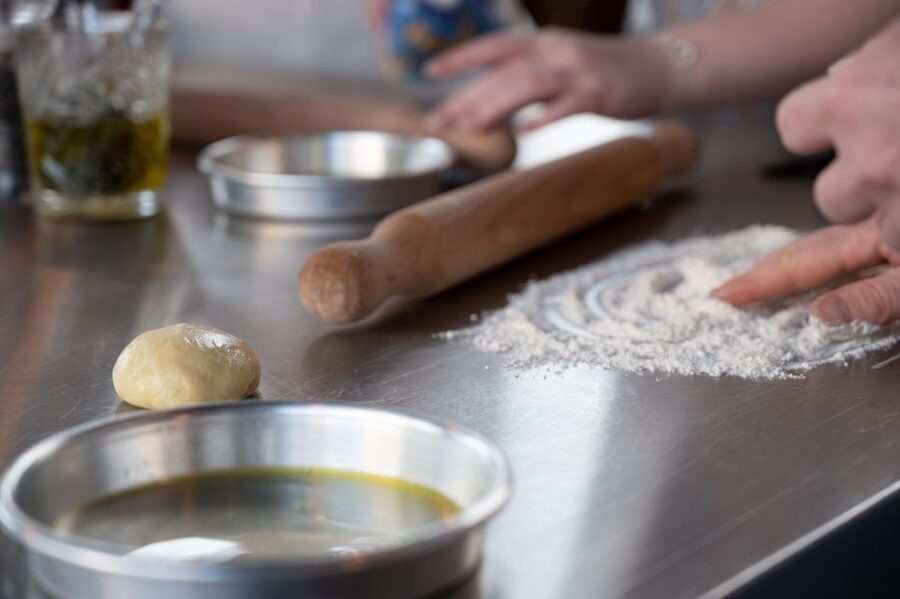
Here are the only realistic considerations I’d keep on your checklist based on the provided info:
- Wine may cost extra depending on session and pairing options.
- Dietary preferences should be stated clearly at booking time. One review mentioned a vegetarian request was not properly communicated to the instructor, though the chef pivoted on the spot.
- Recipes or takeaways may not always arrive as expected. One review said the instructor mentioned recipes would be emailed, but they had not received them. If getting the recipes is a priority, ask about delivery timing.
Other than that, the consistent message in the feedback is simple: the chefs run a fun, professional class, and the results taste excellent.
Should You Book This Acropolis-View Greek Cooking Class?

Book it if you want a high-impact Athens food experience in about 3.5 hours, with real hands-on cooking and a meal that feels like a celebration, not a demo.
Skip it or at least ask questions first if alcohol is a must for you, because wine inclusion is not consistent in the information provided. Also, if you have specific dietary needs, make sure your note is clearly recorded and confirm how it will be handled.
In the end, this is the kind of cooking class that gives you more than recipes. You leave with a better sense of how Greek dishes build on freshness, herbs, dairy tang, and structured savory flavor, plus a memory tied to the Acropolis view while you eat what you made.
More Workshops in Athens




Greek Kitchens, Taught by Hand




New pins on the Athens chart
- Shore Excursion: Acropolis, Athens City tour and The New Acropolis Museum★ 4.5 · 30 reviews
- Private Luxury Tour: Marathon – Battle & Run That Changed History★ 5.0 · 30 reviews
- Athens Airport – Athens Center Private Transfer★ 4.0 · 30 reviews
- 2 Day Private Tour Of Delphi, Thermopylae & Meteora From Athens★ 5.0 · 30 reviews
- From Athens: Ancient Corinth Half-Day Private Tour★ 4.8 · 30 reviews
- Private City Kickstart Tour: Hidden Districts★ 5.0 · 30 reviews
Acropolis Tickets & Tours, compared.
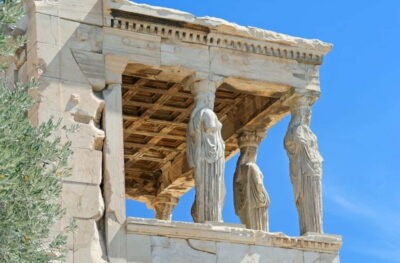
Acropolis & up to 5 Archaeological Sites Combo Pass
Read our review →
Acropolis Ticket with Optional Audio or Live Guide
Read our review →
Acropolis, Parthenon & Acropolis Museum Guided Tour
Read our review →
The Acropolis, Parthenon & Acropolis Museum Guided Tour
Read our review →

Acropolis and Parthenon Guided Walking Tour
Read our review →Acropolis, Parthenon & Acropolis Museum Guided Tour
Read our review →
Browse the lists this tour appears in