Reviewed · THINGS TO DO IN ATHENS
Philosophy and Democracy tour of Athens
Politics, ideas, and stones line up.
This Athens walk turns ancient thinking into a clear story, starting with Kerameikos and ending at the big monument area, all with a philosophy-and-democracy focus. Two things I really like are how Panos explains the ideas in plain language, and the small-group pace that keeps questions flowing. One thing to consider is that several key stops have admission tickets that are not included, so your total day cost can rise a bit.
You’ll also get more of real Athens than just the headline sites. The route includes a slow stroll through an Athens flea market, plus time in Plaka with narrow streets and classic neighborhood vibes. Because the tour is weather dependent, I’d plan for sun or mild conditions and bring water if you tend to run hot.
In This Review
- Key highlights at a glance
- Athens Turns Ideas Into Street-Level Walking
- Getting Started at the Statue of Theseus, Then Moving With Purpose
- Kerameikos: Pericles, Democracy, and the Cemetery Under Your Feet
- A Slow Walk Through the Flea Market, the Athens You Still Live In
- Hadrian’s Library and the Roman Layer North of the Acropolis
- Roman Agora and the Tower of the Winds: Time, Weather, Power
- Plaka Intermission: Narrow Streets, Easy Atmosphere, and a Mental Reset
- The Ancient Agora: Where Debates Were the Point
- Paying Tribute at the Prison of Socrates
- Pnyx Hill: The Cradle of Democracy and the Views That Finish the Story
- Price and Value: A Good Deal With One Budget Catch
- Who This Tour Fits Best (and Who Might Want a Different Style)
- How to Get the Most Out of Your Walk
- Should You Book the Philosophy and Democracy Tour of Athens?
- FAQ
- How long is the Philosophy and Democracy tour of Athens?
- What is the meeting point and end point?
- What language is the tour offered in?
- Is the tour a small group?
- Are admission tickets included?
- Is this tour mostly walking?
- Is the tour suitable for most travelers?
- Does the tour require good weather?
- Can I get a refund if I cancel?
Key highlights at a glance
- Panos guides the whole idea chain, from democracy on the ground to philosophy in daily life
- Kerameikos adds a twist: it is not just ruins, it is a cemetery tied to Pericles and the Peloponnesian War
- Tower of the Winds explains how Athens measured time and weather, with both solar and water-driven sounds
- Ancient Agora + Socrates tribute spots help you connect thinkers to the spaces where ideas were debated
- Pnyx views make the cradle of democracy feel real, not textbook
- Small group (max 15) means the tour does not feel like a lecture you quietly survive
Athens Turns Ideas Into Street-Level Walking
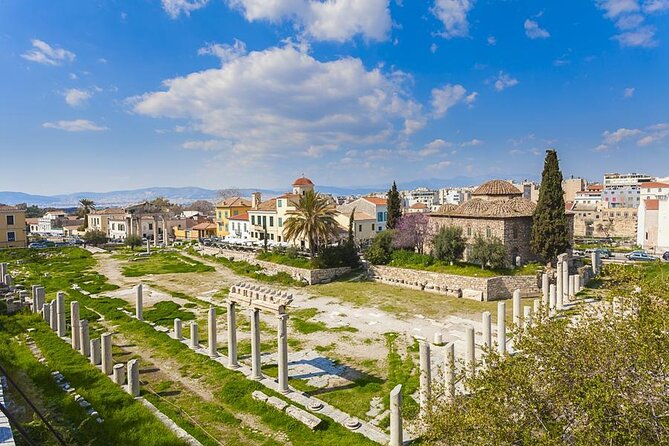
Athens is famous for monuments, but this tour is about something more useful. You learn how democracy was practiced in a place, by people, in specific public spaces. Then you see how philosophy grew out of that same atmosphere of argument, persuasion, and civic life.
What makes this experience especially good for your planning is the way the stops connect. Instead of jumping from one site to another, the tour builds a timeline and a theme: how citizens debated, how leaders justified decisions, and how thinkers pushed back on assumptions. It’s a brainy route, but the pacing keeps it friendly.
More Things to Do in Athens
Getting Started at the Statue of Theseus, Then Moving With Purpose
You meet at the Statue of Theseus in Athens, and the tour ends at Theorias 21, Athina 105 58. Total time is about 3 hours 30 minutes, so you still have most of a day for the rest of your itinerary.
The group size is capped at 15 travelers. In practice, that matters. With a smaller group, Panos can track questions, adjust explanations on the spot, and keep the walk from turning into a line shuffle.
One helpful practical note: the route does involve walking. It is not a sit-down museum tour. If you run low on stamina, bring water and take advantage of any short pauses, since several stops are focused and quick.
Also, expect a mid-tour break. One review mentioned a stop at a kiosk for refreshments with WC facilities, which is exactly the kind of small planning detail that makes a half-day tour feel easier.
Kerameikos: Pericles, Democracy, and the Cemetery Under Your Feet
Kerameikos Archaeological Site is the kind of place you might miss if you only follow the usual tourist checklist. It was tied to ceramic workshops, and for many centuries it also served as Athens’ cemetery.
The big payoff here is the connection to Pericles and the early casualties of the Peloponnesian War. Panos frames Pericles’ famous Epitaph in a way that helps you understand what democracy meant to people at that moment. It also sets a tone for the whole tour: this is not abstract civics, it is politics during real grief and real choices.
Stop duration is short, around 15 minutes. That can be just enough time to get the story, but it means you will want to keep your questions ready rather than reading every stone slowly. Admission is not included here, so consider that in your budget.
A Slow Walk Through the Flea Market, the Athens You Still Live In
Right after Kerameikos, the tour slows down with a walk through the flea market. This stop is listed as easy, and the best part is that it gives you a break from the “ruins only” rhythm.
The Flea Market stop is free, and it helps you shift from ancient Athens into modern Athens without making the tour feel disconnected. You get a sense of how everyday life still flows around the historic center.
If you like people-watching and casually browsing without pressure, this is a nice reset. If shopping is your goal, you may still find it more practical to browse briefly than to treat it like a major market mission.
Hadrian’s Library and the Roman Layer North of the Acropolis

Hadrian’s Library was created by Roman Emperor Hadrian in AD 132, on the north side of the Acropolis. That date detail matters because it shows Athens was not only a Greek story, it was also reused, reshaped, and reinterpreted under later rulers.
The tour gives this Roman layer a purpose. You do not just see the building footprint and move on. You learn how changing powers and institutions left physical marks, and how those marks affect how you read the city today.
This stop is around 15 minutes, and admission is not included. As always with the paid sites, give yourself a small buffer in your total trip budget.
One cove over in Athens:
- The Acropolis, Parthenon & Acropolis Museum Guided Tour
★ 4.7 · 8,493 reviews - Athens: Cape Sounion & Poseidon Temple Sunset Half-Day Trip
★ 4.8 · 8,241 reviews - Acropolis: Premium Acropolis and Parthenon Guided Tour
★ 4.8 · 5,208 reviews - Athens: Mythology of Delphi, Museum and Arachova Guided Tour
★ 4.7 · 5,102 reviews
Roman Agora and the Tower of the Winds: Time, Weather, Power
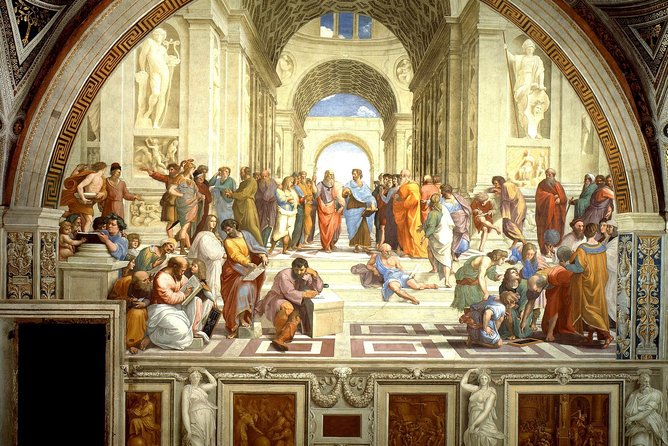
The Roman Agora sits north of the Acropolis and east of the Ancient Agora. Here, Panos helps you compare how civic space evolved. The naming alone tells you something, but the explanation is what makes it click: different eras used the same general stage, with new rules and new leaders.
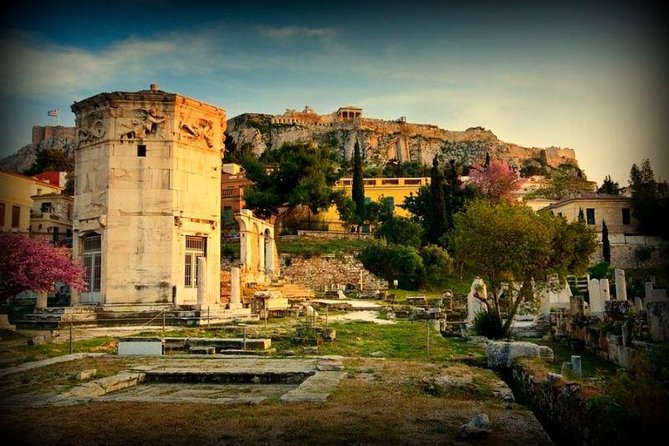
Then comes the Tower of the Winds, one of the most fun stops on the route because it is so specific. The octagonal building was made by the astronomer Andronicus of Kyrristos in the 1st century BC. It served as a wind indicator and also as a clock.
The details are the kind that make you look twice at a structure. The clock was solar, and in cloudy conditions it had a hydraulic mechanism that produced a sound every hour. In other words, it was part timekeeper and part meteorological station, often compared to a Big Ben for ancient Athens.
This is a short stop, about 5 minutes. If you like details, arrive with a curious mindset and listen closely for what makes this one building stand out. Admission is not included here.
Plaka Intermission: Narrow Streets, Easy Atmosphere, and a Mental Reset
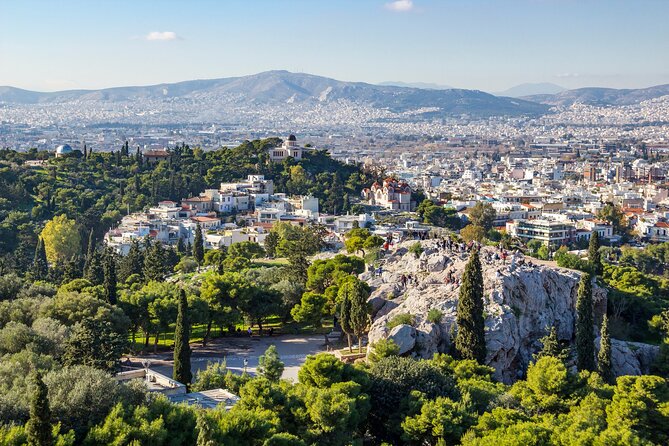
Between ruins stops, you get time in Plaka, a scenic neighborhood with small houses and narrow streets. Even when you are not shopping, this part helps you breathe and reframe the day.
It also makes the route feel less like a checklist. You get a sense of what people experience now while standing near spaces where ancient people argued and voted.
If you are hungry, use this moment to plan your next meal. If you are not, just slow down and let the city shift from “history lesson” back into “walkable Athens.” It is a small segment, but it can change how the rest of your day feels.
The Ancient Agora: Where Debates Were the Point
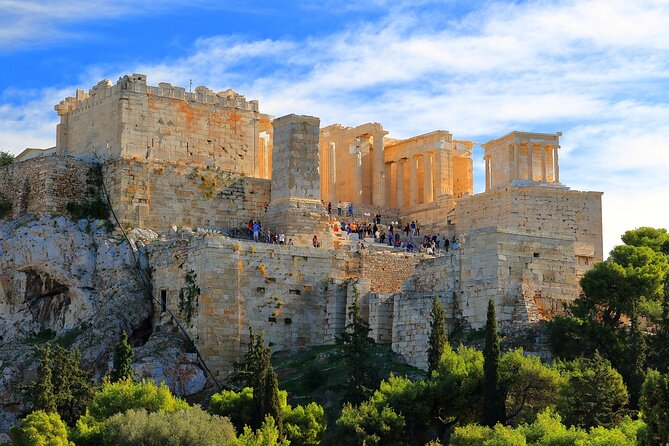
The Ancient Agora is described as the heart of Athens, and the tour treats it that way. This is where philosophers like Socrates and Plato, and political figures like Solon, Themistocles, Pericles, and others, were part of the city’s intellectual and civic conversation.
The key value here is that Panos ties big names to everyday public life. You’re not only learning who they were. You’re learning what kinds of questions people brought into the street, marketplace, and meeting spaces.
This stop is about 20 minutes, and admission is not included. Because it is a shorter visit, focus on the big connections first. If you want more time for photos, plan a separate revisit later, since this tour is designed more for ideas than for maximum site time.
Paying Tribute at the Prison of Socrates
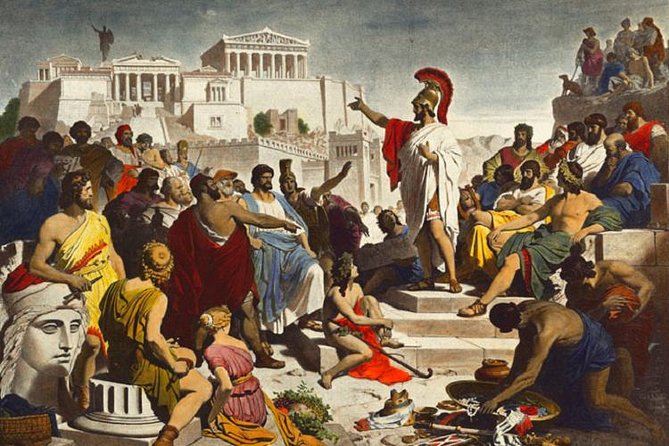
Near the Ancient Agora, the tour includes the Prison of Socrates spot, where you pay tribute to a great philosopher. The tone is respectful and brief, around 10 minutes, with a focus on meaning rather than spectacle.
Even if you already read about Socrates, this stop helps you picture where the cost of thinking became real. It also reinforces the tour’s theme: philosophy and politics were not distant cousins. They lived in the same public world.
This stop is marked free. So it is a good place to get a quick emotional anchor without adding cost.
Pnyx Hill: The Cradle of Democracy and the Views That Finish the Story
Pnyx is often called the cradle of democracy because it was one of the first places where people took decisions about their future. The tour uses this to connect civic participation to physical geography. You get the sense of scale and the pressure of public decision-making.
You also get great views of the Acropolis and Athens. That view matters because it shifts democracy from theory to something grounded in real terrain, real sightlines, and real crowds.
Pnyx is around 30 minutes and is free. This is also a smart time to slow down, look around, and let the main ideas land. If you tend to forget what you read on museum panels, this is often the part that makes it stick.
After Pnyx, the itinerary points to the final, major monument stop described as Greece’s greatest monument. You end your tour in the big monument zone, finishing with the kind of dramatic “now you see why Athens matters” moment.
Price and Value: A Good Deal With One Budget Catch
The tour price is $50.81 per person for about 3 hours 30 minutes. For what you get, that is a strong value: a themed route, small-group attention, and a guide who links democracy and philosophy across multiple sites.
Here is the one budget catch to plan for. Several stops list admission tickets as not included. That means you may pay separately at Kerameikos, Hadrian’s Library, the Roman Agora, the Tower of the Winds, and the Ancient Agora. The flea market, Prison of Socrates, and Pnyx are free in the itinerary.
So the cost is not “all-in,” but it is still a good deal because the guide’s work is the main product: turning scattered places into a coherent storyline. If you already know you will visit a few of these areas anyway, this tour can save you time and guesswork.
Who This Tour Fits Best (and Who Might Want a Different Style)
This is a strong fit if you like ideas, discussion, and clear explanations. It also works well if you have teens or older kids who can handle a walking tour with thinking built in. One review specifically noted that an 11 and 15-year-old enjoyed it, with Panos bringing the philosophers to life in a way that felt practical, not preachy.
It is also a great pick if you plan to do other major Athens sights later. The tour gives context first, so your follow-up visits tend to make more sense.
A possible mismatch is for people who want a purely visual, slow, photo-first ruin crawl. This tour is about interpretation. Some stops are brief by design. You will get a lot of meaning quickly, but not hours of free roaming at every monument.
How to Get the Most Out of Your Walk
If you want the tour to feel effortless and satisfying, do these small things:
- Bring water, especially in warm months
- Wear comfortable shoes, since you will be walking between multiple sites
- Ask questions during pauses, not only at the end, since the tour structure supports back-and-forth
- If you care about admissions budgeting, set aside some money for the stops marked not included
Also, pay attention to the guide’s pacing. Reviews describe Panos as someone who can “pitch” complex concepts clearly and keep the energy moving with humor. If you lean in, you’ll likely leave with a clearer mental map of Athens as a working civic machine, not just a museum.
Should You Book the Philosophy and Democracy Tour of Athens?
Yes, if you want a tour that explains why ancient Athens still matters. This experience is a smart way to connect democracy and philosophy to the exact spaces where people argued, voted, and built their civic identity.
Book it if you value a small group, good dialogue, and a guide who makes the ideas feel grounded. It also offers strong value for the price because the admissions gaps are manageable, and the thematic guidance is the real reason to take it.
Skip it only if your priority is maximum time at sites for photos, or if you prefer a tour that focuses on monuments only, with less emphasis on philosophy and political thinking. Otherwise, this is the kind of tour that can change how the rest of your Athens day feels.
FAQ
How long is the Philosophy and Democracy tour of Athens?
The tour lasts about 3 hours 30 minutes (approx.).
What is the meeting point and end point?
You start at the Statue of Theseus, Athens 105 55, Greece. The tour ends at Theorias 21, Athina 105 58, Greece.
What language is the tour offered in?
The tour is offered in English.
Is the tour a small group?
Yes. The maximum group size is 15 travelers.
Are admission tickets included?
Admission tickets are not included for several stops listed as not included, such as Kerameikos Archaeological Site, Hadrian’s Library, Roman Agora, Tower of the Winds, and Ancient Agora of Athens. Some stops are free, including the Flea Market, Prison of Socrates, and Pnyx.
Is this tour mostly walking?
Yes, it involves walking between multiple stops and includes at least one easy pace walk through the flea market.
Is the tour suitable for most travelers?
The information provided says most travelers can participate.
Does the tour require good weather?
Yes. It requires good weather. If it is canceled due to poor weather, you will be offered a different date or a full refund.
Can I get a refund if I cancel?
Free cancellation is available up to 24 hours in advance for a full refund. If you cancel less than 24 hours before the start time, the amount paid is not refunded.
New pins on the Athens chart
- Mycenae, Epidaurus, Nafplio, Corinth Canal Private Full Day Trip From Athens★ 5.0 · 83 reviews
- From Athens: Mycenae, Epidaurus & Nafplion Private Tour★ 4.9 · 83 reviews
- Delphi with Professional English Guide and Transportation★ 4.5 · 84 reviews
- Acropolis of Athens, Ancient Agora and the Agora Museum Tour★ 5.0 · 86 reviews
- Athens: 2.5-Hour Private City Tour Off the Beaten Track★ 4.7 · 86 reviews
- Thermopylae The battle of the 300 Spartans & Delphi Day Tour★ 5.0 · 86 reviews
Things to Do in Athens, compared.
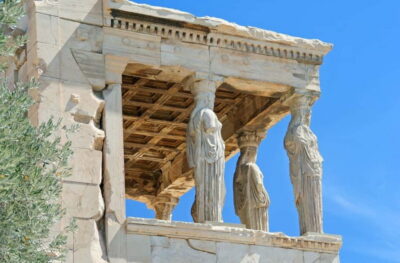
Acropolis & up to 5 Archaeological Sites Combo Pass
Read our review →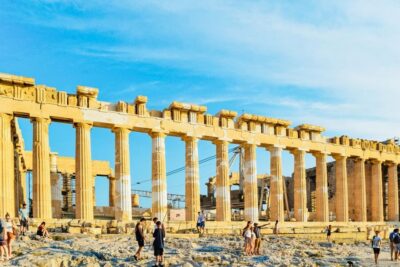
Acropolis Ticket with Optional Audio or Live Guide
Read our review →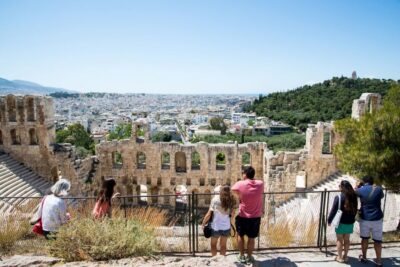
Acropolis, Parthenon & Acropolis Museum Guided Tour
Read our review →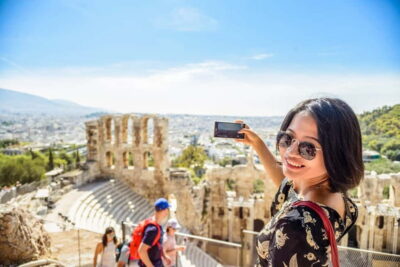
The Acropolis, Parthenon & Acropolis Museum Guided Tour
Read our review →
Cape Sounion & Poseidon Temple Sunset Half-Day Trip
Read our review →
Mythology of Delphi, Museum and Arachova Guided Tour
Read our review →