
Reviewed · 3-DAY EXPERIENCES
3-Day Ancient Greek Archaeological Sites Tour from Athens
Myth hits different when you can walk right up to it. This 3-day route strings together Mycenae, Delphi, and Olympia with real context, and it keeps things carbon-neutral with a full coach day. One thing to plan for is the pace and sun, since you can be in bright open areas for long stretches.
I like that you get a live English-speaking guide plus entrance tickets and a comfortable, air-conditioned bus, so you are not juggling logistics while your brain is trying to hold onto names like Agamemnon and Apollo. You’ll also sleep on-site in classic bases, with breakfast and dinner included, and optional Athens pickup from many central hotels. The main trade-off is that this is not a slow, wandering tour, so you will want the right expectations about walking and time on your feet.
In This Review
- Key Things I’d Pay Attention To Before You Go
- Price and What You Actually Get for $506
- Day 1: Corinth Canal, Epidaurus Theatre, Nafplion, Mycenae, Then Olympia Sleep
- Olympia: Temples of Zeus and Hera, the Stadium, and the Olympic Flame Altar
- Crossing to Antirion, Riding Past Nafpaktos, Then Up to Delphi
- Delphi: Apollo, the Oracle, the Theatre with 5,000 Seats, and Parnassus Views
- Museums and Imagining the Missing Pieces
- Pacing, Group Size, and How Comfort Plays Into Enjoyment
- Weather and What to Pack for Olympia and Delphi Heat
- Who This Tour Suits Best (and Who Might Want Something Else)
- Should You Book This 3-Day Ancient Greek Sites Tour from Athens?
- FAQ
- What is included in the tour price?
- Does the tour include pickup from Athens hotels?
- Which ancient sites are visited on the tour?
- Are lunch and drinks included?
- What is the hotel accommodation tax?
- Is the tour wheelchair accessible?
Key Things I’d Pay Attention To Before You Go
- A tight trio of must-sees: Mycenae, Delphi, and Olympia are the heavy hitters of classical Greece
- Epidaurus theatre with famous acoustics: it is one of those places where you understand why people traveled for performance
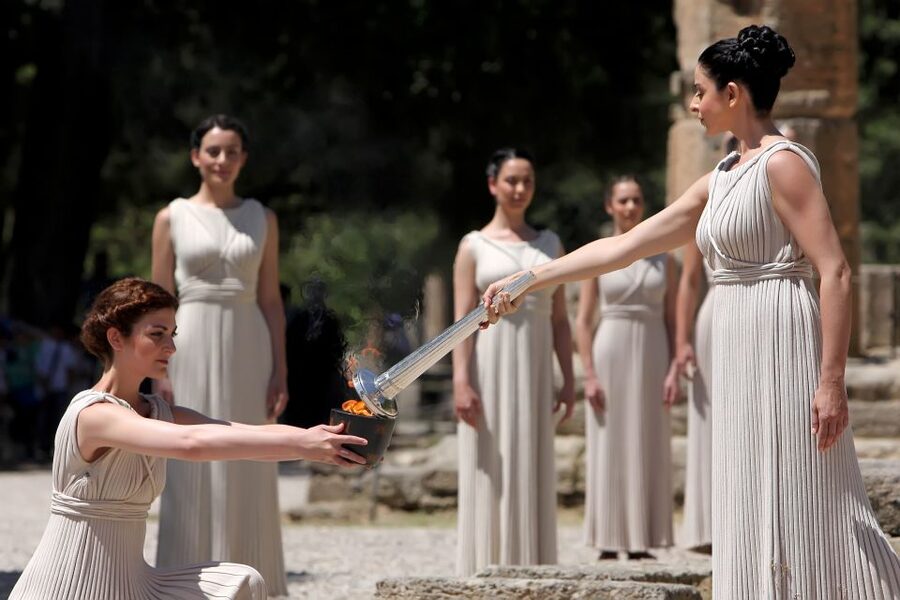
- Olympic Flame altar at Olympia: you see the ritual spot, not just the ruins
- Two museum stops add meaning: the Olympia museum is directly across from the site, and Delphi’s museum gives you context for what you see outdoors
- Comfort on the road: luxury air-conditioned bus transfers help when drives are long and roads turn windy
- Sun management matters: heat and limited shade can be real at Olympia and Delphi, so pack smart
Price and What You Actually Get for $506
At $506 per person for a 3-day tour, the value comes from what is bundled, not from what you do on a map. You are paying for a full guided program, hotel nights, entrance fees, and air-conditioned bus transfers between major sites that would be hard to stitch together on your own in the same timeframe.
Here’s what is included: a guide, accommodation in a 3-star or 4-star hotel (based on your option), entrance fees, transfers by luxury air-conditioned bus, and breakfast plus dinner each day. What is not included: lunch, drinks, personal expenses, and the hotel tax.
That last point matters. The hotel accommodation tax is paid directly to the hotel: €5 per room per night for 3-star hotels, €10 per room per night for 4-star. If you’re doing the math for the total cost, add that in so the final bill does not surprise you.
More Things to Do in Athens
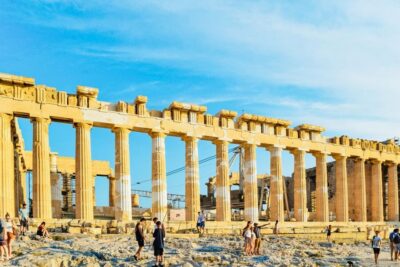
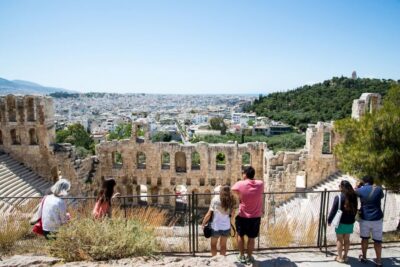
Day 1: Corinth Canal, Epidaurus Theatre, Nafplion, Mycenae, Then Olympia Sleep
This day has a “myth to engineering to performance” arc. You start with the Corinth Canal on the Saronic Gulf, a 19th-century engineering feat that feels like someone took a scalpel to geography. Even if you are not an engineering person, it is a good mental palate cleanser before you head into ancient sanctuaries and tomb stories.
From there you go to Epidaurus, where the ancient theatre is famous for its outstanding acoustics. The practical takeaway: this is not just architecture. It’s a reminder that ancient Greece treated theatre like a serious public event, with design meant to carry voices to crowds. If you have any interest in performance, speeches, or the way buildings can shape sound, this is a highlight.
Next comes Nafplia, the former capital of the First Hellenic Republic. You get a change of pace here, and the drive through the plain of Argos breaks up the intensity of the archaeological sites. It also helps that the itinerary includes short stops in places like Tripolis and Megalopolis, which gives you chances to stretch.
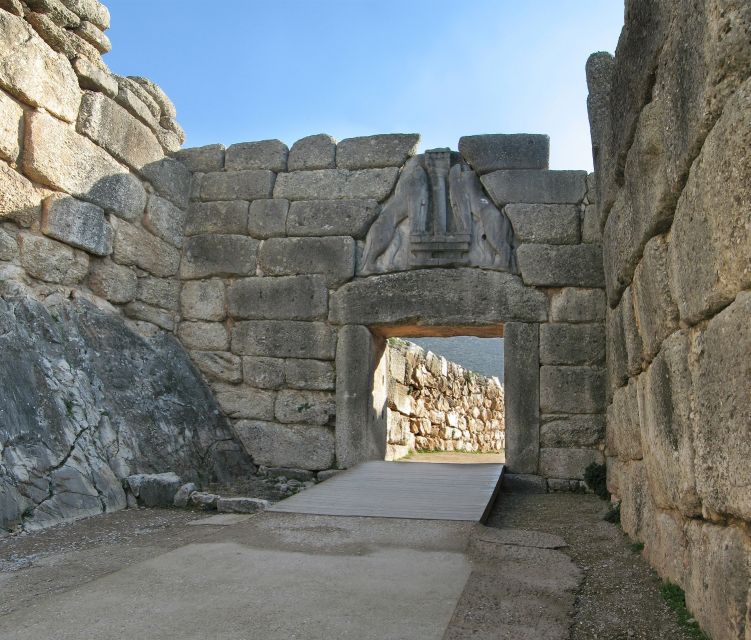
Then you reach Mycenae, with two major hits: the ruins of the citadel and the Tomb of Agamemnon. This is where you see how myth and archaeology overlap. You are walking through a site tied to the stories people tell about leadership and war, but what you physically stand on is stone remains and site layout. A guide helps you build the bridge between them quickly, so you do not leave feeling like you only saw rocks.
Finally, you travel onward to Olympia for your overnight stay. That matters because you’re not trying to cram Olympia into a single rushed stop on day one.
Olympia: Temples of Zeus and Hera, the Stadium, and the Olympic Flame Altar
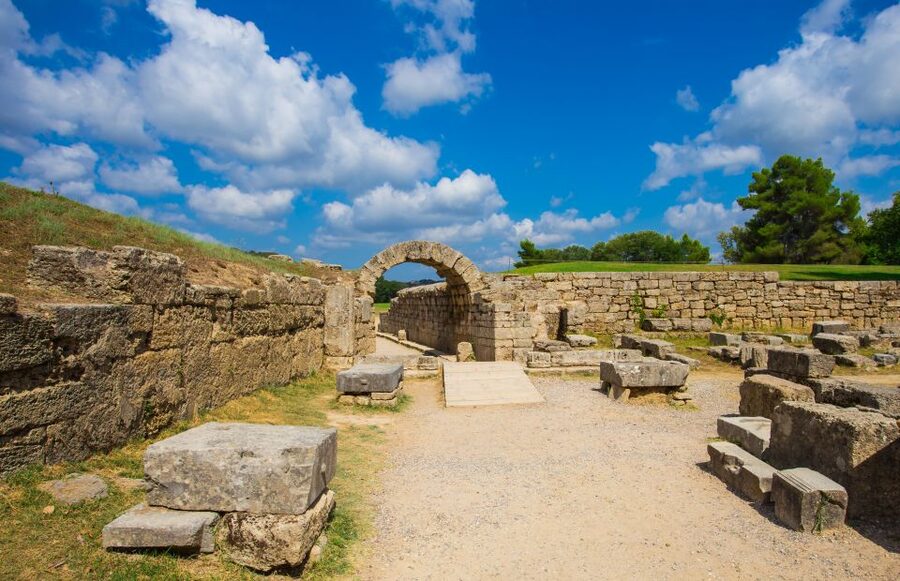
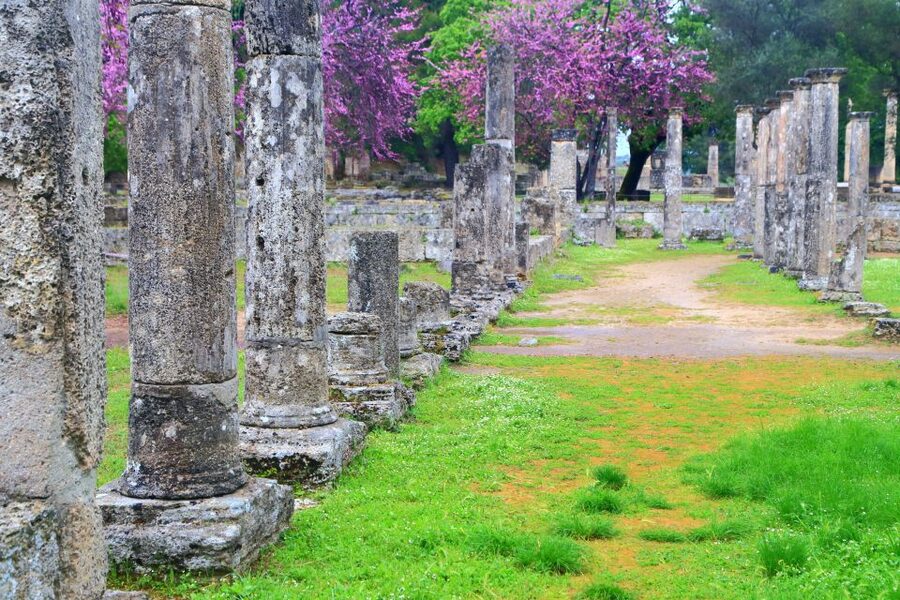
Olympia is the kind of place where the ruins feel bigger than the blocks of stone themselves. You’ll see the Doric columns of the Temples of Zeus and Hera, the remains of the stadium, and the altar of the Olympic flame. That altar is a special detail because it connects the modern Olympic idea to the ancient ritual setting.
One practical win: the Archaeological Museum of Olympia sits directly opposite the ruins. When a museum is placed that close to what it explains, your attention stays sharp. You can step from the outdoors into artifacts without your brain losing the thread.
If you like learning through contrast, Olympia is good for that. The stadium ruins show how people gathered to watch, while the temple areas show how serious the sacred setting was. Even with limited reconstruction, the design of the space helps you understand why it worked as a religious and sporting center.
After Olympia, you will travel toward the Rion and Antirion area. You cross the Corinthian Bay via the bridge to Antirion, and the coastal road brings in the harbor town of Nafpaktos along the way. This shift from ruins to sea views is not filler. It’s what helps you arrive at Delphi less burned out.
Crossing to Antirion, Riding Past Nafpaktos, Then Up to Delphi
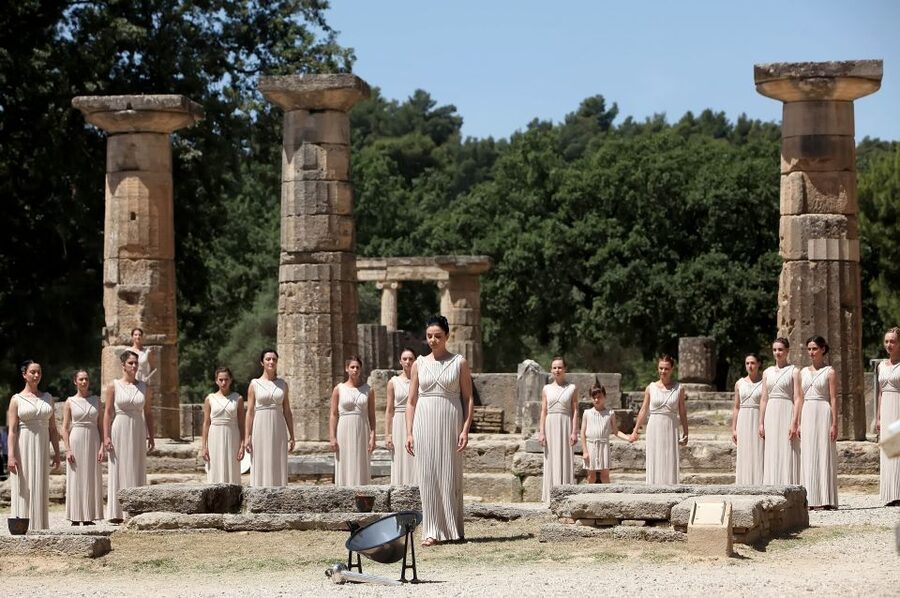
This is a travel day that still feels purposeful. The bridge crossing across the Corinthian Bay is scenic and gives you that rare moment where you can look far, breathe, and reset between historical stops.
Nafpaktos is described as a charming harbor town. Even if you only pass through briefly, it’s a reminder that modern Greece lives right alongside ancient sites. Those stops help you keep the trip from turning into pure museum mode.
Then you go up toward Delphi, with a stop at Arachova on the slopes of the Parnassus Mountains in the afternoon before you sleep in Delphi. Arachova is one of those places where mountain-town life is obvious. It’s useful because Delphi can feel steep and dramatic, and arriving after a small village pause makes the switch feel smoother.
Delphi: Apollo, the Oracle, the Theatre with 5,000 Seats, and Parnassus Views
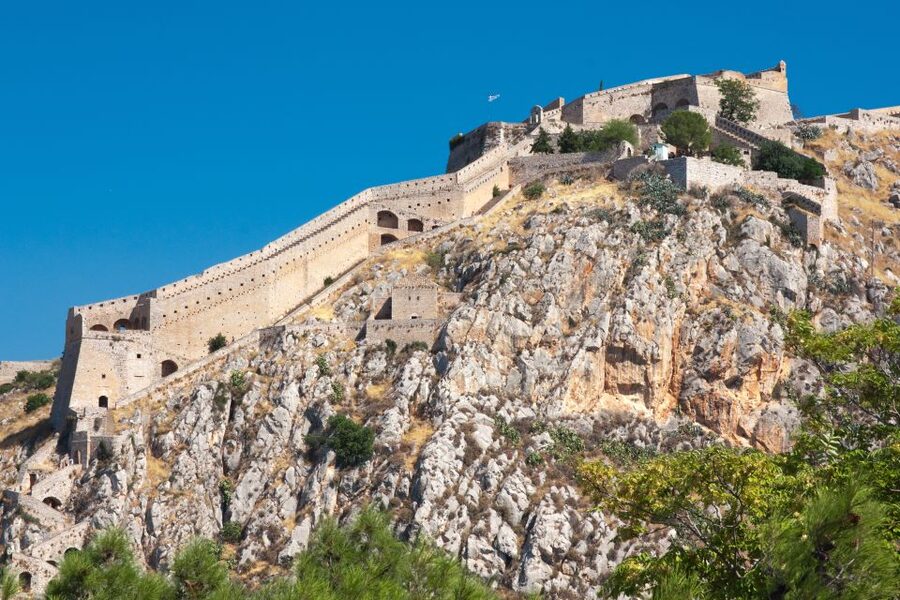
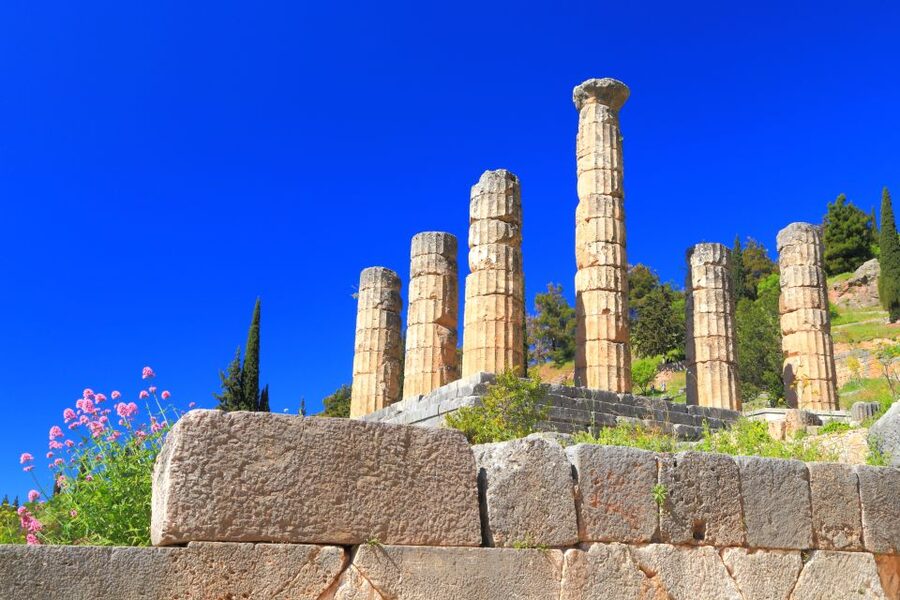
Delphi is often described as mysterious, and that word fits here because the site sits on the Parnassus Mountains with big views over the valley. You are going up to a place that once mattered as a decision hub, not just a religious stop.
You’ll tour the archaeological site perched high on the mountain and then visit the Temple of Apollo, which is tied directly to the Oracle of Delphi. The guide’s role is key at Delphi because the connection between myth, sacred geography, and what you see on the ground is not automatic. With the right explanations, you can spot how Delphi’s setting supported the idea of messages from the divine.
You’ll also walk through the ancient theatre, designed for up to 5,000 spectators for plays, poetry readings, and festivals. The practical part: theatres at ancient sites can look smaller than you expect, but Delphi’s elevation helps you imagine what a crowd would feel like. You also get views from the top of the hill that make the climb feel worth it.
After the outdoor tour, you visit the Archaeological Museum in Delphi, which focuses on artifacts and relics connected to the site. This is where ruins become more legible. If you have ever looked at a pile of stone and thought, okay, but what did it look like, this is your chance to “see” the original function through artifacts and explanations.
More Athens landfalls to plot
- 3-Day Classical Greece Tour: Epidaurus, Mycenae, Nafplion, Olympia, Delphi
★ 4.5 · 342 reviews - From Athens: 3 Days in Meteora & Delphi with Tours & Hotel
★ 4.6 · 97 reviews - Meteora & Delphi 3 Days Semi Private Tour
★ 4.5 · 80 reviews - Athens: 3 days 2 nights Meteora with small size tours & hotel
★ 5.0 · 63 reviews
Museums and Imagining the Missing Pieces
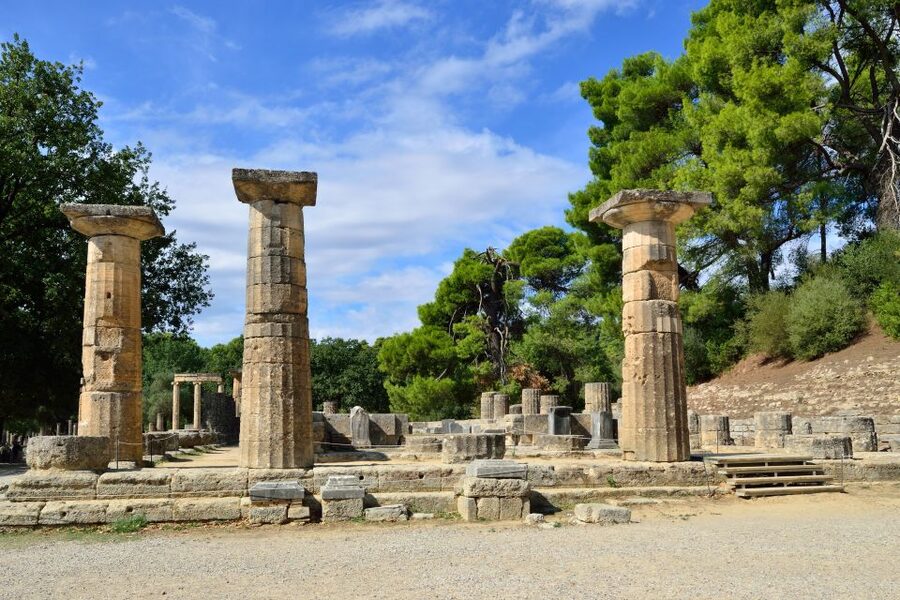
Here’s the truth about many ancient sites: you rarely get a perfect restoration. So you need imagination, and a good guide can make it faster and more accurate.
At Olympia, the museum is right across from the ruins, which makes it easier to connect what you see outdoors to what you see in cases. At Delphi, the museum helps you with the stories and objects tied to Apollo and the Oracle world.
One more tip that really helps: take photos as you go. Time is limited, and it can be hard to return to a spot for another look. I also suggest you pause and read what you can at each key structure before moving on. It saves you from doing the “walk, look, then forget” cycle.
And if you are traveling with a history-loving brain, you’ll probably like the way this tour links places together. Corinth Canal, Epidaurus, Mycenae, Olympia, Delphi. Each stop has a different purpose, and the trip helps you see those differences instead of treating everything as the same ancient pile.
Pacing, Group Size, and How Comfort Plays Into Enjoyment
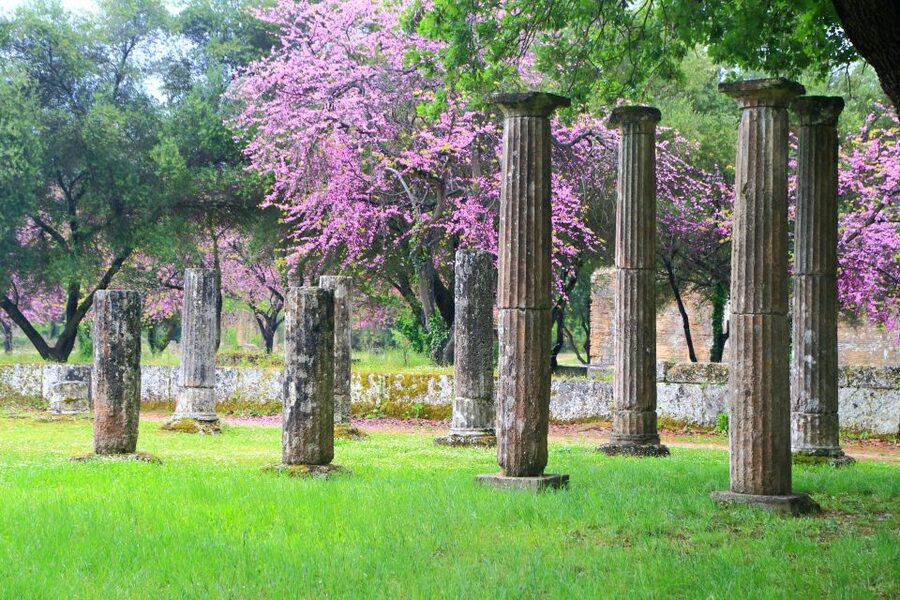
This tour covers a lot in three days. You’ll spend real time on the bus between regions, and you’ll also walk around archaeological sites where surfaces can be uneven.
Comfort helps a lot here because the bus is air-conditioned and set up for transfers by luxury bus. One of the nicest practical benefits is that guides use the drives for context, so the road time feels like part of the day, not just commuting.
Group size also affects the experience. Some groups have described riding in smaller vehicles, while others have noted larger groups at busy stops like Mycenae and Delphi. If you dislike crowds, plan to arrive early in the morning energy at the busiest sites when you can, and keep your expectations realistic during peak time.
The pace is active. One drawback you should consider is that long visits at Olympia and Delphi can mean you are in strong sun for hours, with shade that appears in patches. That leads directly to the packing list.
Weather and What to Pack for Olympia and Delphi Heat
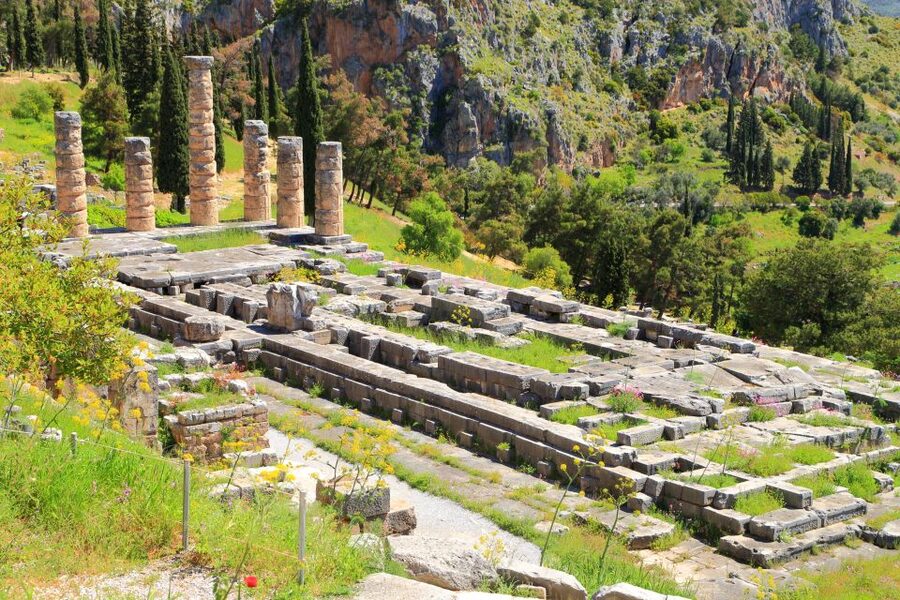
Sun and heat can be the difference between a great day and a day where you keep searching for shade. The tour runs through major open sites, including Olympia and Delphi, and in hot weather you can feel it fast.
If you are traveling in summer, bring:
- big hat or cap
- sunglasses
- sunscreen
- water
- a light layer if evenings feel cooler after the mountain air
Some people also suggested umbrellas for sun control. Use what works for you, because the real goal is simple: stay comfortable enough to actually enjoy the explanations, not just survive them.
Also, wear shoes you trust. Ancient sites and museums mean lots of walking, and you will want grip on uneven ground.
Who This Tour Suits Best (and Who Might Want Something Else)
This tour fits best if you want an organized introduction to classical Greece without spending a week arranging drivers, tickets, and lodging. It’s ideal for:
- first-timers who want Mycenae, Delphi, and Olympia in one smooth arc
- people who prefer guided storytelling to self-guided guessing
- anyone who likes seeing how myth connects to physical places
It may be less ideal if you:
- need a very slow pace and long free time at each site
- get frustrated by hot, open conditions
- require wheelchair access, since the tour is listed as not suitable for wheelchair users
If you have dietary needs, it helps to note that meals are included only for breakfast and dinner, while lunch and drinks are not. One guest shared that gluten-free needs were handled during the tour. I can’t promise every option will be perfect for every diet, but you should communicate your needs ahead of time.
Should You Book This 3-Day Ancient Greek Sites Tour from Athens?
I think you should book it if you want the biggest names of ancient Greece paired with a guide who helps you make sense of what you see. At this price, the hotel nights, entrance fees, and bus transfers do real work for you, so you are buying time and clarity, not just transportation.
I would not book it if you are hoping for a quiet, flexible, lingering pace, or if you know you struggle with long days in bright heat. The tour is active, and you’ll get the most out of it when you come prepared with shade gear and comfortable shoes.
If you want a three-day shortcut to understanding the ancient world, with enough context to feel oriented, this is a strong pick. And if you love the idea of standing in places tied to both myth and ritual, Olympia and Delphi alone are worth building the trip around.
FAQ
What is included in the tour price?
The tour includes a guide, hotel accommodation in a 3-star or 4-star option, entrance fees, transfers by luxury air-conditioned bus, and breakfast and dinner. Lunch, drinks, personal expenses, and the hotel tax are not included.
Does the tour include pickup from Athens hotels?
Yes. Free pickup is available from many centrally located hotels in Athens on request, about one hour before departure time. You can also meet at the tour supplier’s office 15 minutes before departure.
Which ancient sites are visited on the tour?
You’ll visit Epidaurus (the ancient theatre), Mycenae (the citadel ruins and the Tomb of Agamemnon), Olympia (the temples, stadium remains, and the altar of the Olympic flame), and Delphi (the Temple of Apollo and the archaeological site), plus the nearby museums at Olympia and Delphi.
Are lunch and drinks included?
No. Breakfast and dinner are included, but lunch and drinks are not included.
What is the hotel accommodation tax?
A hotel accommodation tax is charged and paid directly at the hotel: €5 per room per night for 3-star hotels, and €10 per room per night for 4-star hotels.
Is the tour wheelchair accessible?
No. The tour is not suitable for wheelchair users.
New pins on the Athens chart
- Shore Excursion: Acropolis, Athens City tour and The New Acropolis Museum★ 4.5 · 30 reviews
- Private Luxury Tour: Marathon – Battle & Run That Changed History★ 5.0 · 30 reviews
- 2 Day Private Tour Of Delphi, Thermopylae & Meteora From Athens★ 5.0 · 30 reviews
- Athens Airport – Athens Center Private Transfer★ 4.0 · 30 reviews
- From Athens: Ancient Corinth Half-Day Private Tour★ 4.8 · 30 reviews
- Private City Kickstart Tour: Hidden Districts★ 5.0 · 30 reviews
3-Day Experiences, compared.
3-Day Classical Greece Tour: Epidaurus, Mycenae, Nafplion, Olympia, Delphi
Read our review →


3 days 2 nights Meteora with small size tours & hotel
Read our review →
3-Day Trip to Delphi and Meteora from Athens
Read our review →Browse the lists this tour appears in